EN
EN
What is Aluminum Profile and How Does It Work?
2026/09/30
Source aluminum profiles for versatile modular framing. Learn extrusion mechanics, strength benefits & corrosion resistance. Request details.

2026/09/16
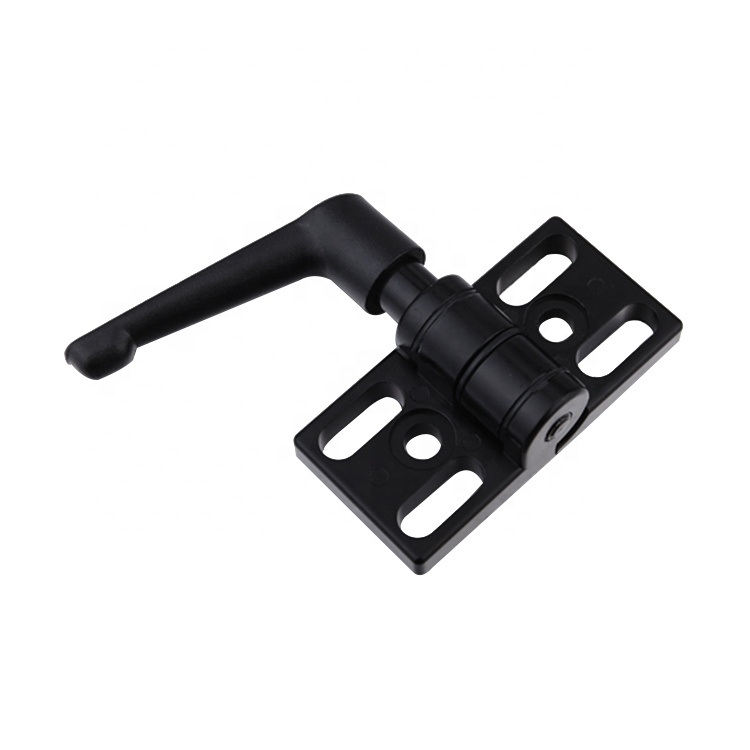
Selecting the right Hinge requires understanding how different hinge types perform under specific conditions and load demands. Industrial applications, furniture assembly, and architectural installations each demand distinct hinge characteristics. The choice between ball bearing hinges, butt hinges, piano hinges, and specialty designs directly impacts durability, maintenance costs, and operational safety. This guide examines the key differences across hinge categories to help you match the right hinge to your project requirements.
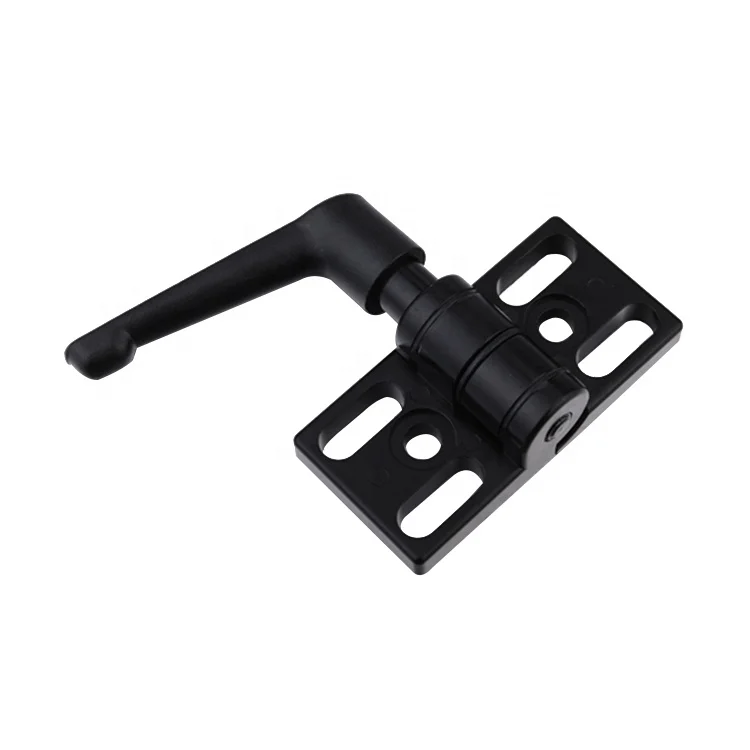
Understanding hinge load capacity, material composition, and installation methodology ensures long-term performance and prevents premature failure. Each hinge type carries specific weight ratings, corrosion resistance properties, and installation constraints. Whether you manage equipment doors, cabinet systems, or architectural frames, comparing hinge options based on function, environment, and maintenance expectations prevents costly replacements and operational interruptions.
Cabinet hinge types vary widely in construction and suitability for different furniture and storage systems. Concealed hinges, also called European-style cabinet hinges, remain hidden when doors close, offering a clean aesthetic and protecting internal mechanisms from dust and moisture. Visible hinges, including traditional butt and surface-mount varieties, provide robust support for heavier cabinetry and allow adjustment in multiple directions. Face-frame hinges serve applications where the door attaches directly to the cabinet frame rather than inside the frame structure. Each cabinet hinge type offers distinct advantages for specific load ranges and design preferences.
Cabinet hinge types manufactured from cold-rolled steel, stainless steel, or zinc-plated materials exhibit different longevity profiles. Stainless steel cabinet hinge types resist corrosion in humid kitchen environments and wet indoor spaces, making them suitable for demanding residential and commercial kitchens. Zinc-plated options offer moderate corrosion protection at lower costs for standard indoor applications. The material choice directly affects maintenance frequency and the hinge load capacity rating over extended service life.
Door hinge installation success depends on precise hole alignment, proper fastener selection, and structural substrate quality. Surface-mounted hinges require pilot holes drilled through the hinge flange directly into the door and frame; installation involves simple screw fastening without complex preparation. Mortise-style door hinge installation demands chisel work to create recessed pockets matching hinge thickness, resulting in flush, professional appearance but requiring skilled labor. Butt-type door hinge installation involves creating rectangular cutouts on door edges, offering traditional look and balanced weight distribution. Each door hinge installation method suits specific door types, frame materials, and aesthetic requirements.
Hinge load capacity ratings determine how much door or panel weight the hinge assembly safely supports without sagging or permanent deformation. Standard residential hinges typically support 25–50 pounds per hinge, suitable for lightweight interior doors. Commercial-grade hinges range from 50–150 pounds per hinge, appropriate for medium-weight entry doors and high-traffic applications. Heavy-duty industrial hinges exceed 200 pounds load capacity per hinge, designed for steel doors, equipment access panels, and specialized installations. Calculating total door weight and dividing by the number of hinges ensures you select hinges with adequate hinge load capacity margins for safety and longevity.
Ball bearing hinges incorporate internal ball bearings that reduce friction and allow smooth operation for heavy doors that open and close frequently. This specialty hinge type extends service life significantly compared to standard hinges by distributing stress across roller elements. Ball bearing hinges suit high-traffic commercial environments, hospital facilities, and institutional buildings where reliability and durability justify premium pricing. Roller hinge designs serve similar purposes in industrial settings, supporting extremely heavy panels and equipment doors with minimal maintenance.
Piano hinges, also called continuous hinges, run the full length of the door or panel, distributing load evenly and providing superior support for oversized or unusually shaped panels. Heavy-duty stainless steel hinge options serve chemical plants, marine environments, and facilities requiring maximum corrosion resistance. Adjustable hinge systems allow precise alignment after installation, accommodating settling structures and reducing misalignment problems. Spring-loaded and self-closing hinge varieties incorporate mechanical features that control door motion, ideal for fire-rated doors and safety-critical applications requiring automatic closure.
Hinge load capacity selection depends on total door or panel weight, number of hinges supporting the load, frequency of operation, and environmental conditions. Divide door weight by the number of hinges and select hinges rated for at least 1.5 times that calculated value to provide safety margin. Consider dynamic loading from impacts, vibration, and thermal expansion in industrial environments when selecting hinge load capacity ratings.
Proper door hinge installation ensures even load distribution, prevents binding and squeaking, and extends hinge lifespan significantly. Poor door hinge installation with misaligned holes, missing fasteners, or installation in weak substrate materials causes premature wear, door sag, and hinge failure. Follow manufacturer specifications for hole sizing, fastener type, and substrate preparation; improper door hinge installation voids warranties and creates safety hazards.
Stainless steel cabinet hinge types provide superior corrosion resistance in kitchens, bathrooms, and outdoor storage applications where moisture exposure is continuous. Galvanized and heavy-duty zinc-plated cabinet hinge types offer moderate protection at lower cost for standard humid indoor spaces. Painted or powder-coated cabinet hinge types require regular maintenance in highly humid environments to prevent rust formation and ensure consistent appearance.
2026/09/30
Source aluminum profiles for versatile modular framing. Learn extrusion mechanics, strength benefits & corrosion resistance. Request details.
2026/09/30
Source aluminum profiles for construction projects. Learn structural framing, cladding & window benefits for maximum ROI. Download guide.
2026/09/30
Source optimal aluminum profile sizing techniques. Evaluate load, space, alloy, environment & cost factors to prevent deflection. Download guide.
2026/09/30
Struggling with fastener failures or rework? Master screw sizing by diameter, pitch, material, and load—plus industry-specific standards. Optimize reliability & compliance now.
2026/09/30
Source aluminum profiles for industrial engineering. Discover strength-to-weight ratios, corrosion resistance & 30% cost savings. Download guide.
2026/09/30
Source heat-resistant aluminum profile systems. Master thermal expansion science & stress management strategies for industrial builds. Download guide.