EN
EN
What is Aluminum Profile and How Does It Work?
2026/09/30
Source aluminum profiles for versatile modular framing. Learn extrusion mechanics, strength benefits & corrosion resistance. Request details.

2026/09/16
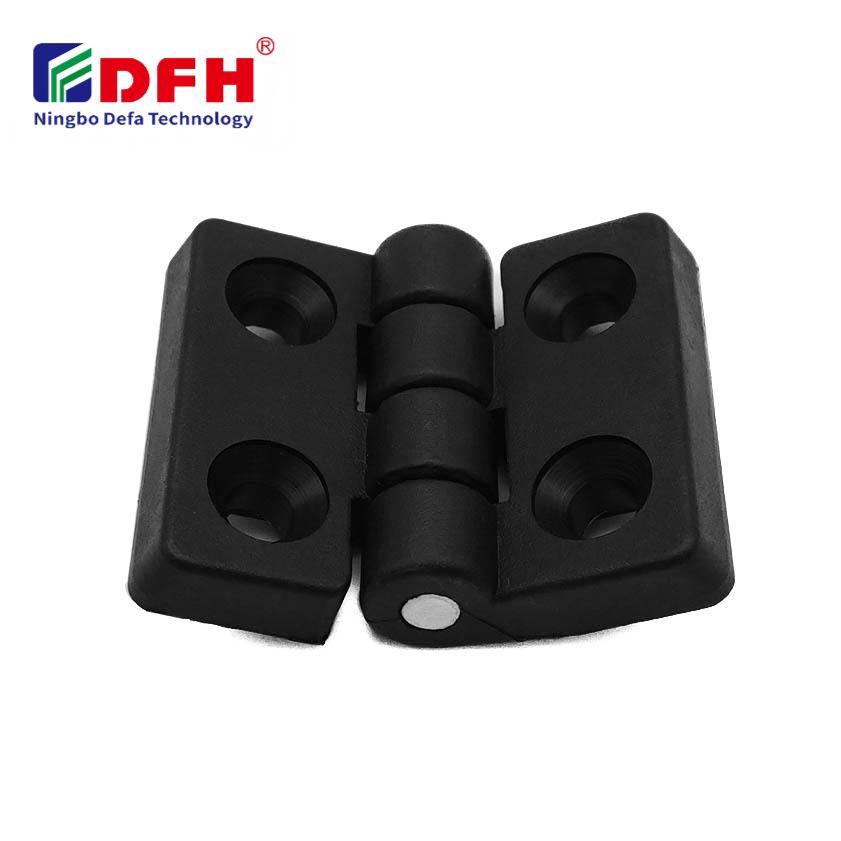
Structural integrity depends on many components working together seamlessly, and one of the most underestimated elements is the humble hinge. Whether on heavy architectural doors, high-frequency cabinetry, or industrial machinery enclosures, a hinge must do far more than simply pivot. It bears dynamic weight, distributes static loads, resists mechanical stress, and maintains precise alignment over tens of thousands of cycles. Understanding how a hinge supports structural integrity is essential for construction, engineering, design, and facility management. High-quality hardware and correct mounting directly influence the long-term safety, usability, and durability of the entire structure.
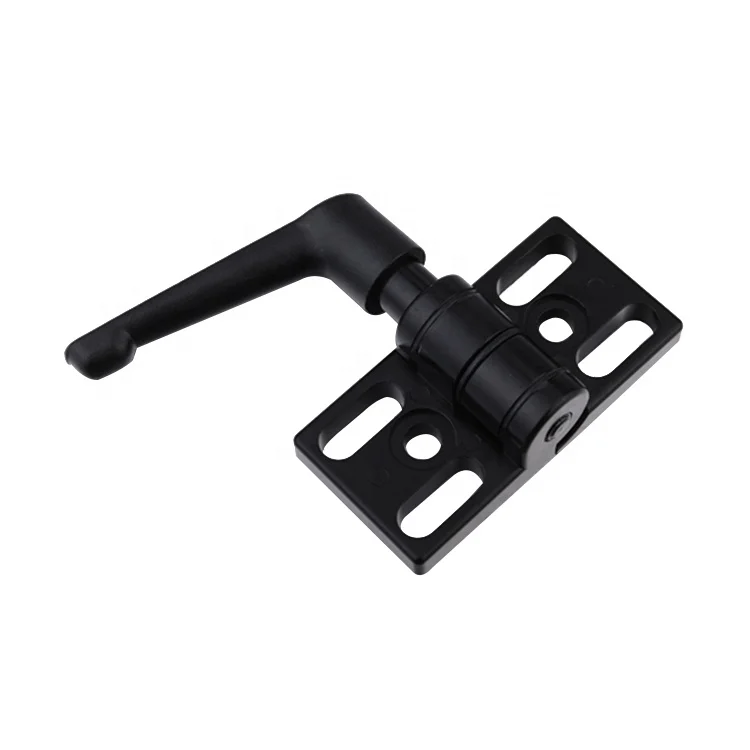
A high-performance hinge functions as the critical load-bearing joint between a moving panel and its frame. Beyond enabling rotation, it transfers gravitational pull and operating forces into the host frame. It must absorb lateral forces, prevent vertical deflection, and eliminate sagging that causes binding, frame deformation, or hardware failure in demanding environments.
The hinge load capacity is a critical factor determining structural integrity. Every hinge is engineered to support a maximum weight based on pin diameter, leaf thickness, and geometry. Exceeding these thresholds causes internal wear and gradual metal deformation, leading to permanent panel sagging.
As a panel sags, it pulls adjacent hardware out of axial alignment, multiplying stress across all fastening points and potentially distorting the entire frame. Calculating accurate hinge load capacity requires evaluating total door mass, width-to-height leverage, and expected cycle frequency. When comparing cabinet hinge types, engineers must analyze how load shifts between top, middle, and bottom locations. Top-mounted hinges bear higher tension loads, making precise rating calculations vital for long-term safety.
Rigorous hinge material selection directly determines a component's ability to preserve structural integrity under sustained mechanical stress and harsh environments. Steel and iron hinges offer high tensile strength and superior hinge load capacity for industrial doors. However, raw strength is insufficient without protection against oxidation and rust, which strip metal cross-sections and cause unexpected failure.
Consequently, hinge material selection must balance yield strength with corrosion resistance. Options like 304/316 stainless steel, zinc plating, and powder coatings preserve rated capacities over years of service. A rated hinge load capacity becomes meaningless if the material suffers from fatigue or corrosion. For instance, specialized cabinet hinge types for commercial kitchens demand higher corrosion resistance than office units. High material quality prevents micro-cracking and binding across hundreds of thousands of cycles.
Precise door hinge installation governs whether hardware achieves its structural purpose. Faulty installation causes rotational friction and spatial misalignment that transfer localized stress unevenly, warping the frame over time. Hinge leaves must be mortised accurately, set flush, and mounted parallel to the vertical hinge line to prevent binding and fastener pull-out.
Fastener specification during door hinge installation is equally paramount. Undersized screws or improper thread pitches compromise safety and loosen under dynamic loads, allowing the hinge leaf to shift. This misalignment accelerates operational wear and mechanical fatigue. Professional door hinge installation standards specify exact screw lengths, pilot holes, thread engagement, and torque limits to ensure the joint reliably handles daily impact.
Following initial door hinge installation, the assembly must preserve alignment despite thermal expansion, vibration, and building settlement. High-grade industrial hinges utilize precision-ground bearing surfaces and heavy-duty knuckles that hold tight operating tolerances despite fluctuating environmental conditions.
To maintain structural integrity throughout the building lifecycle, systematic preventive maintenance is essential. Daily traffic can induce minor fastener loosening or leaf wear. Facilities teams should conduct routine checks covering screw torque, vertical alignment, and leaf clearances. Catching minor frame shifts early prevents catastrophic hardware failures and extends system lifespan.
Commercial cabinet hinge types vary significantly in load-bearing capacity. Full-overlay concealed hinges attach to interior side panels, distributing weight across cabinet sidewalls to support heavy doors. Conversely, half-overlay, inset, and surface-mount cabinet hinge types generate distinct stress profiles suited to different door thicknesses and usage levels.
Heavy-duty cabinet hinge types for laboratories or industrial facilities feature thicker gauge mounting plates, reinforced arms, and multi-axis alignment mechanisms. The working hinge load capacity of commercial-grade cabinet hinge types often exceeds residential hardware by over fifty percent. Commercial models also include 3D adjustment screws, allowing installers to fine-tune alignment on-site and maintain plumb positioning despite heavy use.
Different cabinet hinge types exhibit varying durability in harsh environments. Kitchens and labs expose hardware to grease, humidity, and chemical cleaners. Specialized cabinet hinge types for these areas utilize nickel-plated zinc or passivated stainless steel to resist pitting and binding over time.
Maintaining long-term structural integrity requires matching cabinet hinge types and hinge material selection to door weight and substrate. Heavy glass doors require specialized cabinet hinge types with compression clamping plates to distribute pressure evenly without creating stress risers. Selecting the correct combination of material, load rating, and mounting style ensures the cabinet structure remains stable throughout its service life.
The hinge load capacity determines structural safety by defining the maximum weight a hinge can sustain without permanent deformation. Exceeding limits bends hinge pins, warps leaves, and sags doors. This misalignment transfers excessive strain to surrounding fasteners and frames, risking joint failure or falling hazards. Safety requires calculating panel weight and leverage, then specifying hardware with a 20 to 30 percent safety buffer above working loads.
Proper door hinge installation ensures operational loads are distributed evenly across all mounting points and fasteners. Misalignment causes binding during operation, forcing individual hinges to carry disproportionate weight. Precise mortising, correct pilot holes, accurate vertical alignment, and proper fasteners prevent leaf deflection, eliminate binding, and maintain system stability.
Different cabinet hinge types offer unique mounting configurations, load paths, and articulation styles for specific structural demands. For example, full-overlay hinges transfer forces into the cabinet box to support heavy doors, while glass-door hinges use wide pads to protect fragile materials. Selecting appropriate cabinet hinge types based on mass, substrate, environment, and cycle frequency ensures long-term cabinet alignment and stability.
2026/09/30
Source aluminum profiles for versatile modular framing. Learn extrusion mechanics, strength benefits & corrosion resistance. Request details.
2026/09/30
Source aluminum profiles for construction projects. Learn structural framing, cladding & window benefits for maximum ROI. Download guide.
2026/09/30
Source optimal aluminum profile sizing techniques. Evaluate load, space, alloy, environment & cost factors to prevent deflection. Download guide.
2026/09/30
Struggling with fastener failures or rework? Master screw sizing by diameter, pitch, material, and load—plus industry-specific standards. Optimize reliability & compliance now.
2026/09/30
Source aluminum profiles for industrial engineering. Discover strength-to-weight ratios, corrosion resistance & 30% cost savings. Download guide.
2026/09/30
Source heat-resistant aluminum profile systems. Master thermal expansion science & stress management strategies for industrial builds. Download guide.