EN
EN
What is Aluminum Profile and How Does It Work?
2026/09/30
Source aluminum profiles for versatile modular framing. Learn extrusion mechanics, strength benefits & corrosion resistance. Request details.

2026/09/10
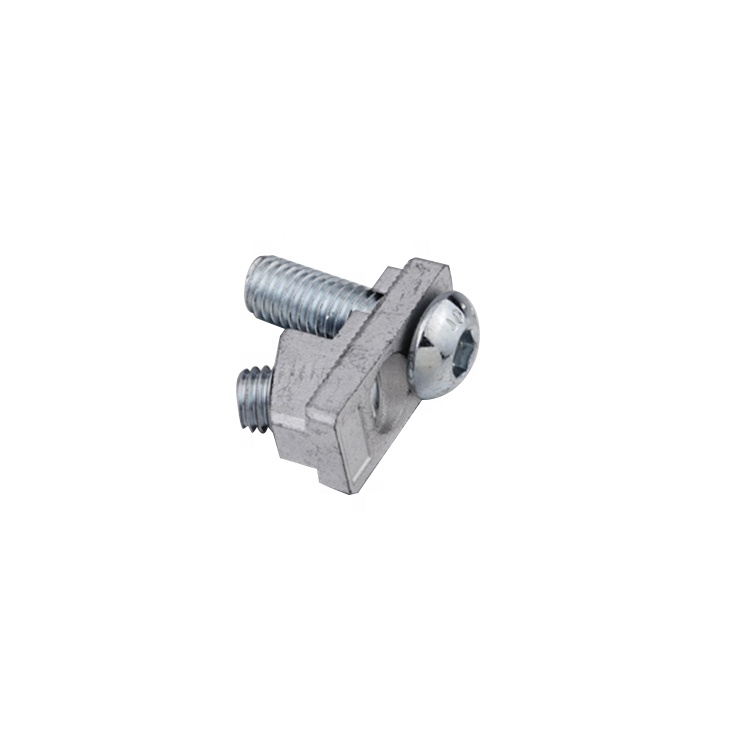
Selecting the right End Connectors is one of the most critical decisions in any electrical assembly or mechanical system design. The choice you make directly impacts system reliability, installation efficiency, maintenance costs, and long-term performance. Whether you are working with industrial machinery, automotive systems, or specialized equipment, understanding how to evaluate and select appropriate end connectors will save you time, reduce failures, and ensure compatibility across your entire application.
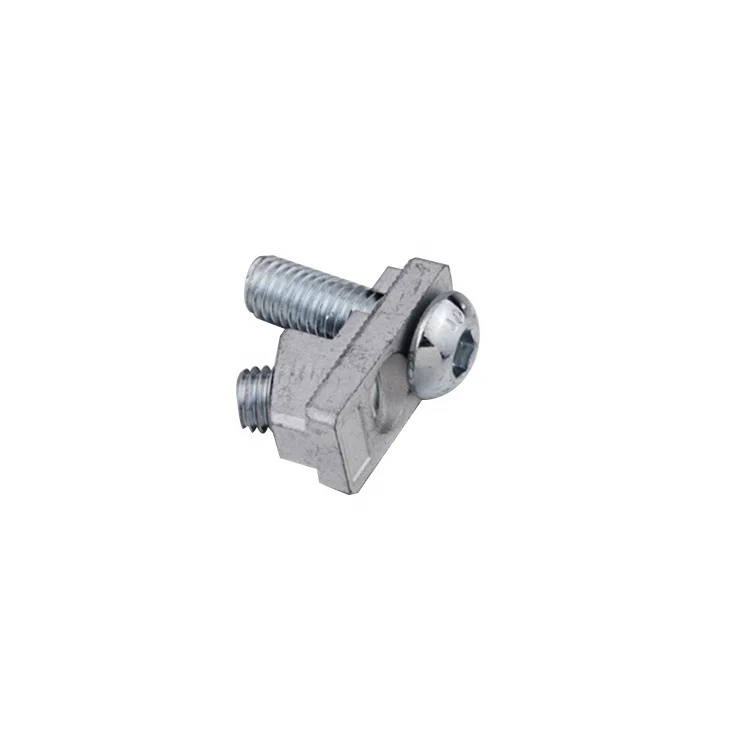
Cable end connectors serve as the bridge between power sources, control signals, and receiving equipment. A poor selection can lead to loose connections, signal loss, corrosion, safety hazards, or catastrophic system failure. This guide walks you through the essential factors that determine which connector terminals and connection hardware will work best for your specific needs, helping you avoid costly mistakes and ensure optimal performance from day one.
The first step in selecting cable end connectors is to assess the environment where they will operate. Industrial settings expose connection hardware to temperature extremes, moisture, dust, vibration, and chemical exposure that domestic applications simply do not encounter. High-temperature environments require connector terminals rated for thermal stability, while outdoor or wet-location installations demand sealed, corrosion-resistant designs. Understanding your operating conditions will immediately narrow down which connector families are viable options for your project.
Temperature rating, IP protection class, and material composition are non-negotiable factors when evaluating end connectors. For instance, a connector terminals option suitable for a climate-controlled warehouse may fail within weeks if exposed to constant moisture or salt spray in a coastal facility. Vibration intensity also matters, as loose connections in high-vibration environments can lead to intermittent failures that are extremely difficult to diagnose and repair once the system is installed.
Every electrical connection hardware application has specific power delivery or signal transmission requirements. You must match your connector terminals to the intended current capacity, voltage level, and frequency characteristics of your circuit. Under-sized connection hardware will generate excessive heat and risk insulation breakdown or fire hazards, while over-designed end connectors waste material costs without providing additional benefit. Consulting the equipment manufacturer's specifications and applicable electrical standards ensures you select connectors rated appropriately for your load profile.
Signal integrity also depends on impedance matching and shielding in many applications. High-frequency or sensitive analog circuits may require shielded cable end connectors with specific impedance characteristics to prevent crosstalk and noise interference. Understanding whether your application requires standard connectors or specialized shielded connector terminals is essential before making your final selection.
Connector terminals are made from various base materials and plating options, each offering different benefits in terms of conductivity, corrosion resistance, and cost. Copper-based connector terminals provide excellent electrical conductivity at lower cost, while silver-plated options offer superior corrosion resistance and are often preferred for harsh environments or high-reliability applications. Gold plating appears in premium connection hardware but is typically reserved for low-current applications where cost justification is clear, such as precision instrumentation or military systems.
The choice between different material grades directly affects long-term reliability and total cost of ownership. A connector terminals system that resists corrosion may cost more upfront but will eliminate expensive downtime and replacement labor over its service life. In corrosive environments, investing in higher-quality plated end connectors almost always provides superior return on investment compared to cheaper alternatives that require frequent replacement or repair.
Connection hardware insulation materials must meet your application's fire safety and environmental standards. Polyamide, polyethylene, and advanced fluoropolymer materials offer different balances of thermal resistance, flame rating, and cost. Industrial equipment often requires UL 94 V-0 or equivalent flame ratings for cable end connectors, which eliminates many lower-cost options. Understanding your regulatory environment and equipment certifications is essential before selecting connector terminals, as non-compliant materials can result in failed equipment approvals or safety violations.
The mechanical interface between end connectors on your cable and the receiving equipment is critical to overall system reliability. Connector terminals must offer smooth, reliable mating that does not require excessive force or specialized tools during installation. Some connection hardware designs feature keying systems that prevent incorrect mating, which is valuable in complex multi-connector assemblies where installation errors could cause significant damage. The mating cycle rating—how many times connectors can be safely connected and disconnected—should align with your anticipated maintenance frequency.
Strain relief design is another often-overlooked factor in connector terminals selection. Proper strain relief prevents mechanical stress from being transmitted directly to the wire-to-connector solder joint or crimped terminal, dramatically extending the service life of your cable end connectors. Systems subjected to vibration, bending, or frequent flexing absolutely require robust strain relief designs to prevent fatigue failures that occur over time.
How you terminate and assemble cable end connectors directly impacts both labor costs and reliability. Some connector terminals designs can be assembled with simple hand tools, while others require specialized crimping equipment or soldering expertise. If your organization lacks in-house termination capability, selecting connector terminals that work with your existing assembly partner's equipment will reduce lead times and ensure consistent quality. Inconsistent termination practices—whether due to improper tools or inadequate training—represent a common source of field failures that good connector terminals selection can help prevent.
For harsh environments, prioritize corrosion resistance through high-quality plating, sealed designs with appropriate IP ratings, and connector terminals rated for the full temperature range your equipment will encounter. Material composition, vibration resistance, and strain relief design should all be evaluated based on your specific environmental challenges. Consulting application guides and requesting samples can help ensure your selected connection hardware will survive your actual operating conditions.
Check your equipment manufacturer's specifications and calculate the maximum sustained current your application will draw under normal operation and worst-case scenarios. Select end connectors rated for at least 125 percent of this calculated value to provide a safety margin. Remember that connector terminals ratings typically account for ambient temperature, so de-rate the published specifications if your operating environment is hotter than standard laboratory conditions. When in doubt, consult the connector manufacturer's technical documentation or contact their engineering support team.
Shielded connector terminals prevent electromagnetic interference and crosstalk that can degrade signal quality and system performance. Applications involving sensitive analog signals, high-frequency digital transmission, or proximity to high-power electrical equipment benefit significantly from shielded cable end connectors. The slight additional cost of shielded connection hardware is typically far outweighed by improved system reliability and the elimination of troubleshooting issues caused by EMI interference.
2026/09/30
Source aluminum profiles for versatile modular framing. Learn extrusion mechanics, strength benefits & corrosion resistance. Request details.
2026/09/30
Source aluminum profiles for construction projects. Learn structural framing, cladding & window benefits for maximum ROI. Download guide.
2026/09/30
Source optimal aluminum profile sizing techniques. Evaluate load, space, alloy, environment & cost factors to prevent deflection. Download guide.
2026/09/30
Struggling with fastener failures or rework? Master screw sizing by diameter, pitch, material, and load—plus industry-specific standards. Optimize reliability & compliance now.
2026/09/30
Source aluminum profiles for industrial engineering. Discover strength-to-weight ratios, corrosion resistance & 30% cost savings. Download guide.
2026/09/30
Source heat-resistant aluminum profile systems. Master thermal expansion science & stress management strategies for industrial builds. Download guide.