EN
EN
What is Aluminum Profile and How Does It Work?
2026/09/30
Source aluminum profiles for versatile modular framing. Learn extrusion mechanics, strength benefits & corrosion resistance. Request details.

2026/09/07
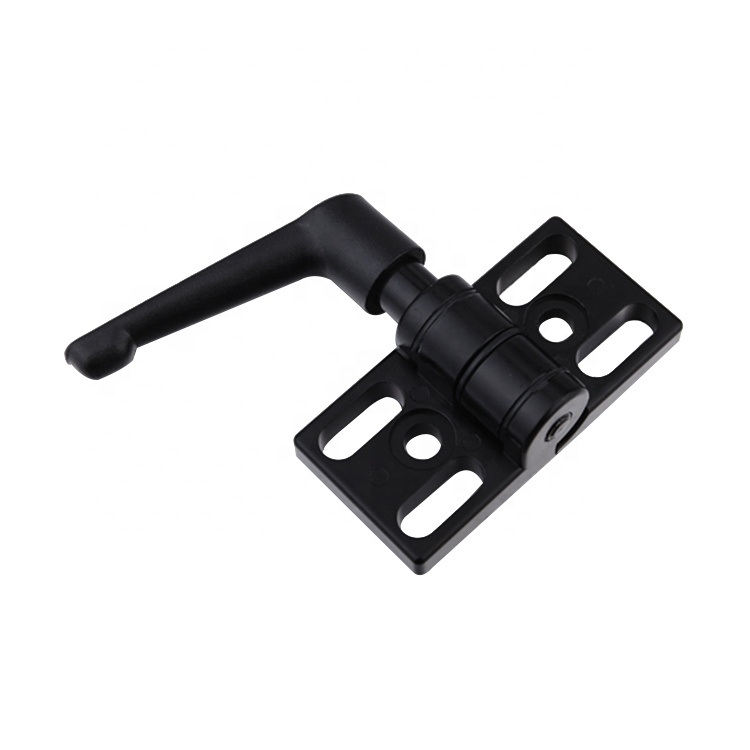
Choosing the correct hardware is a critical decision that directly impacts the durability and performance of any assembly. Proper hinge material selection depends on multiple factors including load capacity, environmental conditions, and budget constraints. Whether you need a door hinge material for commercial buildings, a reliable cabinet hinge material for residential kitchens, or a heavy-duty pivot hinge material for industrial entryways, understanding fundamental material properties is essential. Specifying a stainless steel hinge for damp environments, for example, avoids premature failure and ensures structural integrity.
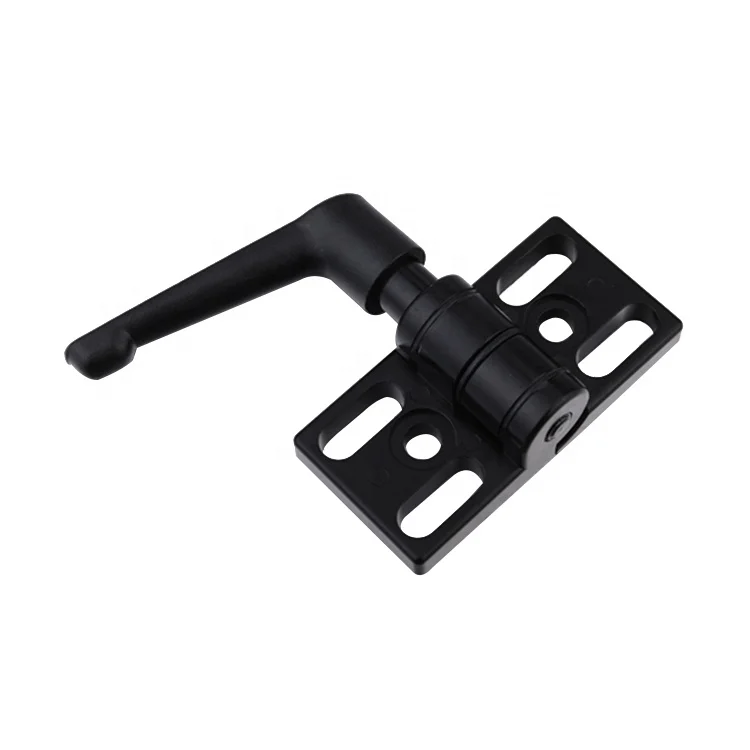
Effective hinge material selection extends far beyond simple aesthetics. The mechanical properties and corrosion resistance of your chosen door hinge material or cabinet hinge material determine exactly how well the assembly performs under stress. Industrial applications demand a resilient pivot hinge material that can withstand consistent heavy use. A stainless steel hinge excels in resisting chemical exposure and extreme humidity. This guide covers the comprehensive hinge material selection process, highlighting the strengths of a stainless steel hinge, identifying the ideal door hinge material, specifying a reliable cabinet hinge material, and matching the right pivot hinge material to your specific application.
The primary criteria in structural hinge material selection involve evaluating tensile strength, yield strength, shear resistance, and corrosion resistance. Standard steel remains common, but when evaluating hinge material selection for highly corrosive environments, a stainless steel hinge is undeniably the superior choice. A stainless steel hinge offers exceptional rust resistance, making it an ideal door hinge material or cabinet hinge material for damp areas. When evaluating a pivot hinge material, brass and bronze provide excellent aesthetic appeal, though they sacrifice some load-bearing capacity compared to a heavy-duty door hinge material like forged steel. Efficient hinge material selection dictates that aluminum can serve as a lightweight cabinet hinge material, but specifying a stainless steel hinge or robust pivot hinge material is absolutely necessary to prevent bending under excessive structural loads.
Any specified door hinge material or cabinet hinge material must support not only the static weight of the panel but also the dynamic forces generated during repeated opening and closing cycles. Carbon steel often provides the highest capacity, but a high-grade stainless steel hinge maintains similar load ratings while adding crucial rust protection. When defining a pivot hinge material, which is commonly used for heavy commercial doors, premium materials like forged steel or a thick stainless steel hinge are required to handle concentrated loads at pivot points. Material fatigue is a critical aspect; poor hinge material selection can lead to stress fractures after thousands of cycles. In high-traffic commercial settings, selecting the correct door hinge material, a sturdy cabinet hinge material, or a resilient pivot hinge material is vital. Effective hinge material selection guarantees mechanical reliability over the entire lifespan of the installation.
Carbon steel is a common door hinge material for industrial applications, but a stainless steel hinge eliminates the need for additional surface protection like zinc plating. In professional hinge material selection, a stainless steel hinge (typically 304 or 316 grade) is the preferred door hinge material and cabinet hinge material in food processing facilities, healthcare environments, and coastal installations. A stainless steel hinge costs more initially but delivers superior long-term value through reduced maintenance. For heavy structural doors, a stainless steel hinge serves as an exceptional pivot hinge material and door hinge material. Furthermore, a stainless steel hinge maintains its mechanical properties across wide temperature ranges. Therefore, prioritizing a stainless steel hinge during your hinge material selection process ensures you have the most reliable door hinge material, cabinet hinge material, or pivot hinge material for demanding indoor and outdoor environments.
Brass and bronze are traditional choices when evaluating a cabinet hinge material for its warm aesthetic appearance and natural corrosion resistance. In decorative hinge material selection, these alloys work exceptionally well. Brass serves as a naturally resistant cabinet hinge material and an attractive decorative door hinge material, developing a protective patina over time. Bronze offers slightly higher strength than brass, making it a viable door hinge material or light-duty pivot hinge material. When your hinge material selection requires highly specialized features, alloys like titanium are used, although a standard stainless steel hinge often provides better overall industrial strength. These premium metals require specialized engineering for proper hinge material selection, ensuring the chosen cabinet hinge material, door hinge material, or pivot hinge material meets specific visual needs, even if they cannot match the immense load capacity of a heavy stainless steel hinge.
Aluminum is a highly popular lightweight door hinge material and cabinet hinge material due to its natural oxide layer formation and corrosion resistance. However, in overall hinge material selection, aluminum's lower tensile strength compared to a stainless steel hinge severely limits its use in heavy-load applications. If utilized as a pivot hinge material, aluminum requires extremely careful engineering to prevent deflection under door weight. Modern composite options in hinge material selection offer unique advantages like vibration damping, but general industrial applications still strictly rely on a proven door hinge material or pivot hinge material like a stainless steel hinge. When selecting a cabinet hinge material for specialized laboratory environments, composites may work well, but a stainless steel hinge remains the gold standard. Thorough hinge material selection ensures you choose the right door hinge material, cabinet hinge material, or pivot hinge material without compromising structural integrity.
Environmental conditions fundamentally dictate proper hinge material selection to guarantee acceptable performance and longevity. Interior residential cabinet assemblies experience minimal moisture, allowing for a cost-effective cabinet hinge material or steel door hinge material with basic powder coating. Coastal and marine environments, however, absolutely demand a high-grade stainless steel hinge as your primary door hinge material or pivot hinge material to withstand constant salt spray. Chemical exposure in industrial plants requires strict hinge material selection assessment; a standard steel door hinge material might rapidly degrade, while a stainless steel hinge actively resists many corrosive alkaline conditions. Temperature cycling also deeply influences hinge material selection. Your chosen door hinge material, cabinet hinge material, or pivot hinge material—especially if it is an outdoor stainless steel hinge—must account for these thermal stresses to prevent operational failure.
High-traffic commercial applications impose severe demands on your door hinge material and pivot hinge material through repeated stress cycling. A heavy-duty door hinge material in a hospital or retail environment experiences millions of opening cycles annually, requiring strict hinge material selection to prevent metal fatigue. An inadequate pivot hinge material in automatic door systems causes alignment failure; thus, specifying a robust stainless steel hinge is heavily recommended. Residential setups with occasional use can safely specify a lower-cost cabinet hinge material or standard door hinge material. However, industrial hinge material selection often dictates a heavy stainless steel hinge or specially treated pivot hinge material to handle extreme vibrations and equipment mass. Proper hinge material selection prevents safety hazards, ensuring the chosen door hinge material, cabinet hinge material, or pivot hinge material maintains equipment reliability over years of use.
A stainless steel hinge is by far the preferred choice in outdoor hinge material selection because it naturally resists rain, UV exposure, and salt spray without requiring extra protective coatings. As a primary door hinge material or pivot hinge material, a stainless steel hinge maintains its mechanical properties across extended service intervals. Brass also works as a cabinet hinge material or door hinge material outdoors and develops an attractive patina, though it requires periodic maintenance. Aluminum is a lightweight cabinet hinge material option but cannot support heavy doors without deflection risk. For maximum durability in your outdoor hinge material selection, specifying a stainless steel hinge as your core door hinge material and pivot hinge material is always recommended.
Your hinge material selection heavily balances budget against environmental risks. Select standard zinc-plated steel as an interior cabinet hinge material or basic door hinge material where corrosion risk is minimal. However, choose a stainless steel hinge for any environment dealing with moisture, chemical exposure, or coastal proximity. A stainless steel hinge is also an essential pivot hinge material and door hinge material for high-security applications where reliability cannot be compromised. Your ultimate hinge material selection evaluates whether the extended, maintenance-free service life of a stainless steel hinge completely justifies the initial cost over a cheaper door hinge material, cabinet hinge material, or pivot hinge material.
2026/09/30
Source aluminum profiles for versatile modular framing. Learn extrusion mechanics, strength benefits & corrosion resistance. Request details.
2026/09/30
Source aluminum profiles for construction projects. Learn structural framing, cladding & window benefits for maximum ROI. Download guide.
2026/09/30
Source optimal aluminum profile sizing techniques. Evaluate load, space, alloy, environment & cost factors to prevent deflection. Download guide.
2026/09/30
Struggling with fastener failures or rework? Master screw sizing by diameter, pitch, material, and load—plus industry-specific standards. Optimize reliability & compliance now.
2026/09/30
Source aluminum profiles for industrial engineering. Discover strength-to-weight ratios, corrosion resistance & 30% cost savings. Download guide.
2026/09/30
Source heat-resistant aluminum profile systems. Master thermal expansion science & stress management strategies for industrial builds. Download guide.