EN
EN
What is Aluminum Profile and How Does It Work?
2026/09/30
Source aluminum profiles for versatile modular framing. Learn extrusion mechanics, strength benefits & corrosion resistance. Request details.

2026/09/07
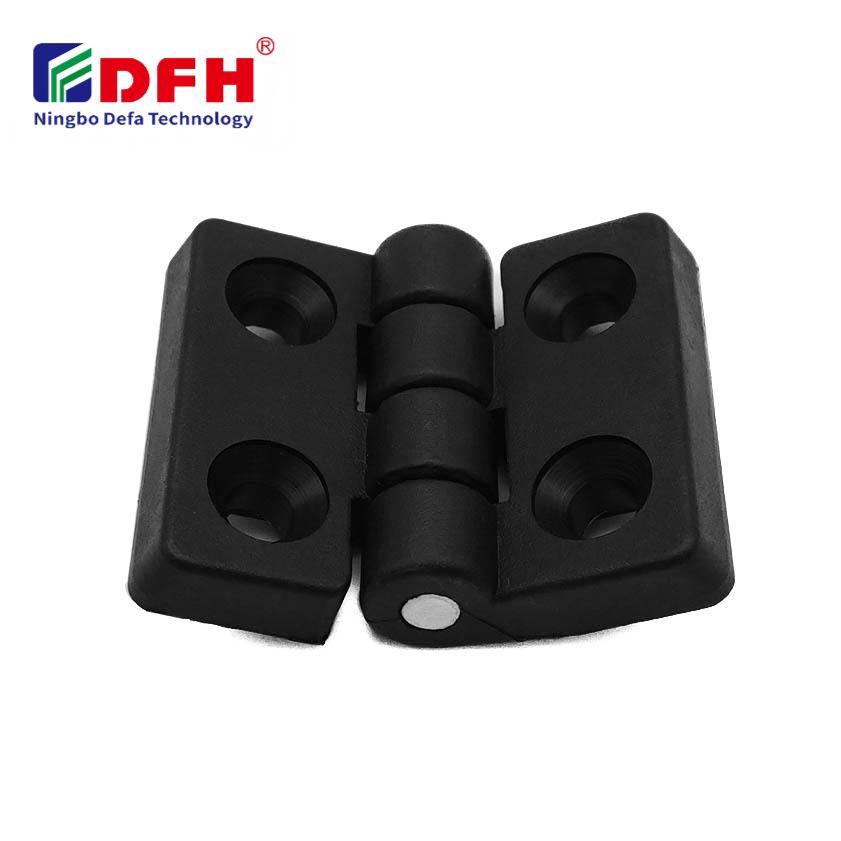
Hinges are among the most essential yet frequently overlooked functional components in industrial, commercial, and residential facilities. They play a vital role in securing doors, access panels, heavy machinery covers, and specialized storage cabinets. Performing routine hinge maintenance ensures that these critical access points open smoothly, align properly, and maintain structural integrity under continuous load. A well-serviced system guarantees long-term durability, whereas total neglect leads to premature mechanical wear, dangerous frame sagging, and expensive hardware replacement. Practicing systematic door hinge care and applying appropriate cabinet hinge lubrication prevents unwanted metal fatigue, reduces frictional wear, and eliminates costly facility downtime. Facilities that prioritize strategic pivot hinge maintenance ultimately achieve maximum industrial hinge longevity across all their entryways and operational equipment.
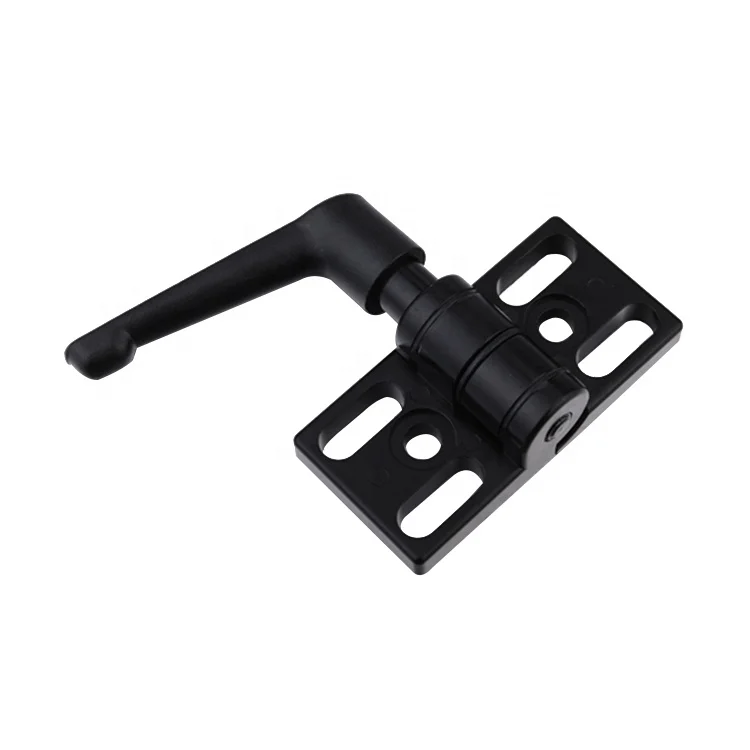
The overall service life of access hardware depends heavily on initial material quality, installation precision, environmental exposure, and consistent operational upkeep. High-traffic commercial buildings, coastal facilities, and manufacturing plants present severe challenges, including extreme temperature shifts, airborne dust, and high relative humidity. Applying dedicated hinge maintenance in these harsh environments protects internal pins and load-bearing surfaces from rapid degradation. Establishing clear protocols for door hinge care helps personnel identify early signs of wear before catastrophic structural failure occurs. Similarly, regular cabinet hinge lubrication keeps interior storage units operating without binding or squeaking. Understanding the nuances of pivot hinge maintenance enables facility managers to optimize load distribution and significantly enhance overall industrial hinge longevity.
Hardware components deteriorate due to predictable physical friction and environmental degradation. The primary cause of premature hardware failure is the severe lack of proper fluid barriers between interacting metal surfaces. When routine hinge maintenance is ignored, unmitigated friction creates micro-abrasions along internal pins, knuckle joints, and mounting plates. This frictional stress strips away protective coatings and allows atmospheric moisture to initiate internal oxidation. Diligent door hinge care stops rust before it permanently corrodes metal interfaces. Neglecting cabinet hinge lubrication in moist environments leads to frozen joints, stripped screw holes, and warped cabinet frames. Meanwhile, skipping scheduled pivot hinge maintenance under heavy loads creates uneven weight distribution that damages frame supports and degrades long-term industrial hinge longevity.
Improper mechanical installation and fastener over-tightening also cause sudden equipment failure. Technicians who apply excessive torque can distort mounting plates, crack surrounding substrate materials, and strip internal threads. Distorted mounting surfaces force internal pins to bear dynamic loads at unintended angles, accelerating localized structural wear. Incorporating careful alignment inspections into your standard hinge maintenance routine prevents unnecessary physical binding. Proper door hinge care requires verifying that door leaves sit completely flush against their frames. Additionally, applying cabinet hinge lubrication without cleaning away old dirt and metallic debris creates an abrasive paste that wears away metal. Correct pivot hinge maintenance ensures balanced weight support, protecting structural integrity and supporting maximum industrial hinge longevity.
Conducting visual inspections helps technicians spot mechanical issues long before hardware completely fails. Look closely for dark streak marks, reddish rust powder, or chalky white oxidation deposits around knuckle joints. These deposits indicate active metal deterioration that requires immediate hinge maintenance. Audible warning signs like squeaking, grinding, or clicking noises point directly to dry internal surfaces needing door hinge care. Inspecting storage units for misaligned doors or binding frames indicates an urgent need for cabinet hinge lubrication. Visible gaps between leaf plates and mounting frames signal loose fasteners or structural shifts. Addressing these early signs during scheduled pivot hinge maintenance prevents major operational disruptions and secures optimal industrial hinge longevity.
Applying proper fluid barriers is the cornerstone of effective hardware preservation. Equipment in standard climate-controlled offices should be serviced every three to six months, whereas high-traffic commercial barriers or outdoor industrial access points require monthly attention. Comprehensive hinge maintenance involves cleaning external surfaces before applying high-quality light machine oils, synthetic sprays, or dry PTFE lubricants. Proper door hinge care avoids heavy automotive greases, which attract airborne dust, wood shavings, and grit. Consistent cabinet hinge lubrication ensures smooth, quiet operation without leaving oily residues that attract dirt. Facilities that follow strict pivot hinge maintenance protocols eliminate internal binding, directly improving industrial hinge longevity.
For heavy-duty industrial applications, performing semi-annual deep-cleaning procedures is highly beneficial. Carefully remove central hinge pins using appropriate punches, wipe away contaminated grease using clean microfiber rags and mild solvents, and inspect pin surfaces for scoring or pitting. Thorough hinge maintenance removes trapped debris that causes premature joint binding. Reapplying fresh synthetic fluid during routine door hinge care restores original mechanical tolerances. Thoroughly wiping down storage hardware during cabinet hinge lubrication prevents dark residue from staining cabinet doors. Implementing thorough pivot hinge maintenance across high-use entryways protects critical pivot points, ensures smooth rotational movement, and guarantees reliable industrial hinge longevity.
Regular fastener maintenance prevents mounting hardware from backing out under repeated stress. Inspect all mounting screws, anchor bolts, and frame plates quarterly using properly sized hand tools or torque-limiting drivers. Including fastener checks in your standard hinge maintenance routine keeps door frames square and secure. Consistent door hinge care prevents loose screws from damaging wooden jambs or wall anchors. When performing cabinet hinge lubrication, check mounting plate screws to ensure doors remain properly aligned. Technicians carrying out pivot hinge maintenance must verify that floor anchors and top pivot brackets remain tightly secured. Maintaining correct fastener torque supports proper weight distribution and maximizes overall industrial hinge longevity.
If fasteners exhibit severe rust or thread damage during routine inspection, replace them immediately with matching grade stainless steel or zinc-plated alternatives. Applying anti-seize compound to stainless steel threads during hinge maintenance prevents thread galling and makes future disassembly easier. Incorporating thread inspection into ongoing door hinge care protects heavy door frames from hidden damage. Timely fastener replacements during cabinet hinge lubrication keep cabinet doors hanging evenly. Diligent fastener checks during pivot hinge maintenance maintain system geometry, prevent structural sagging, and protect long-term industrial hinge longevity.
Selecting corrosion-resistant materials and protective coatings is essential in humid, chemical, or coastal environments. Upgrading to 304 or 316-grade stainless steel hardware provides natural resistance against atmospheric moisture and chemical fumes. Integrating protective material assessments into facility hinge maintenance reduces long-term replacement costs. Outdoor door hinge care benefits greatly from clear protective lacquers or specialty waxes that seal exposed metal against salt spray. Using corrosion-resistant hardware for cabinet hinge lubrication schedules prevents unsightly rust stains inside commercial kitchens and laboratories. Establishing clear corrosion defense steps during pivot hinge maintenance protects outdoor gates and heavy entryways, directly extending industrial hinge longevity.
Precise physical alignment during initial installation is critical to long-term hardware success. Misaligned leaves force pins to bend and bind, causing uneven friction and rapid mechanical failure. Verifying proper leaf clearance during routine hinge maintenance stops minor frame settling from causing major hardware binding. Professional door hinge care utilizes precision shims to restore square alignment whenever door frames shift. Checking door alignment during cabinet hinge lubrication keeps doors closing flush without stressing concealed hinges. Precise alignment checks during pivot hinge maintenance ensure floor pivots bear weight vertically without side-loading. Correct installation practices ultimately maximize industrial hinge longevity.
Standard hinge maintenance should be performed every 3 to 6 months in moderate environments. High-traffic commercial entryways, manufacturing plants, and outdoor gates require monthly door hinge care to prevent premature wear. Storage areas benefit from bi-annual cabinet hinge lubrication, while heavy entry doors need quarterly pivot hinge maintenance to protect industrial hinge longevity.
Light synthetic machine oils, dry PTFE sprays, and silicone-based lubricants are ideal for routine hinge maintenance. These fluids penetrate narrow pin gaps without attracting dirt. Avoid thick sticky greases during door hinge care and cabinet hinge lubrication. Using proper clean lubricants during pivot hinge maintenance prevents abrasive paste buildup and ensures outstanding industrial hinge longevity.
Light surface rust can be cleaned using fine wire brushes, rust converters, and fresh protective oil during regular hinge maintenance. However, if corrosion causes deep metal pitting or structural deformation, perform prompt replacement as part of your door hinge care. Replacing worn hardware during cabinet hinge lubrication or pivot hinge maintenance ensures facility safety and preserves overall industrial hinge longevity.
2026/09/30
Source aluminum profiles for versatile modular framing. Learn extrusion mechanics, strength benefits & corrosion resistance. Request details.
2026/09/30
Source aluminum profiles for construction projects. Learn structural framing, cladding & window benefits for maximum ROI. Download guide.
2026/09/30
Source optimal aluminum profile sizing techniques. Evaluate load, space, alloy, environment & cost factors to prevent deflection. Download guide.
2026/09/30
Struggling with fastener failures or rework? Master screw sizing by diameter, pitch, material, and load—plus industry-specific standards. Optimize reliability & compliance now.
2026/09/30
Source aluminum profiles for industrial engineering. Discover strength-to-weight ratios, corrosion resistance & 30% cost savings. Download guide.
2026/09/30
Source heat-resistant aluminum profile systems. Master thermal expansion science & stress management strategies for industrial builds. Download guide.