EN
EN
What is Aluminum Profile and How Does It Work?
2026/09/30
Source aluminum profiles for versatile modular framing. Learn extrusion mechanics, strength benefits & corrosion resistance. Request details.

2026/09/18
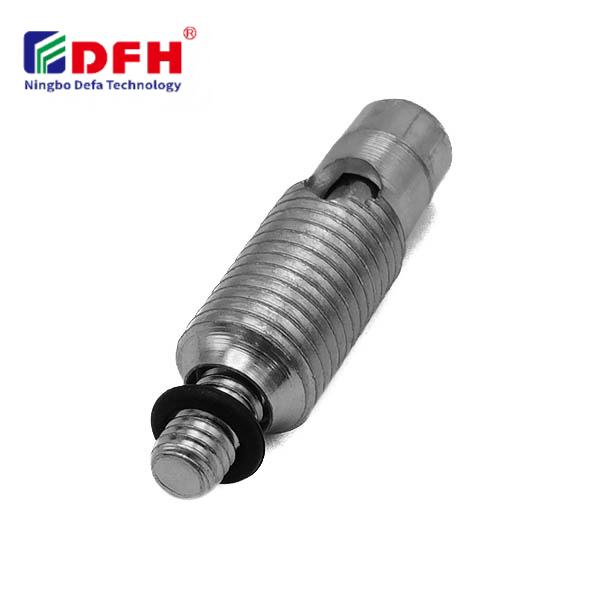
Inner connectors are critical components in modular assembly systems, enabling secure connections between aluminum profiles and structural frameworks. Proper maintenance of inner connectors directly impacts the durability, reliability, and cost-effectiveness of your industrial equipment. Without consistent care, these internal fasteners can deteriorate, leading to equipment failure, downtime, and costly replacements. This guide provides actionable maintenance strategies to keep your inner connectors performing optimally throughout their operational lifecycle.
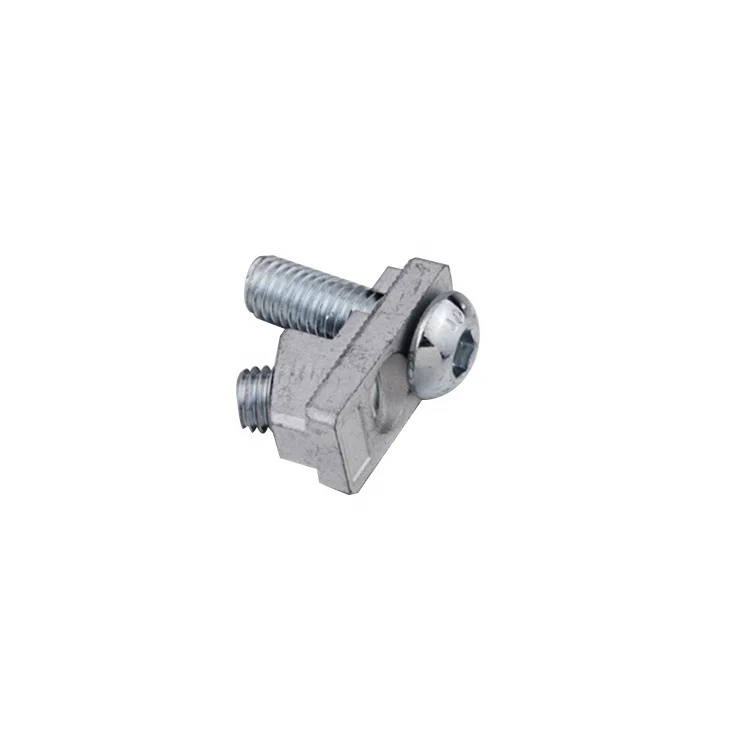
Maintaining inner connectors requires a systematic approach that combines regular inspection, preventive cleaning, and proper storage protocols. Industrial environments expose profile connection systems to dust, moisture, temperature fluctuations, and mechanical stress. Understanding how these factors affect your slot mounting hardware ensures you can implement targeted maintenance routines that prevent premature wear and maintain structural integrity over time.
Inner connectors form the backbone of modular assembly systems, transferring loads and maintaining alignment across multiple profile connection systems. When internal fasteners accumulate dirt, corrosion, or mechanical damage, their load-bearing capacity diminishes. This degradation compromises equipment safety and precision. Regular maintenance preserves the mechanical properties of slot mounting hardware, prevents unexpected failures, and extends replacement cycles by years. For manufacturing operations, this translates directly to reduced maintenance costs and improved production reliability.
Industrial environments present multiple threats to inner connectors. Moisture promotes corrosion on metal surfaces, particularly in steel-based internal fasteners exposed to humidity or washdown operations. Dust accumulation creates abrasive particles that accelerate wear on connecting surfaces. Temperature cycling can cause material expansion and contraction, loosening connections and introducing micro-movements that damage precision fits. Profile connection systems operating in harsh conditions require more aggressive maintenance schedules to counteract these environmental stresses effectively.
Cleaning inner connectors begins with gentle removal of surface contaminants. Use compressed air to blow away loose dust from accessible connector areas without disassembly whenever possible. For stubborn deposits, slightly dampened microfiber cloths remove grime safely. Avoid high-pressure water jets that can force moisture into connector cavities. For profile connection systems in food processing or pharmaceutical environments, validate that cleaning agents are compliant with industry standards. After wet cleaning, immediately dry all internal fasteners to prevent moisture entrapment that accelerates corrosion.
Systematic inspection identifies problems before they cause equipment failure. During maintenance cycles, examine inner connectors for visible corrosion, discoloration, or pitting on metal surfaces. Check for mechanical damage such as bent threads, cracked mounting points, or deformation. Test the tension of slot mounting hardware connections using calibrated torque wrenches to ensure fasteners remain within specification. Document all findings to establish baseline data, allowing you to predict remaining service life and schedule replacements proactively. This documentation also helps identify recurring problems that may indicate deeper assembly design issues.
Storing spare inner connectors correctly prevents degradation before installation. Keep internal fasteners in climate-controlled environments where humidity remains between 30 and 50 percent. Store profile connection systems in sealed containers with desiccant packets to manage moisture exposure. Avoid storing slot mounting hardware in areas subject to direct sunlight, which can degrade protective coatings. Organize inventory by connector type and track storage duration, as extended storage can cause surface oxidation even in controlled environments. Implement a first-in-first-out rotation system to ensure older stock gets used before expiration.
Many industrial inner connectors receive protective coatings that prevent corrosion and reduce friction. Inspect these coatings regularly for chips, cracks, or complete removal. Light lubrication with appropriate industrial oils can extend the life of internal fasteners by reducing wear and protecting against moisture. Apply lubricants sparingly to profile connection systems, as excess oil attracts dust and creates maintenance challenges. For slot mounting hardware in food or pharmaceutical settings, verify that any lubrication complies with food-grade specifications. Reapply protective coatings or lubricants during major maintenance intervals to restore protective barriers compromised by operational wear.
Develop maintenance schedules based on operating environment severity, equipment load, and manufacturer recommendations. Light-duty applications may require quarterly inspection of inner connectors, while harsh industrial environments warrant monthly checks. Profile connection systems experiencing vibration should be inspected more frequently, as mechanical movement accelerates wear on slot mounting hardware. Track maintenance activities using computerized management systems to identify patterns and optimize inspection intervals. This data-driven approach prevents over-maintenance while ensuring internal fasteners receive adequate attention.
Inner connectors typically fail through corrosion, fatigue fracture, thread stripping, or loss of preload tension. Corrosion prevention requires moisture control and periodic recoating of profile connection systems. Fatigue failure occurs when slot mounting hardware experiences repetitive loading beyond design limits; prevent this by verifying equipment stays within rated specifications. Thread stripping results from over-torquing or repeated assembly-disassembly; maintain proper torque specifications and replace damaged internal fasteners immediately. Loss of preload often indicates loosening caused by vibration; apply thread-locking compounds during reassembly to secure critical connections.
Inspection frequency depends on your operating environment. Standard industrial applications benefit from quarterly inspections, while harsh environments with moisture, dust, or vibration warrant monthly checks. High-speed or heavy-load equipment may require even more frequent monitoring. Establish a baseline schedule, then adjust based on observed wear patterns and your specific operational demands. Document all inspections to identify whether your frequency is appropriate or needs adjustment.
Mild detergents with water and soft brushes safely clean most inner connectors and slot mounting hardware. Avoid harsh chemicals, strong solvents, or corrosive cleaners that damage protective coatings on internal fasteners. For specialized environments such as food processing, pharmaceutical, or cleanroom operations, verify that any cleaning agent meets industry-specific standards and won't compromise product integrity. Always dry equipment thoroughly after wet cleaning to prevent moisture-related corrosion.
Lubrication improves performance and reduces friction on inner connectors, but maintenance requires a comprehensive approach. Proper lubrication of profile connection systems and slot mounting hardware works best when combined with regular cleaning, inspection, environmental control, and protective coating maintenance. Lubrication alone cannot prevent corrosion in wet environments or compensate for mechanical damage. A holistic maintenance strategy addressing multiple factors ensures maximum longevity and reliability of your internal fasteners.
2026/09/30
Source aluminum profiles for versatile modular framing. Learn extrusion mechanics, strength benefits & corrosion resistance. Request details.
2026/09/30
Source aluminum profiles for construction projects. Learn structural framing, cladding & window benefits for maximum ROI. Download guide.
2026/09/30
Source optimal aluminum profile sizing techniques. Evaluate load, space, alloy, environment & cost factors to prevent deflection. Download guide.
2026/09/30
Struggling with fastener failures or rework? Master screw sizing by diameter, pitch, material, and load—plus industry-specific standards. Optimize reliability & compliance now.
2026/09/30
Source aluminum profiles for industrial engineering. Discover strength-to-weight ratios, corrosion resistance & 30% cost savings. Download guide.
2026/09/30
Source heat-resistant aluminum profile systems. Master thermal expansion science & stress management strategies for industrial builds. Download guide.