EN
EN
What is Aluminum Profile and How Does It Work?
2026/09/30
Source aluminum profiles for versatile modular framing. Learn extrusion mechanics, strength benefits & corrosion resistance. Request details.

2026/09/28
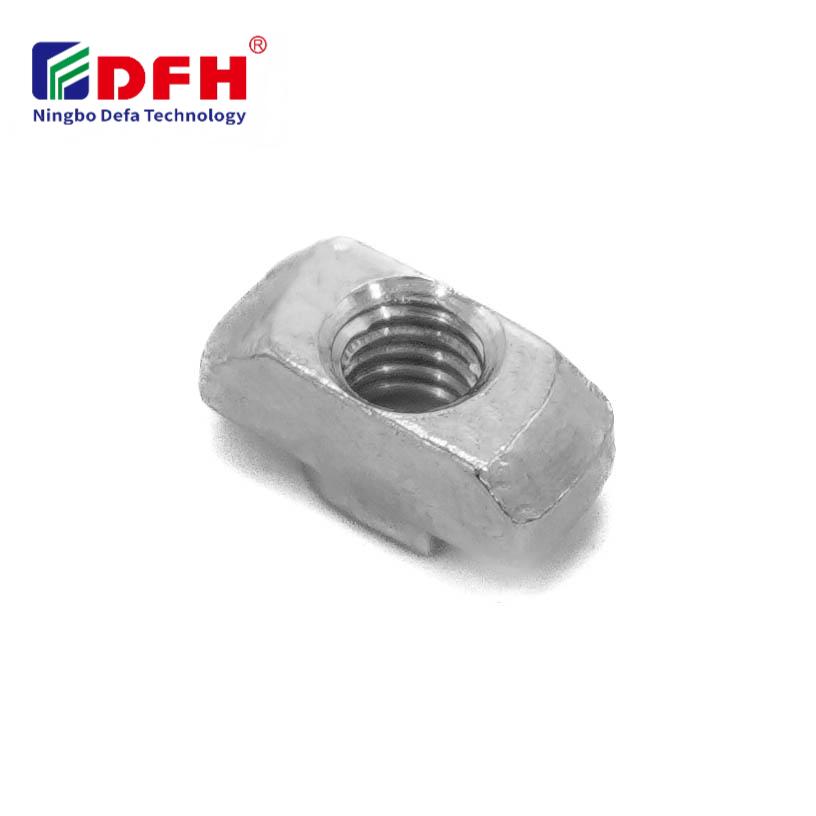
Installing a T Nut correctly is essential for creating reliable connections in aluminum profiles, machinery assemblies, and modular framing systems. Despite their straightforward appearance, T Nut installation errors occur frequently in industrial and manufacturing environments, leading to loose connections, assembly failures, and expensive rework. Understanding the most common mistakes can save time, reduce material waste, and ensure structural integrity in critical applications. This guide identifies the key pitfalls that technicians, engineers, and assembly teams encounter during T Nut installation and provides practical solutions to prevent them.
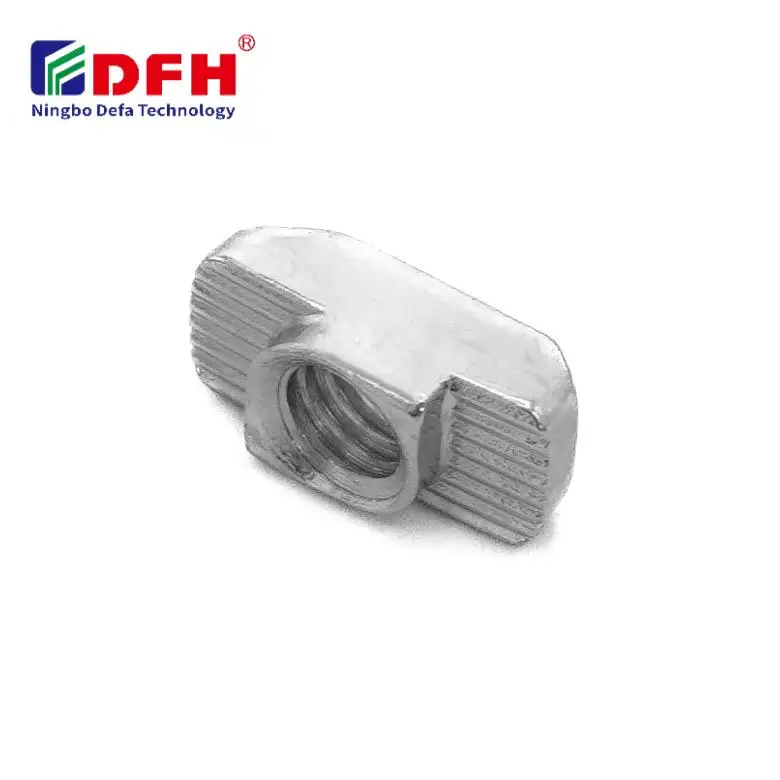
The threaded insert function of a T Nut depends entirely on proper seating, alignment, and fastening technique. When installation procedures are rushed or poorly understood, the fastening hardware fails to perform as designed, compromising the entire assembly. This article explores the most frequent T Nut installation mistakes, the consequences of each error, and proven methods to achieve correct installation every time. By learning these principles, teams can improve assembly quality, reduce downtime, and extend the service life of their equipment.
One of the most overlooked installation errors is failing to clean the slot nut assembly channel before inserting the T Nut. Dirt, dust, metal shavings, and oxide residue accumulate in aluminum profile slots during storage, handling, or previous assembly work. These contaminants prevent the T Nut from seating flush against the slot walls, creating gaps that allow lateral movement and rotation under load. Proper slot nut assembly preparation requires brushing or compressed air cleaning before any T Nut insertion. This basic step is quick but critical, as contamination undermines all subsequent installation steps.
Another common mistake is installing a T Nut without first confirming that the slot dimensions match the fastening hardware specifications. Aluminum profiles come in various slot widths and depths, and each T Nut model is designed for a specific slot profile. Using an incorrectly sized T Nut leaves it too loose or forces it into the slot with excessive pressure, both of which cause misalignment. Before beginning assembly, measure the slot opening and cross-reference it with the T Nut product documentation. This verification takes seconds and prevents the frustration of discovering incompatibility mid-assembly.
The threaded insert at the core of the T Nut requires careful bolt engagement to function properly. A frequent mistake is inserting the bolt at an angle or with insufficient initial straightness, which causes cross-threading. Cross-threading damages the internal threads of the threaded insert, making it impossible to achieve proper torque or creating a loose connection that fails under vibration. Always start bolt insertion perpendicular to the T Nut face and thread by hand for the first few turns to ensure straight alignment. Once hand-threading feels smooth and aligned, mechanical torque can be applied safely.
Over-tightening is one of the most damaging installation mistakes. Many technicians tighten bolts until they feel strong resistance, assuming that maximum force ensures maximum security. This approach strips the threaded insert threads, leaving the bolt loose despite appearance of firmness. The fastening hardware loses its holding capacity, and the joint fails when subjected to vibration, thermal cycling, or dynamic loads. Instead, apply torque gradually to the specified value using a calibrated torque wrench. For T Nuts in aluminum profiles, moderate and consistent torque provides both security and thread longevity.
When multiple T Nuts are installed along a single slot, spacing errors frequently occur. Placing them too close together reduces the structural rigidity of the assembly and concentrates stress at specific points rather than distributing load evenly. Insufficient spacing also makes removal difficult if maintenance or reconfiguration becomes necessary. Industry practice recommends maintaining minimum spacing of at least one slot width between adjacent T Nuts when possible. This simple guideline improves load distribution, facilitates future adjustments, and reduces failure risk in the slot nut assembly.
The orientation of the T Nut within the slot significantly affects performance, yet many installers give this step insufficient attention. Each T Nut design has a specific orientation that positions the threaded insert for optimal load handling. Installing the T Nut upside down, rotated incorrectly, or with the bolt hole facing the wrong direction compromises its load-bearing capacity and may cause the entire fastening hardware system to fail. Reference the installation diagram provided with the T Nut product before beginning work. Verifying orientation takes only seconds but prevents complete assembly failure.
If a T Nut is stuck in the slot, apply a small amount of penetrating oil to loosen corrosion or adhesive buildup, then gently tap the nut with a rubber mallet to break the bond. Do not strike hard or use excessive force, as this may damage the nut or slot walls. Once movement begins, slide the T Nut out slowly while maintaining light pressure. If the bolt remains inside the threaded insert, back it out fully before attempting removal. Future installations should include dry graphite lubricant or PTFE tape on the sliding surfaces to prevent sticking.
A damaged threaded insert typically shows these signs: the bolt spins freely without tightening, the bolt suddenly drops deeper into the hole without resistance, or a grinding or cracking sound occurs during threading. If you encounter any of these symptoms, stop immediately and remove the bolt. Attempt to re-thread the bolt by hand to confirm the issue. If the problem persists, the threaded insert is damaged and the T Nut must be replaced. This is why starting installation with hand-threading and avoiding excessive torque prevents damage in the first place.
T Nuts are profile-specific and should not be mixed between different slot systems. A T Nut designed for 4040 aluminum profile will not fit properly in 4545 or 2020 slots, leading to misalignment or loose fastening hardware connection. Always verify that your slot nut assembly and T Nut specifications match exactly before installation. Cross-compatibility may exist between certain profile families, but this should never be assumed. Checking the product documentation takes moments and ensures your fastening hardware performs reliably throughout its service life.
2026/09/30
Source aluminum profiles for versatile modular framing. Learn extrusion mechanics, strength benefits & corrosion resistance. Request details.
2026/09/30
Source aluminum profiles for construction projects. Learn structural framing, cladding & window benefits for maximum ROI. Download guide.
2026/09/30
Source optimal aluminum profile sizing techniques. Evaluate load, space, alloy, environment & cost factors to prevent deflection. Download guide.
2026/09/30
Struggling with fastener failures or rework? Master screw sizing by diameter, pitch, material, and load—plus industry-specific standards. Optimize reliability & compliance now.
2026/09/30
Source aluminum profiles for industrial engineering. Discover strength-to-weight ratios, corrosion resistance & 30% cost savings. Download guide.
2026/09/30
Source heat-resistant aluminum profile systems. Master thermal expansion science & stress management strategies for industrial builds. Download guide.