EN
EN
What is Aluminum Profile and How Does It Work?
2026/09/30
Source aluminum profiles for versatile modular framing. Learn extrusion mechanics, strength benefits & corrosion resistance. Request details.

2026/09/09
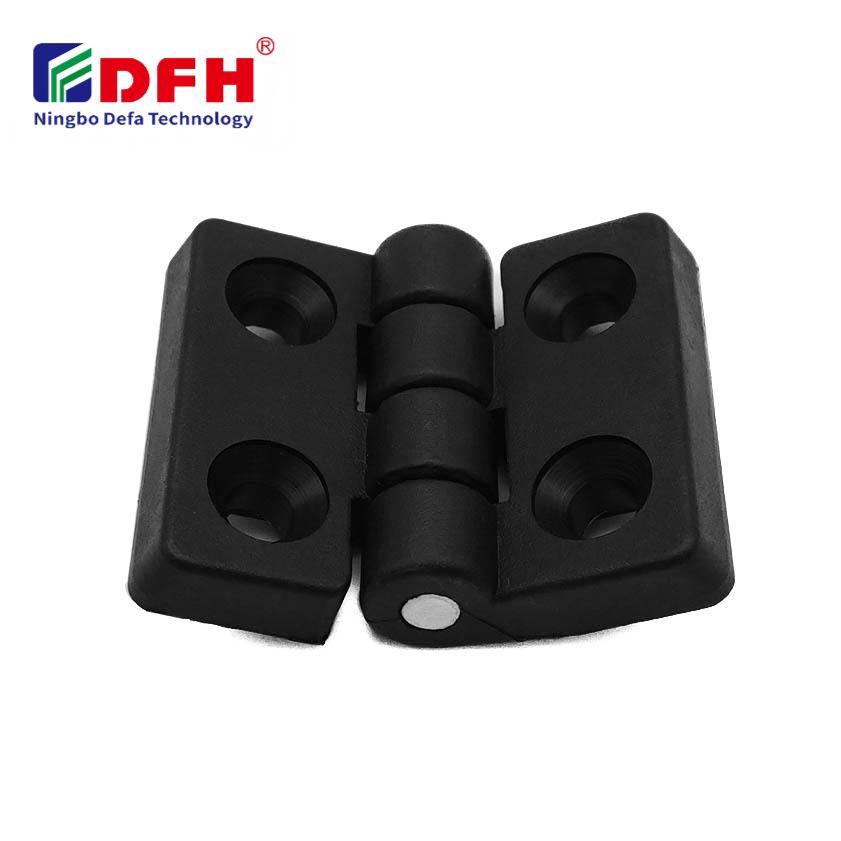
Selecting the right hinge size is one of the most critical decisions in any door or cabinet installation project. A properly sized hinge ensures smooth operation, extends equipment lifespan, and prevents costly failures. Whether you're working with standard residential doors, heavy-duty commercial installations, or precision cabinet systems, understanding how to choose the correct hinge dimensions directly impacts project success and long-term performance.
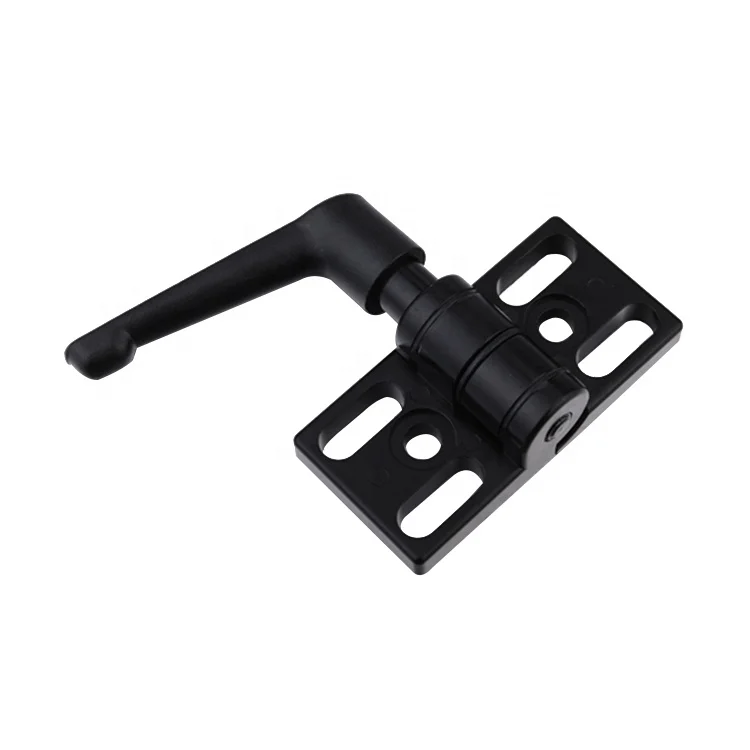
The process of selecting a hinge involves evaluating multiple factors beyond simple measurements. Weight capacity, material composition, installation environment, and frequency of use all play essential roles in determining whether a specific hinge will perform reliably. This comprehensive guide walks you through the essential considerations and practical methods to identify and specify the correct hinge for your unique application requirements.
The primary factor in hinge selection is calculating the total load that the hinge must support. For a door hinge, this means the combined weight of the door panel itself plus any additional fixtures, hardware, or materials attached to it. Manufacturers typically provide rated load capacities for each hinge model, expressed in pounds or kilograms. You must never exceed the maximum specified load rating, as doing so creates safety hazards and accelerates wear. A door hinge rated for 100 pounds should not support a 150-pound door, regardless of how sturdy the hinge appears.
Cabinet hinges operate under different load distributions than door hinges, since the weight is typically distributed across multiple hinge points and the opening motion differs. When selecting a cabinet hinge, distribute the total cabinet weight across the number of hinges you plan to install. If a cabinet weighs 80 pounds and you use four cabinet hinges, each hinge must support approximately 20 pounds. Industrial and commercial applications may require even more conservative sizing to account for repeated use cycles and potential impact loading.
Hinge dimensions directly affect installation feasibility and operational clearance. Standard measurements include leaf height, leaf width, and pin diameter. Leaf height determines how much of the door frame and door panel the hinge occupies vertically. Leaf width affects horizontal clearance and mounting surface area. The pin diameter influences the hinge's rotational smoothness and load-bearing capacity. When measuring your installation space, account for these dimensions plus any required clearance between the door and frame to prevent binding or collision during opening cycles.
A pivot hinge requires different spatial considerations than conventional butt hinges. Pivot hinges concentrate support at top and bottom points rather than distributing it across three or more locations, so the mounting surfaces must be substantially stronger. The hinge's overall projection from the door and frame must be verified against your clearance requirements. Always physically measure your installation space and verify that the proposed hinge dimensions will not interfere with walls, adjacent objects, or other hardware elements.
The material used in a hinge directly affects durability, cost, and suitability for specific environments. Steel hinges offer excellent strength and load capacity but require protective finishes to resist corrosion in moist or corrosive atmospheres. Stainless steel hinges provide superior corrosion resistance and are preferred in coastal, industrial, or wet environments where standard steel would fail. Brass and bronze hinges deliver aesthetic appeal and natural corrosion resistance but may have lower load capacities than steel alternatives. Your choice of hinge material should align with your installation environment and long-term maintenance expectations.
For a cabinet hinge in a standard indoor kitchen, powder-coated steel typically provides adequate durability and cost-effectiveness. However, if that same cabinet hinge is installed in a laboratory, food processing facility, or outdoor storage structure, stainless steel becomes the more appropriate choice despite higher material costs. The door hinge selected for an industrial warehouse differs substantially from a residential entry hinge due to exposure conditions, frequency of use, and the consequences of premature failure. Environmental durability directly impacts total cost of ownership.
High-frequency use environments demand hinges rated for extended cycle life and rapid operation. A residential main entry door opens perhaps 20 times daily, while a commercial kitchen pass-through door might cycle hundreds of times per shift. Each cycle places stress on the hinge pin and bearing surfaces, causing gradual wear. Selecting a hinge rated for the actual expected usage prevents premature loosening, noise development, and eventual failure. Manufacturers provide cycle ratings for premium hinges designed for heavy-duty applications, and you should match these ratings to your expected usage patterns.
The operating environment also influences hinge selection beyond material considerations. Extreme temperature swings cause metal expansion and contraction, potentially loosening fasteners over time. Vibration-prone environments such as factory floors near heavy machinery require hinges with secure fastening mechanisms and possibly thread-locking compounds. Humidity, salt spray, or chemical exposure all narrow the range of suitable hinge materials and finishes. Taking time to fully characterize your operating conditions prevents expensive replacement projects and unplanned downtime.
Begin your hinge selection process by gathering precise measurements of your door or panel, frame dimensions, and available mounting space. Weigh the door or cabinet accurately to determine load requirements. Identify the mounting surface material, condition, and load-bearing capacity since a lightweight hinge can fail if mounted to weak or damaged framing. Document the installation environment, including temperature range, humidity levels, and exposure to corrosive materials. This comprehensive baseline data ensures that your selected hinge specifications match actual field requirements rather than generic assumptions.
Next, consult the technical specifications provided by hinge manufacturers. Cross-reference your load calculations, dimensional requirements, and environmental conditions against available hinge models. Modern manufacturers provide detailed data sheets showing rated capacities, material composition, finish options, and performance characteristics. A door hinge selection might narrow down to two or three candidate models that all meet your basic requirements. At this stage, consider secondary factors such as adjustment capabilities, maintenance accessibility, and long-term availability of replacement parts.
Once you've selected a specific hinge model, verify that your installation meets all manufacturer recommendations for mounting hardware, fastener specifications, and spacing. Under-torquing fasteners causes the hinge to loosen under operational stress, while over-torquing can strip threads or warp mounting surfaces. The cabinet hinge you select should include clear installation instructions detailing proper fastener types, sizes, and torque values. Before full-scale installation, conduct a test installation on a single door or cabinet panel to confirm smooth operation and proper alignment.
Monitor installed hinges periodically during initial operation to detect any unexpected wear, noise, or misalignment issues. Pivot hinge installations particularly benefit from post-installation verification since these specialized fasteners concentrate all load at two points. Document the installation date, hinge specifications, and environmental conditions for future reference. This systematic approach to hinge selection and verification minimizes performance failures and extends the working life of your installed equipment. Proper sizing protects your investment and ensures reliable operation across the complete service life of your doors and cabinets.
The correct door hinge size depends on the weight of your door, the dimensions of your frame and door panel, the mounting surface material, your installation environment, and expected usage frequency. Measure the door weight accurately and verify the load rating of potential hinge models. Measure frame and door dimensions to confirm that the hinge will fit properly without interference. Assess environmental conditions such as temperature, humidity, and corrosion potential to select appropriate materials and finishes. Finally, match the hinge cycle rating to your expected usage pattern.
Determine the total weight of your cabinet using an accurate scale. Divide this weight by the number of hinges you plan to install to calculate the load per hinge. Most cabinet hinges should not exceed 50% of their rated capacity during normal operation to allow for impact loading and wear tolerance. For example, if your cabinet weighs 120 pounds and you plan to install three cabinet hinges, each hinge should be rated for at least 50 pounds to maintain a comfortable safety margin. Always consult the manufacturer's specifications for the specific hinge model you are considering.
Residential hinges are typically rated for 5,000 to 10,000 cycles, while commercial and industrial hinges often support 100,000 cycles or more. A door hinge designed for residential use will deteriorate rapidly if installed in a high-traffic commercial facility. Additionally, commercial applications often involve more demanding environmental conditions, heavier doors, or specialized hardware requirements that exceed residential hinge capabilities. Consult manufacturers for commercial-grade specifications if your installation will experience heavy use, extreme environmental exposure, or critical reliability requirements. Using undersized hinges in demanding applications creates safety hazards and results in premature failures requiring expensive replacement and downtime.
2026/09/30
Source aluminum profiles for versatile modular framing. Learn extrusion mechanics, strength benefits & corrosion resistance. Request details.
2026/09/30
Source aluminum profiles for construction projects. Learn structural framing, cladding & window benefits for maximum ROI. Download guide.
2026/09/30
Source optimal aluminum profile sizing techniques. Evaluate load, space, alloy, environment & cost factors to prevent deflection. Download guide.
2026/09/30
Struggling with fastener failures or rework? Master screw sizing by diameter, pitch, material, and load—plus industry-specific standards. Optimize reliability & compliance now.
2026/09/30
Source aluminum profiles for industrial engineering. Discover strength-to-weight ratios, corrosion resistance & 30% cost savings. Download guide.
2026/09/30
Source heat-resistant aluminum profile systems. Master thermal expansion science & stress management strategies for industrial builds. Download guide.