EN
EN
What is Aluminum Profile and How Does It Work?
2026/09/30
Source aluminum profiles for versatile modular framing. Learn extrusion mechanics, strength benefits & corrosion resistance. Request details.

2026/09/17
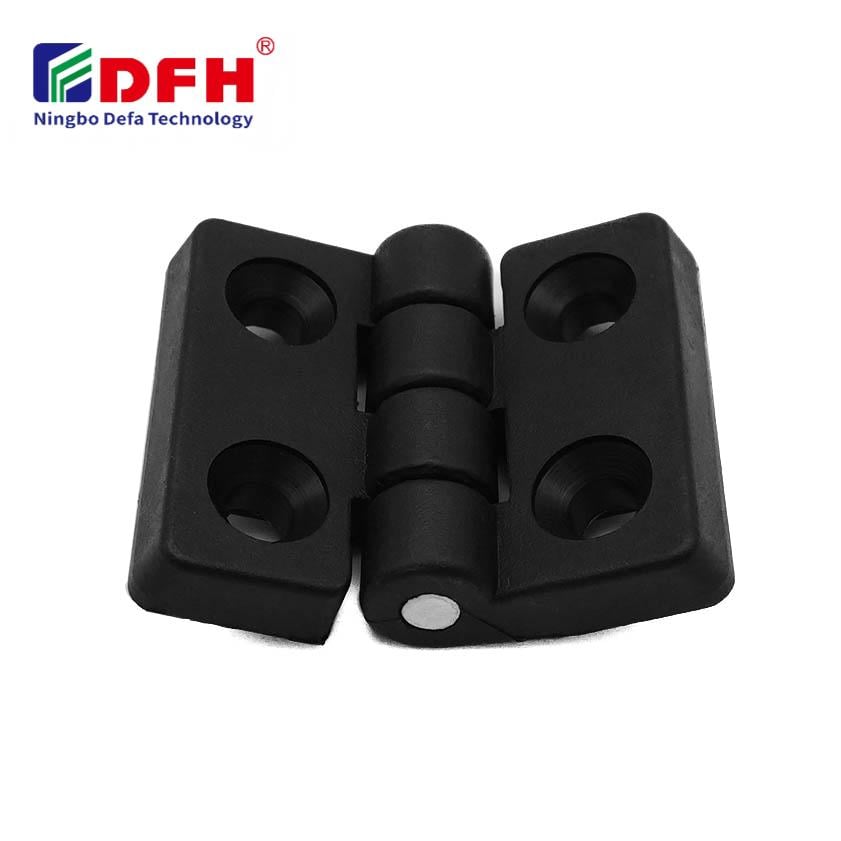
Choosing the right material for leveling feet is essential for stability, durability, and performance across diverse applications. Whether you need furniture leveling feet for home use or industrial leveling feet for heavy machinery, the material composition directly affects how well your equipment functions on uneven surfaces. Different materials offer distinct advantages in terms of load capacity, floor protection, environmental resistance, and cost-effectiveness. Understanding which materials work best for your specific situation ensures you select leveling feet that will deliver reliable performance over time.
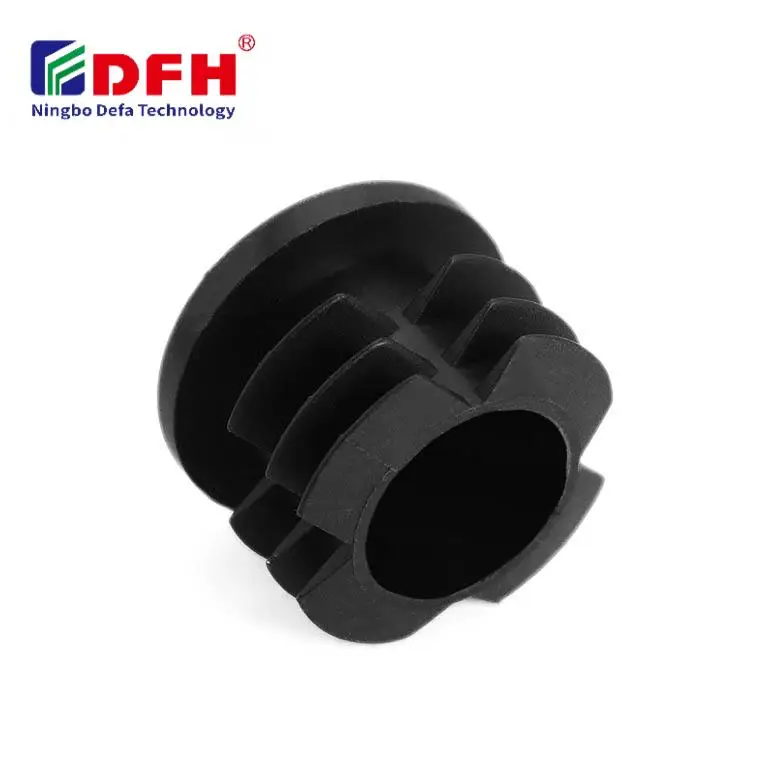
The material selection for adjustable leveling feet depends on multiple factors, including the type of surface they will contact, the weight they must support, environmental conditions, and budget constraints. Industrial leveling feet designed for factory equipment require different material properties than furniture leveling feet intended for lightweight residential use. This guide examines the most common and effective materials used in leveling feet, their performance characteristics, and how to match them to your application requirements.
Plastic and polymer-based leveling feet are among the most widely used options in the market today. These materials offer excellent corrosion resistance, making them ideal for environments where moisture or chemical exposure is a concern. Plastic leveling feet are lightweight, affordable, and easy to install, which explains their popularity in furniture leveling feet applications. The non-marking properties of quality plastic means these feet protect flooring from scratches and discoloration, a critical factor for hardwood floors, tile, and finished surfaces.
Adjustable leveling feet made from reinforced polymers can support moderate loads effectively while maintaining affordability. These materials excel in indoor environments where temperature fluctuations are minimal and humidity remains relatively stable. Plastic leveling feet perform particularly well in office furniture, laboratory equipment, and light to medium industrial applications. However, plastic has lower load-bearing capacity compared to metal alternatives, so understanding the weight specifications is crucial before selecting plastic feet for your equipment.
Rubber-based leveling feet provide exceptional grip and vibration damping characteristics, making them particularly valuable for equipment that generates noise or movement. Industrial leveling feet constructed from high-quality rubber maintain their integrity across temperature extremes and resist degradation from oils and solvents common in manufacturing environments. The natural flexibility of rubber materials absorbs shocks and vibrations, protecting both the equipment and surrounding infrastructure from damage caused by uneven floor contact.
Adjustable leveling feet with rubber components work exceptionally well in heavy machinery applications, where vibration isolation becomes critical for operational efficiency and worker safety. Furniture leveling feet incorporating rubber tips prevent sliding on smooth surfaces and protect delicate flooring from damage. The elasticity of rubber allows these feet to accommodate minor irregularities in floor surfaces without requiring full height adjustment, providing flexible stabilization across diverse installation scenarios. Rubber materials also resist chemical attack better than many polymer alternatives, extending service life in industrial settings.
Metal-based leveling feet, particularly those made from steel or stainless steel, represent the premium choice for heavy-duty industrial leveling feet applications. These materials deliver superior load-bearing capacity, allowing them to support equipment weighing several tons without deformation or failure. Industrial leveling feet constructed from stainless steel offer corrosion resistance in harsh environments, making them suitable for pharmaceutical manufacturing, food processing, and marine applications where standard steel would deteriorate rapidly. The rigidity of metal construction ensures precise leveling without flex or movement under load.
Steel leveling feet provide excellent value for long-term installations where durability justifies the higher initial cost. Adjustable leveling feet manufactured from aluminum alloys combine lightweight properties with reasonable strength, making them ideal for applications requiring both portability and structural integrity. Metal materials require protective coatings or material selection to prevent corrosion in wet environments, adding a maintenance consideration that plastic or rubber alternatives avoid. The weight of metal feet may complicate installation compared to lightweight plastic or rubber options, though this same weight often contributes to superior stability and longevity in demanding applications.
Modern adjustable leveling feet increasingly employ hybrid material systems that combine the advantages of multiple materials. A metal threaded insert paired with a rubber foot tip or plastic base represents a practical approach that balances load capacity, floor protection, and cost efficiency. These composite designs address the limitations of single-material feet by providing strength where needed for load bearing while incorporating protective materials for floor contact. Furniture leveling feet often use plastic bodies with rubber pads, delivering affordability alongside floor protection and grip characteristics.
Hybrid leveling feet designs allow manufacturers to specify different materials based on environmental requirements and application demands. Industrial leveling feet in food processing facilities might use stainless steel threaded components with specialized food-grade rubber pads to meet both structural and regulatory requirements. The flexibility of composite construction enables optimization for specific scenarios rather than forcing one-size-fits-all material compromises. This sophisticated approach to material selection ensures that adjustable leveling feet deliver peak performance across diverse operational contexts.
For outdoor applications, stainless steel or high-quality rubber materials provide superior weather resistance and durability. Plastic leveling feet may become brittle under intense UV exposure, while untreated steel will develop rust. Adjustable leveling feet designed specifically for outdoor use typically combine corrosion-resistant materials like stainless steel with weather-resistant rubber contact surfaces, ensuring long-term stability across seasonal temperature and humidity changes. This combination protects both the equipment and the investment in outdoor installations.
Metal industrial leveling feet suit heavy equipment requiring maximum load capacity and precision leveling, while plastic alternatives work well for lighter machinery in dry, controlled environments. Consider the equipment weight, environmental exposure to moisture or chemicals, and required longevity when making this decision. Adjustable leveling feet in critical manufacturing operations typically use metal construction to ensure reliability, whereas temporary or portable equipment may benefit from the cost savings and lightweight properties of plastic materials. Evaluate your specific operational demands rather than selecting based on material alone.
Yes, leveling feet materials significantly impact equipment stability, vibration isolation, floor protection, and operational longevity. Rubber-based materials provide superior vibration damping, while metal feet deliver maximum precision and load capacity. Furniture leveling feet made from plastic protect flooring but may flex under heavy loads, while industrial leveling feet with proper material selection prevent equipment movement and reduce noise. Choosing the appropriate material directly influences your equipment's reliability, safety, and lifespan in its specific operational environment.
2026/09/30
Source aluminum profiles for versatile modular framing. Learn extrusion mechanics, strength benefits & corrosion resistance. Request details.
2026/09/30
Source aluminum profiles for construction projects. Learn structural framing, cladding & window benefits for maximum ROI. Download guide.
2026/09/30
Source optimal aluminum profile sizing techniques. Evaluate load, space, alloy, environment & cost factors to prevent deflection. Download guide.
2026/09/30
Struggling with fastener failures or rework? Master screw sizing by diameter, pitch, material, and load—plus industry-specific standards. Optimize reliability & compliance now.
2026/09/30
Source aluminum profiles for industrial engineering. Discover strength-to-weight ratios, corrosion resistance & 30% cost savings. Download guide.
2026/09/30
Source heat-resistant aluminum profile systems. Master thermal expansion science & stress management strategies for industrial builds. Download guide.