EN
EN
What is Aluminum Profile and How Does It Work?
2026/09/30
Source aluminum profiles for versatile modular framing. Learn extrusion mechanics, strength benefits & corrosion resistance. Request details.
2026/09/07
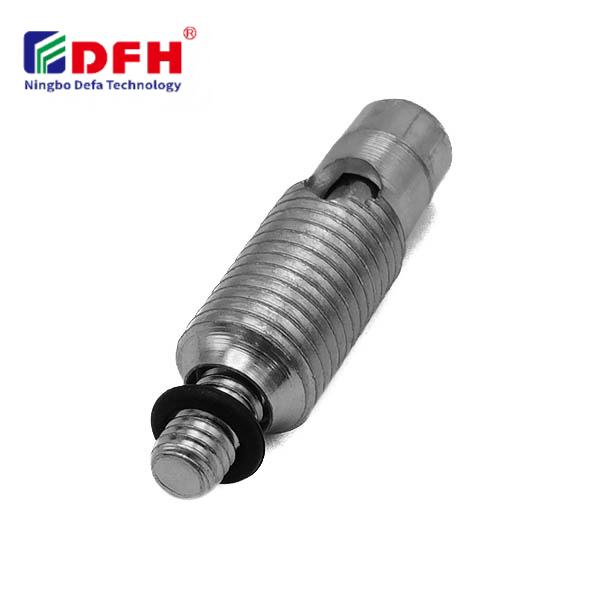
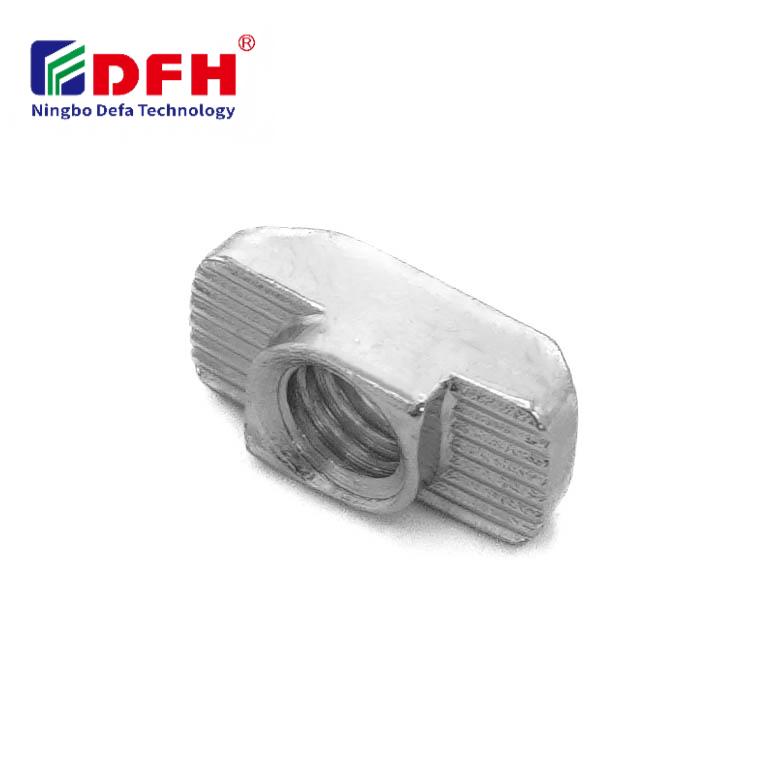
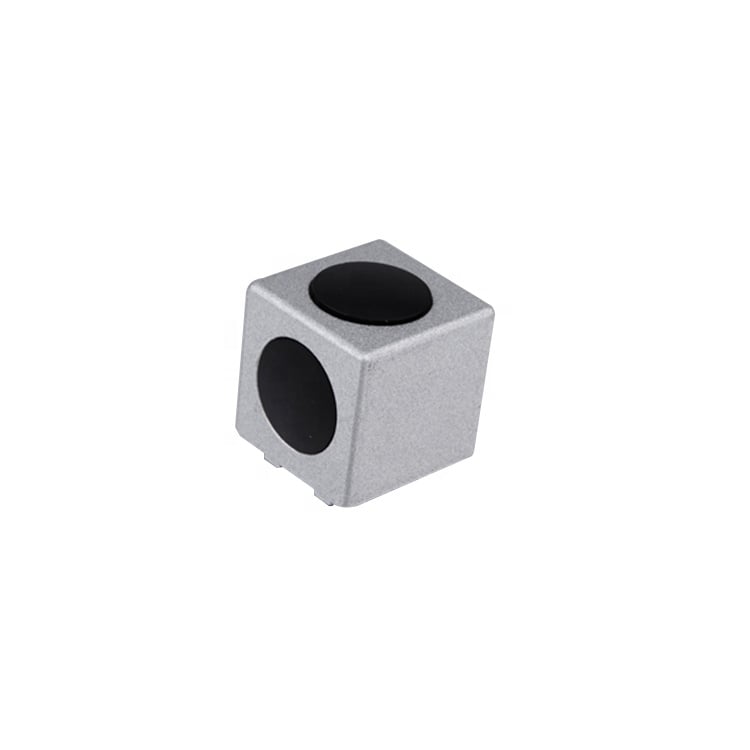
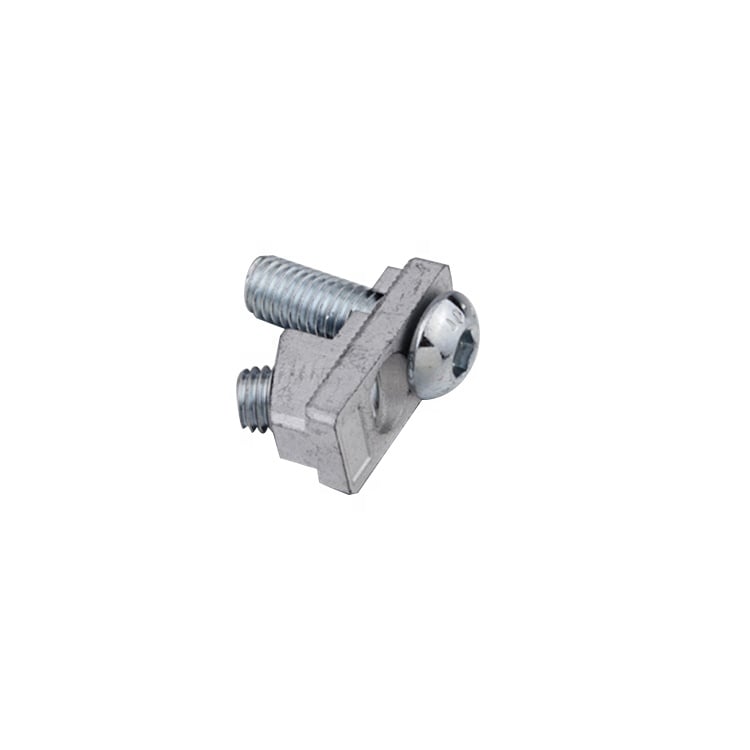
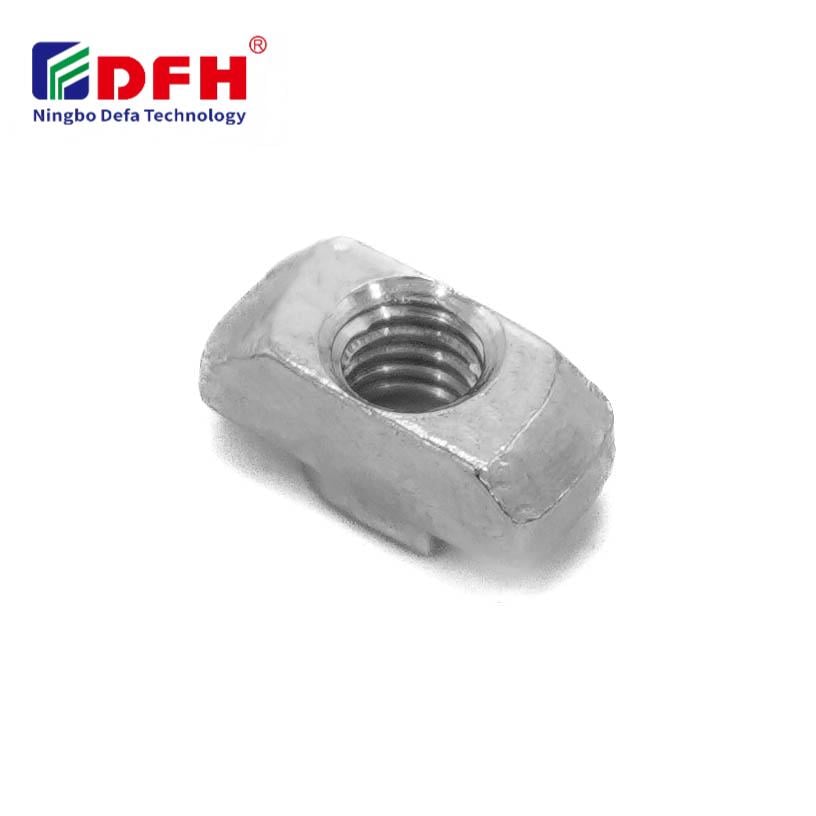
Inner connectors are essential mechanical components that form the backbone of modern structural assembly systems. These specialized pieces work within profile joint systems to create rigid, durable connections between aluminum profiles and other modular assembly components. Understanding how inner connectors function and their importance in industrial manufacturing helps engineers, designers, and procurement professionals select the right hardware for demanding applications. The quality and precision of inner connectors directly impact the stability, load capacity, and longevity of any assembled structure.
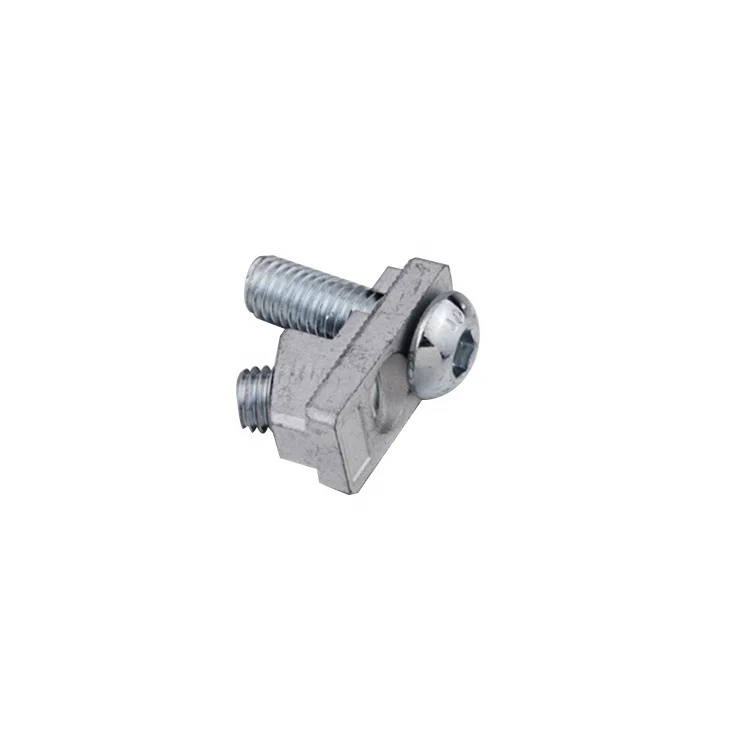
Inner connectors operate as the silent foundation of profile joint systems, working invisibly within assembly frameworks to distribute loads and maintain dimensional accuracy. Their design philosophy centers on creating seamless integration between modular assembly components without compromising structural performance. Whether applied in automation equipment, workstations, or industrial framing, inner connectors must meet strict tolerance requirements and material specifications. The effectiveness of internal connection hardware depends on precise engineering, proper installation, and material compatibility with adjacent structural elements.
Inner connectors are engineered with specific geometric profiles that align perfectly with standard aluminum slot widths and profile joint systems used across industrial applications. Their design incorporates precisely machined surfaces, strategic edge radii, and optimized material distribution to withstand repeated assembly and disassembly cycles without degradation. The internal connection hardware architecture includes rounded corners and smooth transitions that prevent stress concentration points, ensuring consistent performance across varying load conditions. Material selection for inner connectors typically involves high-strength alloys or precision-engineered steel components that deliver excellent corrosion resistance and structural reliability.
The engineering behind inner connectors reflects decades of industrial optimization. Profile joint systems depend on these components to transfer forces uniformly across modular assembly components without creating weak points or failure zones. Precision manufacturing tolerances ensure that each inner connector fits within the designated profile slot with minimal play, maintaining frame rigidity and preventing unwanted deflection. Quality manufacturers maintain dimensional consistency measured in fractions of millimeters, directly contributing to the overall stability and performance of assembled structures.
When forces are applied to a modular assembly, inner connectors function as primary load paths, distributing mechanical stress from one profile joint system component to another. The contact surfaces between the inner connector and the profile walls are engineered to maximize bearing area while minimizing stress concentration. This design approach allows modular assembly components to work collectively as a unified structure rather than individual, disconnected elements. The effectiveness of this load transmission directly determines the maximum safe working load and the structural reliability of the entire assembled framework.
Inner connectors utilize mechanical advantage through strategic geometry, positioning bearing surfaces at optimal angles and depths within profile joint systems. This positioning ensures that both vertical and lateral loads are captured efficiently, preventing rocking or movement that would compromise assembly integrity. The internal connection hardware design also accounts for thermal expansion and contraction cycles, maintaining adequate preload without over-constraining the modular assembly components and risking brittle failure.
Manufacturing facilities across diverse sectors rely on inner connectors and profile joint systems to construct dynamic work environments, automated equipment structures, and modular assembly components for production lines. Automotive assembly plants use inner connectors within aluminum framing to create flexible workstations that adapt to changing production requirements. Food and beverage industries depend on modular assembly components connected by internal connection hardware to build sanitary production frameworks that meet strict hygiene standards and regulatory compliance. Logistics, electronics manufacturing, and heavy equipment sectors similarly leverage the flexibility and reliability that inner connectors provide within profile joint systems.
Beyond traditional manufacturing, construction equipment builders and custom machinery designers integrate inner connectors into temporary and semi-permanent structures where modularity and rapid reconfiguration are critical advantages. The versatility of profile joint systems, enabled by quality inner connectors, allows engineers to prototype, test, and deploy new equipment configurations with minimal downtime and material waste. This adaptability has become essential as industries respond quickly to market demands and supply chain variability.
Selecting the appropriate inner connectors requires understanding several critical performance parameters beyond simple size compatibility. Load ratings, which specify maximum safe working loads under various stress conditions, form the foundation of any structural design using modular assembly components. Environmental resistance characteristics, including corrosion immunity, temperature stability, and chemical exposure tolerance, determine whether specific inner connectors will maintain performance across intended operating conditions. Vibration damping properties of profile joint systems and their internal connection hardware become increasingly important in machinery applications where oscillating or dynamic forces could cause gradual failure.
Material composition of inner connectors affects not only strength but also weight, machinability, and long-term reliability within modular assembly components. Precision-hardened steel options deliver exceptional load capacity for demanding industrial environments, while powdered metallurgy variants offer cost advantages and excellent consistency. Profile joint systems engineered with matched material compositions throughout create synergistic performance where inner connectors, fasteners, and profile walls work harmoniously without galvanic corrosion or incompatibility issues. Dimensional accuracy within tight tolerances ensures that replacement inner connectors maintain identical performance characteristics across different production batches.
Correct installation of Inner Connectors requires understanding the specific profile joint systems design and following manufacturer guidelines precisely. Before inserting inner connectors into modular assembly components, inspect all surfaces for contamination, debris, or damage that could compromise the connection quality. Align the connector geometry with the profile slot orientation, ensuring smooth insertion without forcing or deforming either the connector or the profile walls. Proper positioning places the inner connector at the exact depth specified for the profile joint systems design, establishing optimal load distribution and preventing misalignment that could cause uneven stress concentration.
Fastener selection and torque specifications for securing inner connectors within profile joint systems must follow engineering documentation precisely. Over-tightening fasteners can distort modular assembly components or crack brittle connectors, while insufficient fastening creates movement and gradual wear within the profile joint systems. Quality assembly procedures include verification steps to confirm that inner connectors sit flush against profile walls, exhibiting no visible gaps or rocking when mechanical pressure is applied. Regular training for assembly technicians ensures consistent application of these installation best practices across all modular assembly components and profile joint systems projects.
Maintaining assemblies incorporating inner connectors requires periodic inspection for signs of corrosion, fatigue, or mechanical degradation affecting internal connection hardware performance. In corrosive environments, protective coatings on profile joint systems and modular assembly components should be monitored for damage or breakdown that could allow moisture penetration and material oxidation. Annual or semi-annual inspections, depending on operational intensity and environmental exposure, help identify problem areas before critical failures occur. Replacement of worn or damaged inner connectors should follow the same precision installation standards as original assembly, ensuring that repair work restores full structural capability.
Environmental factors including humidity levels, temperature fluctuations, chemical exposure, and UV radiation affect the long-term integrity of inner connectors and profile joint systems. Documentation systems that track assembly history, maintenance activities, and environmental conditions create a data foundation for predictive maintenance strategies. Organizations that establish robust maintenance protocols for their modular assembly components and internal connection hardware consistently experience extended equipment lifecycles, reduced unexpected failures, and improved return on investment across their industrial infrastructure assets.
Inner connectors serve as the mechanical interface between modular assembly components, transmitting loads and maintaining structural rigidity within profile joint systems. They distribute mechanical forces uniformly across connected elements, preventing movement and ensuring that assembled structures perform as unified, integrated frameworks rather than collections of disconnected pieces.
Proper selection of inner connectors requires matching their dimensions and load ratings to specific profile joint systems specifications and anticipated operational demands. Consult engineering documentation for your modular assembly components, verify dimensional compatibility, confirm load capacity ratings exceed your maximum expected forces, and ensure material composition matches your environmental conditions and corrosion exposure levels.
Inner connectors can generally be reused if they remain undamaged and retain their dimensional accuracy and mechanical properties. However, internal connection hardware that has experienced significant stress, corrosion, or repeated assembly cycles should be inspected carefully before redeployment, and components showing wear or deformation should be replaced with new units to maintain profile joint systems reliability and structural performance.
2026/09/30
Source aluminum profiles for versatile modular framing. Learn extrusion mechanics, strength benefits & corrosion resistance. Request details.
2026/09/30
Source aluminum profiles for construction projects. Learn structural framing, cladding & window benefits for maximum ROI. Download guide.
2026/09/30
Source optimal aluminum profile sizing techniques. Evaluate load, space, alloy, environment & cost factors to prevent deflection. Download guide.
2026/09/30
Struggling with fastener failures or rework? Master screw sizing by diameter, pitch, material, and load—plus industry-specific standards. Optimize reliability & compliance now.
2026/09/30
Source aluminum profiles for industrial engineering. Discover strength-to-weight ratios, corrosion resistance & 30% cost savings. Download guide.
2026/09/30
Source heat-resistant aluminum profile systems. Master thermal expansion science & stress management strategies for industrial builds. Download guide.