EN
EN
What is Aluminum Profile and How Does It Work?
2026/09/30
Source aluminum profiles for versatile modular framing. Learn extrusion mechanics, strength benefits & corrosion resistance. Request details.

2026/09/10
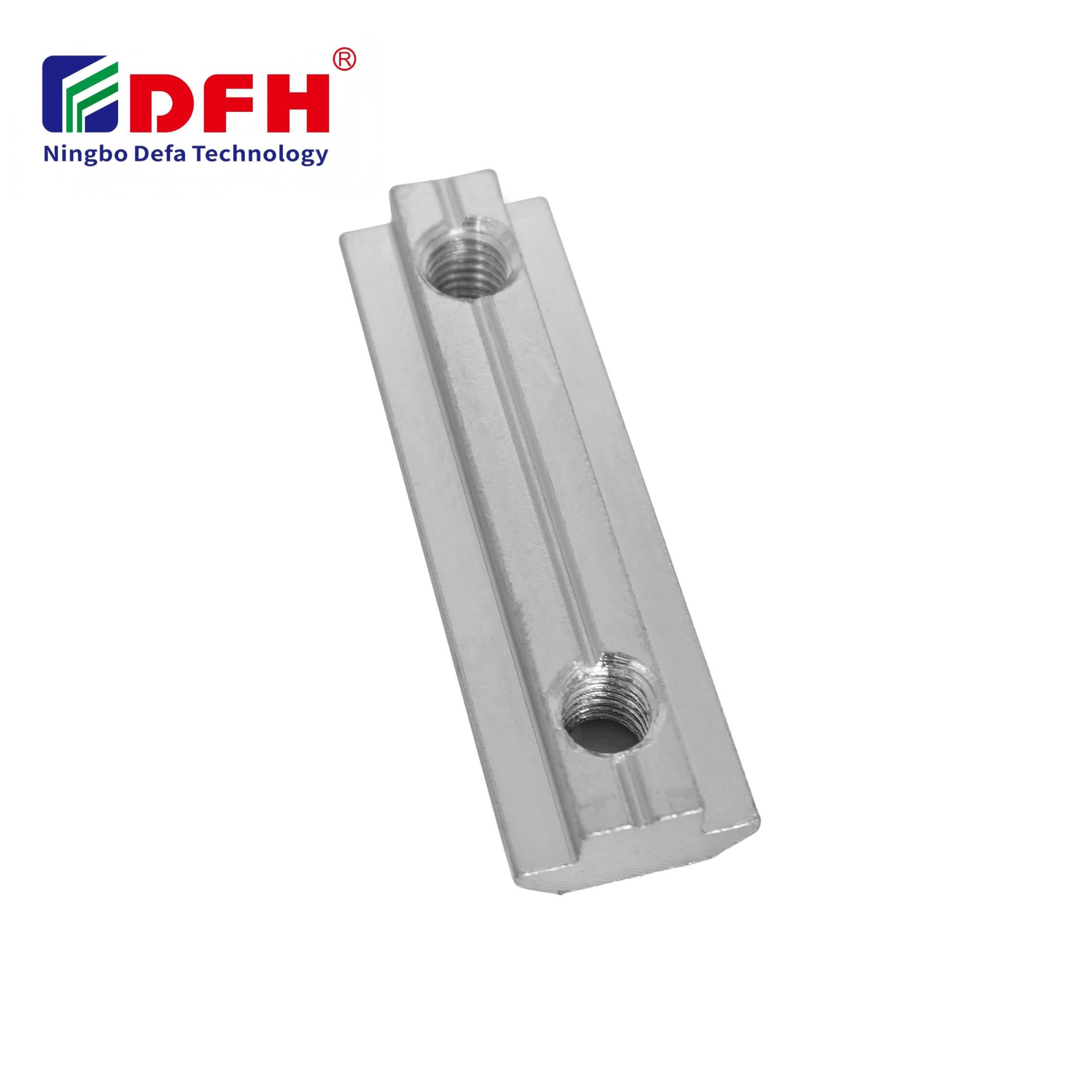
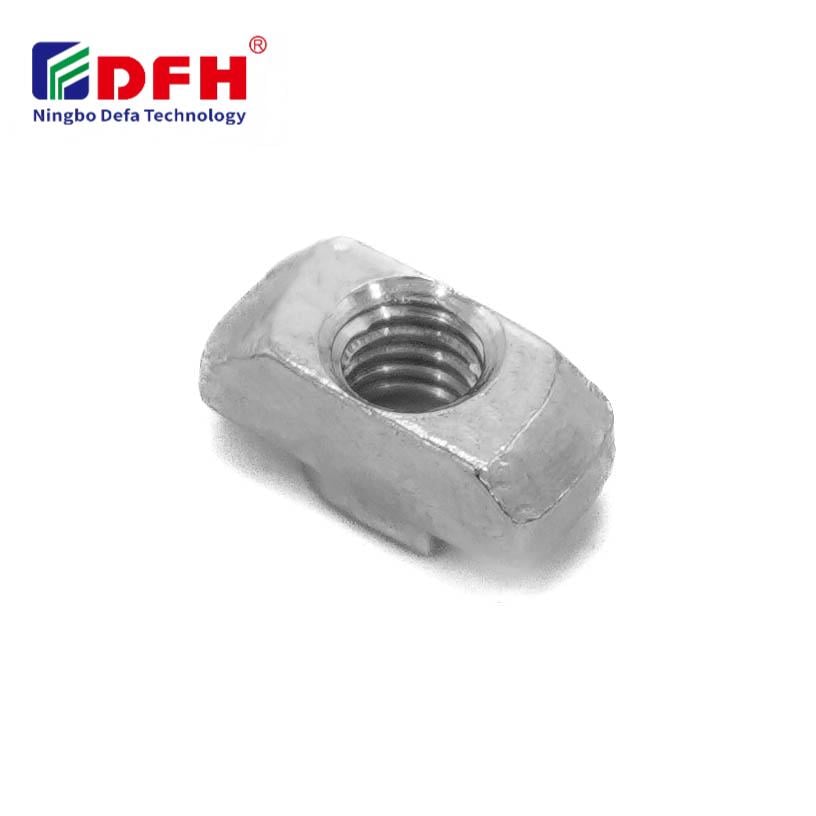
A T Nut is a specialized fastening hardware component designed to secure bolts and screws into T-slot aluminum profiles and machinery. Understanding the materials used in T Nut construction is essential for selecting the right fastening hardware for your industrial application. The material composition directly affects durability, corrosion resistance, load capacity, and overall performance in demanding environments.
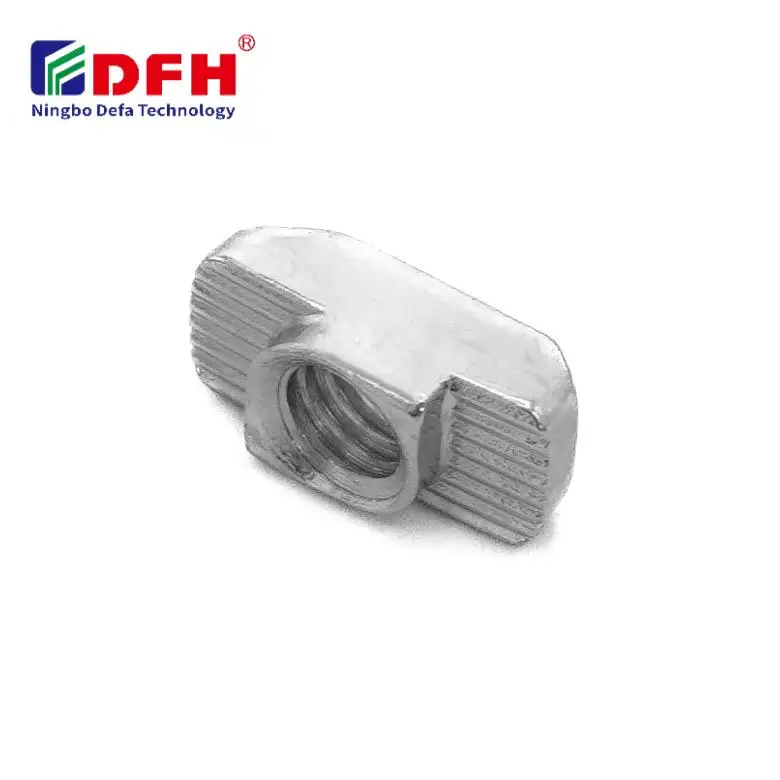
T-slot nuts serve as essential threaded inserts in modern manufacturing, assembly systems, and modular framework applications. Whether you are working with aluminum extrusions, CNC machinery, or automated production lines, knowing the material options available for your T-slot nut selection ensures optimal compatibility and reliability. Different industries require different material specifications based on temperature, load, chemical exposure, and environmental factors.
Most standard T Nut fastening hardware components are manufactured from carbon steel due to its excellent strength-to-cost ratio. Carbon steel provides superior tensile strength and load-bearing capacity, making it the preferred choice for heavy-duty industrial applications. To enhance corrosion resistance, manufacturers apply zinc plating or other protective coatings to the steel threaded insert surface.
Zinc-plated steel T-slot nuts offer moderate protection against rust and oxidation in typical indoor factory environments. The zinc coating creates a barrier between the steel and moisture, significantly extending the service life of the fastening hardware. For applications exposed to mild moisture or occasional humidity, zinc plating provides cost-effective corrosion protection without the premium pricing of stainless steel alternatives.
Stainless steel represents the premium material choice for T Nut applications requiring superior corrosion resistance. Manufactured from iron, chromium, and other alloying elements, stainless steel threaded inserts withstand harsh chemical exposure, saltwater environments, and extreme temperature fluctuations. The T-slot nut constructed from stainless steel maintains its integrity even in food processing, pharmaceutical manufacturing, marine settings, and outdoor installations.
Grade 304 and Grade 316 stainless steel are the most common specifications for industrial-grade fastening hardware. Grade 304 stainless offers excellent general-purpose corrosion resistance, while Grade 316 provides enhanced protection against chloride corrosion, making it ideal for coastal and marine applications. The threaded insert threads remain corrosion-resistant throughout the product's operational life.
Aluminum T Nuts offer lightweight alternatives suitable for aerospace, automotive, and weight-sensitive applications where reducing overall system mass is critical. An aluminum-based threaded insert maintains adequate strength while significantly reducing component weight compared to steel fastening hardware options. These T-slot nuts integrate seamlessly with aluminum extrusion systems and modular profile frameworks commonly used in robotic assembly and CNC routing tables.
Anodized aluminum provides the T Nut surface with enhanced durability and corrosion resistance comparable to painted finishes. The anodizing process creates an oxide layer that protects against oxidation and wear. However, aluminum fastening hardware has lower maximum load capacity than steel alternatives, so application load requirements must be carefully evaluated before selecting aluminum threaded inserts.
Advanced fastening hardware manufacturers now offer T-slot nuts with specialized coatings including blue oxide, black oxide, and self-locking nylon inserts. Blue oxide plating provides moderate corrosion resistance with an attractive finish, while black oxide offers similar protection with superior aesthetic appeal. Some premium T Nut designs incorporate nylon anti-seize features to prevent galling and simplify installation of the threaded insert.
Specialty coatings and treatments expand the application range for T-slot nuts beyond standard industrial environments. Nickel plating, chrome plating, and electroless nickel coatings create additional corrosion barriers for the threaded insert surface. These coating technologies allow fastening hardware manufacturers to customize material properties for specific industry requirements, including food-grade applications, semiconductor manufacturing, and pharmaceutical equipment assembly.
The material composition directly determines the load capacity of your T Nut fastening hardware. Steel and stainless steel threaded inserts support significantly higher tensile loads compared to aluminum alternatives. Engineers must match the T-slot nut material grade to the maximum expected load, considering both static loads and dynamic vibration factors. A properly selected material ensures the fastening hardware maintains thread integrity throughout the equipment's service life.
Material hardness affects the thread engagement quality and bolt torque retention. Harder materials like high-carbon steel and stainless steel prevent thread stripping during repeated fastening and unfastening cycles. The threaded insert material should be compatible with the bolt material to prevent galvanic corrosion and ensure reliable fastening performance.
Environmental conditions determine the ideal material selection for T Nut applications. Indoor climate-controlled facilities can utilize cost-effective zinc-plated carbon steel fastening hardware. Outdoor installations, food processing facilities, and chemical manufacturing environments require stainless steel or specialty-coated threaded insert options. Temperature extremes also influence material selection; stainless steel and specialty alloys maintain thread integrity better than standard steel at elevated temperatures.
Chemical compatibility is critical when selecting T-slot nuts for specialized applications. Corrosive processing chemicals, cleaning solvents, and ambient moisture present unique material challenges. Consulting material compatibility charts ensures the threaded insert will not degrade or contaminate the surrounding manufacturing environment. Proper material selection prevents unexpected fastening hardware failure and maintains production quality standards.
Carbon steel with zinc plating is the most common T Nut material choice for general industrial applications due to its excellent balance of strength, corrosion resistance, and cost-effectiveness. Zinc-plated carbon steel threaded inserts provide adequate protection against rust in typical factory environments. This fastening hardware material remains the industry standard for modular assembly systems, CNC machinery, and aluminum extrusion frameworks operating in normal indoor conditions.
Stainless steel T-slot nuts are essential for applications involving saltwater exposure, chemical processing, food manufacturing, or outdoor installations where corrosion risk is significant. The threaded insert material's superior corrosion resistance justifies the higher cost in these demanding environments. Stainless steel fastening hardware maintains its structural integrity and thread quality even when exposed to harsh chemicals and moisture conditions that would rapidly degrade carbon steel alternatives.
Aluminum T-slot nuts are not recommended for heavy-load fastening hardware applications because their tensile strength is significantly lower than steel or stainless steel options. Aluminum threaded inserts excel in weight-sensitive aerospace, automotive, and robotic applications where load requirements are moderate. For applications requiring maximum load capacity, carbon steel or stainless steel fastening hardware provides superior performance and reliability.
2026/09/30
Source aluminum profiles for versatile modular framing. Learn extrusion mechanics, strength benefits & corrosion resistance. Request details.
2026/09/30
Source aluminum profiles for construction projects. Learn structural framing, cladding & window benefits for maximum ROI. Download guide.
2026/09/30
Source optimal aluminum profile sizing techniques. Evaluate load, space, alloy, environment & cost factors to prevent deflection. Download guide.
2026/09/30
Struggling with fastener failures or rework? Master screw sizing by diameter, pitch, material, and load—plus industry-specific standards. Optimize reliability & compliance now.
2026/09/30
Source aluminum profiles for industrial engineering. Discover strength-to-weight ratios, corrosion resistance & 30% cost savings. Download guide.
2026/09/30
Source heat-resistant aluminum profile systems. Master thermal expansion science & stress management strategies for industrial builds. Download guide.