EN
EN
What is Aluminum Profile and How Does It Work?
2026/09/30
Source aluminum profiles for versatile modular framing. Learn extrusion mechanics, strength benefits & corrosion resistance. Request details.

2026/09/08
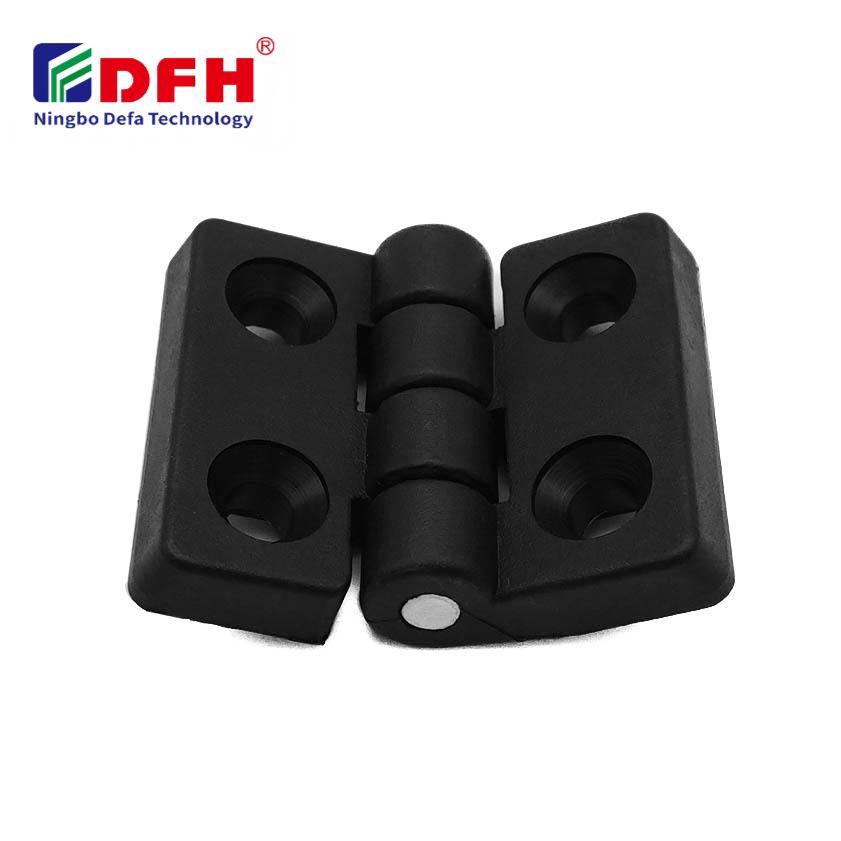
Understanding the hinge safety standards that apply to hardware is essential for professionals. A hinge serves as a critical component, and strict adherence to overarching hinge safety standards directly affects workplace safety. For international projects, guidelines like ISO 1935 establish foundational rules, while North American projects rely heavily on ANSI/BHMA hinge standards. Furthermore, specialized fire environments demand certified UL 10C fire-rated hinges, and industrial enclosures require strict cabinet hinge compliance. Whether you are designing machinery enclosures or architectural doors, knowing which hinge safety standards—such as ISO 1935 or ANSI/BHMA hinge standards—govern selection ensures correct cabinet hinge compliance and the safe deployment of UL 10C fire-rated hinges.
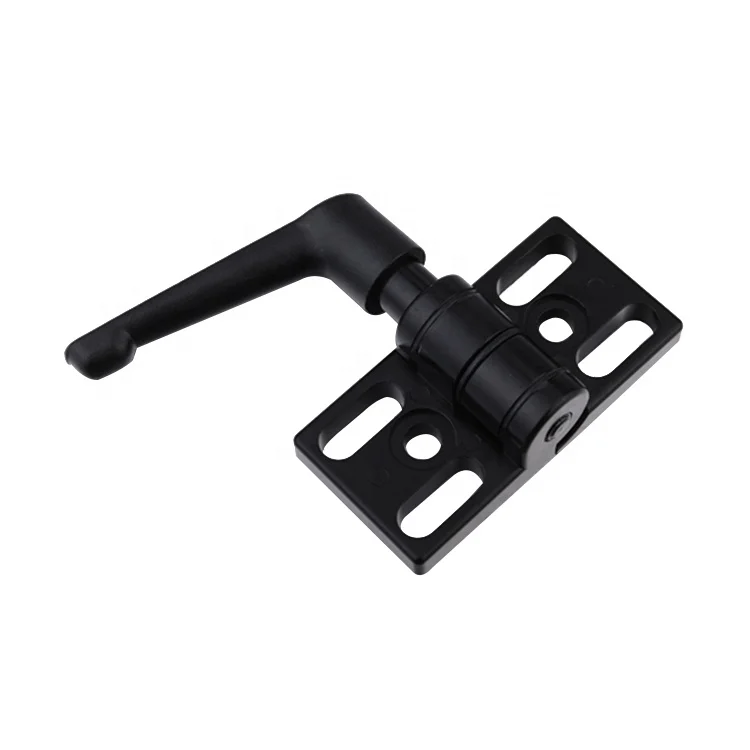
The regulatory landscape for hardware spans multiple frameworks, all falling under broad hinge safety standards. Door specifications address structural integrity, while guidelines ensuring cabinet hinge compliance focus on load capacity and corrosion resistance. In critical fire safety scenarios, the deployment of UL 10C fire-rated hinges is strictly enforced by overriding hinge safety standards. This article explores the principal hinge safety standards, including ISO 1935 and ANSI/BHMA hinge standards, examining how they dictate cabinet hinge compliance and mandate UL 10C fire-rated hinges across industrial markets.
The most widely recognized hinge safety standards originate from international standardization organizations. ISO 1935 establishes general requirements for butt hinges. By strictly following ISO 1935, manufacturers meet vital hinge safety standards for durability and load capacity. While regional codes exist, ISO 1935 remains the global benchmark for standard testing. A door hinge must satisfy ISO 1935 and related hinge safety standards to ensure it withstands repetitive cycles without premature failure, similar to how rigorous cabinet hinge compliance ensures long-term enclosure reliability.
In North America, ANSI/BHMA hinge standards provide complementary guidance. The ANSI/BHMA hinge standards categorize hardware by use intensity and environmental exposure. Unlike the globally focused ISO 1935, ANSI/BHMA hinge standards focus heavily on builder's hardware and architectural systems. For example, achieving proper cabinet hinge compliance might require meeting a specific grade under the ANSI/BHMA hinge standards. Understanding these ANSI/BHMA hinge standards, alongside ISO 1935, guarantees that selected hardware meets or exceeds all necessary hinge safety standards, facilitating both architectural integrity and strict cabinet hinge compliance.
Comprehensive hinge safety standards encompass not only functional performance but also material composition to ensure ongoing cabinet hinge compliance. Many applications require certification showing that UL 10C fire-rated hinges and standard pivot hinges meet corrosion and toxicity requirements. A mechanism designed for harsh chemical environments must comply with hinge safety standards governing coating durability. Maintaining cabinet hinge compliance under these specific hinge safety standards is crucial. By integrating ISO 1935 protocols and ANSI/BHMA hinge standards into production, manufacturers achieve reliable cabinet hinge compliance and structural integrity.
Manufacturing process controls are equally important to satisfying hinge safety standards. Hardware, especially specialized units like UL 10C fire-rated hinges, must be produced under documented quality systems. Compliance with ISO 1935 and ANSI/BHMA hinge standards requires consistent inspection. Proper manufacturing controls for UL 10C fire-rated hinges and everyday components guarantee they meet stringent hinge safety standards, ensuring that every shipped unit maintains perfect cabinet hinge compliance.
Specific hinge safety standards vary significantly based on a door's function. Emergency exit doors require specific ratings based on ISO 1935 and ANSI/BHMA hinge standards. For fire-rated assemblies, the installation of UL 10C fire-rated hinges is mandatory. A door equipped with UL 10C fire-rated hinges must maintain structural integrity at elevated temperatures. Therefore, UL 10C fire-rated hinges are tested rigorously against thermal stress. Using UL 10C fire-rated hinges ensures absolute adherence to fire-focused hinge safety standards, preventing collapse during emergencies.
High-traffic commercial environments impose additional dynamic hinge safety standards. Frameworks such as ISO 1935 and ANSI/BHMA hinge standards specify heavy-duty load ratings for these doors, operating much like the rules governing cabinet hinge compliance. The hardware must support dynamic forces defined by ANSI/BHMA hinge standards. Failure to meet these hinge safety standards—or substituting standard hardware where UL 10C fire-rated hinges are required—can result in doors becoming inoperable, creating massive liability under established hinge safety standards.
Specifications target applications where doors must close reliably, emphasizing absolute cabinet hinge compliance. Industrial control enclosures require continuous cabinet hinge compliance under severe vibration and temperature cycling. Ensuring this cabinet hinge compliance means following specialized hinge safety standards. A mechanism maintaining cabinet hinge compliance remains functional through years of routine maintenance. Special environments, such as medical labs, demand enhanced cabinet hinge compliance based on rigorous interpretations of ISO 1935 or similar hinge safety standards.
Food processing facilities require strict cabinet hinge compliance to resist moisture and cleaning chemicals. By strictly adhering to ISO 1935, ANSI/BHMA hinge standards, and focusing heavily on cabinet hinge compliance, manufacturers avoid contaminating sensitive environments. Furthermore, utilizing specialized UL 10C fire-rated hinges on fireproof laboratory storage units also aligns with overarching hinge safety standards. Proper cabinet hinge compliance guarantees the mechanism will not compromise product integrity.
Heavy-duty hinge safety standards address applications requiring massive loads and asymmetrical weight distribution. These components must distribute load more evenly than standard hardware compliant with ISO 1935 or ANSI/BHMA hinge standards. Pivot mechanisms must fail safely according to the strictest hinge safety standards. Testing protocols defined by ISO 1935, ANSI/BHMA hinge standards, or the fire protocols for UL 10C fire-rated hinges verify that the unit won't collapse under worst-case conditions.
Meeting hinge safety standards like ISO 1935 guarantees the hardware accommodates thermal expansion of the door frame. Certification documentation must demonstrate that testing was conducted according to ANSI/BHMA hinge standards or other relevant hinge safety standards. Providing this data validates cabinet hinge compliance and proves the safe implementation of heavy-duty UL 10C fire-rated hinges across seasonal temperature variations.
Selecting hardware that meets applicable hinge safety standards begins with understanding test reports. Manufacturers must reference ISO 1935, ANSI/BHMA hinge standards, or specific tests for UL 10C fire-rated hinges. A reliable supplier will provide ISO 1935 test certificates, ANSI/BHMA hinge standards documentation, or proof of cabinet hinge compliance. Third-party testing bodies provide independent verification for all hinge safety standards. When evaluating suppliers for cabinet hinge compliance or UL 10C fire-rated hinges, request undeniable evidence of ISO 1935 or ANSI/BHMA hinge standards testing.
Proper documentation proves cabinet hinge compliance and validates UL 10C fire-rated hinges against prevailing hinge safety standards. Certificate dates matching ISO 1935 or ANSI/BHMA hinge standards should be current. Relying on accredited labs ensures your UL 10C fire-rated hinges and hardware achieving cabinet hinge compliance carry legal weight in regulatory audits enforcing hinge safety standards.
Determining which hinge safety standards apply requires systematic risk assessment. Will failure compromise general cabinet hinge compliance or the life-saving thermal integrity of UL 10C fire-rated hinges? Industrial machinery guards present higher risks heavily governed by ISO 1935 and ANSI/BHMA hinge standards. Consult hinge safety standards applicable to your industry sector.
Complying with ISO 1935, fulfilling ANSI/BHMA hinge standards, ensuring complete cabinet hinge compliance, and correctly installing UL 10C fire-rated hinges significantly reduces compliance risk. Matching your selection directly to ISO 1935 and ANSI/BHMA hinge standards demonstrates professional due diligence in meeting complex hinge safety standards.
The most widely recognized hinge safety standards include ISO 1935 for general butt hinge performance and ANSI/BHMA hinge standards for North American builders' hardware. For fire doors, certified UL 10C fire-rated hinges are paramount. Additionally, strict cabinet hinge compliance governs industrial enclosures. Your specific application determines whether ISO 1935, ANSI/BHMA hinge standards, UL 10C fire-rated hinges, or specific cabinet hinge compliance rules apply.
Request technical documentation proving adherence to hinge safety standards like ISO 1935 or ANSI/BHMA hinge standards. Legitimate manufacturers provide third-party certification for UL 10C fire-rated hinges and proof of cabinet hinge compliance. Verify the certificate matches the exact hinge safety standards for your intended application, ensuring robust cabinet hinge compliance and valid use of UL 10C fire-rated hinges.
Different hinge safety standards reflect specific environmental hazards. A low-traffic office cabinet requires basic cabinet hinge compliance, while emergency doors demand robust adherence to ANSI/BHMA hinge standards or ISO 1935. Fire-rated environments absolutely demand UL 10C fire-rated hinges. Matching requirements to ISO 1935, ANSI/BHMA hinge standards, strict cabinet hinge compliance, and UL 10C fire-rated hinges ensures hinges perform reliably under all hinge safety standards.
2026/09/30
Source aluminum profiles for versatile modular framing. Learn extrusion mechanics, strength benefits & corrosion resistance. Request details.
2026/09/30
Source aluminum profiles for construction projects. Learn structural framing, cladding & window benefits for maximum ROI. Download guide.
2026/09/30
Source optimal aluminum profile sizing techniques. Evaluate load, space, alloy, environment & cost factors to prevent deflection. Download guide.
2026/09/30
Struggling with fastener failures or rework? Master screw sizing by diameter, pitch, material, and load—plus industry-specific standards. Optimize reliability & compliance now.
2026/09/30
Source aluminum profiles for industrial engineering. Discover strength-to-weight ratios, corrosion resistance & 30% cost savings. Download guide.
2026/09/30
Source heat-resistant aluminum profile systems. Master thermal expansion science & stress management strategies for industrial builds. Download guide.