EN
EN
What is Aluminum Profile and How Does It Work?
2026/09/30
Source aluminum profiles for versatile modular framing. Learn extrusion mechanics, strength benefits & corrosion resistance. Request details.

2026/09/16
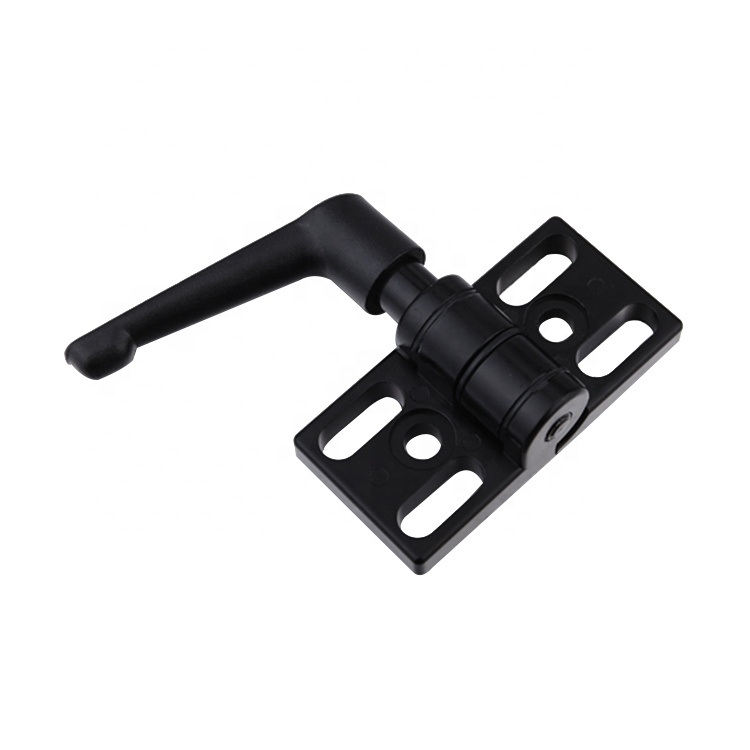
Knowing when to replace your hinge is essential for maintaining the safety, functionality, and appearance of doors and cabinets throughout your facility. Hinges are often overlooked until they fail, but early recognition of deterioration can prevent costly emergency repairs and ensure smooth operation. Whether you manage residential properties, commercial facilities, or industrial equipment, understanding the warning signs and replacement timelines helps you maintain structural integrity and user safety.
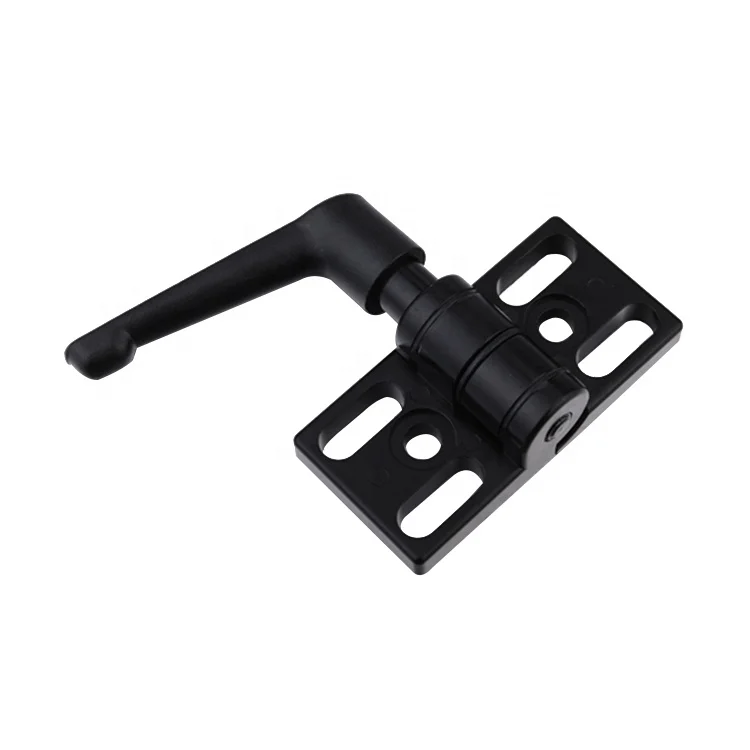
A hinge failure can disrupt daily operations and create liability concerns. By learning to identify when replacement is necessary, you can schedule maintenance proactively rather than react to sudden breakdowns. This guide explores the key indicators, assessment methods, and decision factors that help you determine the right time to replace hinges in any environment.
Corrosion is one of the clearest signs that a hinge requires replacement. Rust, discoloration, or white powdery deposits indicate moisture exposure and material degradation. In humid environments, kitchens, bathrooms, or outdoor areas, hinges corrode faster and lose structural strength. Surface rust may seem minor, but it weakens the metal and reduces the hinge's ability to support weight. If corrosion has penetrated deeper than surface level, replacement becomes urgent because the hinge load capacity diminishes significantly.
Visible bending, cracks, or separation at joint points also signal replacement urgency. A damaged hinge cannot reliably hold a door or cabinet panel, creating safety hazards. Even small cracks can expand under repeated stress, leading to sudden failure. Inspect hinges regularly, especially on high-traffic doors or heavy-duty applications where stress concentrations accelerate wear patterns.
Squeaking, creaking, or grinding sounds when opening or closing a door indicate hinge deterioration. These noises typically result from worn pivot points, inadequate lubrication, or internal component erosion. While lubrication sometimes temporarily reduces noise, persistent sounds suggest structural wear that cannot be fully reversed. A hinge that has lost its smooth operation will eventually fail under continued stress.
Doors or cabinet panels that stick, sag, or require excessive force to operate are red flags for hinge failure. When a hinge loses its precision alignment, doors no longer hang evenly and friction increases. This misalignment accelerates wear on the hinge load capacity and surrounding door frames. Sagging is particularly dangerous because it indicates that the hinge cannot properly support the door weight anymore, creating fall risks and potential injury.
Understanding your hinge load capacity is critical for determining when replacement becomes necessary. Every hinge model has a rated weight limit designed by manufacturers based on material composition, pivot design, and bearing surface area. When a hinge operates near or at its maximum capacity continuously, wear accelerates and failure timelines shorten. Exceeding rated capacity intentionally or through changed circumstances speeds up degradation.
Assess whether current applications still match the original specifications. A cabinet that held light documents originally may now store heavy machinery parts. A residential door may now experience high-frequency commercial-style usage. These changes can exceed the hinge load capacity and justify replacement with heavier-duty models. Periodic reassessment ensures that hinges remain properly rated for actual usage patterns.
Cabinet hinge types and door hinge installation must account for environmental exposure. Hinges exposed to temperature fluctuations, moisture, chemicals, or UV radiation degrade faster than those in controlled environments. Stainless steel hinges resist corrosion better than standard steel, but all materials have practical lifespan limits. Chemical facilities, food processing plants, and coastal locations impose severe hinge replacement demands.
High-frequency doors require more frequent replacement than rarely-used emergency exits. A heavily-trafficked entrance door might need hinge replacement every 3–5 years, while a storage room door could serve 10–15 years. Usage frequency directly impacts bearing wear and mechanical fatigue. Cabinet hinge types designed for daily commercial use differ from residential cabinet hinges, and selecting appropriate types for your usage level extends service life and reduces emergency repairs.
Establishing a preventive maintenance program reduces unexpected failures and extends hinge lifespan. Regular inspection intervals should occur quarterly in high-wear areas and annually in standard environments. During inspections, document hinge condition, note any performance changes, and assess hinge load capacity adequacy. This proactive approach identifies issues early before they escalate into operational disruptions or safety hazards.
Lubrication, tightening, and alignment checks can extend hinge life and improve performance. However, maintenance alone cannot reverse fundamental material degradation or mechanical wear. Once inspection reveals permanent damage, corrosion beyond surface level, or consistent performance issues, replacement becomes the appropriate response. Setting replacement thresholds during your preventive maintenance planning ensures consistent decision-making and budget allocation.
Proper door hinge installation directly influences how long replacement cycles extend. Correct alignment, appropriate fastening torque, and matching hinge types to door weight ensure optimal performance and longevity. Under-tightened fasteners cause misalignment and accelerated wear. Over-tightened fasteners can strip threads or crack hinge material, shortening service life dramatically. Professional installation or detailed adherence to manufacturer specifications prevents installation errors that shorten hinge lifespan.
When selecting replacement hinges, match the hinge load capacity to current and anticipated future needs. If original hinges frequently approached capacity limits, upgrade to higher-rated cabinet hinge types or door hinge installation standards. This preemptive improvement prevents imminent failures and extends intervals between future replacements. Documentation of installation dates and specifications supports future maintenance planning and helps track wear patterns across your facility.
Commercial hinges typically require replacement every 3–7 years depending on usage frequency, environmental conditions, and hinge load capacity. High-traffic entry doors need more frequent attention than low-use storage areas. Quarterly inspections help identify hinges that require earlier replacement due to accelerated wear, corrosion, or performance degradation in harsh environments.
Cabinet hinge types are engineered for lighter loads, typically ranging from 5–50 pounds, with refinements for smooth closing and aesthetic integration. Heavy-duty door hinges handle much greater hinge load capacity, often 100+ pounds, with reinforced pivot designs and enhanced bearing surfaces. Selecting the correct type for your application ensures proper performance and appropriate replacement intervals based on actual operational demands.
Regular maintenance such as lubrication, alignment checks, and fastener tightening can extend hinge lifespan and improve performance, but it cannot reverse fundamental material degradation, corrosion, or mechanical wear. Once a hinge shows permanent damage or exceeds hinge load capacity limits, replacement is necessary. Maintenance delays failure but does not eliminate the eventual need for replacement in all hinges.
2026/09/30
Source aluminum profiles for versatile modular framing. Learn extrusion mechanics, strength benefits & corrosion resistance. Request details.
2026/09/30
Source aluminum profiles for construction projects. Learn structural framing, cladding & window benefits for maximum ROI. Download guide.
2026/09/30
Source optimal aluminum profile sizing techniques. Evaluate load, space, alloy, environment & cost factors to prevent deflection. Download guide.
2026/09/30
Struggling with fastener failures or rework? Master screw sizing by diameter, pitch, material, and load—plus industry-specific standards. Optimize reliability & compliance now.
2026/09/30
Source aluminum profiles for industrial engineering. Discover strength-to-weight ratios, corrosion resistance & 30% cost savings. Download guide.
2026/09/30
Source heat-resistant aluminum profile systems. Master thermal expansion science & stress management strategies for industrial builds. Download guide.