EN
EN
What is Aluminum Profile and How Does It Work?
2026/09/30
Source aluminum profiles for versatile modular framing. Learn extrusion mechanics, strength benefits & corrosion resistance. Request details.

2026/09/10
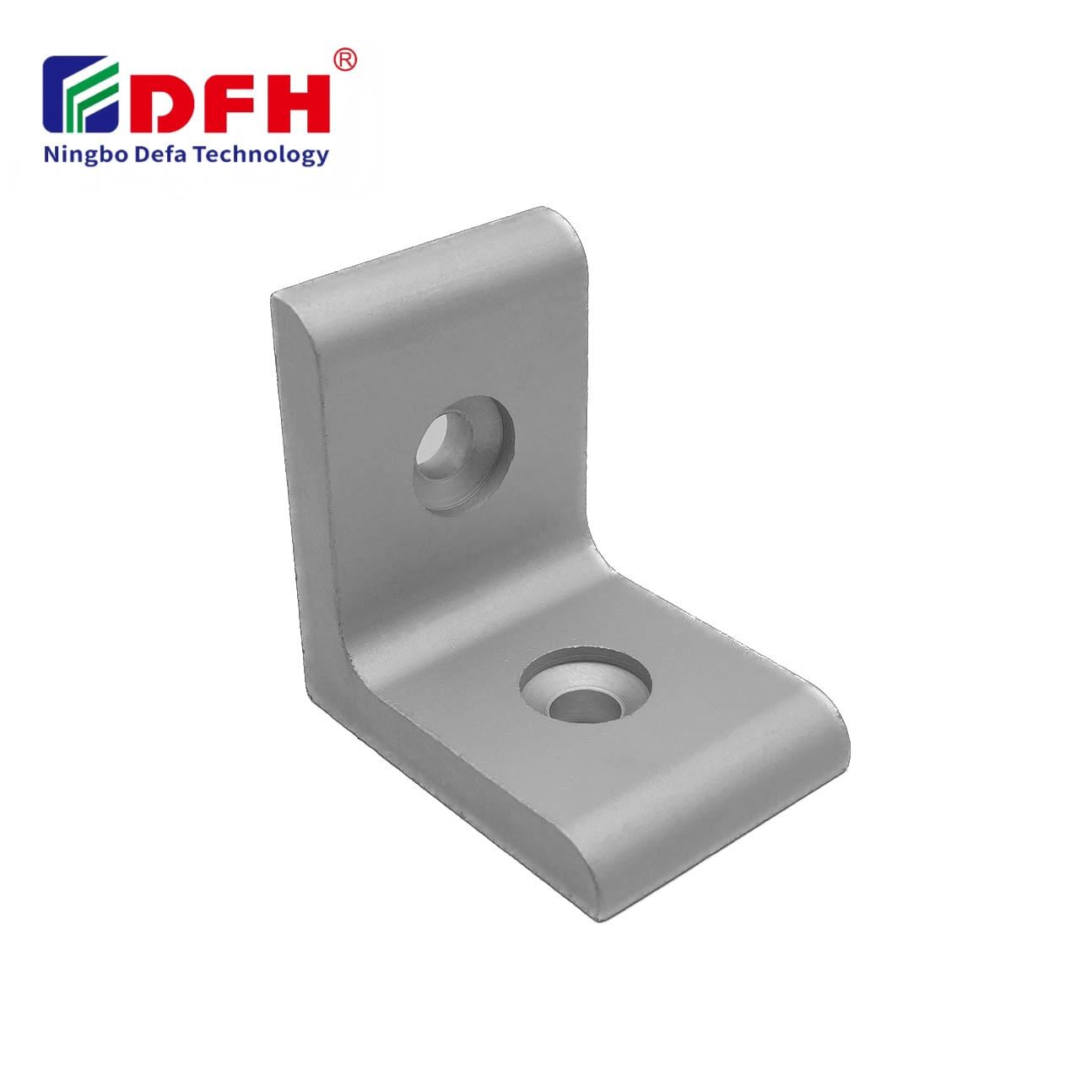
Modern industrial assembly demands fastening solutions that balance flexibility, speed, and precision. Standard fasteners have long dominated manufacturing, yet they often fall short when adaptability becomes critical. A T Nut represents a fundamental shift in how engineers approach modular construction and equipment reconfiguration.
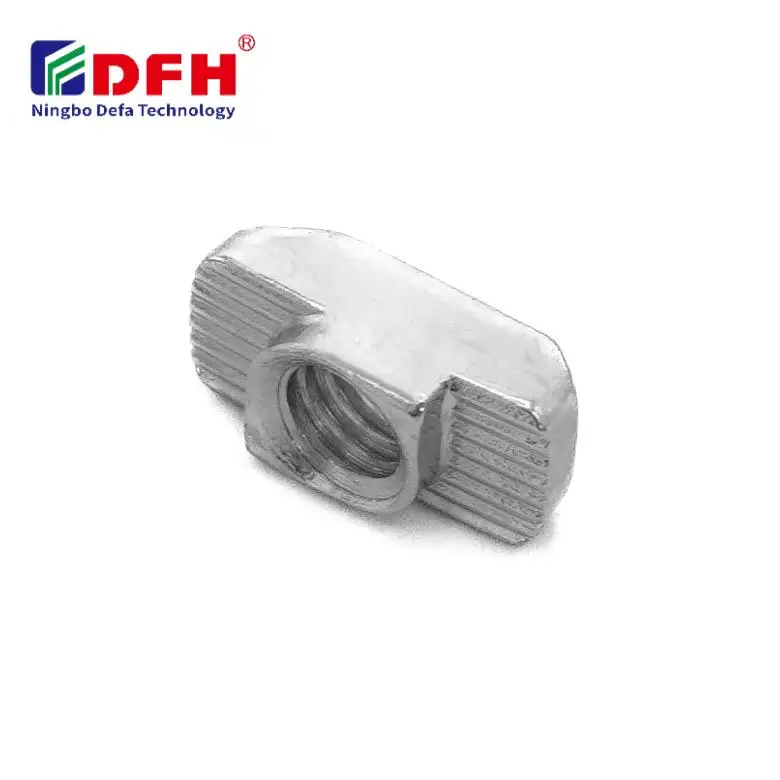
The choice between T nuts and standard fasteners hinges on operational requirements, cost efficiency over time, and the ability to redesign assemblies without extensive downtime. Organizations that prioritize production agility and system scalability increasingly recognize the strategic value of T-slot nut solutions. This article explores why T nuts have become the preferred fastening hardware choice for dynamic manufacturing environments.
Standard fasteners require permanent mounting holes drilled at precise locations, making repositioning costly and time-consuming. A threaded insert like the T nut slides freely along aluminum profiles and t-slot channels, allowing engineers to adjust component placement without equipment modification. This adaptability proves invaluable in lean manufacturing settings where frequent product line changes demand minimal lead time.
The T-slot nut's non-destructive positioning capability means assembly modifications preserve the structural integrity of base materials. Engineers can relocate brackets, supports, and fixtures repeatedly without weakening mounting surfaces. This reusability across multiple configurations directly reduces long-term fastening hardware costs and accelerates changeover procedures between production runs.
Manufacturing environments constantly evolve. Operators often discover that initial fixture placements require adjustment after production begins. A threaded insert designed for modular systems enables quick repositioning without halting operations. This responsiveness to real-time process feedback represents a competitive advantage standard fasteners cannot match.
When production teams deploy T-slot nut assemblies, they gain the freedom to optimize workspace layout based on actual workflow patterns. The fastening hardware adapts to worker ergonomics, equipment accessibility, and material flow—factors that emerge only after production starts. This flexibility transforms assembly lines from rigid structures into responsive systems.
Standard fasteners anchor components permanently, creating disposal costs when systems require redesign. Conversely, a T nut functions as reusable infrastructure that persists across multiple equipment generations. The threaded insert approach eliminates the need to replace base profiles or structural components when assembly requirements change, directly reducing material waste and associated environmental impact.
Rework expenses accumulate when standard fastening hardware demands drilling new holes or re-fabricating mounting surfaces. T-slot nut systems eliminate these secondary operations entirely. Organizations that frequently adjust equipment configurations report measurable reductions in labor hours dedicated to mechanical modifications, translating directly to operational cost savings.
Aluminum profile frameworks with integrated t-slot channels remain functional across decades, supporting multiple product iterations. A T nut enables this extended lifecycle by allowing infinite reconfiguration without degrading the mounting infrastructure. This scalability contrasts sharply with standard fasteners, which become liabilities once assembly requirements shift, rendering expensive base equipment partially obsolete.
The fastening hardware investment in T-slot nut systems pays dividends through extended equipment life. Manufacturers that adopt modular assembly principles built around threaded inserts protect their capital investments in aluminum profiles and structural frameworks, maximizing return on equipment assets over time.
T-slot nut designs distribute clamping forces across wider surface areas compared to point-contact standard fasteners. This geometry reduces stress concentration and enables more stable positioning of components under dynamic loads. The threaded insert configuration provides repeatable, predictable holding power crucial in precision manufacturing environments where deflection tolerances remain tight.
The fastening hardware geometry of T nuts minimizes vibration-induced loosening through superior engagement with t-slot channels. This mechanical advantage proves especially valuable in high-speed or variable-load applications where standard fasteners frequently require periodic retightening. Engineers gain confidence in assembly stability without implementing supplementary locking mechanisms.
Standard fasteners demand alignment, hole-matching, and sequential fastening procedures that increase assembly complexity. A T nut simplifies installation—operators simply slide the threaded insert into position and secure with bolts. This straightforward procedure reduces assembly errors, accelerates production cycles, and improves quality consistency across manufacturing runs.
Training requirements decrease when teams transition to T-slot nut systems. New operators master positioning and fastening procedures quickly, reducing setup variability and installation defects. The intuitive nature of threaded insert assembly translates directly into measurable quality improvements and faster ramp-up times for production staff.
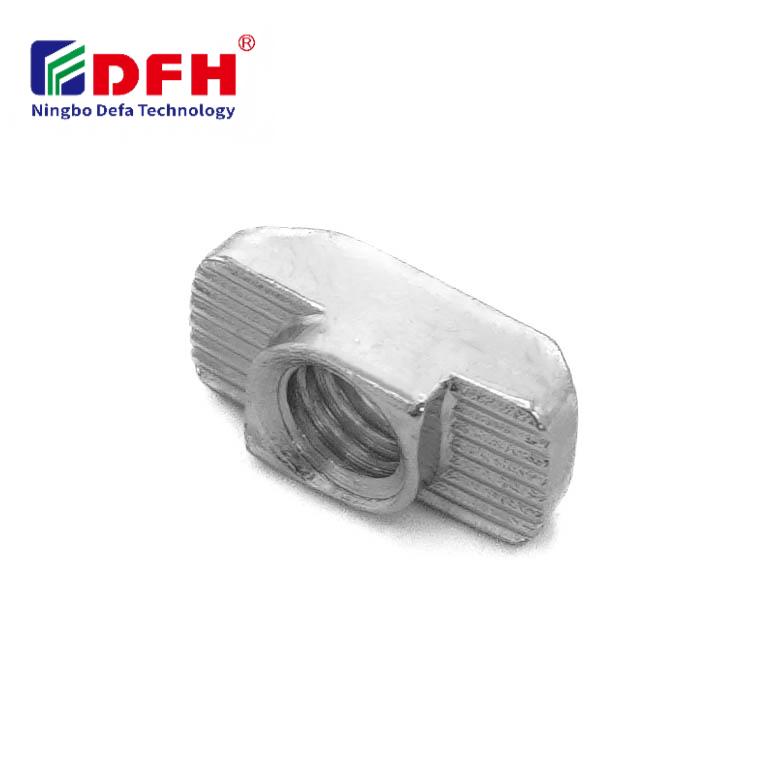
A T nut functions as a threaded insert that slides into aluminum profile t-slot channels, allowing repositioning without drilling new holes. Standard bolts require pre-drilled holes and remain fixed permanently. The fastening hardware flexibility of T-slot nut systems enables rapid reconfiguration, while standard fasteners demand equipment modification for any assembly change.
Most aluminum profile systems and modular equipment frameworks already feature t-slot channels compatible with T nut assemblies. If your equipment uses aluminum extrusions, converting to threaded insert solutions typically requires no equipment replacement. This compatibility makes T-slot nut adoption cost-effective even for established manufacturing facilities.
Although T-slot nut upfront costs may exceed standard fasteners slightly, total cost of ownership favors threaded insert systems. Reduced rework, eliminated drilling operations, extended equipment life, and faster changeovers combine to deliver superior financial returns. Organizations typically recover initial investments within one to two years through operational efficiencies.
2026/09/30
Source aluminum profiles for versatile modular framing. Learn extrusion mechanics, strength benefits & corrosion resistance. Request details.
2026/09/30
Source aluminum profiles for construction projects. Learn structural framing, cladding & window benefits for maximum ROI. Download guide.
2026/09/30
Source optimal aluminum profile sizing techniques. Evaluate load, space, alloy, environment & cost factors to prevent deflection. Download guide.
2026/09/30
Struggling with fastener failures or rework? Master screw sizing by diameter, pitch, material, and load—plus industry-specific standards. Optimize reliability & compliance now.
2026/09/30
Source aluminum profiles for industrial engineering. Discover strength-to-weight ratios, corrosion resistance & 30% cost savings. Download guide.
2026/09/30
Source heat-resistant aluminum profile systems. Master thermal expansion science & stress management strategies for industrial builds. Download guide.