EN
EN
What is Aluminum Profile and How Does It Work?
2026/09/30
Source aluminum profiles for versatile modular framing. Learn extrusion mechanics, strength benefits & corrosion resistance. Request details.
2026/09/18
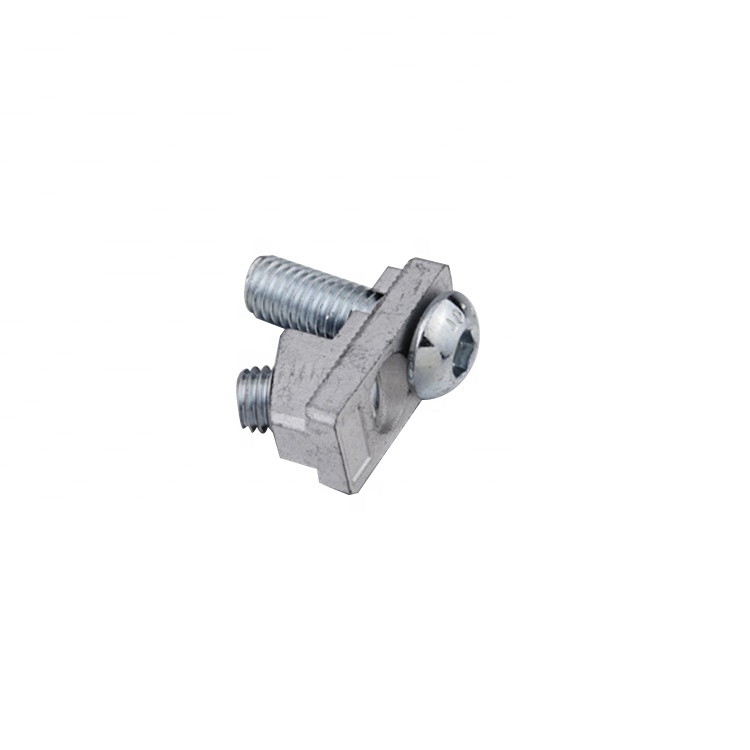
Structural integrity in industrial assembly systems depends fundamentally on the quality and design of connection components. Inner connectors serve as critical elements that bind structural frameworks together, ensuring stability, load distribution, and long-term durability. Whether in modular aluminum profiles, machine frames, or precision equipment, the choice of inner connectors directly influences how well a structure resists stress, vibration, and dynamic forces. Understanding how these components function reveals why they are essential for engineering reliability.
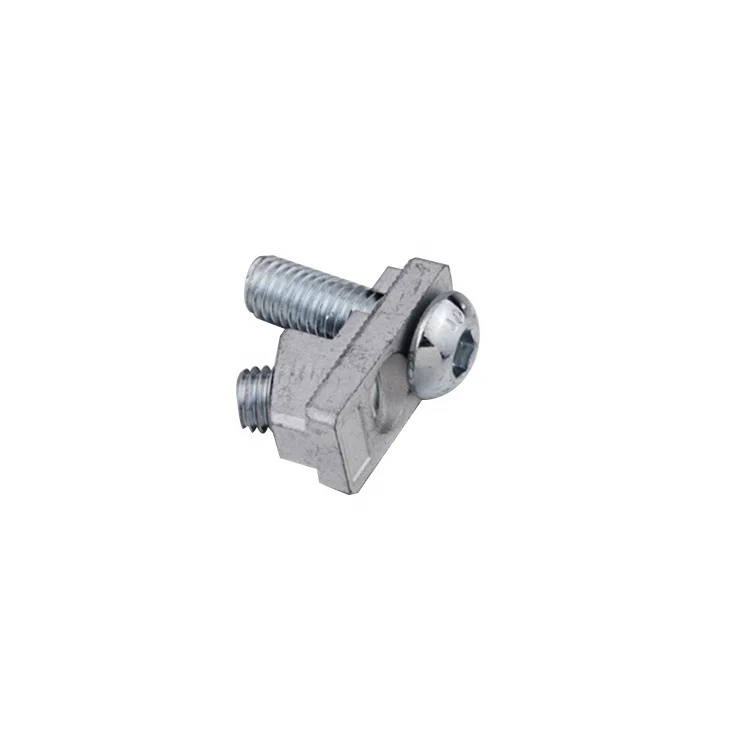
Inner connectors work within profile connection systems to create robust, repeatable joints. By anchoring inside aluminum profile channels and slots, these internal fasteners transfer loads across multiple planes simultaneously. This approach distributes mechanical stress more evenly than surface-mounted alternatives, reducing localized pressure points and extending component lifespan. For industries ranging from automation to renewable energy, slot mounting hardware integrated with quality inner connectors becomes a strategic advantage in system performance.
Inner connectors enhance structural integrity by positioning fastening points deep within the profile geometry. This internal placement allows profile connection systems to handle loads from multiple directions without compromising joint rigidity. When a structure experiences tension, compression, or torsional forces, the inner connectors channel these stresses through the structural core rather than concentrating them on surface welds or bolts. The result is superior resistance to deflection and failure under operational stress.
The geometric advantage of internal fasteners lies in their leverage within the slot mounting hardware design. By increasing the distance between load application points and the neutral axis of the beam or frame, inner connectors create a mechanical advantage that amplifies resistance to bending moments. This principle is especially valuable in cantilever applications, long-span frames, and systems subject to repetitive mechanical cycles where traditional bolted connections would gradually loosen.
Traditional external fasteners create localized stress hotspots where metal is drilled, pierced, or weakened. Inner connectors integrated into profile connection systems eliminate this vulnerability by utilizing existing structural channels. The aluminum profile itself remains uncut at critical load-bearing surfaces, maintaining full cross-sectional strength. Slot mounting hardware designed for internal fasteners distributes pressure across a broader contact zone, reducing peak stresses that lead to fatigue cracking and premature failure.
This stress mitigation becomes particularly critical in applications experiencing thermal cycling, vibration, or variable loads. Manufacturing facilities, transportation systems, and outdoor installations all benefit from the fatigue resistance that quality inner connectors provide. By removing sharp corners and stress risers from the joint geometry, these internal fasteners contribute to longer component life and reduced maintenance intervals across industrial operations.
Inner connectors enable seamless integration of structural and functional requirements. Profile connection systems that rely on internal fasteners present clean exterior surfaces without protruding bolts, nuts, or visible fastener heads. This aesthetic quality improves product presentation and reduces snagging hazards in dynamic environments. Slot mounting hardware remains hidden, simplifying cleaning, inspection, and compliance with design standards that require smooth, unobstructed surfaces.
Beyond appearance, the internal arrangement of inner connectors improves operational efficiency. Automated assembly processes move faster when workers do not need to access and tighten external fasteners. Maintenance technicians spend less time clearing debris from bolt head cavities or adjusting externally mounted connections. This functional simplification translates into lower labor costs and faster equipment deployment in time-sensitive manufacturing environments.
Profile connection systems designed around internal fasteners offer inherent flexibility for future modifications. When additional components, sensors, or structural reinforcements need attachment, slot mounting hardware provides ready-made anchor points. Inner connectors can be repositioned, replaced, or supplemented without structural redesign. This modularity proves invaluable in industries where production requirements evolve, where customization demands vary by client, or where system upgrades become necessary without complete replacement.
The reusability aspect of internal fasteners creates economic advantages over single-purpose welded or bonded assemblies. Equipment manufacturers can maintain standard profile profiles with universal slot mounting hardware, then combine them in countless configurations for different customer applications. Maintenance teams can swap out damaged inner connectors quickly, keeping downtime minimal and spare parts inventory manageable across industrial facilities.
Choosing appropriate inner connectors requires matching fastener specifications to actual load scenarios. Engineers must calculate static loads, dynamic amplification factors, and safety margins before selecting internal fasteners. Material compatibility between the connector, the aluminum profile, and any intermediate washers or insulators affects both performance and longevity. Profile connection systems typically specify stainless steel, aluminum alloy, or specialty coated inner connectors depending on environmental exposure, temperature range, and corrosion risk.
Testing protocols for slot mounting hardware validate that chosen fasteners maintain preload under operational conditions. Vibration-induced loosening represents a primary failure mode for internal fasteners, so products featuring thread-locking properties or wedge-lock designs offer superior reliability. Industrial standards and application guidelines help engineers avoid undersized or incompatible inner connectors that would compromise structural integrity. Performance data from manufacturers enables informed selection aligned with specific industry requirements and regulatory compliance.
Proper installation of inner connectors directly influences whether the structural integrity gains are realized. Torque specifications must be followed precisely, as undertightened fasteners allow micromotion and stress cycling, while overtightened fasteners strip threads or crack profiles. Profile connection systems benefit from documented assembly procedures that include torque sequences, fastener orientation, and verification checks. Training maintenance personnel on correct installation procedures prevents field failures that undermine the inherent advantages of internal fasteners.
Regular inspection schedules should include checking slot mounting hardware accessibility, fastener preload retention, and visible signs of wear or corrosion. Preventive maintenance programs that address inner connectors before failure occurs maintain long-term structural reliability. Documentation systems that track fastener replacement dates and installation conditions support operational planning and component lifecycle management across industrial environments.
Inner connectors positioned within profile slots distribute loads more evenly across the structural profile, eliminating stress concentration points created by drilled holes required for external fasteners. Internal fasteners maintain the full cross-sectional strength of the aluminum profile, improve fatigue resistance under cyclic loading, and provide cleaner aesthetics without visible hardware. Profile connection systems utilizing slot mounting hardware exhibit superior rigidity and longer service life compared to externally mounted alternatives in demanding applications.
Yes, modern slot mounting hardware and internal fasteners incorporate design features that accommodate thermal movement within specified ranges. The geometry of profile connection systems allows controlled movement along the slot axis while maintaining lateral rigidity. Fastener preload characteristics and washer materials are selected to prevent loosening during thermal cycling. However, extreme temperature swings or expansion coefficients between dissimilar materials require specific design accommodations, making material selection and environmental analysis essential during system planning.
Inner connectors integrated into profile connection systems require periodic inspection to verify fastener preload and check for signs of corrosion or wear. Environmental exposure may necessitate more frequent checks in humid or corrosive settings. Torque verification using calibrated tools helps confirm that internal fasteners maintain proper clamping force throughout equipment operation. Most slot mounting hardware requires minimal maintenance beyond these inspection intervals, though replacement protocols should be established for fasteners showing visible degradation or reduced effectiveness.
2026/09/30
Source aluminum profiles for versatile modular framing. Learn extrusion mechanics, strength benefits & corrosion resistance. Request details.
2026/09/30
Source aluminum profiles for construction projects. Learn structural framing, cladding & window benefits for maximum ROI. Download guide.
2026/09/30
Source optimal aluminum profile sizing techniques. Evaluate load, space, alloy, environment & cost factors to prevent deflection. Download guide.
2026/09/30
Struggling with fastener failures or rework? Master screw sizing by diameter, pitch, material, and load—plus industry-specific standards. Optimize reliability & compliance now.
2026/09/30
Source aluminum profiles for industrial engineering. Discover strength-to-weight ratios, corrosion resistance & 30% cost savings. Download guide.
2026/09/30
Source heat-resistant aluminum profile systems. Master thermal expansion science & stress management strategies for industrial builds. Download guide.