EN
EN
What is Aluminum Profile and How Does It Work?
2026/09/30
Source aluminum profiles for versatile modular framing. Learn extrusion mechanics, strength benefits & corrosion resistance. Request details.

2026/09/18
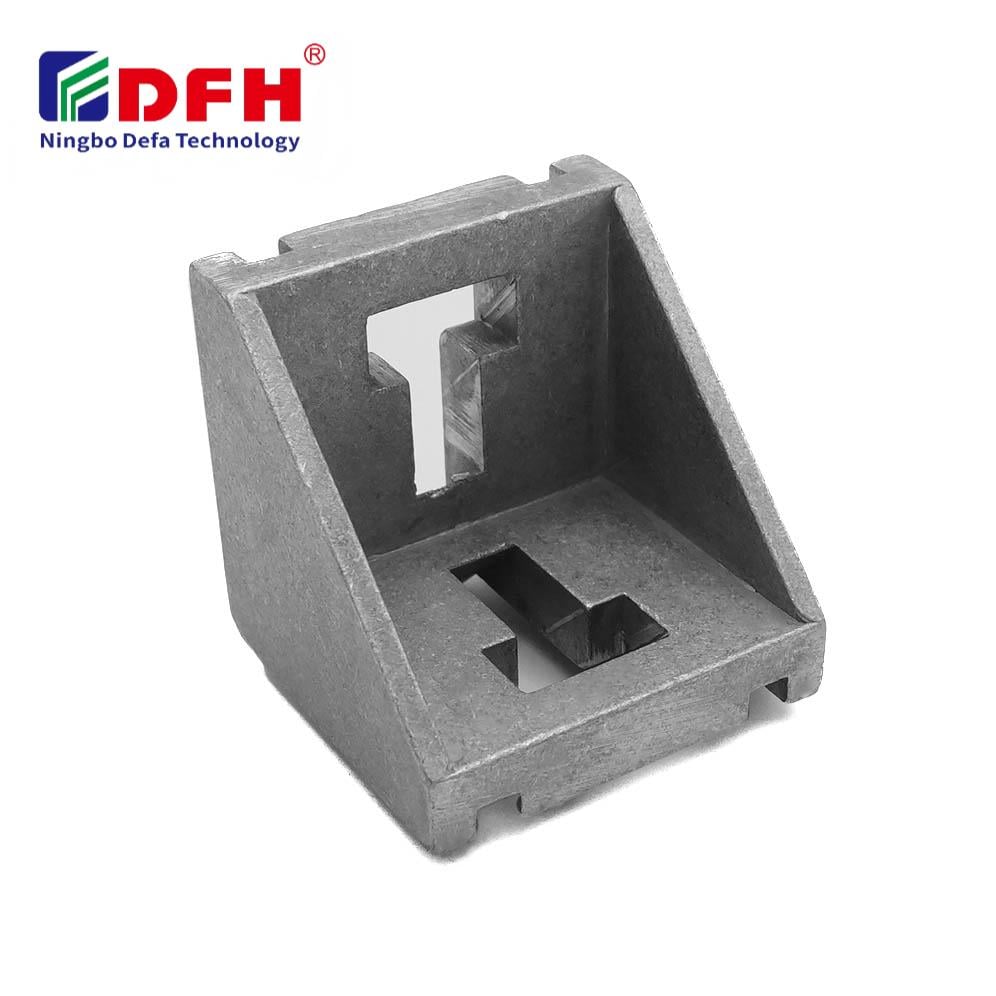
Leveling feet are essential components across numerous industries, providing critical stability and precision alignment for equipment, machinery, and furniture. From manufacturing plants to hospitality venues, the demand for reliable leveling feet continues to grow as businesses recognize their importance in operational efficiency and safety. Understanding which sectors depend most on these adjustable solutions reveals broader trends in quality control, equipment maintenance, and workplace optimization.
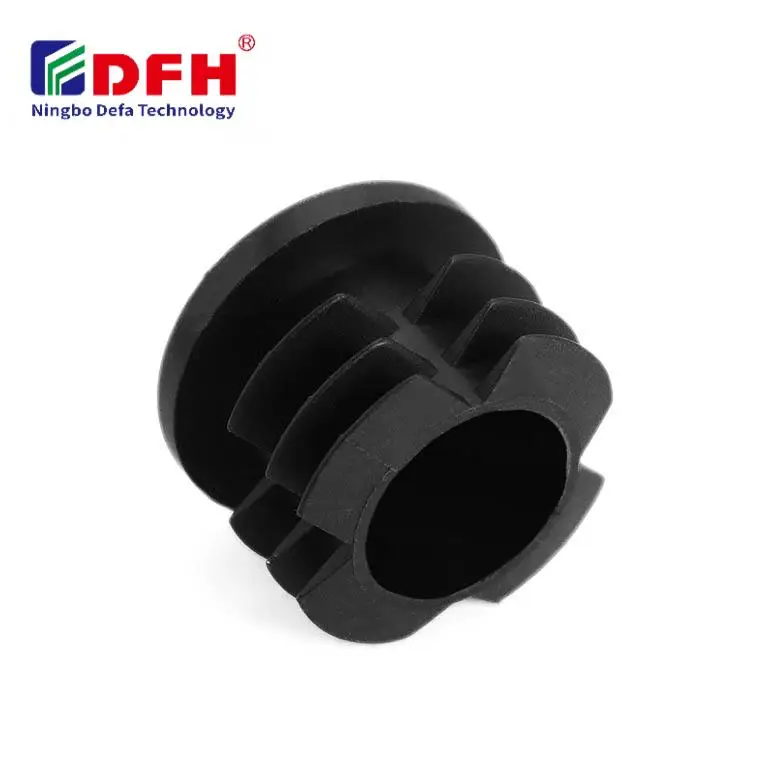
The widespread adoption of leveling feet stems from their ability to compensate for uneven floors, reduce vibration, and extend equipment lifespan. Whether in food processing facilities, pharmaceutical laboratories, or commercial kitchens, industrial leveling feet address fundamental stability challenges. In addition to structural support, modern leveling mounts mitigate floor damage, reduce operational noise levels, and prevent structural stress on machine frames caused by torsional twisting. This article explores the primary industries where leveling feet are indispensable, examining their specific applications and the measurable benefits they deliver to everyday commercial and industrial operations.
Manufacturing environments demand precision and reliability, making adjustable leveling feet vital for production machinery. Heavy industrial equipment such as printing presses, textile looms, CNC machining centers, and metalworking machinery require rigid, stable platforms to maintain operational accuracy and prevent costly downtime. Unmanaged vibration can compromise physical tolerances, degrade tooling rapidly, and impair end-product quality. Industrial leveling feet absorb these mechanical oscillations through integrated elastomer pads or specialized damping materials, preventing vibration transfer into the surrounding floor foundation.
In advanced manufacturing environments, such as semiconductor fabrication facilities and precision optical assembly lines, even microscopic floor vibrations or minimal frame unlevelness can cause catastrophic calibration failures. Heavy-duty leveling feet equipped with articulating ball joints allow equipment legs to seat firmly against slope variations in concrete floors. By maintaining a perfectly horizontal datum plane, facilities protect capital equipment investments, minimize mechanical wear on internal bearing assemblies, and ensure repeatable precision across high-volume production cycles.
Conveyor systems, robotic automation cells, and modular assembly equipment all depend on stable, level foundations to operate safely and effectively. Adjustable leveling feet enable quick height and tilt adjustments during initial installation, routine maintenance, and line reconfigurations. Because factory floors are rarely perfectly flat over extended distances, adjustable support legs allow engineers to establish uniform height lines across interconnected machinery. This adaptability drastically reduces setup times and allows manufacturers to modify production line layouts with minimal operational disruption.
Furthermore, high-speed automated systems generate substantial kinetic energy through rapid acceleration and stopping movements. Quality leveling mounts absorb these dynamic shock forces, preventing structural shifting or creeping over time. By holding machinery firmly in place, leveling feet prevent minor misalignments at conveyor transfer points that could otherwise jam products, trigger automated system faults, or cause sensor read errors. Ultimately, reliable mounting hardware directly improves throughput efficiency, reduces emergency maintenance calls, and enhances worker safety around automated machinery.
Restaurants, hotels, institutional cafeterias, and food production plants represent one of the largest consumer bases for furniture leveling feet and adjustable leveling feet. Commercial refrigerators, deck ovens, industrial dishwashers, and stainless steel prep tables must maintain stable positioning on kitchen floors that are frequently wet, sloped toward drainage systems, or subject to floor tile wear. Adjustable leveling feet eliminate hazardous rocking motions, ensuring that cooking surfaces remain level for uniform heat distribution and liquid containment.
Operational stability in commercial kitchens plays a direct role in regulatory compliance and food safety. Unstable refrigeration units can suffer from skewed door alignments, breaking magnetic seal integrity and causing temperature fluctuations that endanger stored perishables. Additionally, leveling feet used in food processing environments are engineered with smooth, corrosion-resistant stainless steel or hygienic rubber seals. These specialized sanitary designs eliminate exposed threading where food debris, moisture, and bacteria could accumulate, making washdown procedures fast, thorough, and fully compliant with strict health inspections.
Hotels, bars, restaurants, and event venues deploy furniture leveling feet extensively to manage physical surface variations in historical buildings, outdoor dining patios, and expansive banquet halls. Guest room furnishings, bar counters, modular display units, and dining tables all benefit from adjustable base components that easily adapt to uneven tile, natural stone, or hardwood flooring. Providing a steady, wobble-free surface directly elevates the customer experience and protects interior decor investments from premature wear caused by continuous dragging or unaligned stress.
From an operational standpoint, furniture leveling feet provide significant labor savings for hospitality staff. Facility managers and housekeeping teams can make rapid on-the-spot height adjustments using simple threaded mechanisms or self-leveling feet without resorting to temporary, unsightly shims. Eliminating wobbly tables reduces beverage spills, prevents costly damage to glassware, and minimizes trip hazards for patrons and staff alike. Durable rubber or polymer foot pads also protect high-end flooring materials from scratches, gouges, and rust stains during frequent furniture rearrangements.
Hospitals, diagnostic imaging centers, and surgical suites depend heavily on leveling feet to support critical medical equipment. Advanced diagnostic tools such as MRI scanners, CT systems, surgical tables, and automated blood analyzers demand exceptionally rigid and level bases to perform within strict manufacturer tolerances. Industrial leveling feet with anti-vibration rubber bases isolate these sensitive diagnostic components from external building vibrations, such as nearby foot traffic, HVAC units, or elevator shafts, ensuring clear imaging and precise clinical readouts.
In cleanrooms, pharmaceutical compounding areas, and biotechnology laboratories, equipment mounting hardware must satisfy rigorous cleanliness requirements. Non-marking, non-outgassing leveling feet made of medical-grade stainless steel resist harsh chemical disinfectants and sterilization routines without degrading or rusting. Maintaining exact physical alignment on clinical machinery safeguards patient health during procedures and reduces recalibration downtime, ensuring expensive medical assets remain online and fully operational when patient care demands them most.
Research institutions, university laboratories, and industrial quality control facilities employ adjustable leveling feet under analytical balances, optical microscopes, centrifuges, and mass spectrometers. In these micro-measurement applications, even minute angular variations or ambient vibrations can skew data, compromise sample integrity, and distort research findings. Precision-threaded leveling mounts allow scientists and technicians to dial in exact horizontal alignment using built-in spirit levels, ensuring absolute measurement accuracy and repeatable testing conditions.
Beyond measurement accuracy, proper equipment support extends the operational life of delicate laboratory instruments. High-speed centrifuges and automated fluid handlers generate internal rotational forces that, if improperly balanced on an uneven benchtop, can accelerate mechanical wear and cause premature bearing failure. Quality leveling mounts absorb operational shock, prevent equipment drift across lab benches, and extend calibration intervals. This reliability reduces long-term maintenance expenditures and supports consistent, reproducible scientific research across academic, medical, and commercial facilities.
The food service industry, including commercial kitchens, dining establishments, and hospitality venues, represents the largest single consumer sector for furniture leveling feet and adjustable leveling feet due to strict health codes, frequent washdowns, and uneven sloped floors. Manufacturing and industrial production facilities consume a comparable volume of heavy-duty industrial leveling feet for machinery stabilization and line automation, making industrial manufacturing a close second. Both sectors prioritize floor stability for operational efficiency, safety compliance, and cost reduction.
Industrial leveling feet provide essential vibration damping, load distribution, and precise height alignment that protect sensitive machinery components from premature wear and operational damage. In precision manufacturing environments, even fractional millimeter misalignments can cause product defects, frame distortion, tooling chatter, and unexpected production line downtime. Furthermore, adjustable leveling feet enable rapid machinery repositioning during facility reconfigurations, supporting lean, flexible manufacturing practices without compromising structural stability.
While light-duty furniture leveling feet can stabilize lightweight fixtures, racks, or manual workstations, true industrial leveling feet are specifically engineered for high load capacities, dynamic shock absorption, and severe vibration resistance. Heavy manufacturing machinery requires steel-threaded studs, reinforced base plates, and oil-resistant elastomer pads rated for continuous industrial stress. Selecting the appropriate leveling feet based on load capacity, environmental exposure, and vibration requirements ensures optimal equipment performance, safety, and longevity across all operating conditions.
2026/09/30
Source aluminum profiles for versatile modular framing. Learn extrusion mechanics, strength benefits & corrosion resistance. Request details.
2026/09/30
Source aluminum profiles for construction projects. Learn structural framing, cladding & window benefits for maximum ROI. Download guide.
2026/09/30
Source optimal aluminum profile sizing techniques. Evaluate load, space, alloy, environment & cost factors to prevent deflection. Download guide.
2026/09/30
Struggling with fastener failures or rework? Master screw sizing by diameter, pitch, material, and load—plus industry-specific standards. Optimize reliability & compliance now.
2026/09/30
Source aluminum profiles for industrial engineering. Discover strength-to-weight ratios, corrosion resistance & 30% cost savings. Download guide.
2026/09/30
Source heat-resistant aluminum profile systems. Master thermal expansion science & stress management strategies for industrial builds. Download guide.