EN
EN
What is Aluminum Profile and How Does It Work?
2026/09/30
Source aluminum profiles for versatile modular framing. Learn extrusion mechanics, strength benefits & corrosion resistance. Request details.

2026/09/28
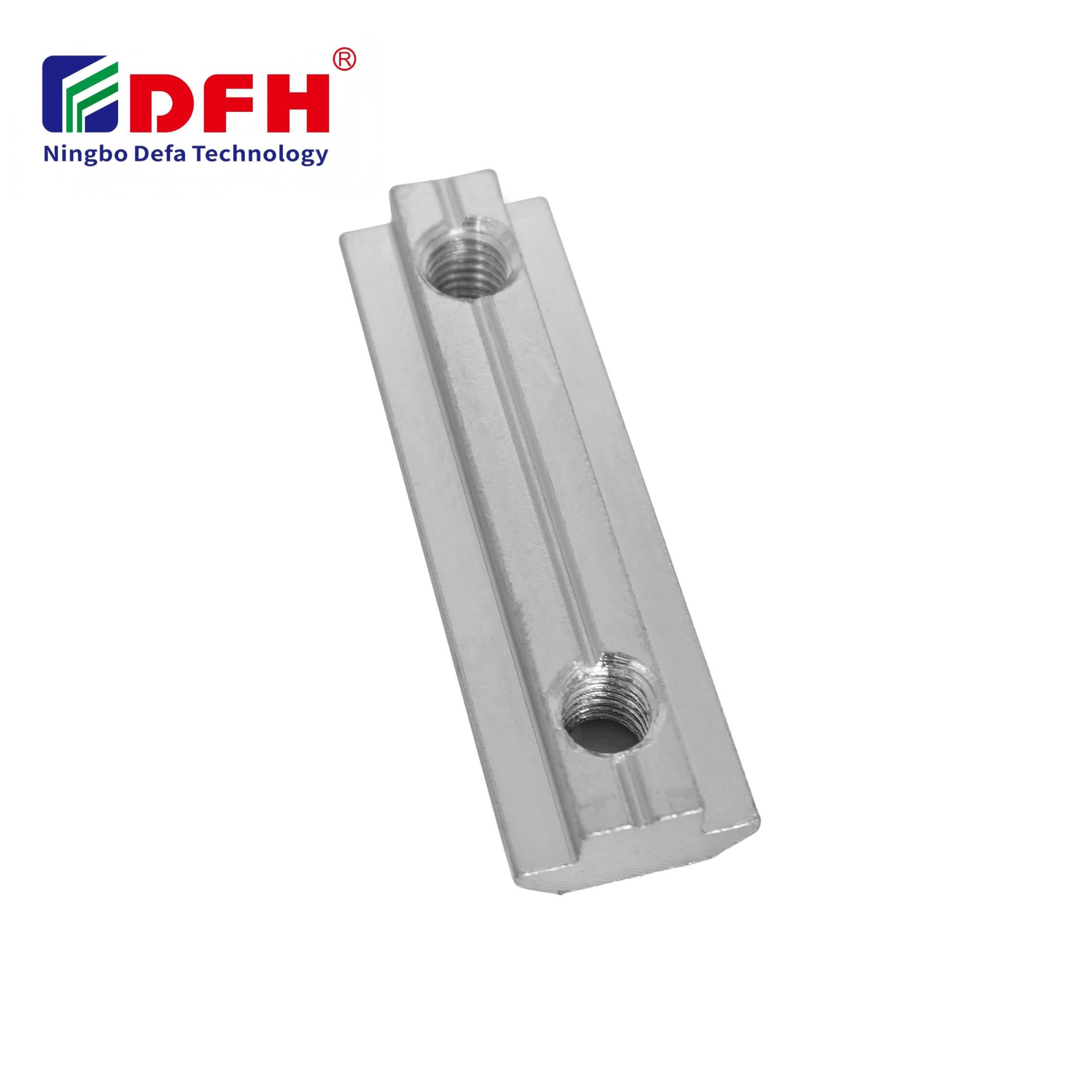
A T nut is a specialized fastening component designed to work seamlessly with aluminum profiles, enabling quick and secure assembly without the need for traditional welding or drilling. These threaded insert devices slide into the T-shaped slots present on aluminum extrusions, creating a reliable connection point for bolts, screws, and other fastening hardware. Understanding how a T nut functions is essential for engineers, manufacturers, and technicians who work with modular aluminum systems in industrial automation, machine building, and structural applications.
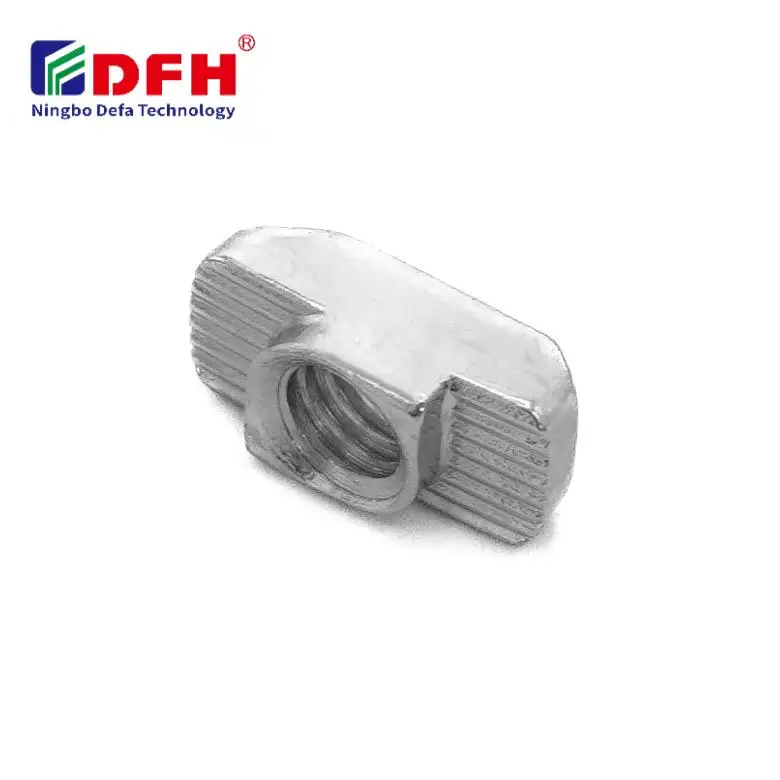
The versatility of aluminum profiles in modern manufacturing depends heavily on the slot nut assembly components that hold them together. When properly installed, a T nut transforms a passive aluminum profile into an active mounting system. This article explores the mechanical principles behind T nut operation, installation methods, and practical applications across various industries.
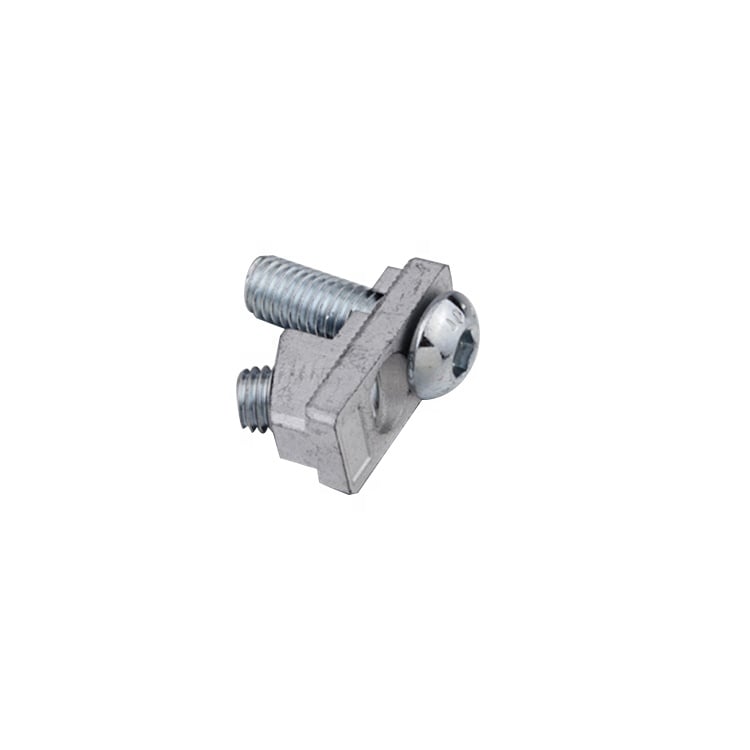
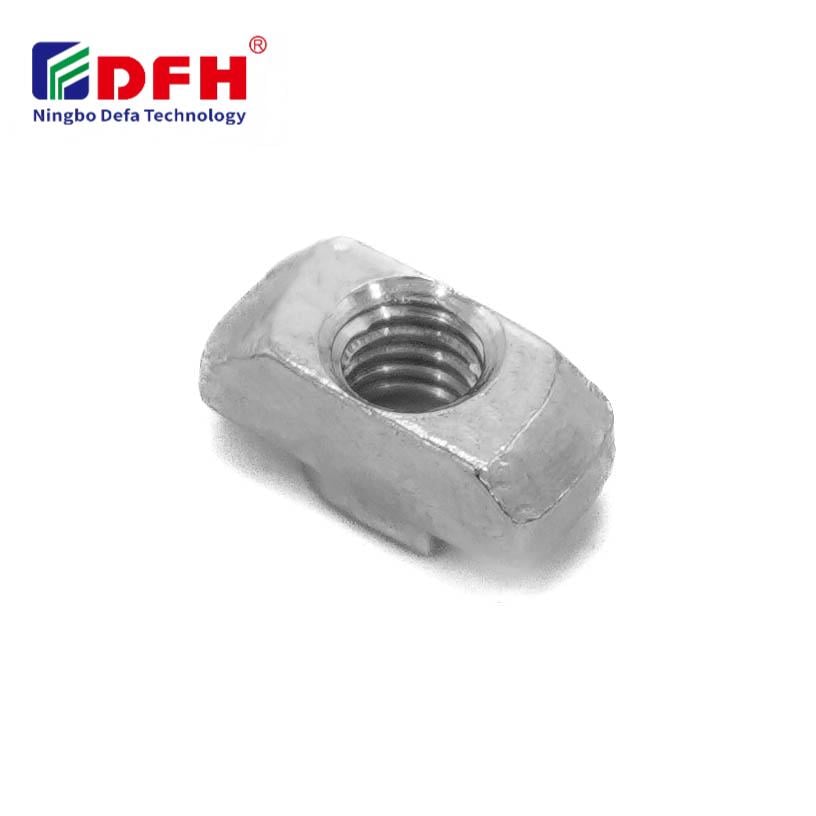
The T nut operates on a straightforward mechanical principle: it uses a threaded insert embedded in a specialized housing that fits precisely into the T-slot of aluminum profiles. The threaded insert provides internal threads that accept bolts or screws, allowing external components to be attached directly to the profile. The unique profile shape of the T nut housing ensures alignment and prevents rotation once inserted into the slot, maintaining consistent fastening performance under operational stress.
Fastening hardware compatibility is critical to T nut performance. The threaded insert must match the bolt diameter and thread pitch required for your application. Standard sizes range from M4 through M10, accommodating diverse industrial needs. The slot nut assembly design allows for lateral adjustment before final tightening, providing flexibility during assembly procedures. This adjustability is one reason why aluminum profiles paired with T nuts are preferred in reconfigurable manufacturing environments.
T nuts are typically manufactured from steel or stainless steel to ensure durability and resist corrosion when paired with aluminum profiles. The threaded insert itself is hardened to withstand repeated fastening cycles without thread stripping. The connection between the T nut housing and the threaded insert must be robust enough to transfer full load through the fastening hardware without failure. Quality slot nut assembly construction prevents loosening during vibration, a common concern in dynamic industrial applications.
Installing a T nut into an aluminum profile requires proper understanding of the slot geometry and nut orientation. The T nut is positioned so that its base plate aligns with the T-slot cross-section, then slid into the profile along the length of the slot. Once positioned, a bolt inserted through the threaded insert creates a mechanical lock, preventing the nut from sliding back out. The slot nut assembly system relies on this principle to maintain consistent fastening performance without additional locking mechanisms.
The speed of installation represents a significant operational advantage. Because threaded inserts are pre-installed in the T nut housing, no separate insertion or tapping operations are required. Field technicians can rapidly reconfigure aluminum profile structures by simply sliding new T nuts into position and tightening fastening hardware. This capability dramatically reduces assembly time compared to traditional drilling, tapping, and screw insertion methods used with solid materials.
When a bolt is tightened through a T nut, the fastening hardware creates a clamping force that distributes stress across the aluminum profile surface. The slot nut assembly design ensures that loads are transferred efficiently from the attached component through the threaded insert and into the profile. Proper torque application is essential; under-torquing fails to create adequate clamping force, while over-torquing can damage the threaded insert or strip internal threads. Industrial applications require careful specification of torque values based on bolt size and material grade.
Aluminum profiles with T nuts form the backbone of modular manufacturing systems used in automotive assembly lines, robotic work cells, and flexible production layouts. The threaded insert capability enables engineers to mount sensors, actuators, brackets, and guarding components at virtually any position along the profile. Fastening hardware such as M6 or M8 bolts typically handles structural loads, while smaller M4 fasteners secure lightweight accessories. This modularity allows manufacturers to quickly adapt production systems to accommodate product design changes without complete system replacement.
Machine building applications benefit significantly from slot nut assembly flexibility. Frame components, mounting rails, and structural supports constructed from aluminum profiles with T nuts can be easily modified during commissioning or maintenance. When equipment requires reconfiguration or component repositioning, technicians simply loosen bolts, slide T nuts to new positions, and retighten. This adaptability reduces downtime and extends equipment service life in dynamic production environments.
Using T nuts with aluminum profiles reduces manufacturing costs by eliminating drilling, tapping, and fastener insertion operations. The threaded insert approach minimizes labor-intensive assembly steps and reduces scrap rates from drilling errors. Fastening hardware remains reusable, and aluminum profiles can be reconfigured multiple times without degradation. In high-volume manufacturing contexts, these efficiency gains compound substantially across production runs, making T nut-based systems economically superior to welded or permanently attached alternatives.
The most frequently used T nut sizes include M5, M6, and M8, accommodating the majority of fastening hardware requirements in aluminum profile systems. Smaller M4 threaded inserts suit lightweight accessories, while larger M10 options are reserved for heavy-load structural applications. Selection depends on the anticipated load, bolt grade, and safety margins specified in engineering drawings. Standard 40x40 and 45x45 aluminum profiles typically pair with M8 T nuts for general-purpose assembly operations.
Aluminum and steel T nuts exhibit different thermal expansion rates, which can affect clamping force at extreme temperatures. In high-temperature environments, aluminum profiles expand more rapidly than steel threaded inserts, potentially reducing preload. Conversely, cold environments may increase preload. Applications requiring temperature stability should specify stainless steel slot nut assemblies and use appropriate locking washers or threadlocker compounds to maintain fastening hardware integrity. Thermal analysis is especially important for outdoor equipment or processes involving thermal cycling.
Yes, T nuts and their threaded insert components can be reused repeatedly without significant degradation when properly handled. The fastening hardware, specifically the bolt, typically experiences more wear than the threaded insert itself. Reusability is a major cost advantage of slot nut assembly systems in reconfigurable manufacturing environments. However, if threads show visible damage or bolts fail to tighten properly, replace the affected components. Stainless steel T nuts generally tolerate more reuse cycles in corrosive environments compared to carbon steel alternatives.
2026/09/30
Source aluminum profiles for versatile modular framing. Learn extrusion mechanics, strength benefits & corrosion resistance. Request details.
2026/09/30
Source aluminum profiles for construction projects. Learn structural framing, cladding & window benefits for maximum ROI. Download guide.
2026/09/30
Source optimal aluminum profile sizing techniques. Evaluate load, space, alloy, environment & cost factors to prevent deflection. Download guide.
2026/09/30
Struggling with fastener failures or rework? Master screw sizing by diameter, pitch, material, and load—plus industry-specific standards. Optimize reliability & compliance now.
2026/09/30
Source aluminum profiles for industrial engineering. Discover strength-to-weight ratios, corrosion resistance & 30% cost savings. Download guide.
2026/09/30
Source heat-resistant aluminum profile systems. Master thermal expansion science & stress management strategies for industrial builds. Download guide.