EN
EN
What is Aluminum Profile and How Does It Work?
2026/09/30
Source aluminum profiles for versatile modular framing. Learn extrusion mechanics, strength benefits & corrosion resistance. Request details.

2026/09/16
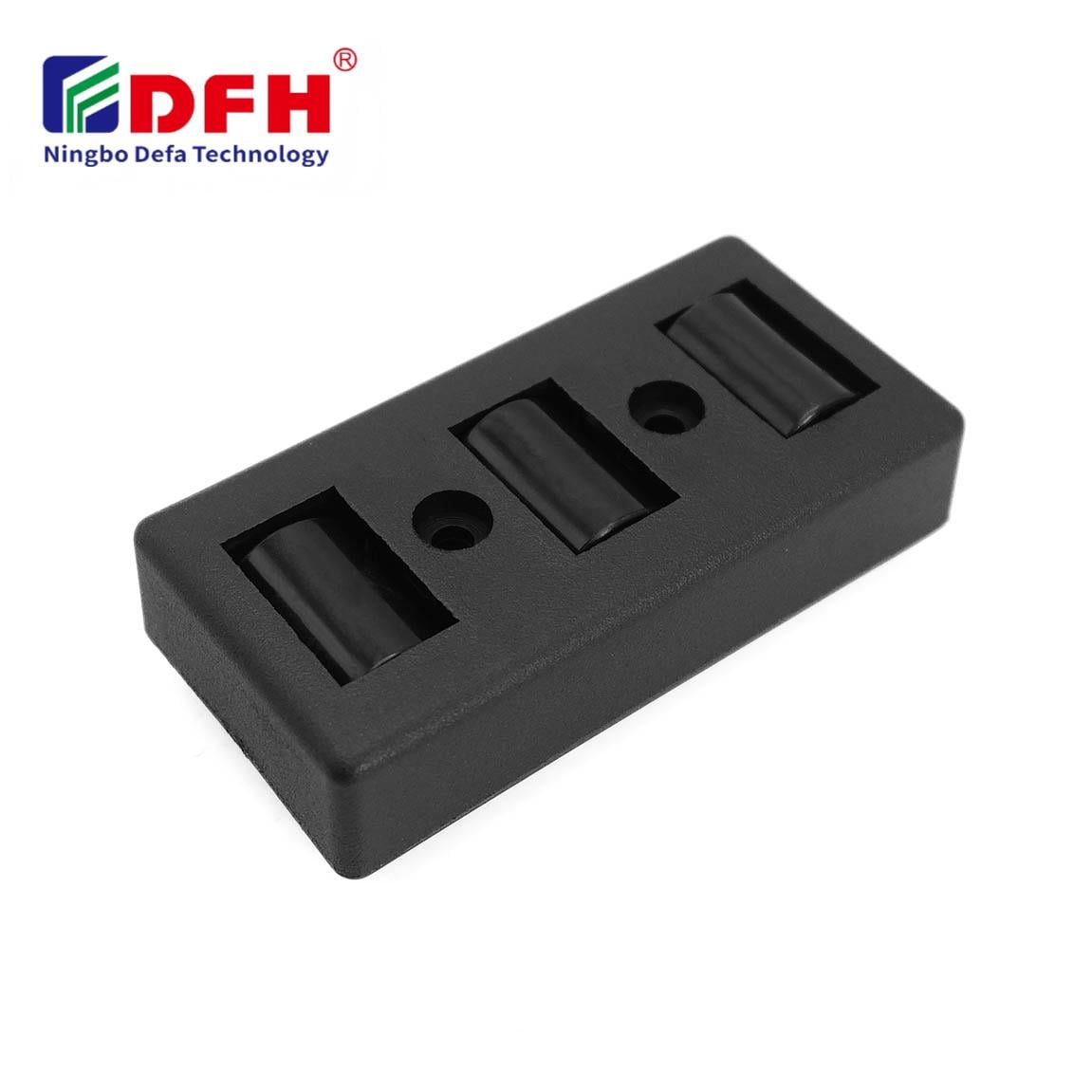
Designing a Pipe Rack System for industrial plants requires careful planning, structural expertise, and a deep understanding of operational demands. A well-designed pipe rack system serves as the backbone of your facility's fluid transport infrastructure, supporting pipelines, cables, and instrumentation across the plant landscape. This comprehensive framework demands attention to load calculations, spacing standards, material selection, and long-term maintenance accessibility. Industrial facilities ranging from petrochemical refineries to power generation plants rely on robust pipe racks to ensure safe, efficient operations while minimizing downtime and safety risks.
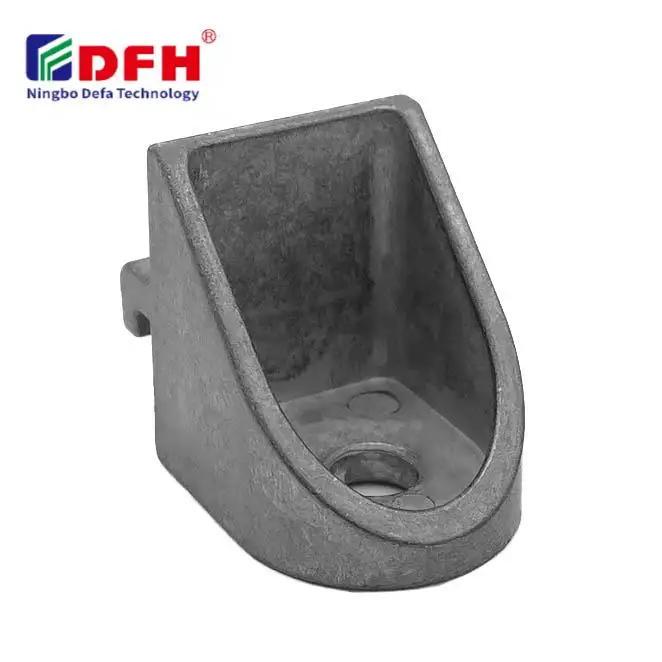
The process of designing an effective industrial piping support structure involves multiple disciplines working in concert. Civil engineers assess foundation requirements and load distribution, mechanical engineers calculate pipeline stresses and support spacing, and process engineers evaluate operational needs. A modular pipeline framework approach allows flexibility for future expansions while maintaining structural integrity throughout the plant's lifecycle. Understanding these interconnected design elements enables facility managers and engineers to create systems that balance performance, safety, and cost-effectiveness from initial concept through decades of operation.
Accurate load calculation forms the foundation of any industrial piping support structure design. Engineers must account for the weight of pipes, fluids contained within them, insulation materials, and any attached instrumentation or control devices. Dynamic loads from vibration, thermal expansion, and pressure fluctuations must also be incorporated into the analysis. Heavy-duty pipe support installation begins with comprehensive modeling that captures both static and dynamic forces acting on the system. Software tools enable detailed finite element analysis to predict stress concentrations and identify potential failure points before construction begins.
The choice of construction materials directly impacts the longevity and performance of your pipe rack system. Structural steel remains the industry standard due to its high strength-to-weight ratio, predictable behavior, and established design codes. Galvanized coatings provide corrosion protection in outdoor environments, while epoxy coatings work well in chemical processing areas. Aluminum frameworks offer weight savings in certain applications but require careful design to prevent galvanic corrosion when mixed with steel components. Modular pipeline framework designs often utilize bolted connections rather than welds, allowing easier replacement of damaged sections and simplifying future modifications.
The spacing between support points fundamentally determines whether your pipe rack system can safely handle operational loads without excessive deflection or vibration. Code standards such as ASME B31.1 and B31.3 provide guidance on maximum unsupported spans based on pipe diameter, wall thickness, and fluid contents. Industrial piping support structures typically require closer spacing for small-diameter, high-pressure lines compared to large-diameter, low-pressure applications. Engineers must also consider thermal expansion characteristics, as temperature changes cause pipes to expand and contract, potentially creating dangerous stresses if support points are too rigid or poorly positioned. Calculation of pipe flexibility and support reactions ensures the industrial piping support structure adapts appropriately to these normal operational conditions.
A well-designed pipe rack system must facilitate inspection, cleaning, and maintenance activities without compromising safety or efficiency. Heavy-duty pipe support installation should incorporate adequate clearances between parallel pipe runs to allow technician access with standard tools. Modular pipeline framework designs enable isolation of specific sections for maintenance without disrupting entire plant operations. Vertical spacing between pipe layers, walkways, and handrails must conform to OSHA requirements and industry best practices. Planning maintenance access during the initial design phase eliminates costly retrofits and significantly extends the service life of both pipes and support structures.
Industrial plants operate across wide temperature ranges, and your pipe rack system must absorb thermal expansion without transmitting excessive forces to connected equipment. Expansion loops, flexible connectors, and properly positioned anchor points distribute thermal stresses throughout the industrial piping support structure rather than concentrating them at vulnerable locations. Vibration from pumps, compressors, and flowing fluids can degrade support connections over time if not properly addressed during design. Heavy-duty pipe support installation incorporates elastomeric isolation pads and damping devices to reduce vibration transmission to the building structure. Modular pipeline framework designs benefit from isolation between separate support tiers, preventing vibration coupling that could amplify movement.
Most industrial facilities evolve over their operational lifetime, requiring new lines, equipment, or process modifications. A thoughtfully designed pipe rack system incorporates spare capacity and modular pipeline framework principles that facilitate these expansions without complete structural redesign. Reserving additional support points and sizing main structural elements for future loads enables relatively simple addition of new pipelines. Standardizing connection details across the facility reduces design time and construction costs for expansions. Documentation of original design assumptions, load cases, and structural capacity ensures future engineers can confidently plan modifications while maintaining safety margins and operational reliability.
Key design factors include pipeline diameters, operating pressures and temperatures, fluid properties, required support spacing based on stress analysis, environmental conditions, accessibility requirements, and anticipated future expansions. Heavy-duty pipe support installation also considers vibration sources, thermal expansion, seismic considerations for the geographic location, and integration with existing facility infrastructure. Load calculations, code compliance verification, and cost-benefit analysis of material selections collectively shape the final design approach.
A modular pipeline framework enables maintenance activities on specific pipe sections without shutting down entire systems, reducing production downtime and associated costs. Standardized connection details and interchangeable support components simplify repairs and modifications. This industrial piping support structure approach allows flexibility for facility upgrades and process changes throughout the system's operational life. Technicians can quickly isolate problematic sections, perform repairs, and restore operations with minimal disruption to other plant areas.
Heavy-duty pipe support installation ensures pipelines remain securely positioned during normal operations and emergency conditions, preventing ruptures that could cause injuries, environmental contamination, or equipment damage. Proper support installation maintains pipe alignment, reduces vibration and fatigue failures, and ensures adequate clearances from other structures. A well-executed industrial piping support structure installation provides decades of reliable service while minimizing maintenance requirements and unplanned downtime that threatens production schedules and facility profitability.
2026/09/30
Source aluminum profiles for versatile modular framing. Learn extrusion mechanics, strength benefits & corrosion resistance. Request details.
2026/09/30
Source aluminum profiles for construction projects. Learn structural framing, cladding & window benefits for maximum ROI. Download guide.
2026/09/30
Source optimal aluminum profile sizing techniques. Evaluate load, space, alloy, environment & cost factors to prevent deflection. Download guide.
2026/09/30
Struggling with fastener failures or rework? Master screw sizing by diameter, pitch, material, and load—plus industry-specific standards. Optimize reliability & compliance now.
2026/09/30
Source aluminum profiles for industrial engineering. Discover strength-to-weight ratios, corrosion resistance & 30% cost savings. Download guide.
2026/09/30
Source heat-resistant aluminum profile systems. Master thermal expansion science & stress management strategies for industrial builds. Download guide.