EN
EN
What is Aluminum Profile and How Does It Work?
2026/09/30
Source aluminum profiles for versatile modular framing. Learn extrusion mechanics, strength benefits & corrosion resistance. Request details.

2026/09/21
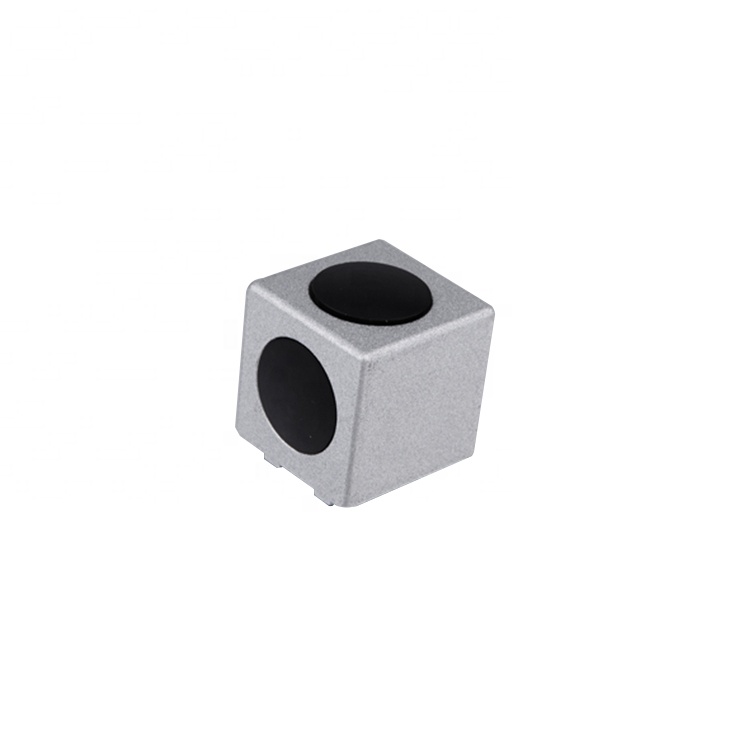
Choosing the right size for end connectors is one of the most critical decisions in industrial assembly and structural projects. An incorrectly sized connector can compromise structural integrity, waste material, and lead to costly rework or safety failures. Whether you are working with aluminum profiles, steel frameworks, or modular construction systems, understanding how to select the correct end connector size requires knowledge of load requirements, material compatibility, and installation specifications. This guide walks you through the essential factors that influence your decision and provides practical guidance for making informed selections.
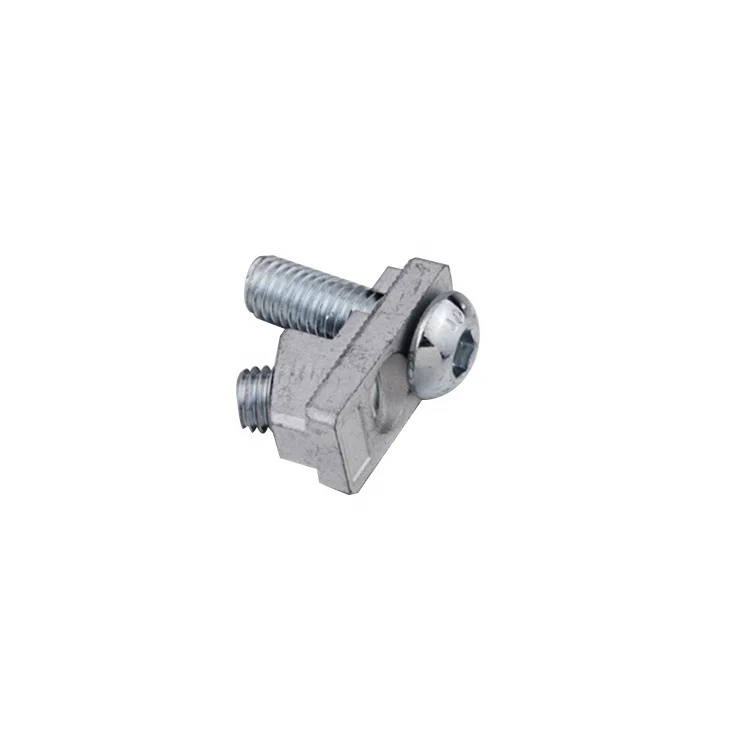
The process of selecting end connector size involves more than simply matching a part number to a profile dimension. Proper connector selection requires evaluating load-bearing capacity, thread specifications, material grade, and alignment with your fastening systems and structural assembly design. When connector installation is executed correctly with appropriately sized components, you achieve stronger joints, faster assembly times, and greater system reliability. Understanding these selection criteria helps you avoid common mistakes and ensures your industrial projects meet both performance and safety standards.
The primary factor in end connector selection is the load your joint must support. End connectors transfer forces between components, and undersized connectors will fail under stress, while oversized connectors waste material and complicate assembly. Calculate the maximum load in tension, compression, and shear that the connection will experience during operation. For aluminum profile systems, connector installation depends on spreading this load across sufficient contact area and fastening strength. Consult material property tables for your specific profile grade and diameter to determine the minimum connector dimensions that safely handle anticipated forces. Load calculations should account for dynamic forces, vibration, thermal expansion, and safety margins specified by industry codes or your application standards.
End connectors must fit securely within or around the profile geometry without creating stress concentrations or assembly gaps. Measure the outer diameter, inner bore diameter, and wall thickness of your structural members to determine compatible connector sizes. For T-slot and slotted profile systems, connector installation requires connectors that fit the slot width and depth precisely. A connector that is too small will shift during assembly and create misaligned joints; one that is too large will not fit into the slot or will apply uneven pressure. Reference the profile manufacturer's specifications to find recommended connector sizes that provide proper contact and load transfer. This dimensional matching ensures your fastening systems work as designed and prevents assembly delays or rework.
End connector material grade directly affects strength, corrosion resistance, and performance under operating conditions. Steel connectors offer high strength and are suitable for heavy-duty applications, while stainless steel provides enhanced corrosion resistance in wet or chemically aggressive environments. Aluminum connectors are lighter and ideal for applications where weight matters, though they have lower load capacity than steel alternatives. Your choice of material must align with the profile material, fastening systems, and environmental exposure. Mismatched materials can cause galvanic corrosion, weakening the joint over time. When selecting connector size, verify that the chosen material grade provides sufficient yield strength and proof strength for your maximum operating loads, accounting for any stress concentration factors introduced by the connector geometry or fastening hardware.
Connector installation requires precise matching between threaded fastener sizes and the connector bore or threaded hole dimensions. Thread pitch—whether coarse or fine—must match your fastening system specifications to ensure proper bolt or screw engagement and prevent thread stripping. For structural assembly applications, metric threading (such as M6, M8, M10) is common in many regions, while imperial sizing may apply in others. Using the wrong thread size creates weak connections and complicates replacement of fasteners. Verify that your end connector size accommodates the full bolt diameter, washer clearance, and the full thread engagement depth required by your fastening systems. Many design standards recommend a minimum thread engagement equal to 1.5 times the bolt diameter to achieve full strength and prevent loosening over time.
The size and positioning of end connectors must accommodate the tools required for tightening fasteners and assembling components. Oversized connectors may block access to fastening points or prevent proper tool clearance, making assembly difficult or impossible. Similarly, if connectors are too small, they may not provide sufficient bearing surface or may leave fasteners and structural assembly elements unsupported. Evaluate your assembly environment—whether you are working in confined spaces, vertical configurations, or open-frame layouts—and select connector sizes that permit safe, ergonomic installation. Consider pre-assembly testing or trial assembly on a sample unit to confirm that your chosen connector size and fastening systems work smoothly without unexpected interference. This practical validation prevents costly production delays and assembly errors once you begin full-scale manufacturing or deployment.
Connector size tolerances directly impact how well joined components align and whether the structural assembly achieves the precision required for your application. Tight tolerances ensure accurate positioning and load distribution, but they may increase material cost and manufacturing complexity. Looser tolerances reduce cost but risk misalignment and reduced load-carrying capacity. Industrial standards and your design specifications define acceptable tolerances based on application criticality. When selecting end connector size, specify tolerances that balance performance, cost, and manufacturing feasibility. Dimensional inspection and quality control during connector installation verify that components meet specified tolerances and function as intended. For precision assemblies, consider using guide pins or alignment features integrated into the connector design to assist in maintaining correct positioning during fastening systems assembly.
An undersized connector fails to adequately distribute load across the joint, creating stress concentration points that crack or fracture under operating loads. The connector may also shift or rotate during structural assembly and fastening systems tightening, producing misaligned joints that weaken the overall structure. Small connectors also provide insufficient bearing surface, risking fastener head pull-through or bending.
Match the thread size to your fastening systems specifications and verify that the connector bore or tapped hole accommodates the full bolt diameter with proper clearance. Consult the profile manufacturer and fastener standards to confirm that thread pitch and engagement length meet design requirements. Test with sample fasteners before committing to full production to catch any interference or threading issues early.
No, connector size must be selected specifically for each project based on profile dimensions, load requirements, material grades, and fastening systems specifications. Different applications have different demands, and using a one-size-fits-all approach risks either over-engineering with unnecessary cost or under-designing with safety concerns. Always perform load analysis and compatibility checks for each unique structural assembly before making final connector selections.
2026/09/30
Source aluminum profiles for versatile modular framing. Learn extrusion mechanics, strength benefits & corrosion resistance. Request details.
2026/09/30
Source aluminum profiles for construction projects. Learn structural framing, cladding & window benefits for maximum ROI. Download guide.
2026/09/30
Source optimal aluminum profile sizing techniques. Evaluate load, space, alloy, environment & cost factors to prevent deflection. Download guide.
2026/09/30
Struggling with fastener failures or rework? Master screw sizing by diameter, pitch, material, and load—plus industry-specific standards. Optimize reliability & compliance now.
2026/09/30
Source aluminum profiles for industrial engineering. Discover strength-to-weight ratios, corrosion resistance & 30% cost savings. Download guide.
2026/09/30
Source heat-resistant aluminum profile systems. Master thermal expansion science & stress management strategies for industrial builds. Download guide.