EN
EN
What is Aluminum Profile and How Does It Work?
2026/09/30
Source aluminum profiles for versatile modular framing. Learn extrusion mechanics, strength benefits & corrosion resistance. Request details.

2026/09/11
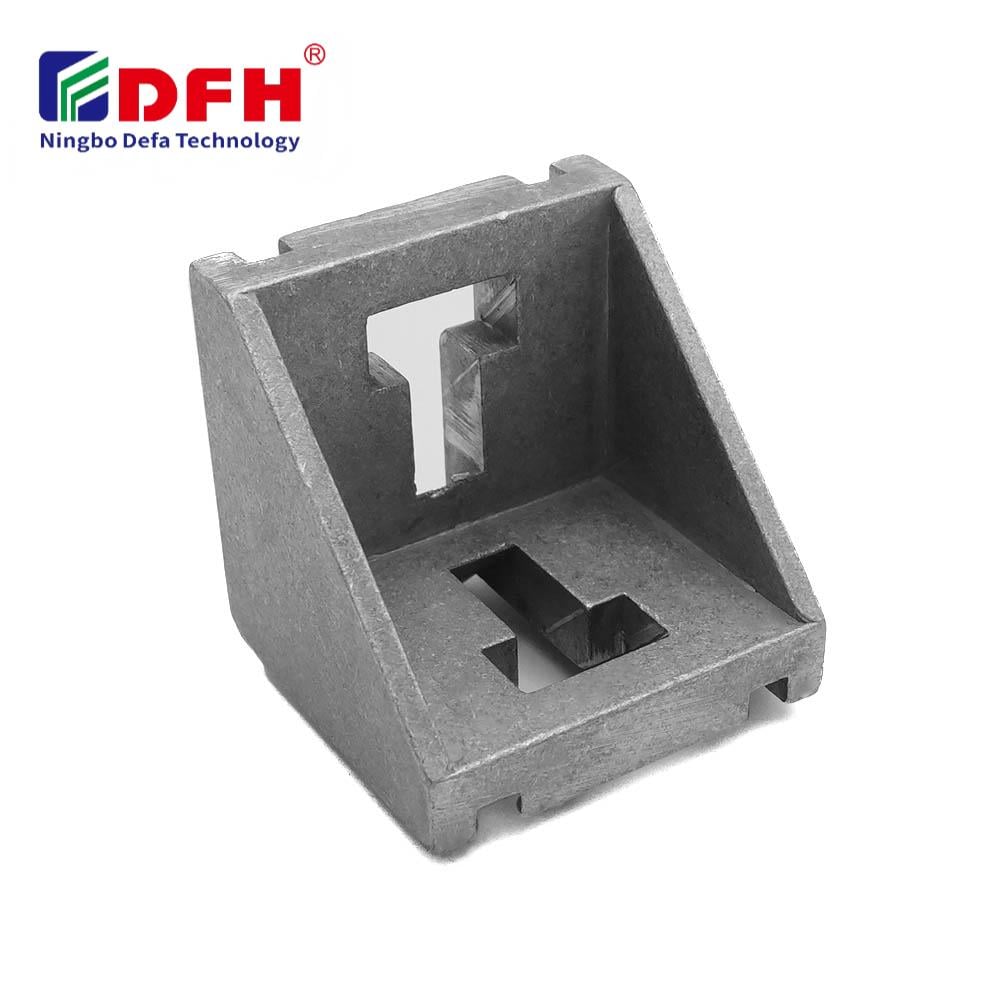
An aluminum profile represents one of the most versatile components in modern industrial manufacturing and construction. These extruded aluminum structural framing elements form the backbone of countless applications, from machinery assembly lines to architectural systems and automation equipment. The true power of aluminum extrusion lies not in a one-size-fits-all approach, but in the extensive customization options available to engineers and manufacturers seeking tailored solutions for their specific operational needs.
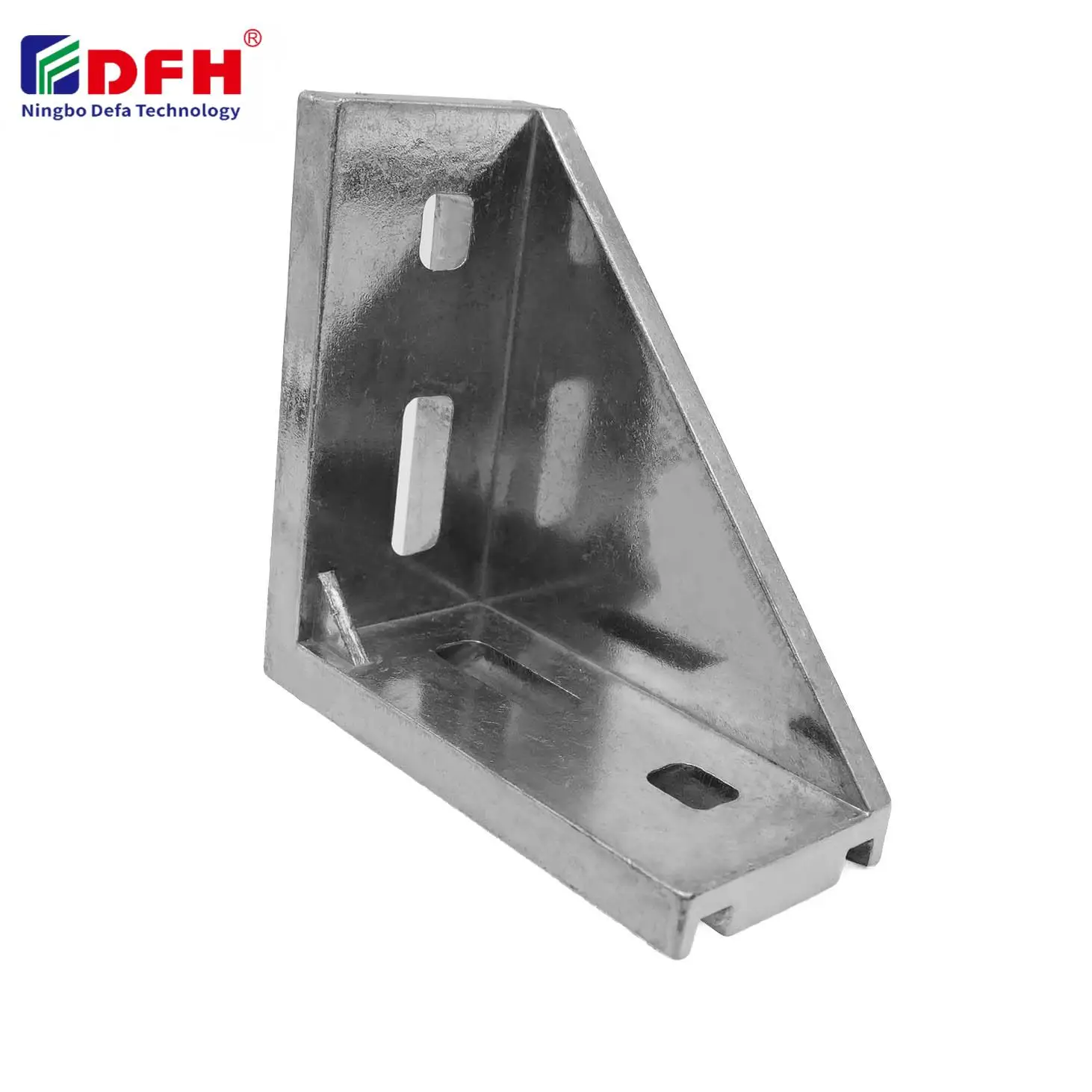
Selecting the right aluminum profile customization directly impacts project timelines, costs, and long-term performance. Whether you require industrial aluminum components for heavy-duty applications or specialized aluminum structural framing for precision assembly, understanding the full spectrum of available customization options empowers you to make informed decisions. This guide explores the primary dimensions, material grades, surface treatments, and configuration possibilities that define modern aluminum extrusion capabilities.
The cross-sectional shape of an aluminum profile determines its structural strength, weight, and functional characteristics. Standard profiles include T-slots, rectangular channels, and I-beam configurations, each serving distinct industrial aluminum components applications. Custom cross-sections can be engineered to match your equipment geometry precisely, reducing material waste and eliminating secondary machining operations. The aluminum extrusion process allows for highly complex geometries, including curved surfaces, internal cavities, and integrated mounting features that would be costly or impossible to achieve through alternative manufacturing methods.
Length customization extends beyond simple cutting to include specific dimensional requirements for your assembly workflow. Manufacturers can produce aluminum profiles in exact lengths needed for your production line, minimizing scrap and streamlining inventory management. Whether you need aluminum structural framing pieces ranging from several centimeters to multiple meters, extrusion facilities accommodate diverse length specifications without additional tooling costs once the profile die is established.
Wall thickness directly influences the strength-to-weight ratio of your aluminum profile selection. Thicker walls provide greater rigidity and load-bearing capacity but increase material cost and weight. Thin-walled aluminum extrusion designs reduce weight and material consumption while maintaining adequate strength for lighter-duty industrial aluminum components applications. Engineers can specify varying wall thicknesses within a single profile, creating reinforced zones where structural demands concentrate while maintaining material efficiency in lower-stress areas.
The aluminum extrusion process enables tolerance specifications as tight as ±0.5 millimeters on critical dimensions, ensuring consistent performance across entire production runs. This precision proves essential for applications requiring tight assembly fits or repeatable mechanical properties in high-volume manufacturing environments.
Different aluminum extrusion alloys exhibit distinct mechanical properties, corrosion resistance, and workability characteristics. The 6000-series aluminum profiles, containing magnesium and silicon, offer excellent strength combined with good corrosion resistance, making them ideal for industrial aluminum components exposed to moderate environmental stress. The 5000-series alloys, with higher magnesium content, provide superior corrosion resistance for marine and chemical environments. Custom material selection allows you to match the profile composition precisely to your application's environmental and performance requirements, extending service life and reducing maintenance costs.
Temper designation further customizes the material properties of your aluminum profile. T4, T5, and T6 tempers represent different heat-treatment states offering varying hardness levels, ductility, and fatigue resistance. Your aluminum structural framing application might demand the flexibility of softer tempers for complex assemblies or the strength of harder tempers for load-bearing structural elements, and custom temper specifications ensure optimal performance for your specific use case.
Aerospace-grade aluminum extrusion materials can be specified for applications demanding exceptional strength-to-weight ratios or operating in extreme temperature environments. Food-grade aluminum profiles meet sanitary requirements for equipment used in processing facilities where hygiene standards remain critical. Custom alloy formulations can be developed for specialized industrial aluminum components applications, incorporating additives that enhance machinability, improve wear resistance, or facilitate specific joining methods required by your manufacturing process.
Anodic oxidation transforms the aluminum profile surface into a hard, corrosion-resistant layer that significantly extends component life. Clear anodize finishes preserve the natural aluminum appearance while providing baseline protection, making this option popular for industrial aluminum components where aesthetics matter less than corrosion resistance. Colored anodize finishes allow for visual identification within complex assemblies, helping maintenance teams quickly locate specific aluminum structural framing sections. Hard-coat anodizing, applied to an aluminum profile, creates significantly tougher surfaces suitable for high-wear applications where standard anodizing would degrade too rapidly.
Powder coating provides environmental flexibility beyond anodizing, offering complete color customization and superior UV resistance for outdoor applications. Chemical pre-treatment layers prepare the aluminum extrusion surface for adhesive bonding or welding, eliminating surface oxides that compromise joint strength. These protective treatment customizations ensure your industrial aluminum components perform reliably throughout their intended service life without unexpected corrosion or degradation.
Brushed or mill-finish surfaces suit applications prioritizing aesthetics alongside functionality, commonly appearing in architectural aluminum structural framing. Polished surfaces reduce friction for sliding components within machinery, improving efficiency and reducing wear on interacting parts. Oil-resistant and salt-spray finishes protect aluminum profiles operating in harsh marine or chemical environments where standard anodizing provides insufficient protection. Custom surface texturing can enhance grip characteristics or improve paint adhesion for subsequent coating applications, demonstrating how aluminum extrusion finishing options extend far beyond basic corrosion protection.
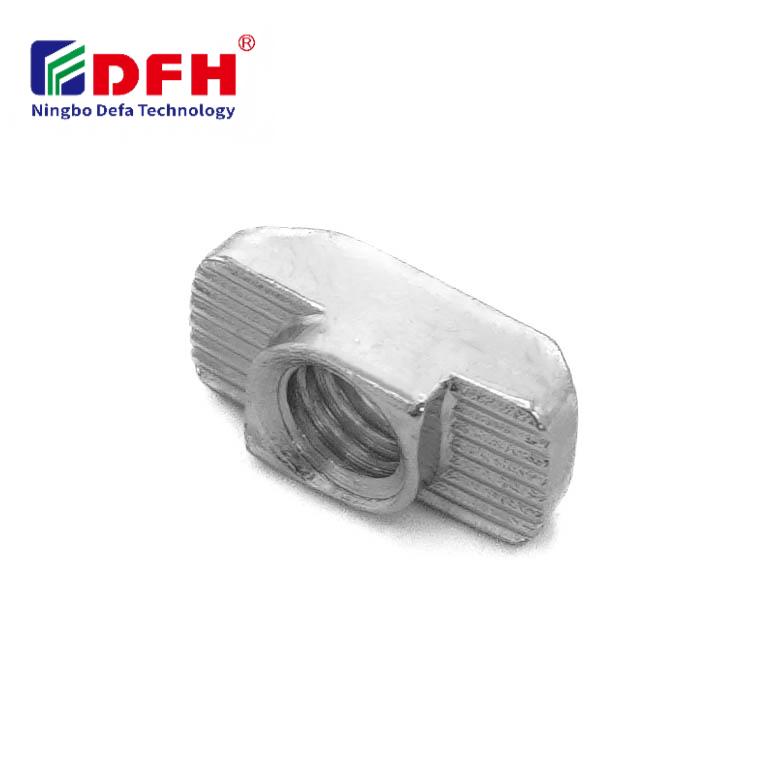
T-slot channels integrated into the aluminum profile enable rapid assembly without drilling additional holes, dramatically accelerating construction of industrial aluminum components and aluminum structural framing systems. Slot positioning, depth, and width can be customized to accommodate your specific fastening hardware and assembly methodology. Multiple slot patterns within a single aluminum extrusion profile allow simultaneous mounting of diverse components along the entire structural element, simplifying assembly procedures and reducing part inventory requirements across your production operations.
Specialized mounting bosses, threaded inserts, and alignment features can be incorporated during the extrusion process, eliminating secondary machining operations. This integrated functionality approach reduces labor costs while improving precision and repeatability across high-volume manufacturing runs of your custom aluminum components.
Cooling channels within aluminum extrusion profiles enable thermal management in equipment where heat dissipation affects performance or safety. Internal wiring channels route electrical connections through the aluminum structural framing system, improving organization and protecting cables from environmental damage. Reinforced ribs and webs built into the profile design enhance rigidity without proportional weight increases, optimizing the strength-to-weight ratio for aerospace or transportation applications. These advanced customization options transform basic aluminum profiles into fully integrated structural and functional systems, reducing assembly time and improving overall equipment performance.
Modern aluminum extrusion facilities maintain dimensional tolerances of ±0.5 millimeters for standard industrial aluminum components, with tighter tolerances possible for specific applications at slightly higher cost. Profile straightness and perpendicularity can be controlled to support precise assembly requirements in demanding industrial environments.
Yes, material grade selection combined with advanced surface treatments provides comprehensive corrosion protection for harsh environments. 5000-series aluminum extrusion alloys paired with hard-coat anodizing or specialized coatings deliver exceptional durability in marine, chemical, and salt-spray applications requiring maximum protection.
Work with experienced aluminum extrusion manufacturers to develop detailed specifications including cross-sectional geometry, alloy grade, temper, dimensional tolerances, slot patterns, and surface finishes. Prototype samples validate design feasibility before full-scale production, ensuring your custom aluminum profile specifications meet both functional and cost objectives.
2026/09/30
Source aluminum profiles for versatile modular framing. Learn extrusion mechanics, strength benefits & corrosion resistance. Request details.
2026/09/30
Source aluminum profiles for construction projects. Learn structural framing, cladding & window benefits for maximum ROI. Download guide.
2026/09/30
Source optimal aluminum profile sizing techniques. Evaluate load, space, alloy, environment & cost factors to prevent deflection. Download guide.
2026/09/30
Struggling with fastener failures or rework? Master screw sizing by diameter, pitch, material, and load—plus industry-specific standards. Optimize reliability & compliance now.
2026/09/30
Source aluminum profiles for industrial engineering. Discover strength-to-weight ratios, corrosion resistance & 30% cost savings. Download guide.
2026/09/30
Source heat-resistant aluminum profile systems. Master thermal expansion science & stress management strategies for industrial builds. Download guide.