EN
EN
What is Aluminum Profile and How Does It Work?
2026/09/30
Source aluminum profiles for versatile modular framing. Learn extrusion mechanics, strength benefits & corrosion resistance. Request details.
2026/09/15
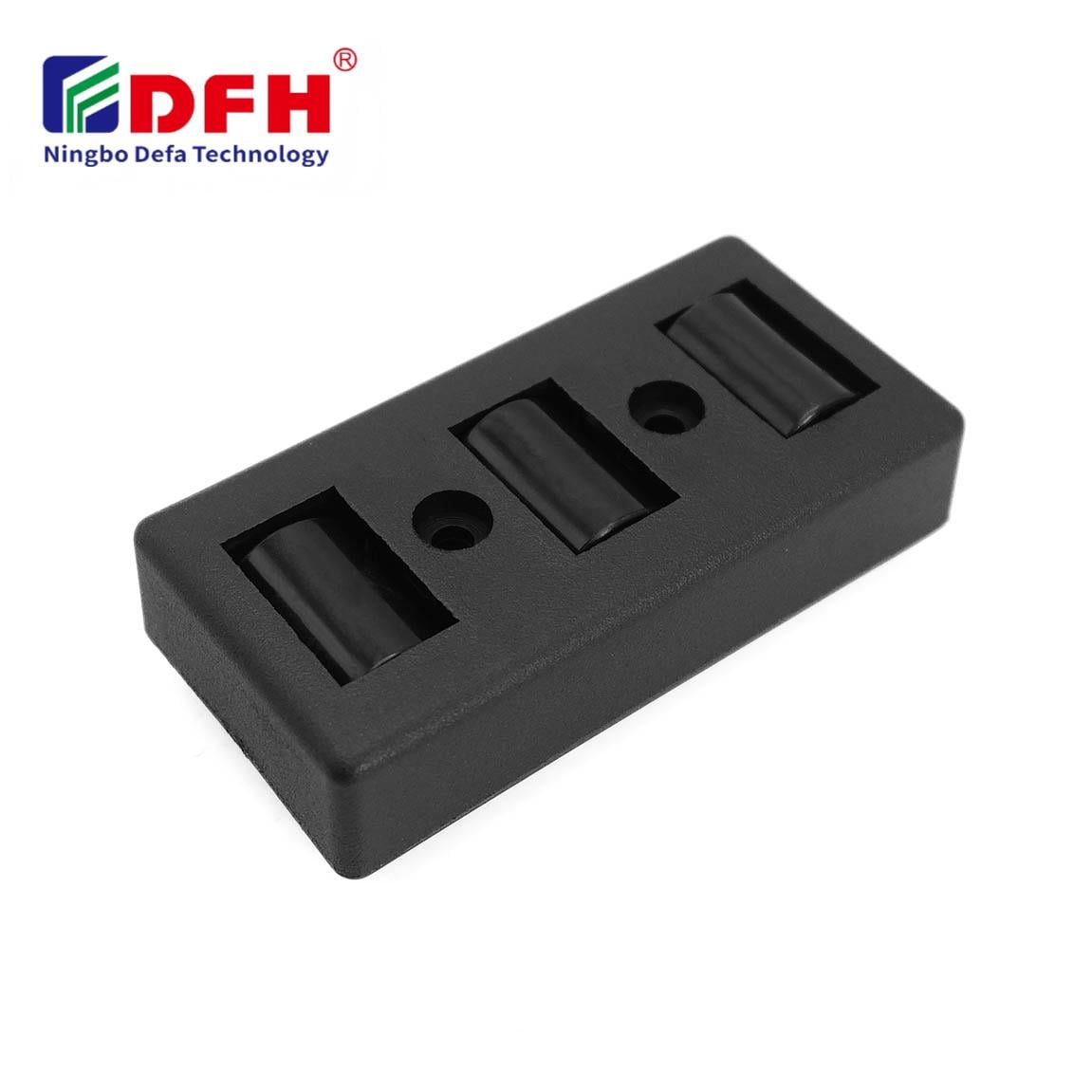
A Pipe Rack System is essential infrastructure in numerous industrial sectors, providing organized support, alignment, and protection for complex piping networks. These systems enable industries to manage fluid and gas distribution efficiently while maintaining safety and operational reliability. Understanding which industries depend most on these frameworks reveals the critical role these structures play in modern industrial operations and helps businesses invest in appropriate infrastructure solutions.
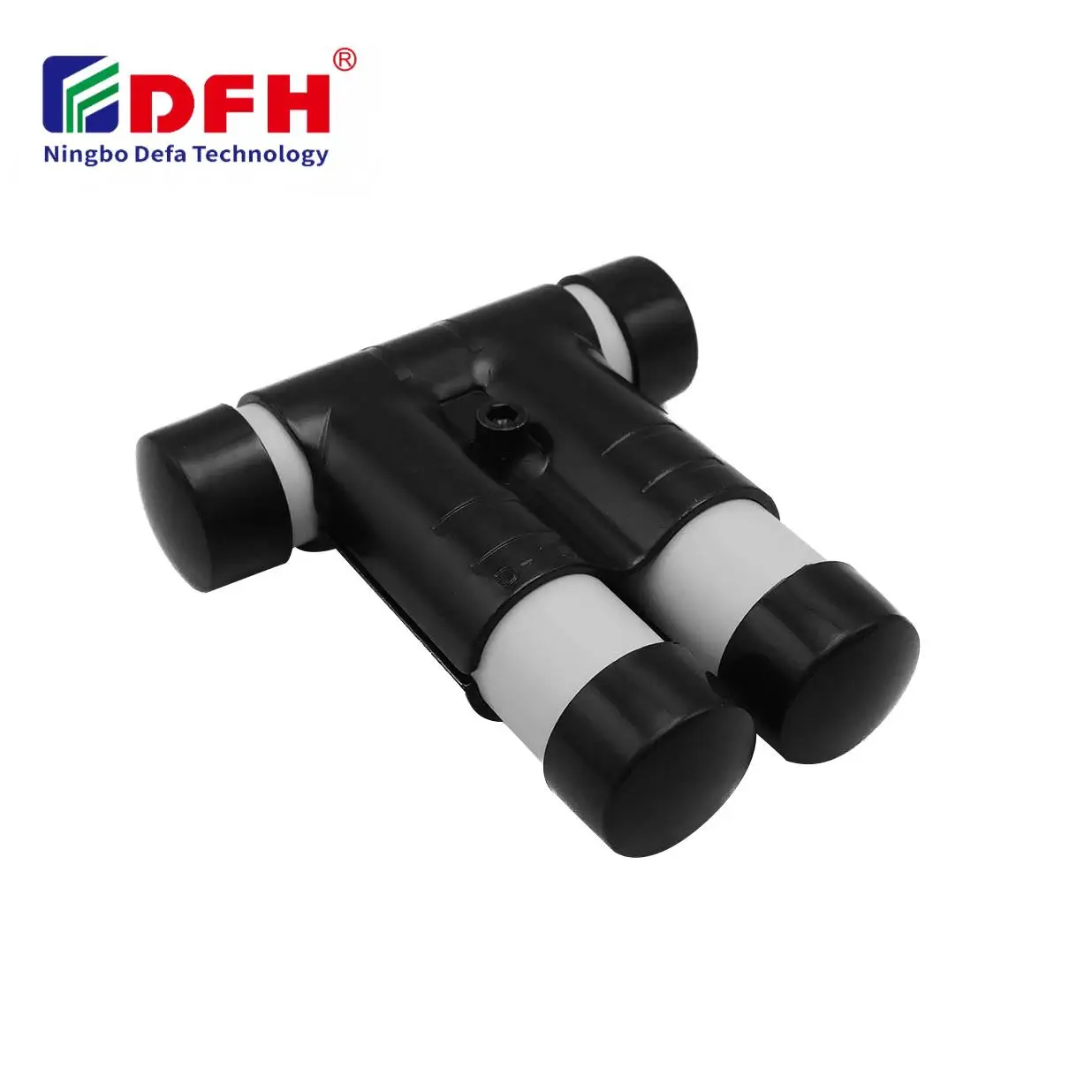
Industrial piping support structures serve as the backbone for transporting resources across manufacturing facilities, refineries, chemical plants, and power generation stations. The heavy-duty pipe support installation requirements vary significantly depending on industry-specific demands, flow rates, environmental conditions, and regulatory standards. By examining which sectors prioritize these systems most heavily, facility managers and engineers can better understand infrastructure investment trends and best practices for their own operations.
The oil and gas refining sector represents one of the largest consumers of specialized mounting frameworks. Refineries process crude oil through multiple stages, requiring extensive networks of piping that transport crude, intermediate products, and refined outputs. A modular pipeline framework allows refineries to organize hundreds of miles of piping across sprawling facilities while maintaining heat resistance, vibration control, and corrosion protection. These systems must support extreme temperatures, pressures, and chemical exposure, making robust infrastructure deployment a non-negotiable investment in operational safety and efficiency.
Both offshore platforms and onshore oil production facilities depend heavily on pipe rack systems to manage crude extraction and transport. Offshore environments demand corrosion-resistant materials and robust anchoring systems that withstand salt spray and high winds. Onshore operations require adaptable network designs that can be expanded or modified as drilling sites evolve. The financial impact of pipeline failure in this sector is severe, driving continuous investment in reliable support configurations and preventive maintenance programs.
Chemical plants and petrochemical facilities operate some of the most demanding piping networks in industrial sectors. These operations require simultaneous transport of incompatible substances, necessitating parallel elevated routing setups that prevent cross-contamination while optimizing floor space. Rigorous hardware assembly in chemical facilities must account for thermal cycling, vibration from large pumps and compressors, and the need for rapid isolation and maintenance access. Flexible structural designs enable these facilities to reconfigure operations quickly when product lines change or capacity requirements shift.
Chemical manufacturing operates under strict regulatory frameworks that mandate specific piping organization, labeling, and accessibility standards. Industrial piping support structures must integrate color-coded systems, pressure relief provisions, and emergency isolation points that meet both ASME and local environmental codes. The complexity of these requirements drives continuous innovation in infrastructure design, with many chemical facilities upgrading to newer heavy-duty pipe support installation methods that incorporate real-time monitoring and automated valve controls.
Power generation facilities, particularly thermal and nuclear plants, depend on extensive support grids to distribute cooling water, steam, and fuel throughout massive operational environments. A modular pipeline framework in power plants must handle extreme temperatures, maintain precise pressure differentials, and support redundant systems for safety-critical cooling functions. These engineered supports must meet nuclear regulatory commission standards or equivalent international certifications, making them among the most rigorously engineered systems in any industrial sector.
District heating networks and combined heat and power facilities utilize extensive distribution networks to transport hot water and steam across urban and industrial areas. Specialized mounting in these applications requires careful thermal expansion planning, insulation integration, and vibration dampening to prevent noise and structural stress. The longevity and reliability of these adaptive layouts directly impact service continuity for thousands of connected facilities and homes, making system design and maintenance critical operational concerns for utility operators.
Oil and gas refining, chemical and petrochemical manufacturing, and power generation rely most heavily on this equipment. These sectors operate complex networks requiring durable backbone components to manage extreme conditions, maintain safety standards, and optimize operational efficiency. Heavy-duty pipe support installation is fundamental to their operational success.
Such an adaptable setup provides flexibility, scalability, and organized piping management in industrial environments. These systems allow facilities to reconfigure, expand, or upgrade operations without complete infrastructure replacement. Supports designed as modular systems reduce downtime and maintenance costs while supporting safety-critical functions.
Industries like chemicals, pharmaceuticals, and power generation operate under stringent regulatory codes that dictate mounting specifications, labeling, accessibility, and safety features. Proper foundational assembly must incorporate compliance mechanisms from design through final inspection. These requirements ensure that industrial piping support structures protect workers, prevent environmental contamination, and maintain operational reliability.
2026/09/30
Source aluminum profiles for versatile modular framing. Learn extrusion mechanics, strength benefits & corrosion resistance. Request details.
2026/09/30
Source aluminum profiles for construction projects. Learn structural framing, cladding & window benefits for maximum ROI. Download guide.
2026/09/30
Source optimal aluminum profile sizing techniques. Evaluate load, space, alloy, environment & cost factors to prevent deflection. Download guide.
2026/09/30
Struggling with fastener failures or rework? Master screw sizing by diameter, pitch, material, and load—plus industry-specific standards. Optimize reliability & compliance now.
2026/09/30
Source aluminum profiles for industrial engineering. Discover strength-to-weight ratios, corrosion resistance & 30% cost savings. Download guide.
2026/09/30
Source heat-resistant aluminum profile systems. Master thermal expansion science & stress management strategies for industrial builds. Download guide.