EN
EN
What is Aluminum Profile and How Does It Work?
2026/09/30
Source aluminum profiles for versatile modular framing. Learn extrusion mechanics, strength benefits & corrosion resistance. Request details.

2026/09/20
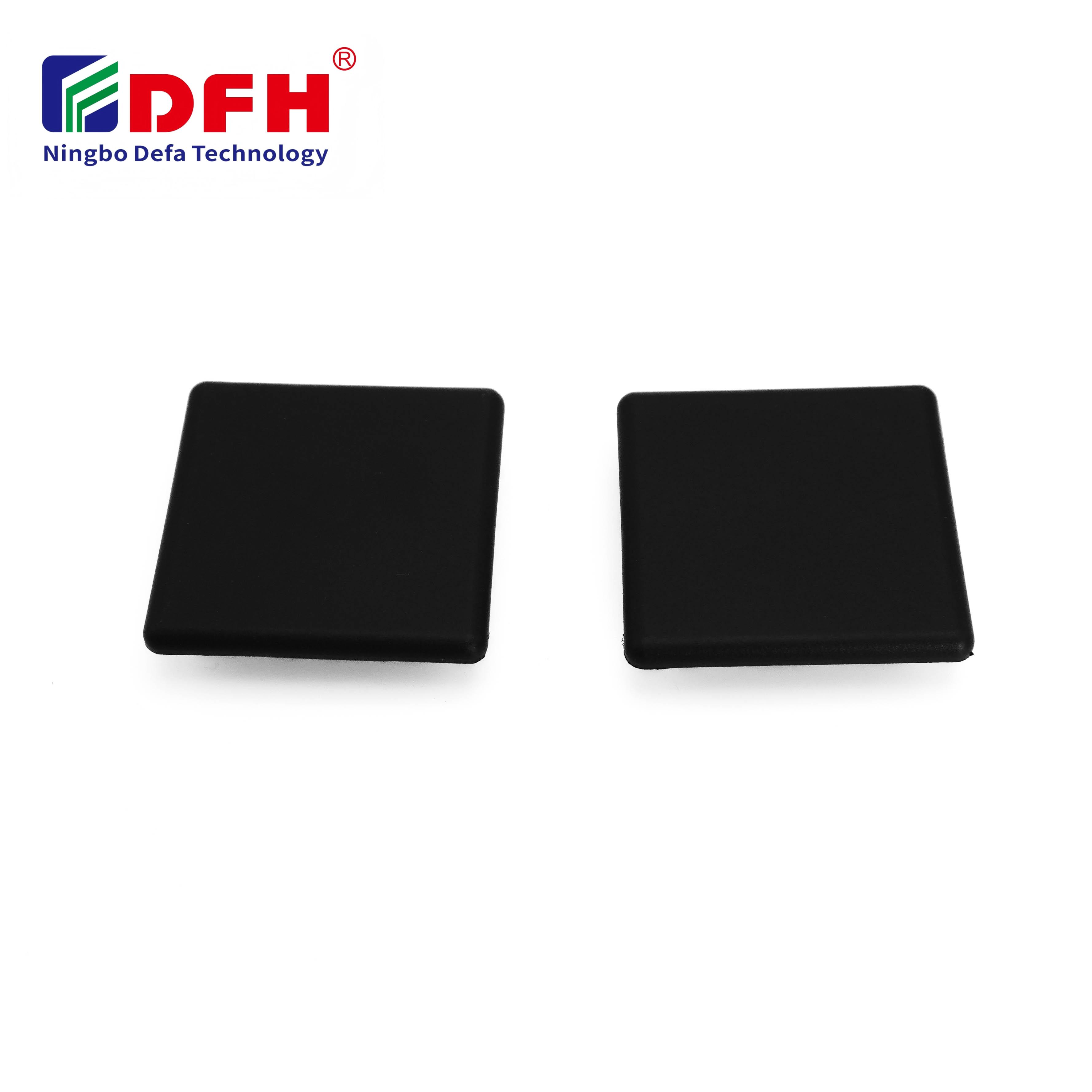
An End Cap is a protective covering designed to seal, protect, and finish the exposed ends of extruded profiles, channels, and structural components. In industrial manufacturing and construction applications, an end cap serves as both a functional safeguard and an aesthetic finishing element. Without proper profile end closure protection, exposed aluminum extrusion ends are vulnerable to contamination, corrosion, physical damage, and environmental degradation that compromise structural integrity and operational lifespan.
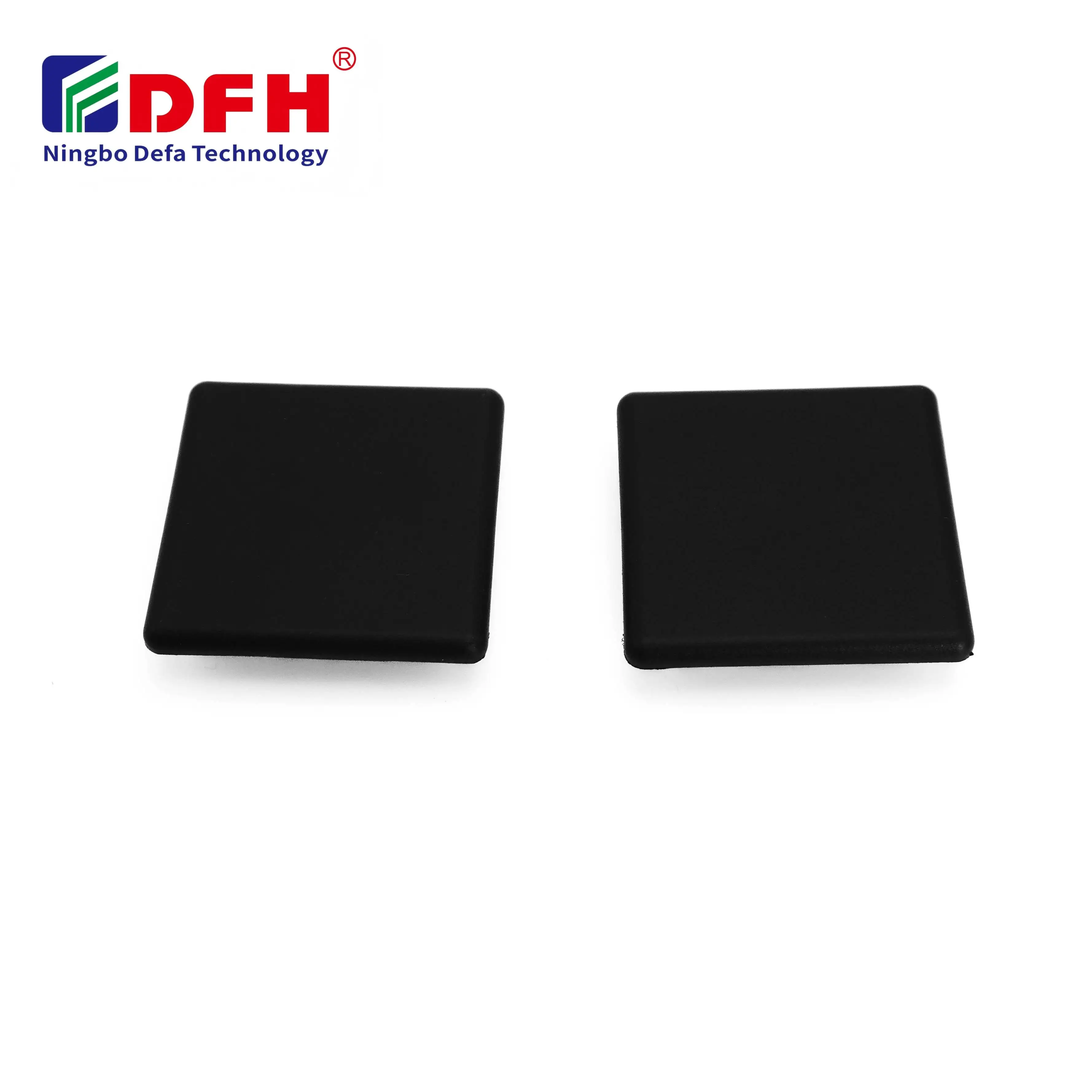
Modern industrial operations require precision components that perform reliably under demanding conditions. An end cap provides aluminum extrusion finishing that prevents moisture intrusion, dust accumulation, and oxidative stress on critical surfaces. By investing in quality end caps and channel cap covers, manufacturers protect their equipment investments, extend asset lifespan, ensure worker safety, and maintain compliance with industry standards and specifications.
Aluminum extrusions are widely used in automotive, electronics, construction, furniture, and industrial machinery due to their strength-to-weight ratio and corrosion resistance. However, the exposed ends of these profiles create vulnerability points. An end cap delivers critical profile end closure that seals hollow chambers, prevents foreign material intrusion, and protects the internal geometry of the extrusion. This protection is especially important in harsh environments where moisture, salt, chemicals, or particulates would otherwise degrade exposed surfaces rapidly.
A channel cap cover serves multiple simultaneous functions in industrial design and assembly. It prevents dirt and debris from entering internal channels and slots, protects workers from sharp edges and burrs left by cutting operations, maintains the aesthetic appearance of finished products, reduces electromagnetic interference in sensitive applications, and provides thermal protection in certain environments. When selecting an end cap for your aluminum extrusion finishing requirements, evaluating these functional demands ensures you choose the right profile end closure solution for your specific use case.
End caps find critical applications across diverse industries. In automotive manufacturing, they protect fuel and coolant lines while contributing to lightweight vehicle design. In pharmaceutical and food processing facilities, sealed aluminum extrusion finishing prevents contamination and meets strict hygiene standards. Construction and architectural projects rely on channel cap covers for weather protection and visual consistency in window frames, railings, and structural elements. Electronics manufacturers use end caps to shield internal components from moisture and static discharge, while renewable energy installations benefit from corrosion protection in coastal or chemically challenging environments.
Choosing the right end cap requires evaluating material compatibility, environmental exposure conditions, installation method, and cost considerations. Common materials include nylon, rubber, silicone, and thermoplastic compounds, each offering distinct advantages in flexibility, temperature resistance, chemical compatibility, and durability. The profile end closure you select must accommodate thermal expansion, vibration resistance, and compatibility with your aluminum extrusion dimensions and tolerances. Installation simplicity, removability for maintenance, and long-term retention under operational stress all influence whether a specific aluminum extrusion finishing solution will perform reliably throughout its service life.
Implementing comprehensive profile end closure strategies protects capital investments in equipment and materials. An end cap prevents anodize damage that would otherwise reduce corrosion resistance, eliminates costly rework caused by contamination, and extends replacement cycles significantly. Facilities that prioritize quality aluminum extrusion finishing experience fewer production interruptions, reduced maintenance expenses, and improved product consistency. The modest cost of channel cap covers is quickly offset by avoided failures, warranty claims, and reputation damage from defective end products reaching customers.
Effective implementation begins with accurate dimensional assessment of your extrusions and comprehensive cataloging of environmental exposure conditions. Establish clear specifications for your end cap requirements, including material grade, insertion depth, retention force, and removal accessibility. Train assembly and maintenance teams on proper installation techniques to ensure consistent performance across all installations. Develop preventive maintenance protocols that include periodic inspection of profile end closure components, replacement scheduling based on degradation indicators, and documentation of which channel cap cover solutions perform best in each operational environment. This systematic approach ensures your aluminum extrusion finishing strategy delivers predictable protection and extends asset life significantly.
End caps are manufactured from various materials including soft nylon, EPDM rubber, silicone compounds, and thermoplastic elastomers. Selection depends on temperature requirements, chemical resistance needs, flexibility demands, and cost constraints. For profile end closure in moderate environments, nylon end caps offer excellent durability and ease of installation. In high-temperature or chemically aggressive applications, silicone or specialty rubber channel cap covers provide superior performance. Your aluminum extrusion finishing choice should align with the specific operational stresses your equipment will encounter.
Proper sizing requires precise measurement of your extrusion's outer dimensions, internal cavity geometry, and wall thickness. Measure the profile end closure opening across both axes to ensure your end cap fits securely without excessive force that could cause distortion. Consult dimensional specifications from your aluminum extrusion supplier or contact cap manufacturers with your extrusion cross-section drawings. A channel cap cover that is oversized will not seal effectively, while undersized caps will not provide complete profile end closure protection. Professional sizing guidance prevents installation failures and ensures reliable performance.
Most quality end caps designed for aluminum extrusion finishing can be removed and reinstalled several times without significant degradation, though repeated cycles gradually reduce retention force. Nylon and rubber end caps typically tolerate 5–10 removal cycles before material fatigue compromises grip characteristics. For applications requiring frequent access, consider slip-fit channel cap cover designs that prioritize removability over permanent sealing. Snap-fit or press-fit profile end closure solutions provide stronger retention but are better suited for applications where removal occurs infrequently. Evaluate your maintenance requirements when selecting the appropriate end cap retention mechanism.
2026/09/30
Source aluminum profiles for versatile modular framing. Learn extrusion mechanics, strength benefits & corrosion resistance. Request details.
2026/09/30
Source aluminum profiles for construction projects. Learn structural framing, cladding & window benefits for maximum ROI. Download guide.
2026/09/30
Source optimal aluminum profile sizing techniques. Evaluate load, space, alloy, environment & cost factors to prevent deflection. Download guide.
2026/09/30
Struggling with fastener failures or rework? Master screw sizing by diameter, pitch, material, and load—plus industry-specific standards. Optimize reliability & compliance now.
2026/09/30
Source aluminum profiles for industrial engineering. Discover strength-to-weight ratios, corrosion resistance & 30% cost savings. Download guide.
2026/09/30
Source heat-resistant aluminum profile systems. Master thermal expansion science & stress management strategies for industrial builds. Download guide.