EN
EN
What is Aluminum Profile and How Does It Work?
2026/09/30
Source aluminum profiles for versatile modular framing. Learn extrusion mechanics, strength benefits & corrosion resistance. Request details.

2026/09/21
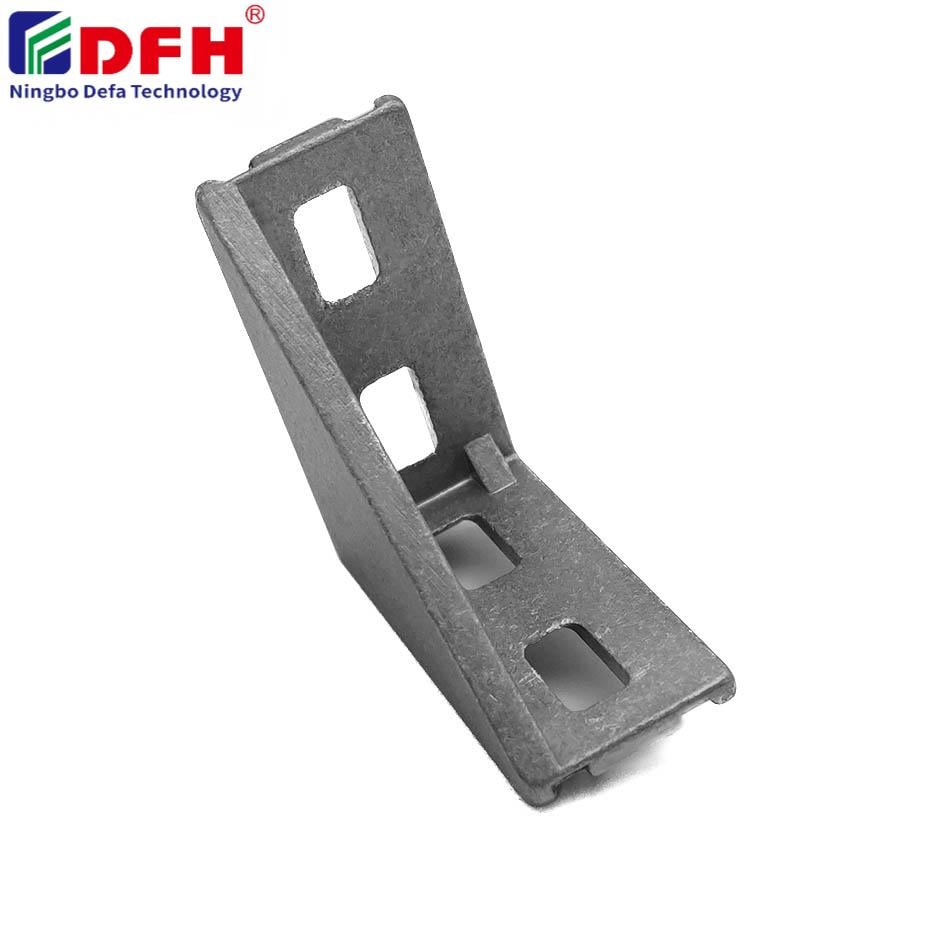
End connectors are critical components in industrial assembly systems, serving as the interface between structural elements and fastening systems. These components must meet rigorous performance standards to ensure reliability, safety, and longevity in demanding applications. Understanding what performance standards end connectors should meet is essential for engineers, manufacturers, and procurement professionals who specify or select these components for structural assembly projects.
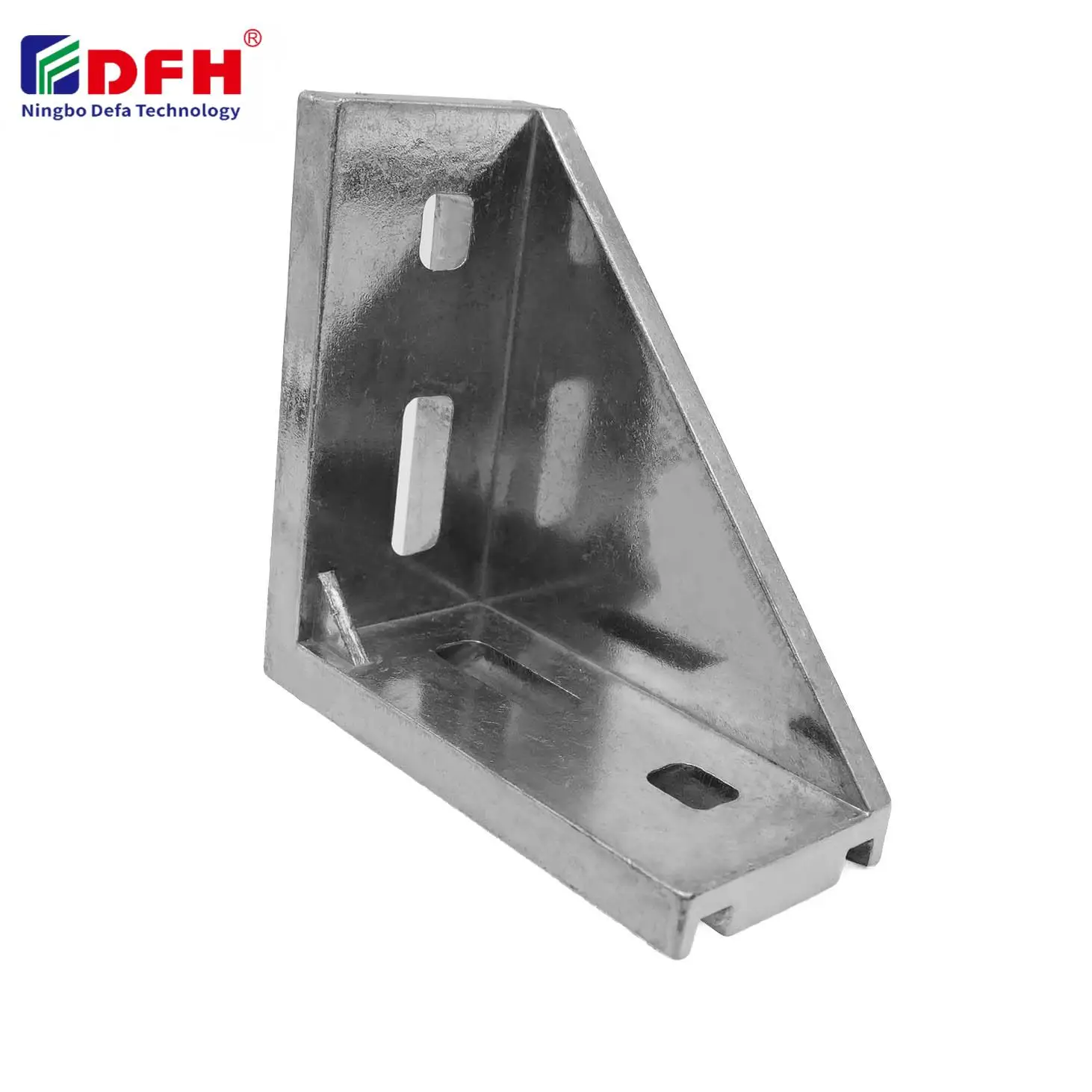
The performance expectations for end connectors extend far beyond basic compatibility. They must deliver consistent load-bearing capacity, environmental resistance, and dimensional accuracy across thousands of installation cycles. This article explores the fundamental performance standards that end connectors must satisfy, examining material specifications, mechanical properties, and functional requirements that define acceptable quality in industrial fastening systems.
End connectors must demonstrate predictable and repeatable load-bearing performance under specified conditions. The material composition and cross-sectional geometry directly influence the maximum permissible loads that can be safely applied. Performance standards typically define minimum tensile strength, yield strength, and shear capacity values that connectors must consistently achieve across production batches. These mechanical properties are verified through standardized testing protocols that simulate real-world operating conditions, ensuring that fastening systems maintain structural integrity throughout their service life.
Connector installation procedures rely on accurate load ratings because undersized or overstressed end connectors can lead to premature failure, misalignment, or catastrophic structural collapse. Manufacturers must publish material certifications and load rating tables that clearly specify the maximum safe loads for each connector variant under different application scenarios. This transparency enables engineers to make informed selections and prevents specification errors during structural assembly planning.
Environmental exposure represents a significant performance challenge for end connectors used in outdoor, marine, or chemically aggressive environments. Performance standards mandate specific material selections and surface treatments that resist oxidation, galvanic corrosion, and stress-corrosion cracking. Aluminum alloys, stainless steel, and zinc-plated carbon steel each offer different corrosion resistance profiles that must be matched to the intended application environment. Fastening systems operating in high-humidity, salt-spray, or industrial chemical environments require premium material grades and protective coatings to maintain performance standards over extended service periods.
Accelerated corrosion testing, salt-spray exposure, and electrochemical analysis provide standardized evidence that end connectors meet corrosion resistance benchmarks. These tests validate that connectors retain mechanical properties and dimensional stability even after extended environmental exposure, protecting the structural assembly from long-term degradation that could compromise safety or functionality.
Precision dimensional tolerance is fundamental to connector installation success, particularly in modular structural assembly systems where multiple end connectors must interface seamlessly. Performance standards define acceptable tolerances for bore diameters, flange thickness, fastening hole positions, and reference surfaces that serve as datum points for structural alignment. Tight tolerance specifications ensure that connectors from different production batches remain interchangeable, reducing inventory complexity and preventing assembly delays caused by dimensional mismatch.
Coordinate measurement machines and calibrated gauges verify that end connectors conform to published tolerance bands before shipment. These dimensional performance standards directly impact connector installation speed and assembly quality, as loose tolerances force field technicians to perform remedial work, reduce structural alignment accuracy, or reject incompatible parts entirely. Production quality control must demonstrate consistent achievement of dimensional specifications through statistical process control and regular verification testing.
The surfaces where end connectors engage with fastening bolts, structural beams, or other assembly components must meet defined roughness, flatness, and surface defect standards. Performance specifications prohibit excessive burring, scratching, or surface irregularities that could compromise clamping force uniformity, reduce contact area, or trap corrosive moisture. Fastening systems achieve optimal preload distribution and vibration resistance when connector bearing surfaces remain smooth, flat, and clean within specified parameters.
Standard surface finish metrics, defined in ISO and ASTM specifications, establish acceptable roughness values measured in microinches or micrometers. Connector manufacturers employ deburring, polishing, or grinding processes to achieve these surface quality targets, then verify conformance through random sampling and statistical monitoring throughout each production run.
Many structural assembly applications subject end connectors to repetitive loading cycles that gradually accumulate microscopic damage within the material. Performance standards establish fatigue strength values that represent the maximum stress level at which connectors can survive millions of load cycles without initiating cracks or permanent deformation. These standards are particularly critical for mechanical fastening systems operating in machinery, transportation equipment, or wind turbine structures where cyclic loading is inevitable and failure consequences are severe.
Fatigue testing typically involves applying stress amplitudes well below the static yield strength, then counting the number of cycles completed before specimen failure occurs. This data establishes S-N curves that define safe operating windows for different connector designs and materials. Engineers reference these fatigue performance standards when selecting end connectors for applications where dynamic loading, vibration, or repeated assembly-disassembly cycles are expected.
Structural assembly systems sometimes encounter sudden impact loads or shock events that temporarily exceed normal operating stresses. Performance standards for end connectors must account for impact absorption capability and plastic deformation limits that prevent brittle fracture or permanent loss of functionality. Notched impact tests, drop-weight testing, and controlled impact simulations verify that connector materials possess adequate toughness and do not exhibit excessive brittleness at low temperatures or under high-rate loading conditions.
This performance requirement protects against catastrophic failure during handling, installation mishaps, or unexpected service events. Connector materials exhibiting poor impact resistance may fracture suddenly during installation, creating safety hazards for workers and compromising the structural assembly reliability that customers depend upon.
Standard testing protocols include tensile strength measurement, yield point determination, fatigue life testing, corrosion exposure simulation, dimensional verification through coordinate measurement, surface finish assessment, and impact resistance evaluation. Third-party laboratories and in-house quality facilities employ these standardized methods to generate independent evidence that end connectors satisfy specified performance criteria. Test reports provide documented proof of conformance that end users and engineers require for specification approval and regulatory compliance.
When end connectors fail to meet dimensional, material, or surface finish performance standards, connector installation becomes problematic, time-consuming, and error-prone. Dimensional variation causes misalignment that forces technicians to apply excessive force, risking damage to fastening systems or structural assembly components. Poor surface finish reduces clamping pressure uniformity, while material defects create stress concentration points where premature failure initiates under moderate operational loads.
Fastening systems used in aerospace, automotive, industrial machinery, and infrastructure applications must deliver absolute reliability because connector failure could cause injury, environmental damage, or massive economic loss. Performance standards establish minimum acceptable baselines that ensure consistent quality, predictable behavior, and documented safety margins across all production batches. Engineers designing critical structural assemblies depend on these standards to demonstrate that component quality meets regulatory requirements and risk management objectives.
2026/09/30
Source aluminum profiles for versatile modular framing. Learn extrusion mechanics, strength benefits & corrosion resistance. Request details.
2026/09/30
Source aluminum profiles for construction projects. Learn structural framing, cladding & window benefits for maximum ROI. Download guide.
2026/09/30
Source optimal aluminum profile sizing techniques. Evaluate load, space, alloy, environment & cost factors to prevent deflection. Download guide.
2026/09/30
Struggling with fastener failures or rework? Master screw sizing by diameter, pitch, material, and load—plus industry-specific standards. Optimize reliability & compliance now.
2026/09/30
Source aluminum profiles for industrial engineering. Discover strength-to-weight ratios, corrosion resistance & 30% cost savings. Download guide.
2026/09/30
Source heat-resistant aluminum profile systems. Master thermal expansion science & stress management strategies for industrial builds. Download guide.