EN
EN
What is Aluminum Profile and How Does It Work?
2026/09/30
Source aluminum profiles for versatile modular framing. Learn extrusion mechanics, strength benefits & corrosion resistance. Request details.

2026/09/09
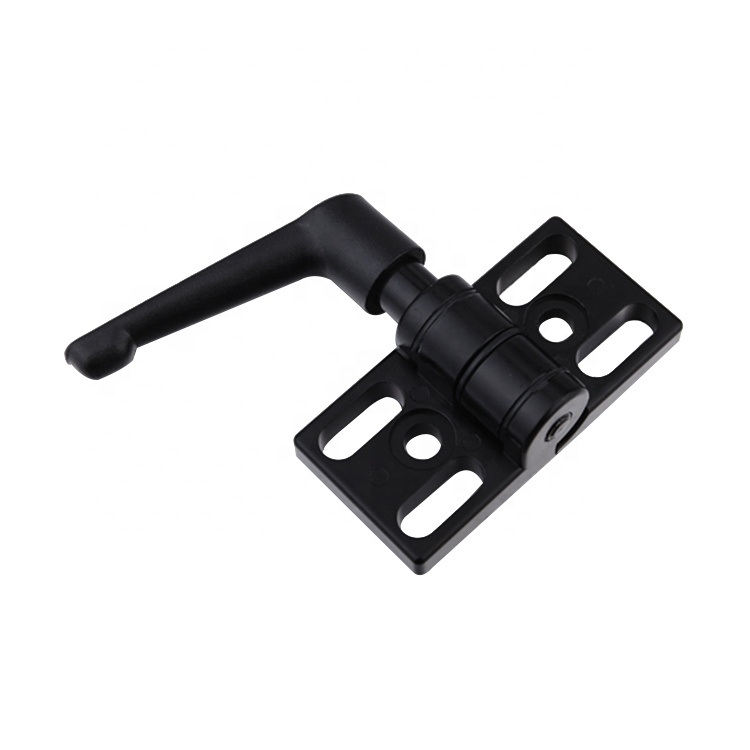
Safety standards governing hinge installation are essential for ensuring structural integrity, worker protection, and regulatory compliance across industrial, commercial, and residential applications. Whether you are installing a door hinge, cabinet hinge, or pivot hinge, understanding the applicable safety frameworks protects both end-users and your organization from liability. This article explores the key safety standards, compliance requirements, and best practices that apply to hinge installation across different environments.
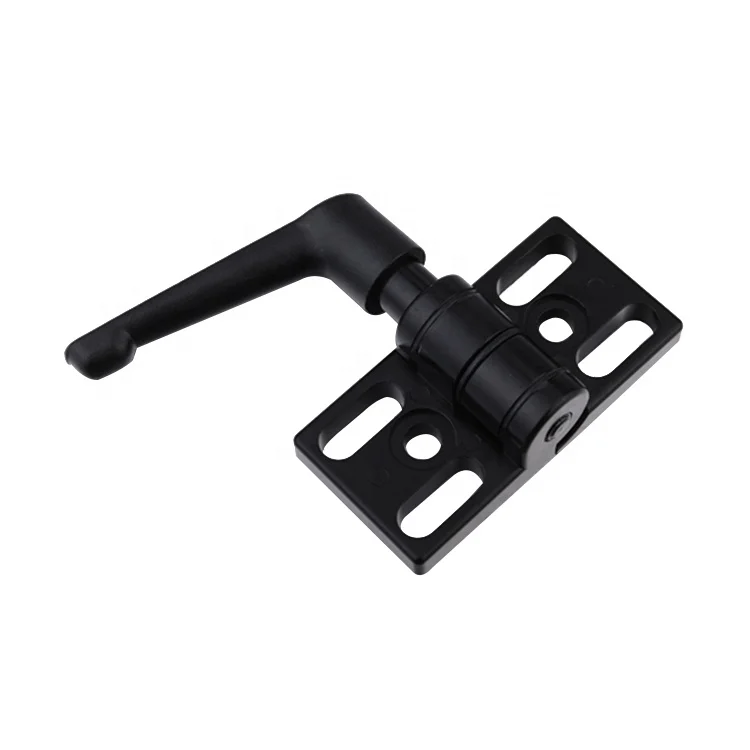
Hinge selection and installation must align with regional regulations, material specifications, load-bearing requirements, and fire safety codes. Different applications demand different compliance profiles; a commercial door hinge faces different regulatory demands than a cabinet hinge used in residential kitchens or a pivot hinge supporting heavy architectural panels. Understanding these distinctions prevents installation failures, safety incidents, and costly remediation.
In North America, the American National Standards Institute (ANSI) establishes rigorous guidelines for door hinge performance and installation. ANSI/BHMA A156.1 specifies functional requirements, testing procedures, and performance grades for commercial door hinges. This standard covers load capacity, cycle testing, corrosion resistance, and finish durability. A door hinge certified to ANSI A156.1 Grade 1 is rated for heavy-duty commercial use, while Grade 3 serves standard commercial or institutional applications. Meeting these specifications ensures that your door hinge withstands repeated opening and closing cycles without premature failure or safety hazards.
ANSI/BHMA standards also address the structural requirements for installation, including bolt diameter, screw gauge, and wood or metal substrate compatibility. Failure to follow these specifications can compromise load distribution and create fall or collision risks in high-traffic environments. The cabinet hinge, while lighter-duty, must still comply with appropriate ANSI specifications if installed in commercial kitchens, laboratories, or industrial storage areas where safety and reliability are critical.
European hinges must comply with EN 1935, the primary European standard for architectural hardware performance. EN 1935 defines strength classifications, corrosion categories, and installation requirements for both door hinges and cabinet hinges used throughout the EU and many other regions. A pivot hinge in a European commercial building must demonstrate compliance with these standards through CE marking, confirming that the product has been tested and meets mandatory safety thresholds. The standard covers load ratings, cycle endurance, and material composition to prevent hazards like door collapse or unstable cabinet doors in shared spaces.
EN 1935 also specifies corrosion resistance categories, particularly important for hinges installed in wet environments such as hospitals, food facilities, or outdoor structures. A stainless steel or powder-coated door hinge rated for C5-M (marine high corrosion) ensures durability and safety in challenging climates. Non-compliance with these standards can result in regulatory fines, project delays, and liability exposure in European markets.
Every hinge carries a maximum load rating that must be verified during installation planning. A door hinge designed for 250 pounds cannot safely support a 400-pound heavy-duty freezer door in a commercial kitchen; exceeding this limit causes accelerated wear, misalignment, and potential door failure. Similarly, a cabinet hinge rated for 100 pounds must not be used for heavy steel drawers or equipment cabinets; undersized hardware creates pinch hazards and structural collapse risks. The pivot hinge, while designed for architectural applications, has specific load limits that vary by model, material, and mounting configuration.
Calculating total load includes not only the door or panel weight but also dynamic forces from repeated opening and closing, wind pressure, and seismic activity in applicable regions. Installation procedures must specify the number of hinges required, their spacing, and substrate fastening depth to distribute load safely. Improper installation—such as using drywall anchors instead of studs for a heavy door hinge—violates safety standards and creates liability. Professional installers must verify load calculations and confirm that substrate material (wood, metal, or composite) can support the specified fastening method without failure.
Safety standards mandate cycle-testing protocols to ensure hinges function reliably under repeated use. A commercial door hinge in an emergency exit must perform consistently across hundreds of thousands of open-close cycles; ANSI testing includes 500,000 cycles for Grade 1 hinges. Cabinet hinge testing, though less rigorous, ensures that daily household or light commercial use does not cause premature wear, sagging, or misalignment. A pivot hinge supporting large glass panels undergoes specialized testing to confirm that structural deflection remains within acceptable limits even after extended use.
Installation procedures must include maintenance schedules that comply with manufacturer recommendations and safety standards. Regular inspection of hinge fasteners, lubrication points, and alignment prevents wear-related failures. Neglected hinges become safety hazards, particularly in high-traffic commercial environments where door failure could injure occupants or disrupt emergency access. Documentation of maintenance activities demonstrates compliance with applicable standards and reduces liability.
Fire-rated door systems require hinges that meet ANSI/NFPA standards for fire-rated door assemblies. A door hinge used on a fire-rated entry door must maintain structural integrity at elevated temperatures and prevent door separation during fire events. ANSI/NFPA 80 specifies that hinges in fire-rated assemblies must withstand temperature exposure and mechanical shock without failure. Material composition, finish, and fastening methods are all governed by these standards to ensure that hinges do not become failure points during fire emergencies. Cabinet hinge and pivot hinge selections for commercial spaces must also account for fire safety codes if installed in exit corridors, stairwells, or other designated fire-safety zones.
Installation contractors must verify that all hardware in fire-rated assemblies carries appropriate fire-rating labels and certifications. Substituting a standard stainless door hinge for a fire-rated model—even if structurally identical—violates fire safety codes and voids fire-rating certifications. Inspectors and building authorities frequently audit hardware compliance, particularly in healthcare facilities, educational institutions, and high-occupancy commercial buildings where fire safety directly impacts life safety.
Environmental exposure determines the corrosion category required for hinge installation. EN 1935 and ISO 12944 define corrosion categories ranging from C2 (low corrosion) for interior dry environments to C5-M (very high corrosion) for marine or industrial settings. A powder-coated hinge rated for C2 corrosion protection is inappropriate for outdoor applications; it will corrode and weaken, creating safety risks. Stainless steel cabinet hinges or specialized coatings ensure longevity and safety in food preparation areas, bathrooms, and other high-humidity environments.
Selecting the correct corrosion category prevents premature failure, maintains aesthetic integrity, and ensures ongoing compliance with safety standards. Corroded hinges lose structural reliability, allowing doors or panels to sag, misalign, or fail unexpectedly. Material specifications and coating selection must be documented as part of the installation specification and verified during procurement to guarantee compliance throughout the hinge's service life.
ANSI/BHMA A156.1 is the primary standard for commercial door hinge performance and installation in North America. It specifies functional requirements, load capacity, cycle testing, and corrosion resistance across three performance grades. Grade 1 applies to heavy-duty commercial use, Grade 2 to medium commercial applications, and Grade 3 to standard commercial or institutional settings. Installers must verify that selected door hinges carry appropriate ANSI certification and that installation procedures comply with the standard's specifications for fastening, spacing, and substrate compatibility.
Calculate total load by summing the weight of the door or panel plus dynamic forces from wind, seismic activity, and repeated opening cycles. Multiply the calculated load by a safety factor (typically 1.5 to 2.0 as specified by local building codes) to determine the required pivot hinge load rating. Consult the hinge manufacturer's specification sheet and installation documentation to confirm that the selected model meets or exceeds this minimum requirement. Professional structural engineers should verify calculations for non-standard applications, architectural panels, or heavy-duty industrial equipment to ensure safety compliance.
Cabinet hinge standards differ from door hinge standards due to lower load requirements and different use environments. Cabinet hinges typically comply with lighter-duty performance specifications because residential and light commercial cabinet applications involve lower repetition cycles and weight loads. However, commercial kitchen cabinets, laboratory storage units, and industrial equipment cabinets must meet commercial standards equivalent to those for door hinges. When specifying a cabinet hinge for commercial installation, verify that it meets appropriate ANSI, EN, or other regional standards applicable to the intended environment and load profile.
2026/09/30
Source aluminum profiles for versatile modular framing. Learn extrusion mechanics, strength benefits & corrosion resistance. Request details.
2026/09/30
Source aluminum profiles for construction projects. Learn structural framing, cladding & window benefits for maximum ROI. Download guide.
2026/09/30
Source optimal aluminum profile sizing techniques. Evaluate load, space, alloy, environment & cost factors to prevent deflection. Download guide.
2026/09/30
Struggling with fastener failures or rework? Master screw sizing by diameter, pitch, material, and load—plus industry-specific standards. Optimize reliability & compliance now.
2026/09/30
Source aluminum profiles for industrial engineering. Discover strength-to-weight ratios, corrosion resistance & 30% cost savings. Download guide.
2026/09/30
Source heat-resistant aluminum profile systems. Master thermal expansion science & stress management strategies for industrial builds. Download guide.