EN
EN
What is Aluminum Profile and How Does It Work?
2026/09/30
Source aluminum profiles for versatile modular framing. Learn extrusion mechanics, strength benefits & corrosion resistance. Request details.

2026/09/10
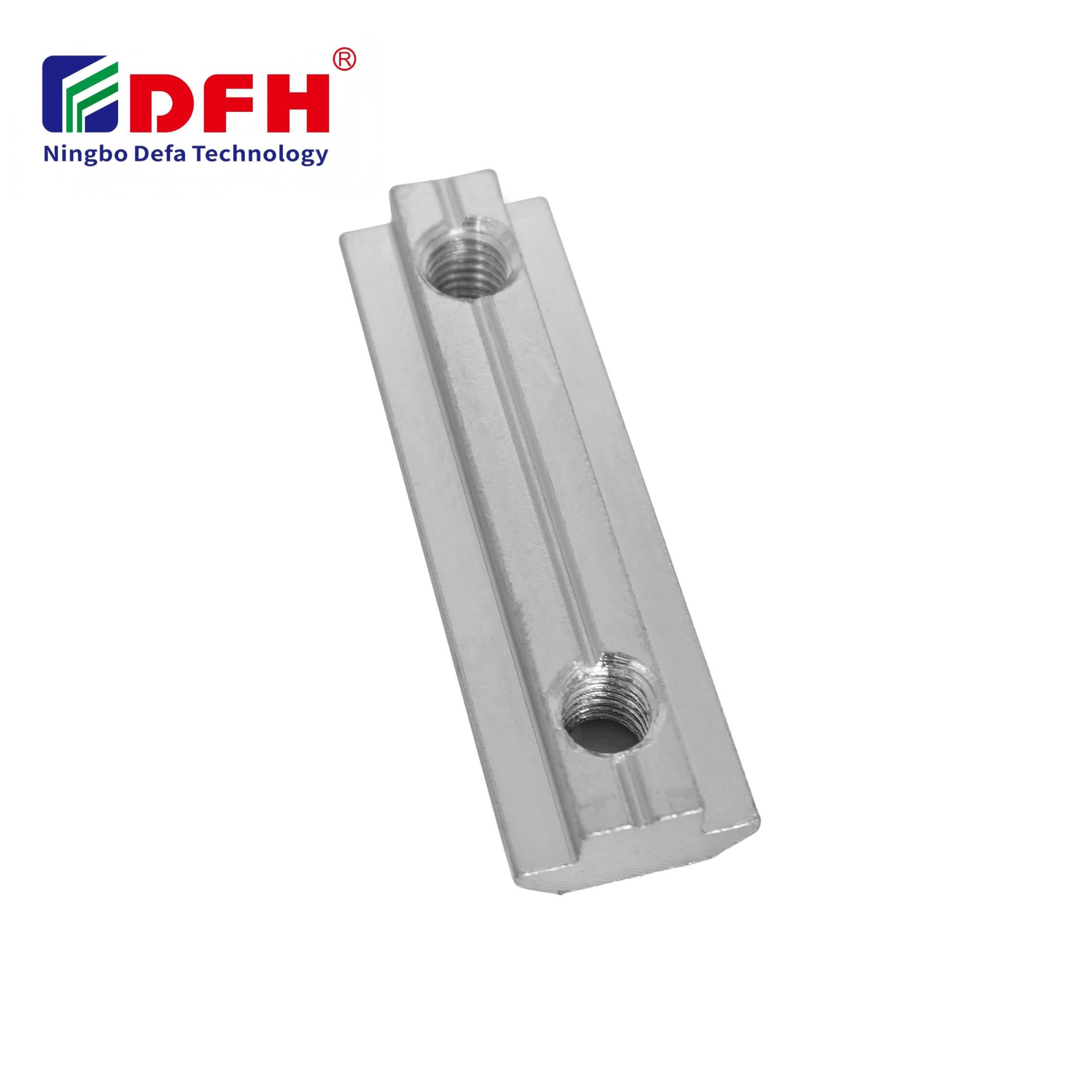
The T nut has become an indispensable component in modern manufacturing environments, particularly in assembly lines, modular production systems, and precision industrial applications. These specialized fasteners serve as critical connection points that enable flexible, repeatable, and highly adaptable assembly processes across countless manufacturing scenarios. Understanding where and how to deploy T nuts effectively can significantly improve production efficiency, reduce setup time, and enhance the overall quality of manufactured products.
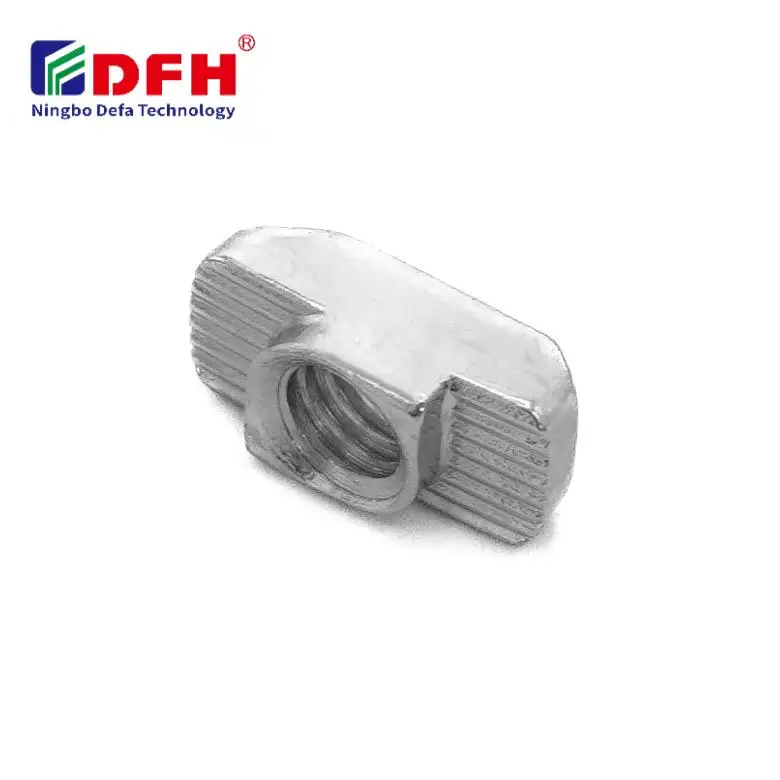
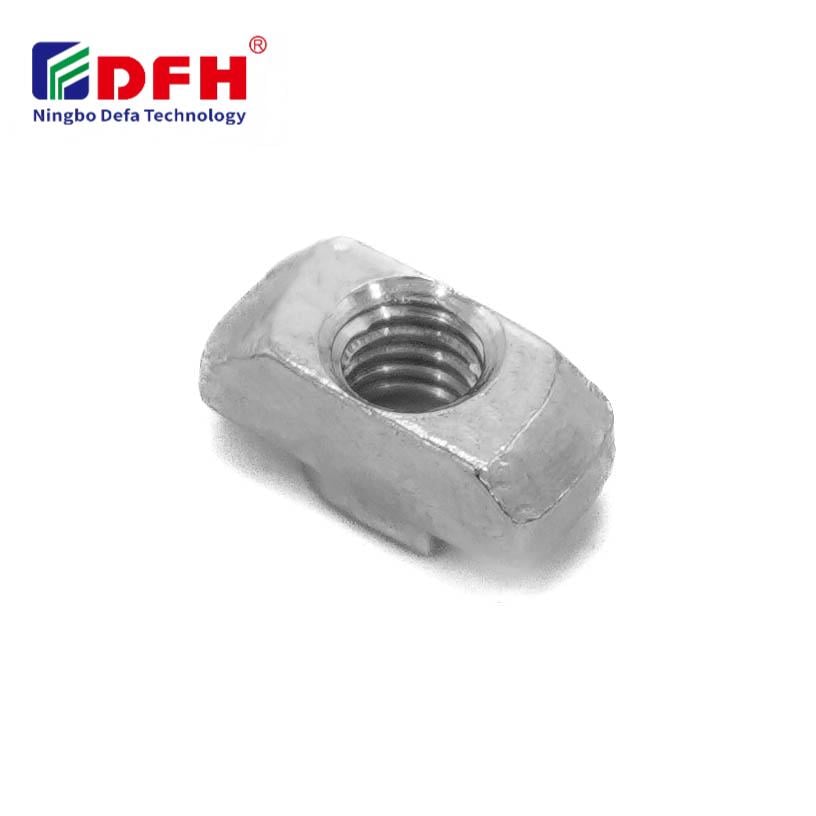
A T nut is a fastening hardware component specifically designed to slot into T-slot channels found on aluminum extrusion profiles, machine frames, and industrial workbenches. The T-slot nut's unique geometry allows it to be inserted from the end of a profile or positioned within an open channel, creating secure mounting points without requiring pre-drilled holes. This flexibility makes the T nut an essential threaded insert solution for manufacturers seeking rapid reconfiguration, modular assembly, and cost-effective production system adjustments.
Aluminum extrusion profiles have revolutionized how manufacturers design and reconfigure production workstations. The T-slot nut fits seamlessly into the channels of these profiles, allowing engineers to attach brackets, supports, sensors, and hardware without welding or permanent modification. Manufacturing facilities use T nut fastening hardware to create modular workbenches that adapt to changing production requirements, seasonal product variations, or new assembly processes. The threaded insert capability enables quick repositioning of equipment, reducing downtime and labor costs associated with traditional mounting methods.
When manufacturers need to adjust production line layouts, the T-slot nut provides unmatched flexibility. Workers can simply slide the T nut along the aluminum profile channel and tighten bolts to secure machinery, conveyors, or fixtures at any desired location. This adaptability is particularly valuable in facilities that produce multiple product variants or frequently update manufacturing processes. The fastening hardware approach eliminates the need for costly machine shop work and allows manufacturers to make layout changes in hours rather than days, directly improving operational responsiveness.
Modern manufacturing automation relies heavily on precise sensor placement and actuator mounting to ensure quality control and operational accuracy. The T nut serves as a threaded insert solution that allows engineers to attach proximity sensors, cameras, pneumatic cylinders, and electrical actuators to T-slot mounting rails and frames. Because the T-slot nut accommodates various bolt sizes and can be positioned anywhere along the channel, automation designers gain the flexibility needed to optimize sensor alignment and actuator geometry without expensive custom fabrication. This capability directly reduces the time and cost of automating production processes.
Industrial machinery requires robust support structures to withstand operational loads and vibration. Manufacturers use the T nut as fastening hardware to assemble reinforcement brackets, vibration dampeners, and structural components onto aluminum machine frames. The threaded insert approach allows engineers to distribute loads efficiently across multiple connection points, enhancing machine rigidity and operational stability. Additionally, the modular nature of T-slot nut assemblies enables manufacturers to upgrade or reinforce machinery without complete redesign, extending equipment lifespan and protecting manufacturing investments.
Manufacturing facilities producing diverse product types require workholding fixtures that adapt to different components and assembly sequences. The T nut provides a fastening hardware foundation that enables rapid fixture design and modification. Engineers can construct modular clamping systems, locating pins, and support structures by securing components to aluminum T-slot profiles using T nut threaded inserts. When product specifications change, operators can reconfigure the fixture by repositioning or replacing components—a process that typically requires only basic hand tools and minimal downtime. This flexibility has made the T-slot nut essential for contract manufacturers and job shops that handle varied production demands.
Achieving precise component location is critical for manufacturing quality and assembly efficiency. The T nut enables manufacturers to position locating pins, support blocks, and alignment fixtures with accuracy and repeatability. Because threaded inserts can be installed at any position along T-slot channels, engineers can fine-tune fixture geometry to match specific component dimensions and assembly requirements. This capability is particularly valuable in industries requiring tight tolerances, such as automotive component manufacturing, precision machinery assembly, and electronics enclosure production. The T-slot nut's adjustability reduces setup errors and improves first-pass assembly success rates.
The T nut threaded insert is available in various materials including steel, aluminum, and stainless steel, supporting bolt sizes from M3 to M12 and larger. The fastening hardware design accommodates different profile depths, allowing manufacturers to select appropriate T-slot nut specifications for specific aluminum extrusions and operational requirements. Most industrial applications use steel T nuts due to their durability and load-bearing capacity, while stainless steel variants are preferred in corrosive environments or food processing applications.
Yes, the T nut threaded insert can be reused multiple times without significant degradation when properly handled. The T-slot nut design allows quick removal and reinstallation without requiring permanent modification to the mounting surface. Manufacturers frequently reposition the fastening hardware as production needs change, making T nuts a cost-effective solution for facilities requiring frequent assembly modifications. Periodic inspection ensures threaded insert integrity, and replacement costs remain minimal compared to the operational flexibility gained.
The T nut threaded insert eliminates the need for permanent structural modifications, allowing manufacturers to adapt production systems without specialized welding or machining expertise. The T-slot nut approach enables rapid reconfiguration, reduces equipment downtime, and protects valuable machinery from permanent alterations. Unlike drilling or welding, the fastening hardware method preserves component integrity and allows unlimited future repositioning, making it ideal for manufacturing environments that prioritize flexibility, cost control, and operational responsiveness.
2026/09/30
Source aluminum profiles for versatile modular framing. Learn extrusion mechanics, strength benefits & corrosion resistance. Request details.
2026/09/30
Source aluminum profiles for construction projects. Learn structural framing, cladding & window benefits for maximum ROI. Download guide.
2026/09/30
Source optimal aluminum profile sizing techniques. Evaluate load, space, alloy, environment & cost factors to prevent deflection. Download guide.
2026/09/30
Struggling with fastener failures or rework? Master screw sizing by diameter, pitch, material, and load—plus industry-specific standards. Optimize reliability & compliance now.
2026/09/30
Source aluminum profiles for industrial engineering. Discover strength-to-weight ratios, corrosion resistance & 30% cost savings. Download guide.
2026/09/30
Source heat-resistant aluminum profile systems. Master thermal expansion science & stress management strategies for industrial builds. Download guide.