EN
EN
What is Aluminum Profile and How Does It Work?
2026/09/30
Source aluminum profiles for versatile modular framing. Learn extrusion mechanics, strength benefits & corrosion resistance. Request details.

2026/09/24
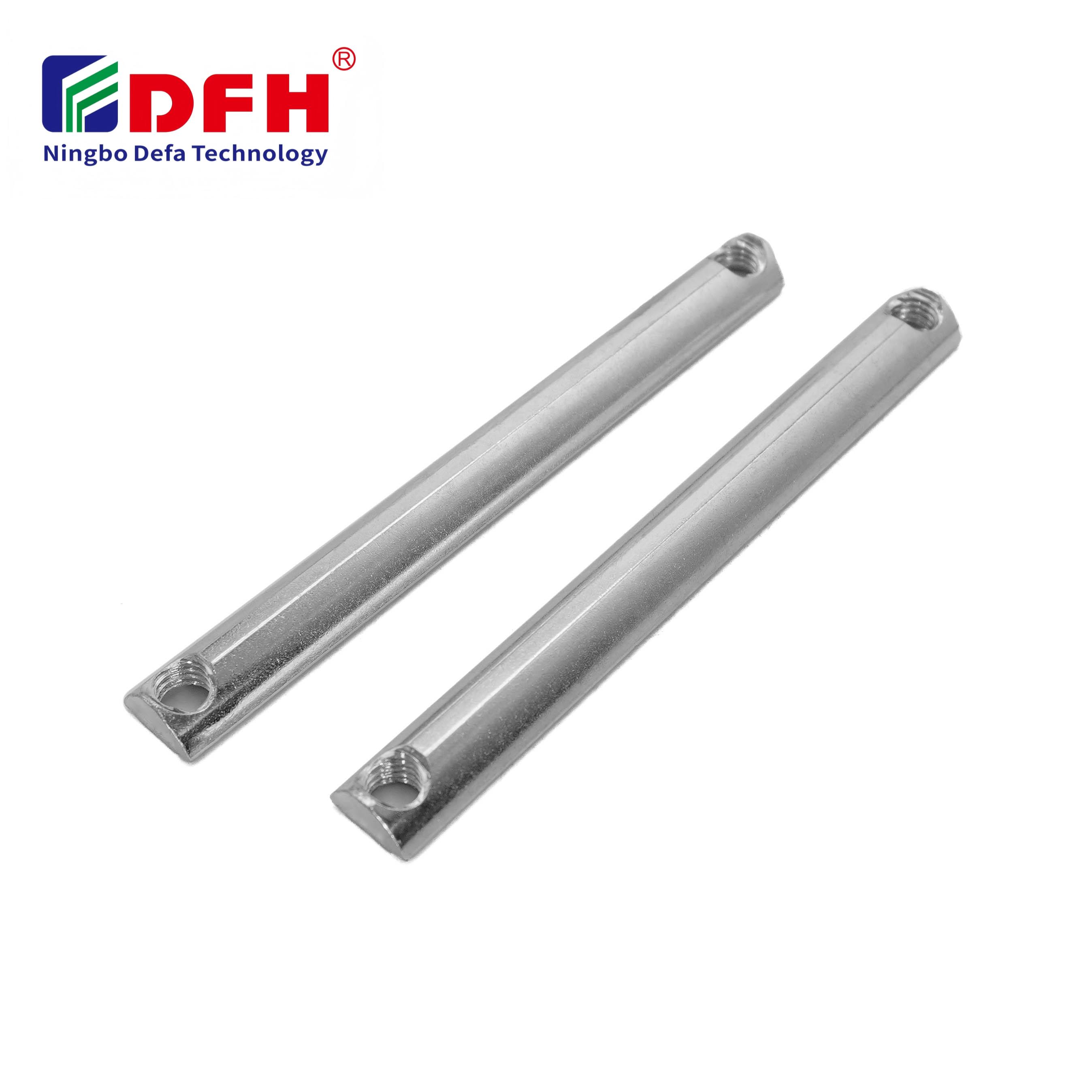
Reusing T nuts in assembly projects is a cost-effective and sustainable practice that many industrial manufacturers overlook. Rather than discarding fastening hardware after a single application, understanding how to properly recover, inspect, and reinstall T nuts can significantly reduce material expenses while maintaining assembly integrity. This approach requires careful attention to damage assessment, proper handling techniques, and strategic planning during disassembly.
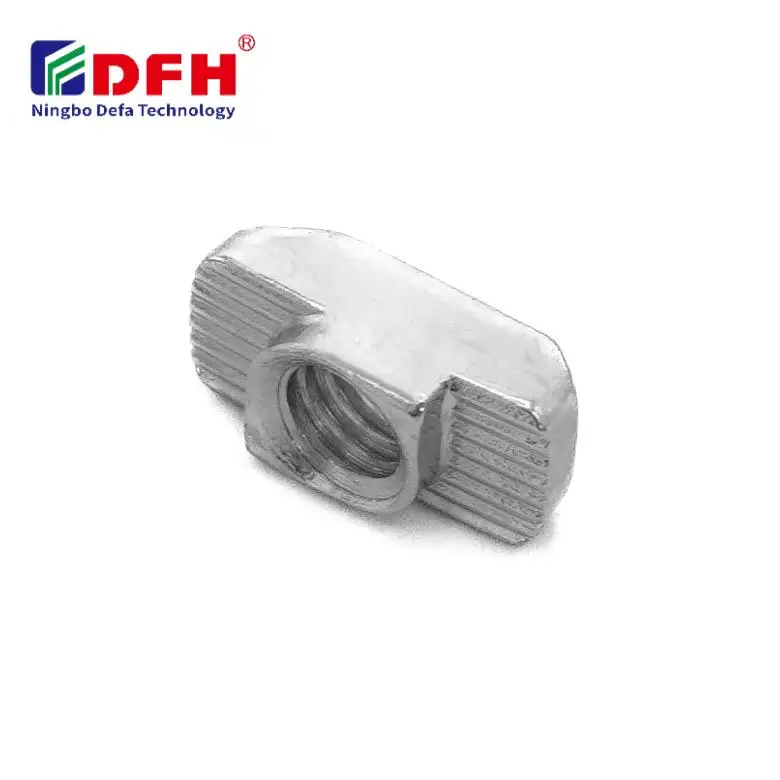
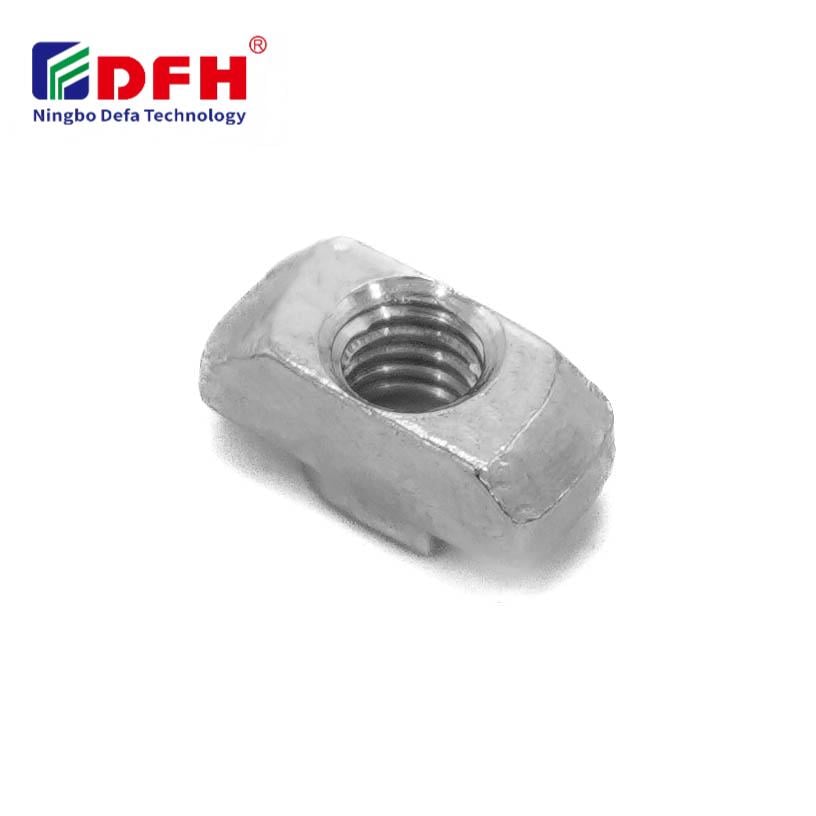
The reusability of a T Nut depends on several factors including the quality of the original fastening hardware, the method used during initial installation, and the condition of the slot nut assembly after use. Aluminum profile systems and modular frameworks that rely on threaded inserts benefit greatly from a well-planned reuse strategy. By implementing systematic inspection and storage protocols, manufacturers can extend the operational lifespan of their fastening hardware inventory and achieve measurable savings across repetitive assembly cycles.
Before attempting to reuse any fastening hardware, a thorough inspection of the threaded insert is essential. Look for visible signs of wear, stripping, or deformation on the internal threads. If the fastening hardware has been over-tightened or subjected to excessive force, the internal threads may be damaged beyond safe reuse. The slot nut assembly should maintain its original dimensional integrity and show no evidence of cracking or permanent bending.
Check the external surfaces for corrosion, rust, or discoloration that might indicate material degradation. Threaded inserts that have been exposed to harsh environmental conditions may lose their structural reliability even if they appear superficially intact. Running a test fastener through the nut by hand can help you assess whether the threads still function smoothly without binding or resistance.
Some T nuts should never be reused due to safety and assembly quality concerns. If the slot nut assembly exhibits stripped or enlarged threads, the fastening hardware will not maintain consistent clamping force in subsequent applications. Nuts with significant corrosion, especially in critical structural applications, should be retired because material loss compromises load-bearing capacity. Any threaded insert showing cracks, breaks, or permanent deformation should be discarded immediately.
Additionally, if a T Nut has been cross-threaded or forced during previous removal, its thread geometry may be permanently altered. Such fastening hardware poses risks of fastener loosening, uneven load distribution, and potential assembly failure. Conservative assessment during inspection protects both your reputation and your liability exposure.
The method used to remove a T Nut significantly impacts its reusability. Applying steady, controlled torque during disassembly reduces the likelihood of thread damage compared to sudden jerking or forcing. When using powered tools, ensure consistent rotation speed and avoid exceeding the recommended torque specification for that particular fastening hardware size. Manual removal with properly fitted tools often provides better control and sensitivity to signs of resistance or binding.
If resistance is encountered during slot nut assembly removal, stop immediately and assess the situation rather than forcing the fastener. Applying penetrating oil or allowing time for chemical loosening can help prevent stripped threads. For aluminum profile systems, the softer material requires even gentler handling to avoid deformation of the slot itself, which can compromise future fastening hardware installation.
After removal, threaded inserts should be thoroughly cleaned to restore their functionality. Using a soft brass brush to gently clean internal threads removes dirt, dried adhesive, and corrosion without damaging the fastening hardware. For stubborn deposits, soaking the T Nut in a mild degreaser for several hours can help dissolve contamination. Avoid harsh scrubbing or wire brushes that may scratch or damage the nut surface.
Once cleaned, the slot nut assembly should be dried completely before storage or reuse. Running a test bolt through the threaded insert confirms that the threads are clear and function properly. If the T Nut still feels rough or binding during this test, additional cleaning or professional ultrasonic treatment may be necessary. Lubricating the threads lightly with anti-seize compound before reinstallation can further improve performance and ease future removal.
Proper storage of cleaned and inspected fastening hardware is essential for maintaining reusability across multiple projects. Store T nuts in compartmentalized containers organized by size, material, and thread type. This organization system prevents mixing incompatible fastening hardware and allows quick identification during assembly planning. Keep inventory records that track the number of reuse cycles for each T Nut, flagging those approaching end-of-life status based on historical performance data.
Environmental protection during storage is critical for threaded inserts exposed to moisture or corrosive atmospheres. Store fastening hardware in dry conditions with appropriate desiccant packets or sealed containers. For slot nut assembly components stored in aggressive industrial environments, consider applying thin protective coatings that preserve thread integrity without interfering with future use.
When reinstalling reused T nuts, apply controlled and consistent torque following original equipment specifications. Over-tightening is a primary cause of premature failure and thread stripping, so using calibrated torque tools provides objective confirmation of correct installation. Start with moderate torque values and verify proper fit before final tightening, especially for critical fastening hardware in load-bearing applications.
Document each reuse cycle for quality assurance and traceability purposes. Maintaining records of when, where, and how many times a particular T Nut has been installed helps predict remaining service life and supports decision-making about component retirement. This systematic approach demonstrates professional quality standards and protects your organization from liability associated with fastener failure.
Not all T nuts are suitable for multiple reuse cycles. While properly maintained threaded inserts can often be reinstalled three to five times depending on application severity, components with visible thread damage, corrosion, or deformation should be retired. The slot nut assembly quality and installation method during previous use directly determine reusability potential. Conservative inspection practices ensure that only fastening hardware meeting safety standards is returned to service.
Fastener failure from reused fastening hardware typically results from stripped threads or insufficient clamping force that allows components to shift or separate. This can lead to misalignment, reduced assembly quality, and potential safety hazards depending on the application. Proper inspection, documentation, and adherence to torque specifications significantly reduce failure risk. When slot nut assembly problems occur, immediate assessment and component replacement prevent cascade failures affecting downstream production.
A threaded insert should be permanently retired when threads no longer hold fasteners securely, visible cracks or material loss appears, or corrosion compromises structural integrity. Additionally, if the fastening hardware no longer passes manual fit testing with a standard fastener, it has reached end-of-life status. For critical safety applications, more conservative retirement criteria may apply. Establishing clear retirement standards for your fastening hardware inventory ensures consistent quality and reduces downstream assembly problems.
2026/09/30
Source aluminum profiles for versatile modular framing. Learn extrusion mechanics, strength benefits & corrosion resistance. Request details.
2026/09/30
Source aluminum profiles for construction projects. Learn structural framing, cladding & window benefits for maximum ROI. Download guide.
2026/09/30
Source optimal aluminum profile sizing techniques. Evaluate load, space, alloy, environment & cost factors to prevent deflection. Download guide.
2026/09/30
Struggling with fastener failures or rework? Master screw sizing by diameter, pitch, material, and load—plus industry-specific standards. Optimize reliability & compliance now.
2026/09/30
Source aluminum profiles for industrial engineering. Discover strength-to-weight ratios, corrosion resistance & 30% cost savings. Download guide.
2026/09/30
Source heat-resistant aluminum profile systems. Master thermal expansion science & stress management strategies for industrial builds. Download guide.