EN
EN
What is Aluminum Profile and How Does It Work?
2026/09/30
Source aluminum profiles for versatile modular framing. Learn extrusion mechanics, strength benefits & corrosion resistance. Request details.

2026/09/18
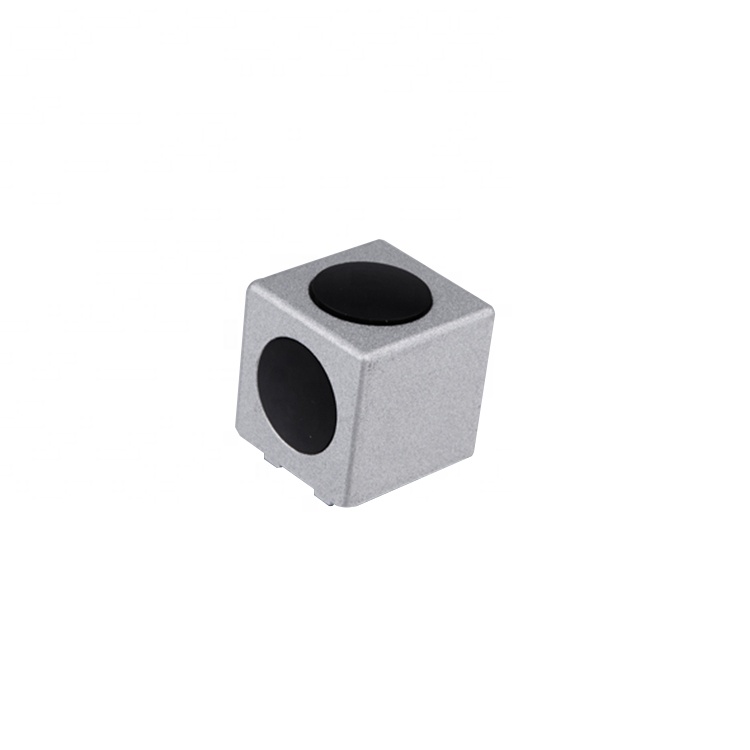
Frame stability is a critical requirement in industrial assembly systems, construction frameworks, and automated machinery. The integrity of these structures depends heavily on how components connect and transfer loads. Inner connectors serve as fundamental elements that lock structural components together, distributing stress evenly and preventing unwanted movement or deformation under operational pressure. Understanding how inner connectors enhance frame stability reveals why they have become essential components in modern structural design and industrial manufacturing.
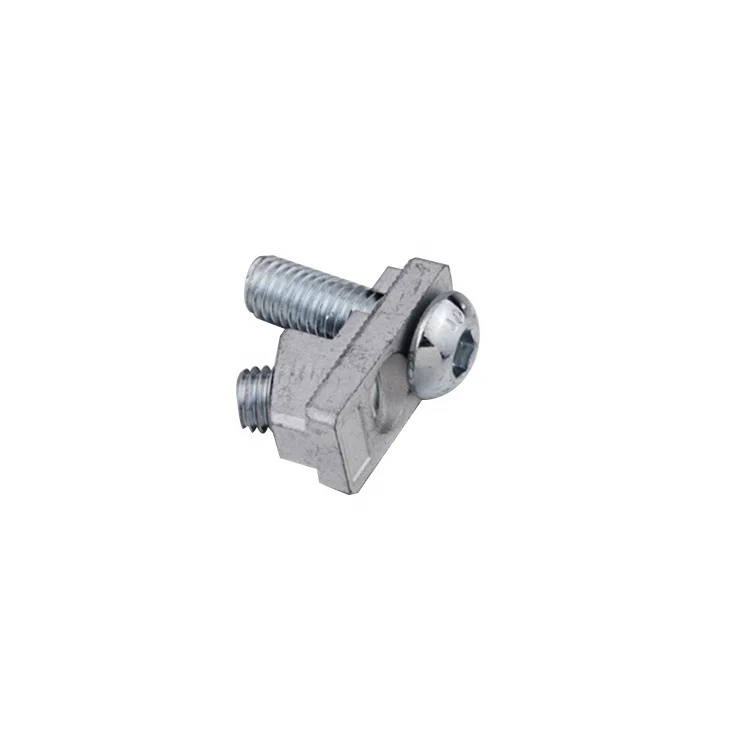
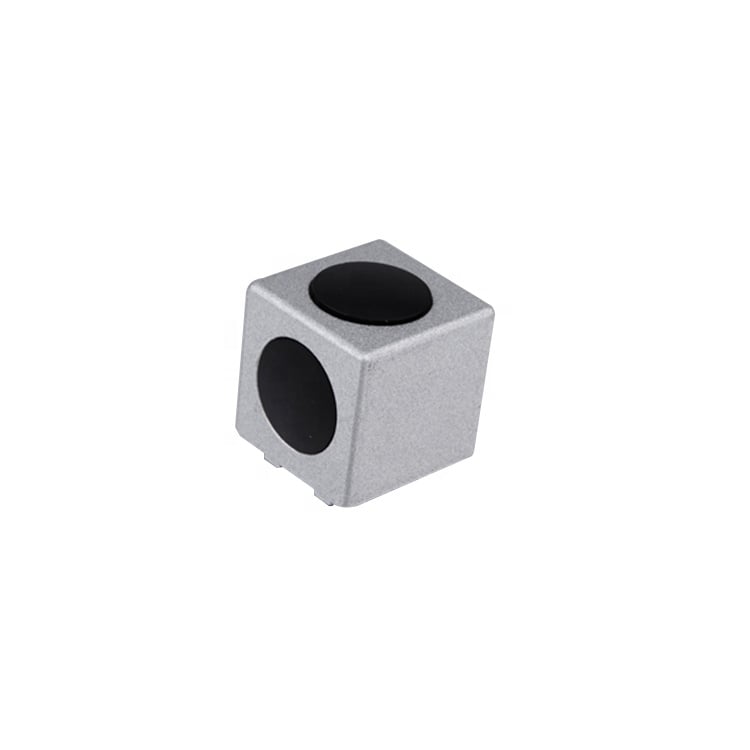
Inner connectors work by creating fixed connection points between profile members, eliminating flex and rattle that compromise frame performance. When properly installed, these internal fasteners create a unified structural system where forces distribute uniformly across all connected elements. This article explores the mechanical principles behind inner connectors, their role in profile connection systems, and how slot mounting hardware ensures long-term frame reliability in demanding applications.
The primary function of Inner Connectors is to create rigid connection points that lock frame members in fixed geometric relationships. Internal fasteners eliminate tolerance stack-up issues by pre-tensioning connection zones, which prevents the gradual loosening that occurs under vibration or cyclic loading. When profile connection systems include properly sized fasteners, the connected members behave as a single integrated unit rather than separate pieces. This unified behavior dramatically increases the frame's resistance to bending, twisting, and shear forces that would otherwise cause deflection or failure.
Engineers calculate frame stability using moment of inertia and section properties; internal fasteners effectively increase these properties by preventing relative motion between members. Each point where slot mounting hardware connects two or more profiles creates a moment-resistant joint that contributes to the overall structural stiffness. The cumulative effect of multiple inner connectors throughout a frame structure multiplies the rigidity gains. For example, a frame with evenly distributed internal fasteners may achieve 40 to 60 percent greater stiffness compared to an identical frame with inadequate connection points.
Industrial machinery and automated systems generate continuous vibration that gradually loosens conventional bolted connections. Inner connectors mitigate this problem by creating interference-fit or tension-locked joints that resist micro-slip and fretting. Profile connection systems that incorporate slot mounting hardware allow for precise alignment and pre-tensioning that maintains connection integrity throughout the equipment's service life. The internal fasteners create mechanical damping characteristics that reduce transmission of vibration to surrounding structures and mounted components.
This vibration control extends component lifespan by reducing stress concentrations and cyclic loading effects. Sensors, actuators, and precision instruments mounted on stable frames operate more reliably and maintain calibration longer. The absence of micromotion at connection points eliminates the wear mechanisms that typically cause fastener loosening and joint degradation over time.
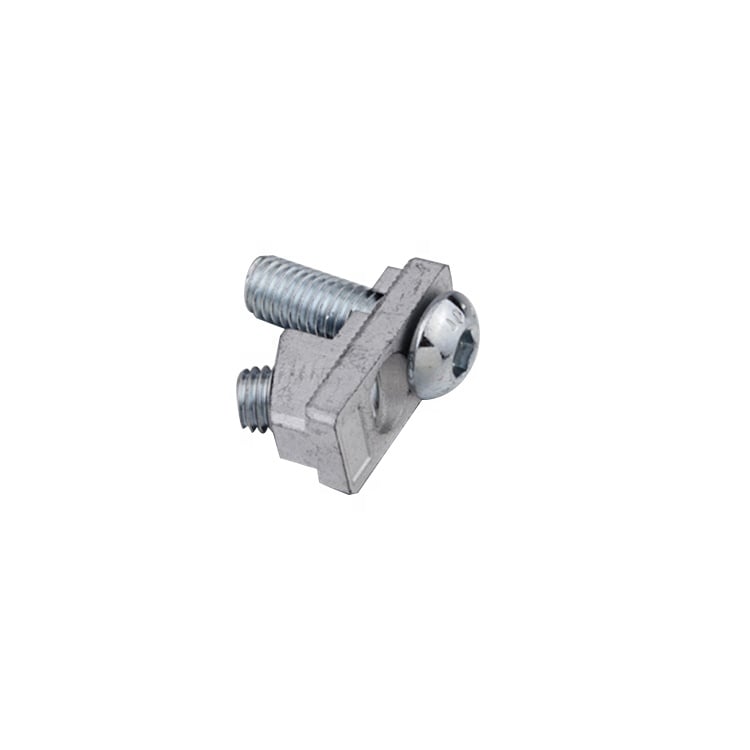
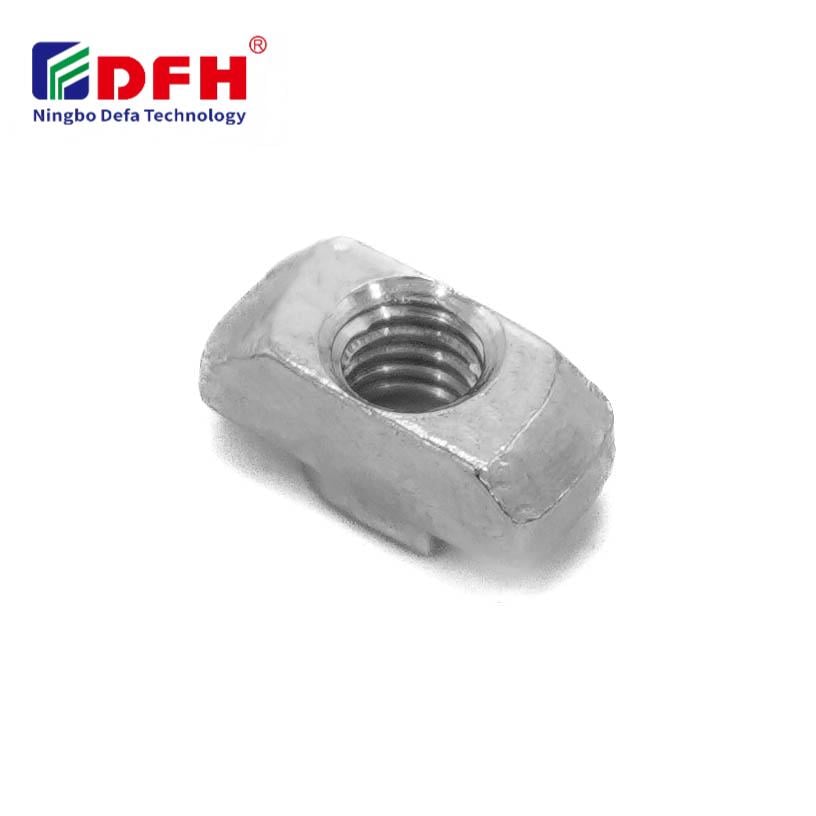
Modern profile connection systems leverage slot mounting hardware to provide both structural stability and assembly flexibility. The slot design allows adjustment of component positions during installation while maintaining the rigidity benefits of inner connectors. Once final positioning is achieved and internal fasteners are fully tensioned, the frame becomes a stable, dimensionally consistent structure. This combination of adjustability during assembly and rigidity after completion represents a significant advancement over rigid welded frames or completely fixed connection methods.
Slot mounting hardware accommodates manufacturing tolerances and design changes without requiring custom fabrication or extensive modifications. Engineers can specify standard profile connection systems with internal fasteners that perform consistently across production runs. The repeatability and reliability of these systems reduce installation time, lower manufacturing costs, and improve overall frame quality. Multiple inner connectors placed strategically throughout the structure create a redundant load path that maintains stability even if one connection point experiences local damage.
Frames subjected to thermal cycling, humidity fluctuations, or outdoor exposure face additional challenges that inner connectors help address. Profile connection systems that use internal fasteners and slot mounting hardware maintain consistent tension across temperature changes because the connectors are isolated within the profile cavities. This protection prevents corrosion, galling, and loosening that commonly affects external fasteners in harsh environments. The sealed nature of internal connections provides superior performance in applications ranging from food processing to harsh industrial settings.
Long-term field data shows that frames assembled with properly specified inner connectors maintain their initial rigidity and alignment for decades with minimal maintenance. The absence of exposed fasteners eliminates safety hazards and improves the aesthetic appearance of finished structures. Predictable performance over extended service life makes these systems ideal for mission-critical applications where frame failure would result in production downtime or safety incidents.
Proper selection of internal fasteners begins with understanding the forces acting on each frame section. Engineers must calculate bending moments, shear forces, and torsional loads to determine appropriate connector specifications. Profile connection systems require matched component sizing to ensure that no single element becomes a weak point. Slot mounting hardware must have sufficient bearing area to distribute clamping forces without creating stress concentrations that could cause local yielding or connector slippage.
Material compatibility matters significantly when specifying inner connectors. Dissimilar metals can create galvanic corrosion; therefore, fasteners should be selected from materials that either match the profile material or include appropriate isolation coatings. The tensile strength and clamp force of fasteners must exceed the design loads with appropriate safety margins. Consulting published load tables and engaging structural analysis tools ensures that selected internal fasteners provide the required stability margin for the application.
Installation of inner connectors requires consistent methodology to achieve uniform clamping forces across all connection points. Assembly sequences should progress in a pattern that distributes clamping loads evenly, preventing distortion that could occur if all fasteners on one side were fully tightened first. Profile connection systems benefit from torque control during assembly; using calibrated tools ensures that internal fasteners achieve specified pre-tension without over-tightening. Periodic inspections of slot mounting hardware after the frame enters service provide early warning of any loosening or unexpected movement.
Quality assurance protocols should verify that each inner connector achieves the specified clamping force and that overall frame dimensions fall within tolerance bands. Measurement of diagonal distances confirms that frames have not twisted during assembly. These verification steps add minimal cost during manufacturing but prevent field failures and customer dissatisfaction. Documentation of assembly parameters and inspection results creates a service history that supports predictive maintenance and performance optimization.
Inner connectors protected within profile cavities resist vibration-induced loosening, corrosion, and environmental degradation far better than exposed fasteners. Internal fasteners maintain consistent pre-tension across temperature variations and maintain structural integrity over decades. Slot mounting hardware allows assembly adjustments while achieving superior long-term rigidity. This combination of reliability, aesthetics, and consistent performance makes inner connectors the preferred choice for precision industrial frames.
Profile connection systems integrate internal fasteners and slot mounting hardware into a comprehensive approach where each connection point creates a moment-resistant joint. The cumulative effect of multiple strategically placed inner connectors throughout the frame multiplies rigidity gains and creates redundant load paths. This integrated design philosophy achieves stability levels that exceed what individual connections might provide, ensuring predictable performance under diverse operational conditions and loading scenarios.
Engineers must evaluate bending moments, shear forces, torsional loads, and environmental exposure when specifying slot mounting hardware. Material compatibility between connectors and profiles prevents corrosion issues. The bearing area of internal fasteners must distribute clamping forces adequately, and fastener tensile strength must exceed design loads with appropriate safety margins. Load tables and structural analysis tools guide selection of properly sized inner connectors that ensure reliable frame stability throughout the intended service life.
2026/09/30
Source aluminum profiles for versatile modular framing. Learn extrusion mechanics, strength benefits & corrosion resistance. Request details.
2026/09/30
Source aluminum profiles for construction projects. Learn structural framing, cladding & window benefits for maximum ROI. Download guide.
2026/09/30
Source optimal aluminum profile sizing techniques. Evaluate load, space, alloy, environment & cost factors to prevent deflection. Download guide.
2026/09/30
Struggling with fastener failures or rework? Master screw sizing by diameter, pitch, material, and load—plus industry-specific standards. Optimize reliability & compliance now.
2026/09/30
Source aluminum profiles for industrial engineering. Discover strength-to-weight ratios, corrosion resistance & 30% cost savings. Download guide.
2026/09/30
Source heat-resistant aluminum profile systems. Master thermal expansion science & stress management strategies for industrial builds. Download guide.