EN
EN
What is Aluminum Profile and How Does It Work?
2026/09/30
Source aluminum profiles for versatile modular framing. Learn extrusion mechanics, strength benefits & corrosion resistance. Request details.

2026/09/28
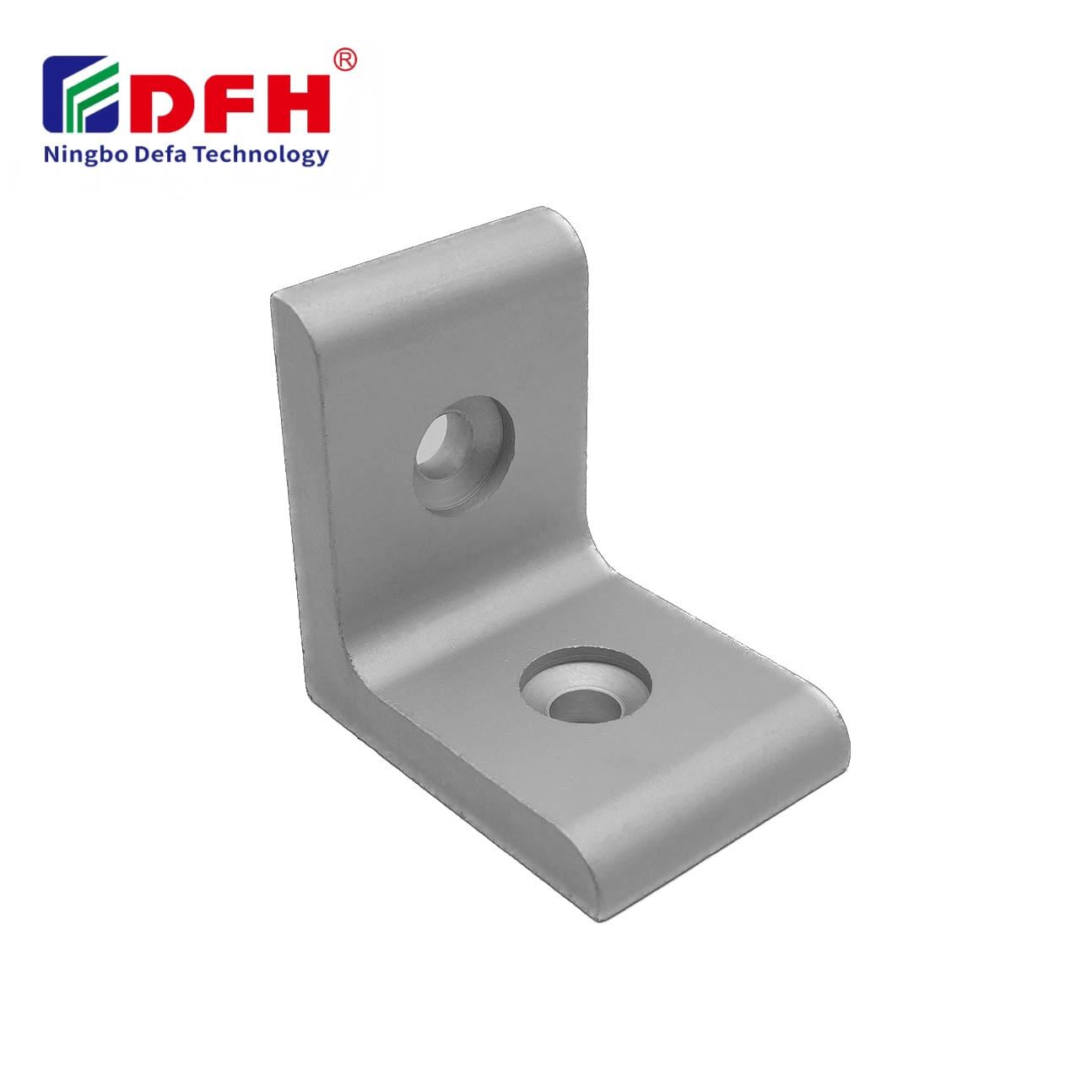
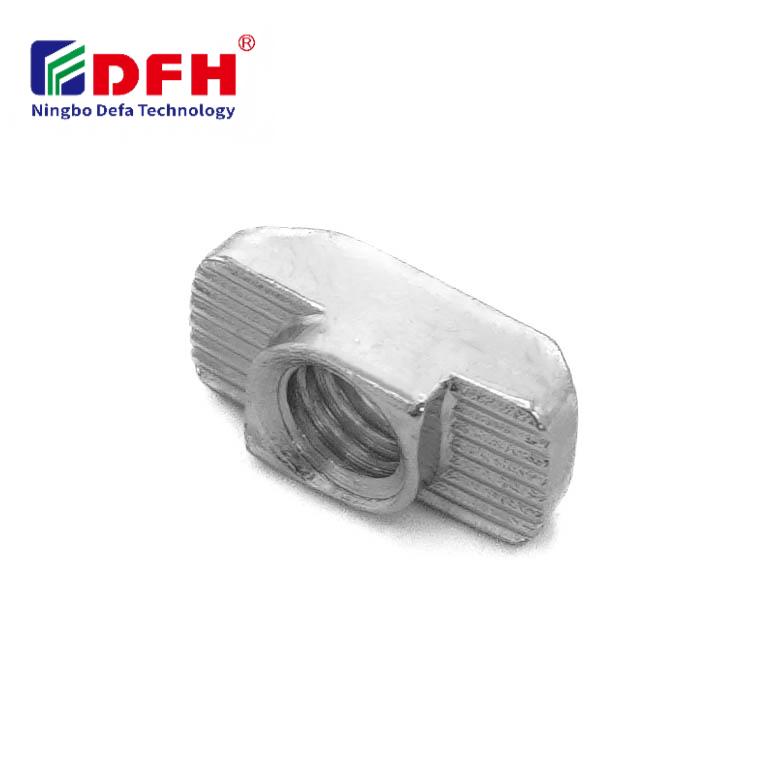
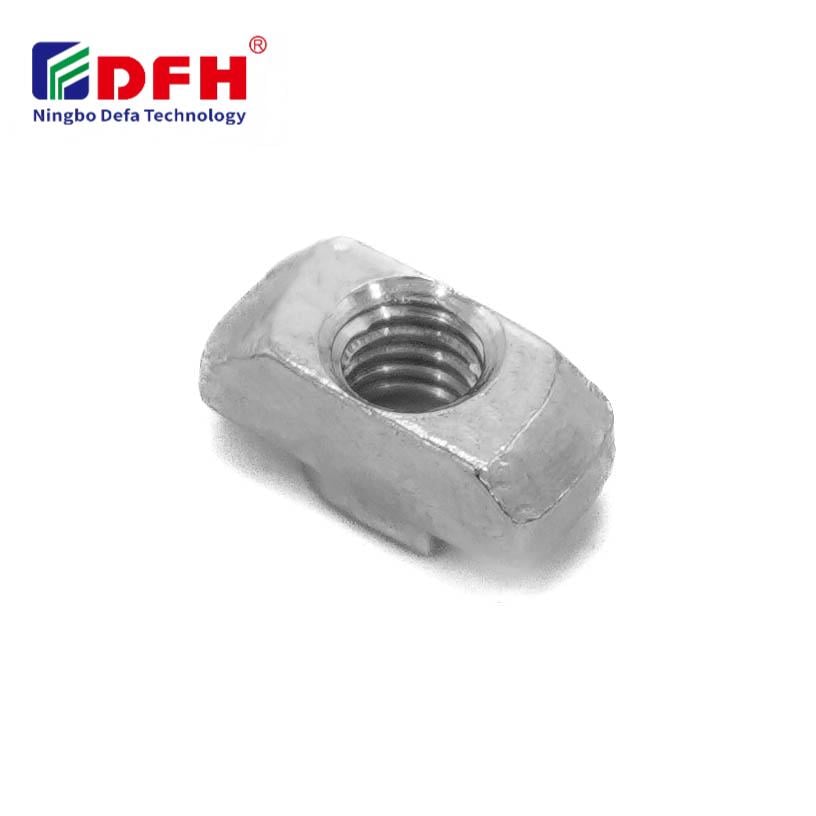
A T Nut serves as a critical fastening component in industrial assembly systems, particularly in modular framing and machinery applications. These specialized threaded inserts are designed to slide into T-slot channels, providing flexible mounting points for bolts and brackets. Without proper surface protection, however, T Nuts are vulnerable to corrosion, wear, and premature failure, which can compromise equipment reliability and increase maintenance costs. Understanding which surface finishes offer the best protection is essential for industrial procurement teams, equipment designers, and maintenance professionals who need to maximize component longevity and performance.
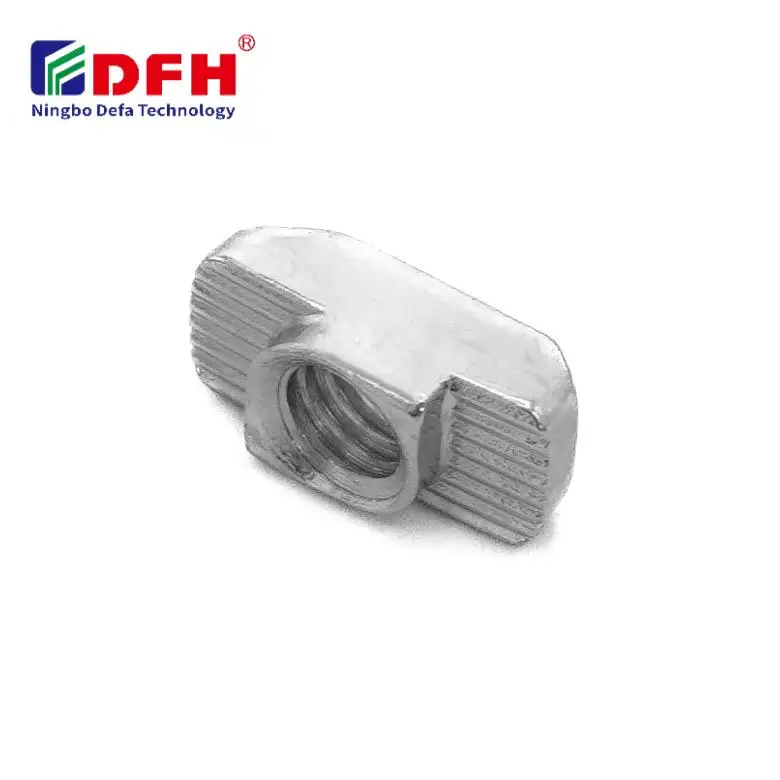
Surface finish selection directly impacts how well a T Nut resists environmental stressors, chemical exposure, and mechanical friction. Different industrial environments demand different levels of protection, and the wrong finish choice can lead to unexpected downtime, corrosion-induced jamming, or weakened fastening capacity. This guide explores the most effective surface finishes for protecting threaded insert components, examining how each coating technology provides distinct advantages for specific applications and operating conditions.
Zinc plating remains one of the most widely adopted surface finishes for T Nuts and other fastening hardware in industrial settings. The electroplating process deposits a thin layer of zinc onto the steel base material, creating a sacrificial barrier that corrodes preferentially to the underlying metal. This galvanic protection mechanism ensures that even if the coating surface sustains minor damage, the zinc continues to shield the base material from rust and oxidation. Standard zinc plating offers excellent cost-effectiveness and provides reliable protection in indoor and mildly corrosive environments, making it the default choice for general-purpose slot nut assembly applications.
Modern zinc alloy finishes, such as zinc-nickel and zinc-cobalt coatings, provide superior corrosion resistance compared to pure zinc plating. These formulations bond more effectively to the steel substrate and maintain their protective integrity longer in marine, chemical processing, and outdoor industrial environments. For threaded insert applications exposed to salt spray, humidity cycling, or elevated temperatures, zinc alloy coatings deliver measurably better performance and extended service life. The slightly higher material cost is often justified by reduced maintenance intervals and decreased replacement frequency in demanding applications.
Blue oxide and black oxide finishes appeal to manufacturers prioritizing appearance alongside corrosion resistance. These chemical conversion coatings create a dark, visually distinctive surface while providing moderate protection against rust and wear. The oxide layer reacts with the steel surface to form a tightly bonded, non-metallic coating that resists fingerprints, dust adhesion, and minor scratches better than bright zinc plating. For industrial equipment where visual presentation matters alongside function, blue and black oxide finishes offer a professional appearance without the premium cost of more advanced coating technologies.
While oxide finishes provide adequate protection for indoor, climate-controlled environments and applications with minimal moisture exposure, they are less suitable for marine, outdoor, or chemical-intensive industries. The oxide layer is thinner and less durable than electroplated zinc or nickel coatings, making it vulnerable to accelerated corrosion when exposed to salt air, persistent humidity, or caustic substances. For fastening hardware intended for harsh environments, oxide finishes should be combined with proper lubrication or secondary protective measures to maintain long-term slot nut assembly integrity.
Nickel plating delivers exceptional corrosion resistance, particularly in marine, chemical, and food processing industries where salt spray and corrosive vapors pose continuous threats to threaded insert components. Nickel's natural resistance to oxidation and its ability to form passive protective films make it an ideal finish for critical fastening applications requiring maximum reliability and minimal maintenance. Chrome plating, often applied over nickel for additional hardness and aesthetic polish, further enhances wear resistance and extends service intervals in high-friction environments where T Nuts experience frequent assembly and disassembly cycles.
Nickel and chrome finishes command premium pricing compared to zinc and oxide alternatives, making them less economical for high-volume, general-purpose fastening hardware applications. However, their superior performance in corrosive environments justifies the investment for mission-critical installations, offshore equipment, pharmaceutical manufacturing, and industries where equipment downtime carries severe financial consequences. The decision to specify nickel or chrome plating requires balancing acquisition costs against lifecycle expenses, maintenance labor, and replacement component frequency.
Advanced ceramic and polytetrafluoroethylene-based composite coatings represent the frontier of fastening hardware protection. These engineered finishes combine exceptional corrosion resistance with self-lubricating properties, reducing friction during assembly and disassembly of slot nut assembly components. Ceramic coatings withstand extreme temperatures, chemical immersion, and abrasive particle exposure far better than traditional electroplated finishes. For aerospace, petrochemical, and semiconductor manufacturing applications, ceramic and PTFE composites provide unmatched durability despite their substantially higher material and application costs.
Modern manufacturers increasingly prioritize surface finishes that meet environmental regulations while maintaining protective performance. Electroless nickel plating and trivalent chromium coatings represent more environmentally responsible alternatives to hexavalent chromium processes, reducing toxic byproducts and workplace safety risks. Organizations pursuing sustainability certifications or operating under strict environmental compliance requirements should evaluate whether specialized coatings align with their broader corporate responsibility goals while still delivering required threaded insert durability and fastening hardware reliability.
Selecting the optimal surface finish for a T Nut begins with systematically assessing the operating environment. Indoor, climate-controlled manufacturing facilities can operate effectively with standard zinc plating or oxide finishes, while outdoor equipment, coastal installations, and chemical processing plants demand zinc alloys, nickel, or specialized coatings. Temperature extremes, UV exposure, salt spray frequency, and proximity to corrosive chemicals all influence finish selection. Conducting environmental audits and consulting material compatibility databases ensures that chosen finishes will actually deliver expected protection levels throughout the intended service life of fastening hardware components.
Frequent assembly and disassembly cycles, high-vibration applications, and heavy mechanical loading all stress surface coatings and can accelerate delamination or wear. Applications requiring rapid component changeover or supporting adjustable slot nut assembly configurations benefit from harder, more wear-resistant finishes like chrome or ceramic coatings. Conversely, statically installed threaded insert components experiencing minimal mechanical disturbance can function adequately with lighter-duty zinc or oxide coatings. Matching finish hardness and durability to actual mechanical demands prevents premature coating failure and unexpected maintenance emergencies.
Standard zinc plating provides the optimal balance of corrosion protection, cost-effectiveness, and ease of application for most general-purpose threaded insert and fastening hardware installations. Unless your specific application involves marine exposure, extreme temperatures, or aggressive chemical environments, zinc-plated T Nuts deliver reliable protection at competitive pricing, making them the industry default choice for modular framing systems and machinery assembly.
While blue and black oxide finishes provide some corrosion resistance, they are not recommended as primary protection for outdoor or marine environments. Oxide coatings lack the durability and galvanic protection of zinc and nickel finishes, making them susceptible to accelerated rust formation in persistent moisture and salt spray conditions. For outdoor threaded insert applications, zinc alloy, nickel, or ceramic coatings offer substantially better long-term protection and reduced maintenance requirements.
Evaluate your operating environment for temperature extremes, moisture, chemical exposure, salt spray, and mechanical stress levels. Consult with your fastening hardware supplier about material compatibility and coating options suited to your specific slot nut assembly conditions. Request technical data sheets and case studies demonstrating performance in applications similar to yours, and consider requesting accelerated corrosion testing samples to verify that your chosen finish will meet durability expectations throughout the equipment lifecycle.
2026/09/30
Source aluminum profiles for versatile modular framing. Learn extrusion mechanics, strength benefits & corrosion resistance. Request details.
2026/09/30
Source aluminum profiles for construction projects. Learn structural framing, cladding & window benefits for maximum ROI. Download guide.
2026/09/30
Source optimal aluminum profile sizing techniques. Evaluate load, space, alloy, environment & cost factors to prevent deflection. Download guide.
2026/09/30
Struggling with fastener failures or rework? Master screw sizing by diameter, pitch, material, and load—plus industry-specific standards. Optimize reliability & compliance now.
2026/09/30
Source aluminum profiles for industrial engineering. Discover strength-to-weight ratios, corrosion resistance & 30% cost savings. Download guide.
2026/09/30
Source heat-resistant aluminum profile systems. Master thermal expansion science & stress management strategies for industrial builds. Download guide.