EN
EN
What is Aluminum Profile and How Does It Work?
2026/09/30
Source aluminum profiles for versatile modular framing. Learn extrusion mechanics, strength benefits & corrosion resistance. Request details.

2026/09/28
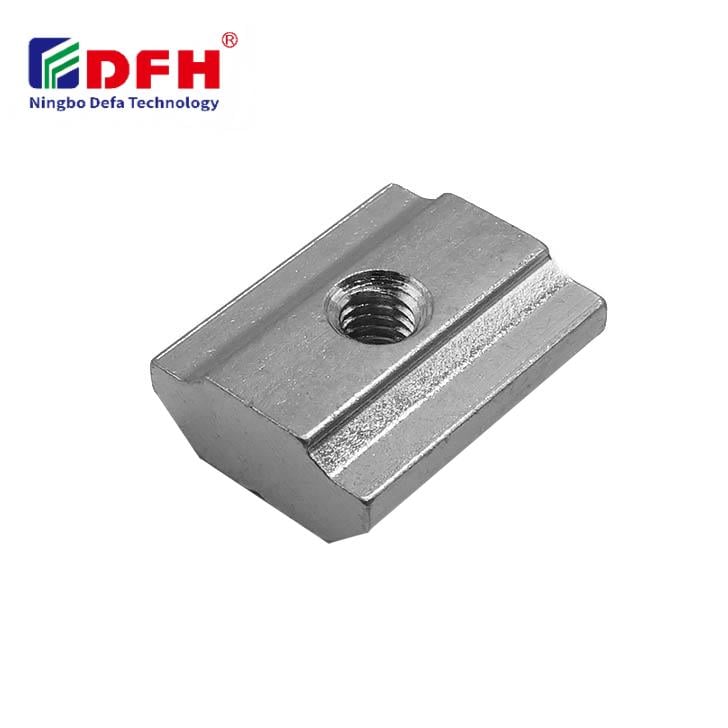
Installing plate connectors is a critical skill for engineers, contractors, and fabricators working with structural frameworks. Plate connectors serve as essential joining elements that transfer loads between structural members, ensuring system integrity and long-term performance. Whether you are assembling steel frames, connecting modular sections, or reinforcing existing structures, understanding the proper installation methodology is fundamental to achieving reliable, code-compliant results. This comprehensive guide walks you through every stage of the installation process, from pre-installation assessment to final verification, ensuring your structural fastening solutions meet design specifications and safety standards.
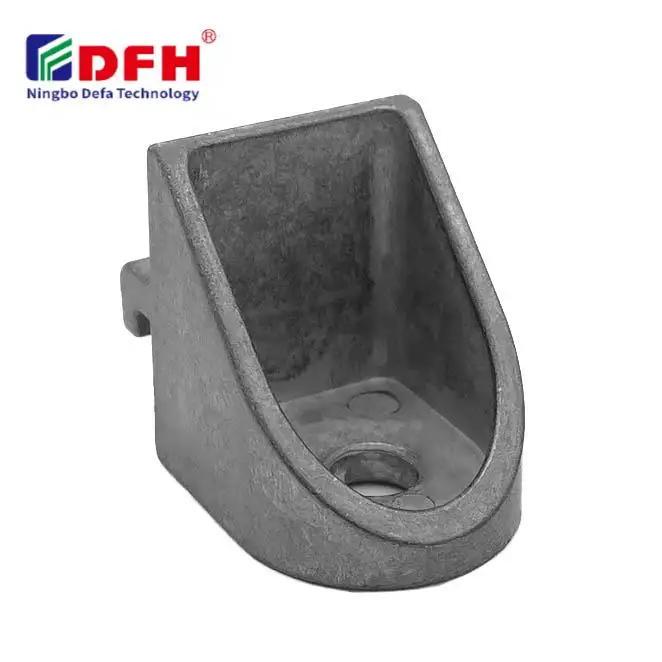
The success of any structural connection depends on careful planning, appropriate material selection, and precise execution. Before installing plate connectors, you must verify alignment tolerances, inspect fastener quality, and confirm that all components match the design drawings. Understanding the specific demands of your load-bearing junction components and the interaction between connecting members ensures that your installation will perform safely under operational loads. This guide emphasizes practical, field-tested techniques that minimize errors and reduce rework while maintaining structural integrity throughout the installation lifecycle.
Before touching any materials, carefully review the structural design documents, engineering drawings, and connection details. Your design specifications will indicate the exact size, grade, and quantity of plate connectors needed, along with fastener types, bolt torque values, and allowable tolerances. Check that the modular connection systems specified in your documents match the actual materials available on site. Confirm bolt patterns, edge distances, and hole locations match the plates you have received. This preliminary verification prevents costly mistakes and ensures your structural fastening solutions comply with design intent and building codes.
Conduct a thorough inspection of all materials before installation begins. Examine plate connectors for corrosion, damage, warping, or defects that could compromise load-bearing junction components performance. Verify that galvanizing or protective coatings are intact and uniform. Check that fasteners meet grade requirements and have not been compromised by moisture or environmental exposure. Measure key dimensions and compare against drawings. Inspect the receiving structural members to confirm they are properly positioned, aligned, and prepared for connection. This step eliminates surprises during installation and ensures your load-bearing junction components will function as designed.
Proper alignment is essential for successful plate connector installation. Begin by establishing clear reference points on both structural members that will be joined. Use surveying equipment or laser alignment tools to ensure vertical and horizontal positioning matches design tolerances. For modular connection systems, verify that connecting surfaces are clean, free of debris, and properly prepared. Temporary supports or alignment jigs may be necessary to hold members in correct position while fasteners are installed. Taking time to achieve precise alignment prevents binding, stress concentration, and premature connection failure. Document alignment verification for quality assurance records and future inspection purposes.
Once aligned, secure structural members in place using temporary fasteners or positioning devices. Install a few bolts initially to lock the connection geometry before completing the full fastener pattern. This staged approach prevents member drift and maintains alignment precision throughout the installation sequence. For larger assemblies or modular connection systems, use temporary lateral bracing to resist movement caused by installation forces. Ensure that all temporary supports do not interfere with final fastener placement or create stress paths that could affect connection performance. Only remove temporary supports after verifying that permanent structural fastening solutions are fully installed and torqued to specification.
Prepare bolt holes carefully to ensure fasteners seat correctly within plate connectors. Clean holes of paint, rust, and debris that could prevent proper bearing and load transfer. For load-bearing junction components, hole cleanliness directly affects connection stiffness and fatigue performance. If holes have been damaged or enlarged, use appropriate repair methods such as re-tapping or oversized fasteners as specified in design documents. Ensure washer contact surfaces are flat and clean to distribute bearing loads uniformly. Ream holes if necessary to achieve consistent clearances across all connections. Proper hole preparation ensures uniform fastener preload and prevents premature connection loosening under operational vibration or cycling.
Install fasteners in a pattern that distributes load evenly across the plate connector assembly. Begin at the center and work outward, or follow the sequence specified in design documents for your structural fastening solutions. This approach prevents member distortion and ensures balanced load distribution. Use calibrated torque wrenches or hydraulic tensioning equipment to apply fastener preload according to specifications. Verify torque values for your specific bolt grade and diameter. For critical connections or modular connection systems, consider using tension-controlled fasteners or ultrasonic bolt measurement to achieve precise preload. Apply torque in multiple passes, gradually increasing preload to minimize member stress concentration. Re-check critical fastener torque values after 24 hours to account for initial seating and elastic relaxation of connected members and load-bearing junction components.
After completing fastener installation, verify that the connection meets all design requirements. Measure gaps between members to confirm they remain within acceptable tolerances. Visually inspect for misalignment, twisting, or distortion that could indicate installation problems. For structural fastening solutions handling critical loads, perform non-destructive testing or ultrasonic inspection to verify fastener tension. Document all measurements and observations in inspection records. Compare results against design specifications and acceptance criteria. If any discrepancies are found, investigate root causes before releasing the connection for service. Thorough verification ensures your plate connectors and modular connection systems will perform reliably under design loads and environmental conditions.
Establish a maintenance schedule to inspect plate connectors and load-bearing junction components periodically throughout the structure's service life. Visual inspections should identify corrosion, fastener loosening, cracks, or other deterioration indicators. For structures in corrosive environments, apply protective coatings or schedule regular maintenance intervals. Monitor connection performance during operational service, particularly under dynamic or cyclic loading conditions. Address any observed movement, noise, or performance changes immediately to prevent propagation of damage. Proper maintenance extends connection service life and ensures continued structural integrity. Keep detailed records of all inspections and maintenance actions for future reference and regulatory compliance.
Fastener selection depends on the loads the connection must transfer, the strength of the structural members being joined, and design specifications. Structural fastening solutions require fasteners matching or exceeding the strength of plate connectors and connected material. Design documents specify exact bolt grades, diameters, and quantities based on engineering calculations. Consider environmental exposure, fatigue loading, and temperature effects when selecting fastener materials. Always follow design specifications rather than substituting different fastener types or grades.
Inspection frequency depends on the application, environmental exposure, and loading conditions affecting load-bearing junction components. Newly installed connections should be re-checked after 24 hours to verify fastener torque retention. Periodic visual inspections every 6–12 months help identify corrosion or fastener loosening. Structures experiencing dynamic or cyclic loading may require more frequent monitoring of modular connection systems. Corrosive environments warrant shorter inspection intervals and protective coating maintenance. Follow design documentation and industry standards for your specific application and local building codes.
Reusability of plate connectors depends on their condition, fastener type, and intended reapplication. Structural fastening solutions with permanent fasteners may not be safely reused without replacing fasteners and conducting thorough inspection. High-strength bolted connections can sometimes be reinstalled if fasteners are replaced and load-bearing junction components are undamaged and properly cleaned. Welded or riveted connections are not reusable. Always consult design engineers before attempting to disassemble and reuse structural connections. Modular connection systems designed for disassembly typically permit reuse if all components and fasteners meet quality and dimensional requirements.
2026/09/30
Source aluminum profiles for versatile modular framing. Learn extrusion mechanics, strength benefits & corrosion resistance. Request details.
2026/09/30
Source aluminum profiles for construction projects. Learn structural framing, cladding & window benefits for maximum ROI. Download guide.
2026/09/30
Source optimal aluminum profile sizing techniques. Evaluate load, space, alloy, environment & cost factors to prevent deflection. Download guide.
2026/09/30
Struggling with fastener failures or rework? Master screw sizing by diameter, pitch, material, and load—plus industry-specific standards. Optimize reliability & compliance now.
2026/09/30
Source aluminum profiles for industrial engineering. Discover strength-to-weight ratios, corrosion resistance & 30% cost savings. Download guide.
2026/09/30
Source heat-resistant aluminum profile systems. Master thermal expansion science & stress management strategies for industrial builds. Download guide.