EN
EN
What is Aluminum Profile and How Does It Work?
2026/09/30
Source aluminum profiles for versatile modular framing. Learn extrusion mechanics, strength benefits & corrosion resistance. Request details.

2026/09/18
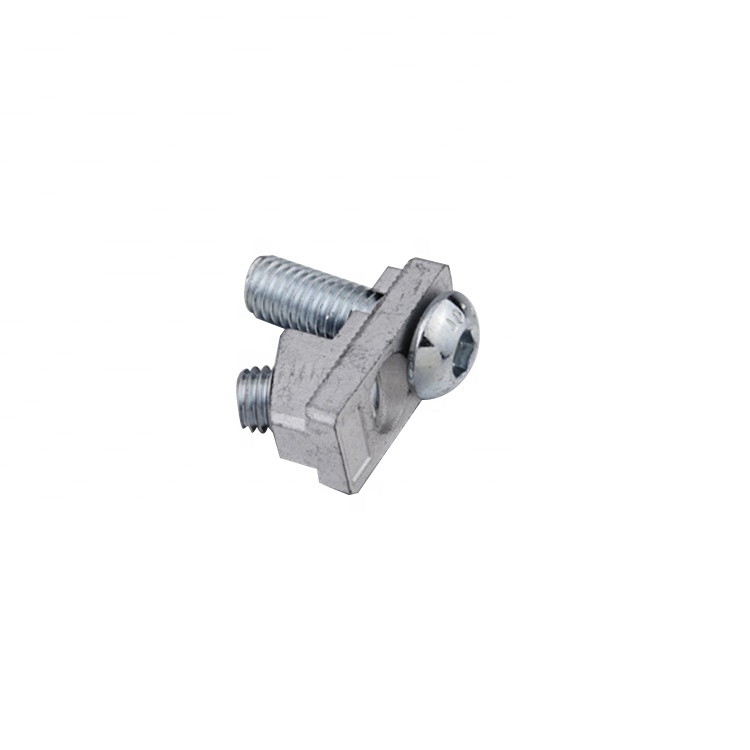
Installing inner connectors correctly is essential for building robust aluminum profile assemblies that meet structural and operational requirements. Whether you are working on industrial framing, automation equipment, or modular production systems, the precision and technique used during inner connector installation directly impact the strength, alignment, and longevity of your assembly. Understanding the fundamentals of inner connectors and their proper installation procedure will help you avoid costly mistakes and ensure consistent quality across all your projects.
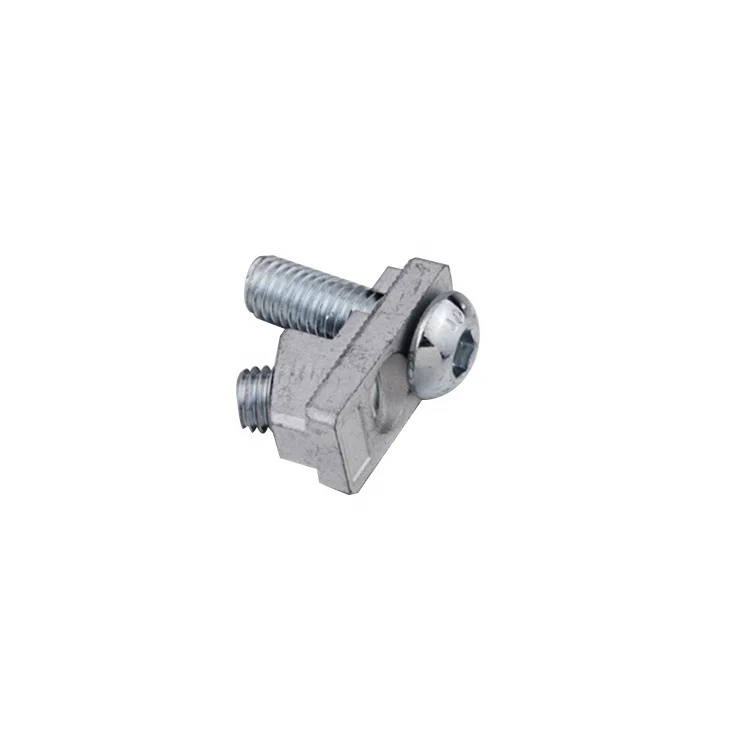
Inner connectors serve as the backbone of profile connection systems, enabling secure joints between aluminum profile sections while maintaining dimensional accuracy and load-bearing capacity. These internal fasteners are engineered to sit flush within profile slots, eliminating external protrusions that could interfere with adjacent components. By mastering the installation process for inner connectors and related slot mounting hardware, you will enhance your assembly efficiency and reduce the risk of structural failure or assembly misalignment.
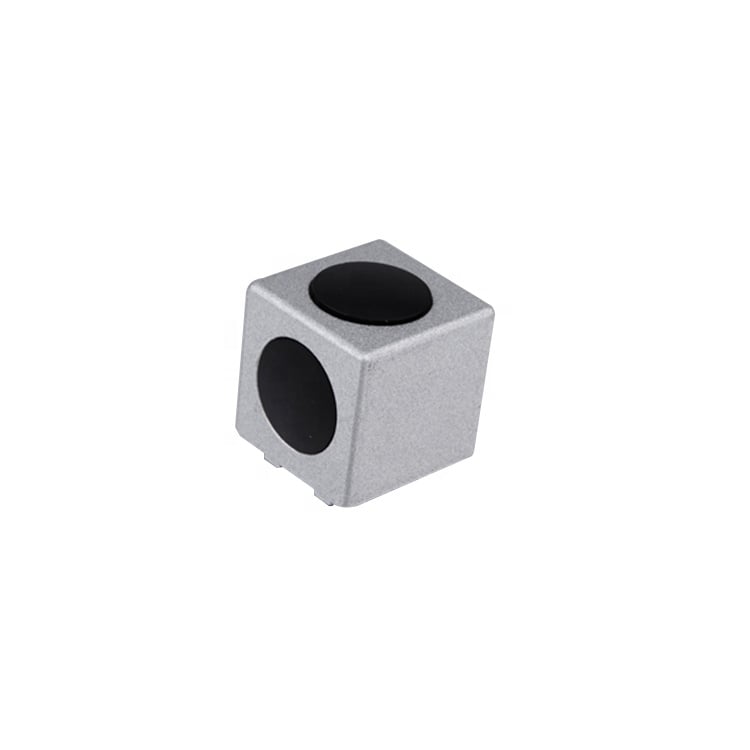
Inner connectors are specialized fastening components designed to link aluminum profile sections from within their slot channels. Unlike external fasteners that mount on profile surfaces, inner connectors operate entirely within the profile slot system, providing a clean aesthetic and protected connection point. These profile connection systems components are typically made from steel, stainless steel, or other corrosion-resistant materials to ensure durability across diverse industrial environments.
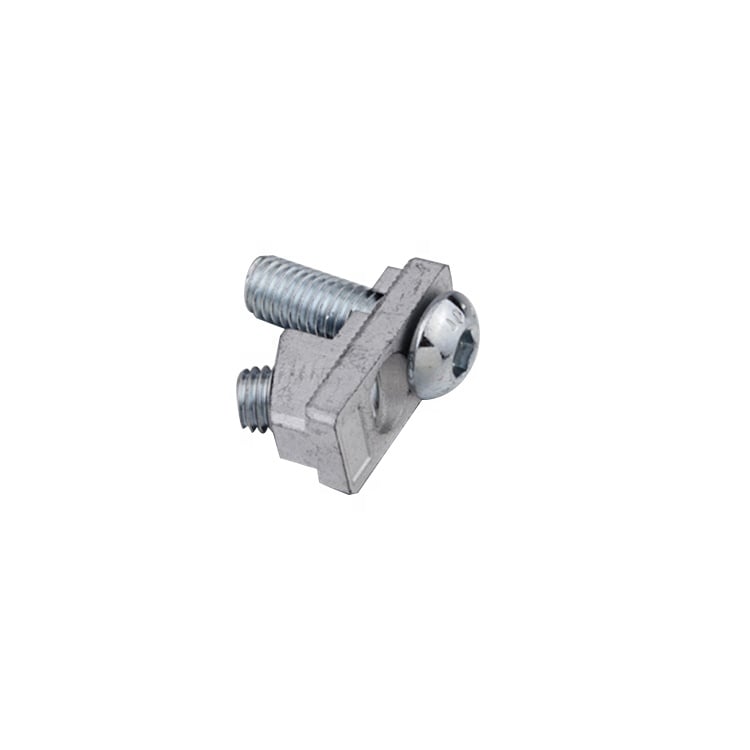
The design of inner connectors includes flanged tabs or anchoring features that grip the profile slot walls, preventing rotation or lateral movement once properly installed. This mechanical lock mechanism eliminates the need for additional anti-rotation devices in most applications. Inner Connectors also accommodate threaded inserts or bolt holes, allowing seamless integration with your slot mounting hardware and simplifying downstream assembly steps.
Internal fasteners within aluminum profile frameworks support applications ranging from conveyor systems and workbenches to control panel enclosures and robotic arms. In manufacturing environments where precision is paramount, using internal fasteners ensures uniform load distribution and prevents stress concentration points. Profile connection systems are particularly valuable in modular assembly lines where components must be repositioned or reconfigured regularly without compromising structural integrity.
The versatility of inner connectors makes them ideal for industries that demand flexible yet robust framing solutions. From food processing facilities requiring washdown-resistant designs to cleanroom environments where surface contamination must be minimized, slot mounting hardware provides the reliability and cleanliness required by modern industrial operations.
Before installing inner connectors, inspect both the aluminum profile slots and the fastener components for damage, debris, or contamination. Clean the slot channels using a soft brush or compressed air to remove dust, metal shavings, or lubricant residue that could interfere with proper seating. Verify that your inner connectors match the profile slot dimensions and that all components including bolts, washers, and locating pins are present and undamaged.
Organize your assembly workspace to minimize errors and lost components. Lay out all profile connection systems hardware in logical sequence, grouping inner connectors by size and type. This preparation step ensures that when you begin installing internal fasteners, you can proceed smoothly without interruptions or material shortages that delay the assembly timeline.
Position the inner connector at the entrance of the profile slot at a slight angle, typically 15 to 30 degrees, to facilitate smooth insertion into the narrow channel. Gently slide the fastener into the slot using steady, controlled pressure rather than forceful hammering, which can damage the connector or profile edges. As the connector moves deeper into the slot, gradually rotate it to align the flanged tabs with the slot walls, ensuring equal contact on both sides.
Once the inner connector is fully seated within the profile slot, verify proper alignment by checking that the connector sits flush and does not protrude above the slot edges. The flanged tabs should grip the slot walls uniformly, preventing any rocking or movement when you apply lateral pressure. If resistance is encountered during insertion, remove the connector and inspect both the profile and fastener for burrs or obstructions that must be addressed before proceeding.
After inner connectors are positioned, insert bolts through the connector holes into the profile slot mounting hardware thread receptacles. Apply bolts in a sequential pattern, alternating across the connector if multiple bolt holes exist, to ensure even clamping force and prevent tilting. Tighten fasteners to the manufacturer's specified torque value, typically measured in newton-meters, using a calibrated torque wrench to achieve consistent and reproducible assembly quality.
Do not over-tighten bolts, as excessive force can strip internal threads, deform the connector, or create micro-fractures in the aluminum profile. Conversely, under-tightening results in loose connections that allow vibration, noise, and eventual component failure. After tightening all bolts, perform a final verification by attempting to wiggle the connected profiles; movement should be minimal or imperceptible, indicating a solid mechanical joint.
One of the most frequent installation errors involves misaligning inner connectors relative to mating profile sections, which causes gaps, binding, or stress concentration during assembly. Prevent this by using alignment pins or dowel rods during setup, which guide profiles into correct positions before final tightening. Mark reference lines on profiles with marker pen or tape before disassembly and repositioning, allowing you to realign components to their original configuration quickly and accurately.
When connecting multiple profiles in sequence, maintain consistent spacing and ensure that slot mounting hardware and internal fasteners are distributed evenly along the profile length. This distribution prevents cantilevered loading and maintains uniform structural performance throughout the assembled framework. Using assembly fixtures or jigs that hold profiles in correct geometric relationships during inner connector installation significantly reduces alignment errors and rework.
Select inner connectors manufactured from materials compatible with your operating environment. Stainless steel internal fasteners resist corrosion in wet, acidic, or salt-spray environments, while zinc-plated steel components suit dry indoor applications. Verify that profile connection systems components are rated for the temperature range, vibration levels, and chemical exposure present in your specific application.
In outdoor or corrosive settings, apply protective coatings or sealants around connector insertion points to prevent moisture ingress and galvanic corrosion at steel-to-aluminum interfaces. Thread-locking compounds rated for the fastener material and environmental conditions provide additional security against vibration-induced loosening while remaining removable for future maintenance or reconfiguration activities.
Inner connectors offer superior aesthetics, protected connection points, and simplified design layouts compared to external fastening methods. By operating entirely within profile slots, these internal fasteners eliminate protruding bolt heads that could interfere with adjacent components, create safety hazards, or complicate enclosure design. Additionally, slot mounting hardware integration allows modular reconfiguration without visible fastener modifications, which is critical in cleanroom and food-processing applications where surface contamination or aesthetic presentation matters.
Properly installed inner connectors exhibit zero lateral movement when you apply steady sideways pressure on the assembled profiles, sit flush within the profile slot without protruding edges, and produce no audible creaking or clicking when the assembly is moved or vibrated. If you can feel movement, observe gaps between profiles, or hear noise during operation, the internal fasteners require inspection and likely re-tightening or repositioning. Using a torque wrench during installation and performing systematic verification checks ensures consistent, reliable assembly quality across all your projects.
Most inner connectors and profile connection systems components can be reused multiple times provided they remain undamaged during disassembly. However, if connector flanges show bending, cracks, or permanent deformation, replacement is necessary to maintain joint integrity. Stainless steel internal fasteners typically withstand more reuse cycles than plated carbon steel, making them preferable in applications requiring frequent reconfiguration. Store removed connectors in clean, dry conditions and inspect them carefully before reinstallation to ensure continued reliability.
2026/09/30
Source aluminum profiles for versatile modular framing. Learn extrusion mechanics, strength benefits & corrosion resistance. Request details.
2026/09/30
Source aluminum profiles for construction projects. Learn structural framing, cladding & window benefits for maximum ROI. Download guide.
2026/09/30
Source optimal aluminum profile sizing techniques. Evaluate load, space, alloy, environment & cost factors to prevent deflection. Download guide.
2026/09/30
Struggling with fastener failures or rework? Master screw sizing by diameter, pitch, material, and load—plus industry-specific standards. Optimize reliability & compliance now.
2026/09/30
Source aluminum profiles for industrial engineering. Discover strength-to-weight ratios, corrosion resistance & 30% cost savings. Download guide.
2026/09/30
Source heat-resistant aluminum profile systems. Master thermal expansion science & stress management strategies for industrial builds. Download guide.