EN
EN
What is Aluminum Profile and How Does It Work?
2026/09/30
Source aluminum profiles for versatile modular framing. Learn extrusion mechanics, strength benefits & corrosion resistance. Request details.

2026/09/18
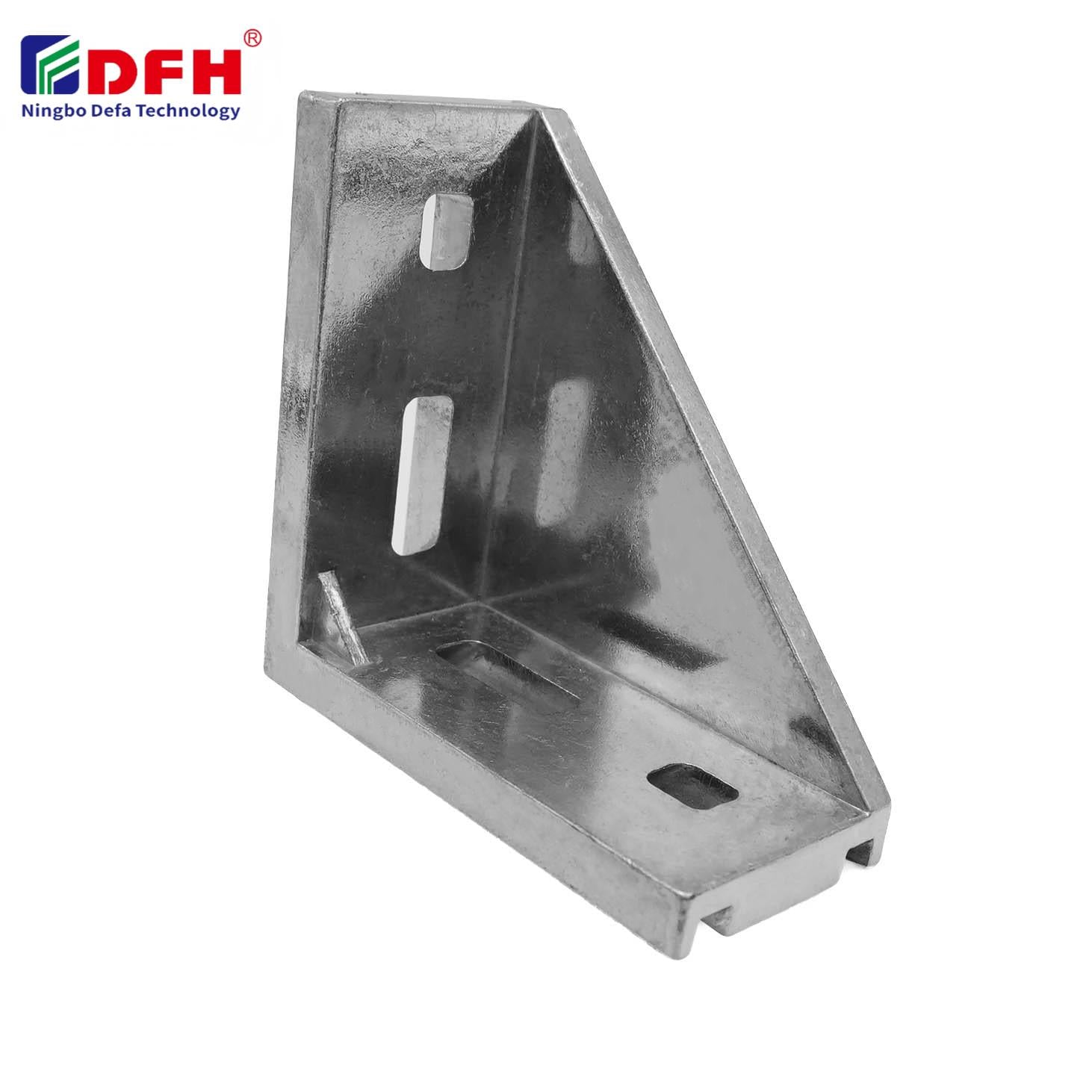
Inner connectors are critical components in modular assembly systems, designed to join structural profiles and handle significant mechanical loads. Understanding their load capacity is essential for engineers and manufacturers who rely on these internal fasteners to maintain structural integrity in demanding industrial environments. The strength and reliability of inner connectors directly impact the performance, safety, and longevity of assembled frameworks across automotive, machinery, and automation sectors.
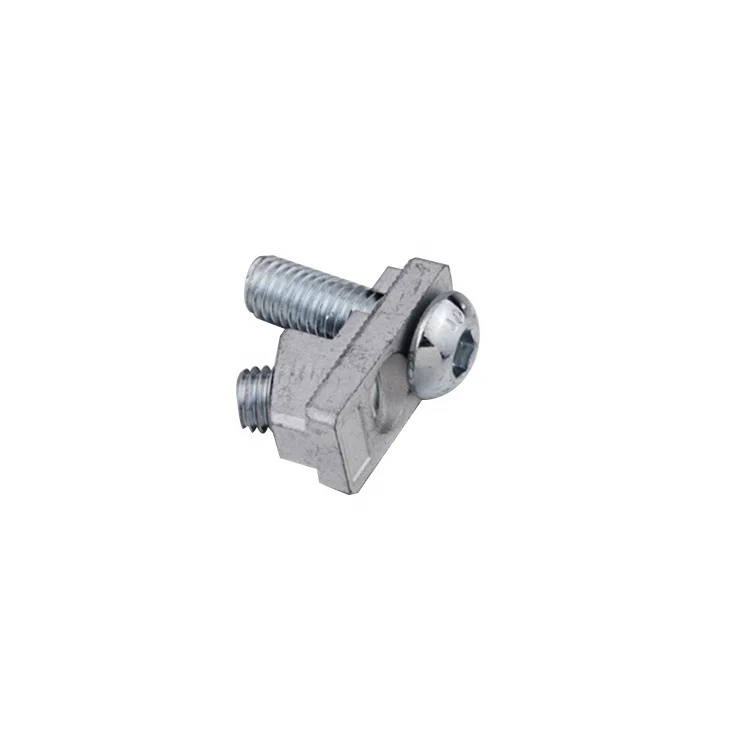
Profile connection systems have evolved significantly to meet modern manufacturing demands, and inner connectors serve as the backbone of these integrated solutions. Their load-bearing capabilities determine how much weight, force, and stress an assembled structure can safely support. Selecting the right inner connector specification ensures optimal performance, cost efficiency, and compliance with industry standards.
Inner Connectors are typically manufactured from high-grade steel, aluminum alloys, or specialized composite materials that provide superior tensile strength and durability. The load capacity of internal fasteners depends primarily on material composition, thread pitch, bolt diameter, and surface treatment. Standard inner connectors follow ISO and DIN specifications, which define precise load ratings based on material grade and dimensional standards. Steel inner connectors generally offer higher load capacity compared to aluminum alternatives, making them suitable for heavy-duty industrial applications. Heat treatment processes, including case hardening and tempering, further enhance the strength characteristics of these components.
Tensile strength represents the maximum tension an inner connector can withstand before breaking, typically measured in megapascals (MPa). Profile connection systems distribute loads across multiple attachment points, which significantly improves overall structural stability and allows each internal fastener to handle proportional stress. The shear force capacity of slot mounting hardware determines how effectively it resists sideways movement and rotational forces in assembly applications. When properly installed within aluminum profiles, these connectors can sustain loads ranging from hundreds to several thousand kilograms, depending on size and grade. Engineers must calculate cumulative loads across all connection points to ensure safe design margins.
International standards establish clear load capacity classifications for inner connectors, enabling consistent selection across global supply chains. DIN standards specify metric thread sizes, pitch tolerances, and minimum tensile strength values for different bolt grades. ISO specifications complement these standards by defining dimensional accuracy, material requirements, and quality assurance protocols for internal fasteners. Profile connection systems must comply with these standards to guarantee interoperability and performance predictability across manufacturing environments. Load capacity tables in these standards provide engineers with reliable reference data for design calculations and structural analysis.
Manufacturers typically establish working load limits that are significantly below ultimate tensile strength to maintain safety margins and account for fatigue, corrosion, and variable operating conditions. Safety factors of 2.5 to 5.0 are standard in industrial design practices, ensuring that slot mounting hardware operates well within safe performance boundaries. Dynamic loading conditions, thermal cycling, and environmental exposure reduce effective load capacity over time, which is why conservative design practices are essential. Certification documents from reputable manufacturers provide detailed load capacity specifications under different operating scenarios and installation methods. These standards protect against catastrophic failure and ensure predictable performance throughout the equipment lifecycle.
Manufacturing facilities depend on modular framing systems where inner connectors join vertical and horizontal aluminum profiles to create robust structural frameworks. In automated production lines, these profile connection systems support conveyor systems, robotic arms, and machine components while maintaining precise alignment and rigidity. The load capacity of internal fasteners directly determines the maximum equipment weight, payload capacity, and operational limits of the assembled framework. Automotive assembly plants frequently utilize these systems to construct workstations and material handling fixtures that must support tons of equipment and work-in-process materials. Proper selection of connector specifications ensures that frameworks remain stable, safe, and compliant with workplace safety regulations.
Specialized industrial environments such as pharmaceutical manufacturing, food processing, and aerospace component assembly require slot mounting hardware with verified high load capacity and documented reliability. In these sectors, structural failure risks potential contamination, production losses, and safety hazards that justify investment in premium-grade inner connectors with certified performance data. Custom connector designs and reinforced profile connection systems address unique load distribution scenarios and unconventional assembly geometries. Testing and validation processes ensure that internal fasteners in specialty applications meet or exceed specific performance criteria and regulatory requirements. These applications often involve extreme environmental conditions including temperature variations, vibration exposure, and corrosive atmospheres that demand superior material properties and surface treatments.
Load capacity is primarily determined by material composition, bolt diameter, thread pitch, surface treatment, and grade classification. Profile connection systems design also affects overall load distribution, with multiple internal fasteners sharing cumulative stress more effectively than single-point attachments. Proper installation torque and thread engagement length are critical factors that ensure the full rated capacity is achieved and maintained throughout equipment operation.
Begin by calculating the total weight and dynamic forces your structure must support, then apply an appropriate safety factor (typically 2.5 to 5.0) to determine required connector capacity. Consult ISO and DIN standard load capacity tables for your specific connector size and grade, comparing these ratings against your calculated requirements. Consulting with manufacturers' technical documentation and structural engineering specialists ensures proper selection and reliable long-term performance of your assembly system.
Yes, existing profile connection systems can often be upgraded by replacing current internal fasteners with higher-grade or larger-diameter connectors that maintain dimensional compatibility with existing profiles. However, structural analysis may reveal that profile strength itself becomes the limiting factor, requiring simultaneous upgrades to the aluminum or steel profiles. Professional engineering assessment is essential before modifying load-bearing assemblies to ensure safety, structural integrity, and compliance with applicable standards.
2026/09/30
Source aluminum profiles for versatile modular framing. Learn extrusion mechanics, strength benefits & corrosion resistance. Request details.
2026/09/30
Source aluminum profiles for construction projects. Learn structural framing, cladding & window benefits for maximum ROI. Download guide.
2026/09/30
Source optimal aluminum profile sizing techniques. Evaluate load, space, alloy, environment & cost factors to prevent deflection. Download guide.
2026/09/30
Struggling with fastener failures or rework? Master screw sizing by diameter, pitch, material, and load—plus industry-specific standards. Optimize reliability & compliance now.
2026/09/30
Source aluminum profiles for industrial engineering. Discover strength-to-weight ratios, corrosion resistance & 30% cost savings. Download guide.
2026/09/30
Source heat-resistant aluminum profile systems. Master thermal expansion science & stress management strategies for industrial builds. Download guide.