EN
EN
What is Aluminum Profile and How Does It Work?
2026/09/30
Source aluminum profiles for versatile modular framing. Learn extrusion mechanics, strength benefits & corrosion resistance. Request details.

2026/09/28
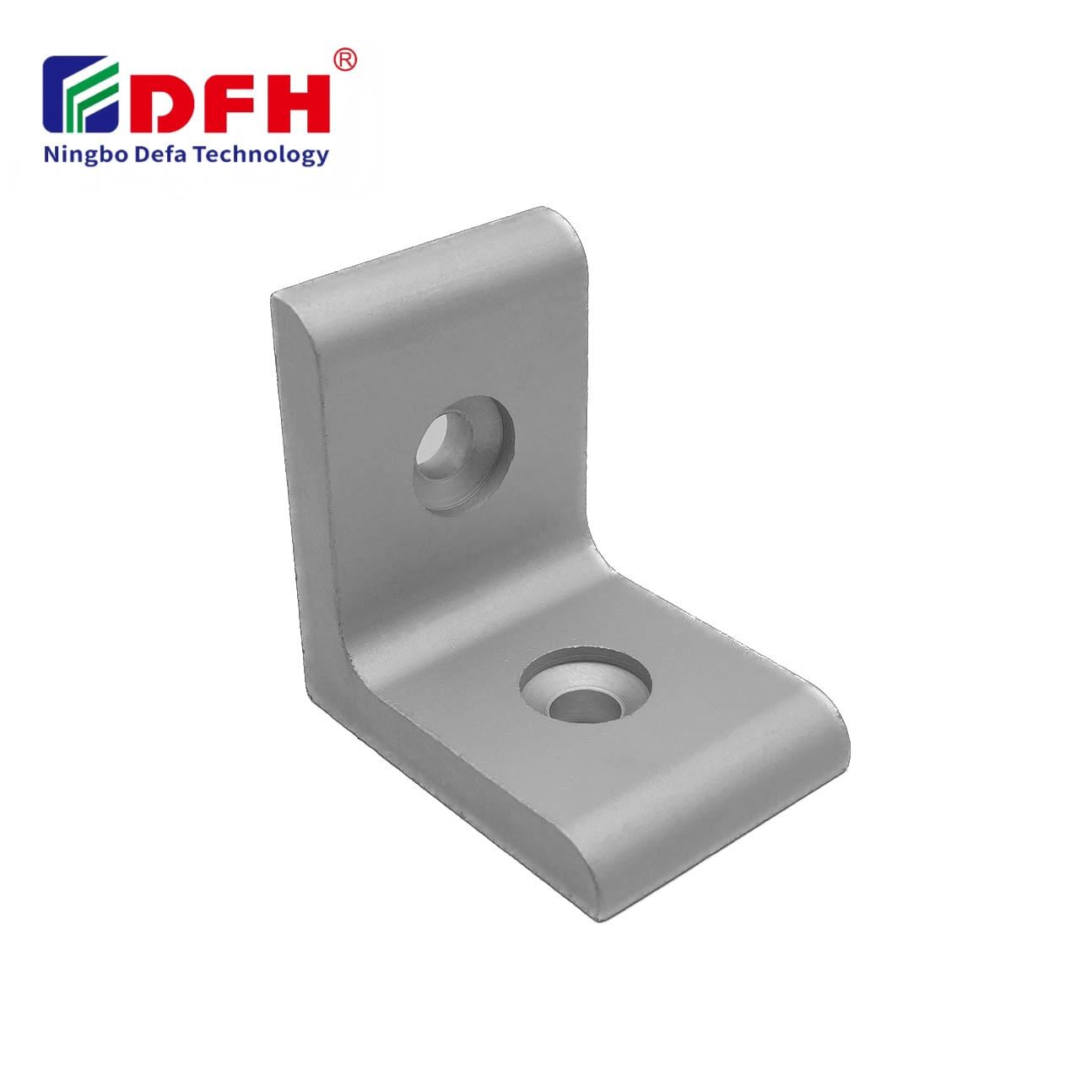
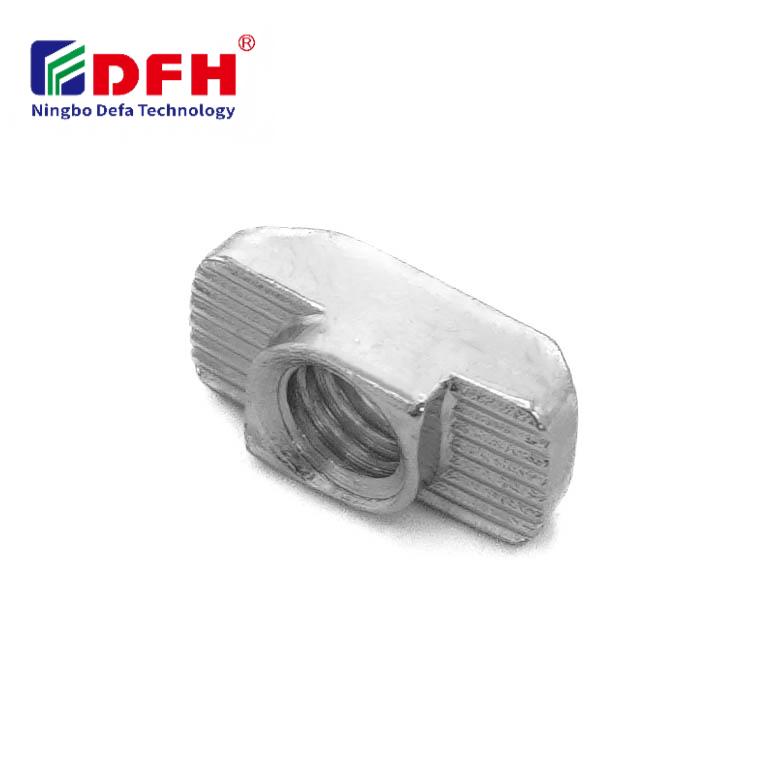
A T Nut is a threaded insert designed for modular framing systems, and its performance in high temperature environments depends critically on material composition, thermal expansion characteristics, and engineering design. These fastening hardware components are essential in industrial applications where precision, reliability, and durability matter. Understanding the thermal limits and capabilities of a T Nut helps engineers and procurement professionals select the right solution for demanding operating conditions.
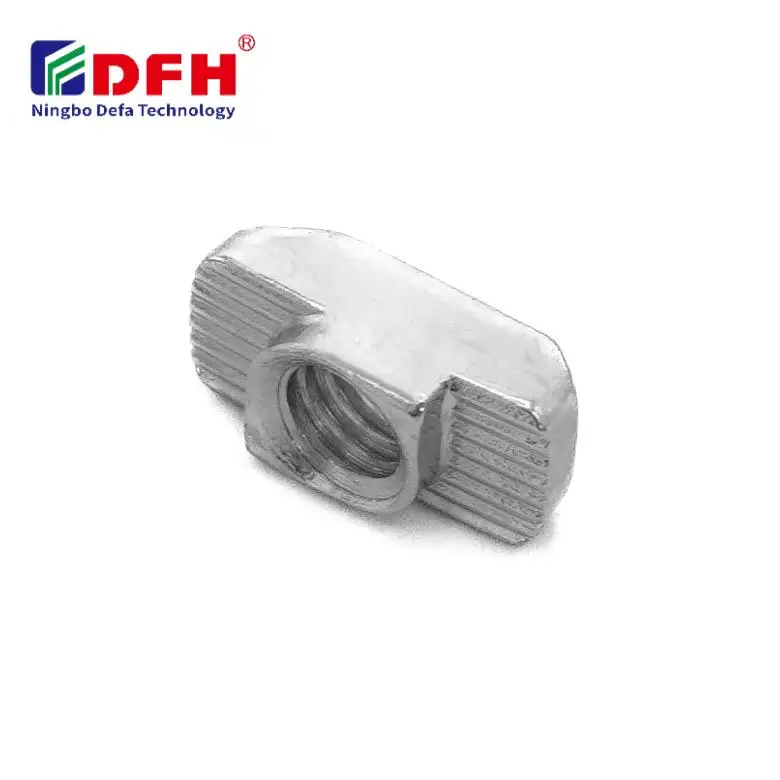
High temperature environments present unique challenges for slot nut assembly and other mechanical fasteners. Thermal stress, material softening, expansion mismatches, and oxidation can degrade fastening hardware performance over time. This article explores whether T nuts can effectively handle high temperature conditions, what material specifications are necessary, and how to evaluate temperature suitability for your specific application requirements.
Most T nuts are manufactured from carbon steel or stainless steel, both of which exhibit different thermal behaviors. Carbon steel, commonly used in standard threaded insert applications, maintains acceptable strength up to approximately 400–500 degrees Celsius before experiencing significant strength loss. Stainless steel variants offer improved high temperature performance, with austenitic stainless steel grades like 304 and 316 capable of maintaining structural integrity at temperatures approaching 600–700 degrees Celsius.
The material grade directly influences how your slot nut assembly will behave under thermal stress. Fastening hardware manufactured from precipitation-hardened stainless steel provides even higher temperature resistance, sometimes exceeding 750 degrees Celsius depending on the specific alloy composition. For applications requiring extreme temperature resilience, specialized alloys such as Inconel or nickel-based superalloys offer superior performance but at increased cost and manufacturing complexity.
Surface treatments applied to threaded insert fasteners significantly impact their high temperature performance. Zinc plating, commonly used for corrosion resistance, loses effectiveness above 200 degrees Celsius and is unsuitable for sustained high temperature applications. Nitriding, a surface hardening process, improves both wear resistance and thermal stability, extending the practical operating range of the fastening hardware component.
Black oxide coating provides modest oxidation resistance and is acceptable for temperatures up to approximately 300 degrees Celsius. For superior thermal performance, ceramic coatings and advanced surface technologies can protect the underlying T Nut material from oxidative degradation and thermal shock while maintaining thread integrity in demanding slot nut assembly configurations.
One of the primary challenges when using a T Nut in high temperature environments is thermal expansion mismatch between the fastener and the base material. Aluminum profile systems, common in modular framing applications, have a coefficient of thermal expansion approximately 2.3 times higher than steel. As temperature increases, this differential expansion creates internal stress within the threaded insert assembly, potentially loosening connections or causing mechanical failure.
Engineers designing systems with fastening hardware for high temperature use must account for expansion differentials in their calculations. The slot nut assembly design must accommodate slight movement without compromising load capacity or joint integrity. Preload specifications, thread engagement depth, and locking mechanisms become increasingly critical in these applications to maintain reliable performance across the anticipated thermal operating range.
As temperature rises, the yield strength and ultimate tensile strength of steel fastening hardware gradually decrease. A T Nut rated for a specific load capacity at room temperature may only safely handle 70–80 percent of that load at elevated temperatures, depending on material composition and duration of exposure. Extended thermal cycling—repeated heating and cooling—accelerates material fatigue and can reduce the functional lifespan of threaded insert components significantly.
Creep, the tendency of materials to deform permanently under sustained stress at elevated temperature, represents another consideration for the slot nut assembly in demanding applications. While steel exhibits minimal creep below 400 degrees Celsius under typical fastening loads, higher temperatures combined with vibration or cyclic loading can cause progressive loosening and micro-movement over extended operational periods.
In industries such as chemical processing, oil refining, and food manufacturing, T nuts frequently secure modular frames, heat exchangers, and pressure vessels. Standard carbon steel threaded insert fasteners are generally acceptable for intermittent exposure up to 300 degrees Celsius in these applications. For continuous operation above this threshold, stainless steel or nickel-based threaded insert alloys become necessary to maintain safety margins and prevent unexpected failures.
The fastening hardware used in slot nut assembly configurations for these applications must also resist thermal shock—rapid temperature changes—which can crack or weaken materials. Selecting T nuts with appropriate material composition and ensuring proper installation preload helps mitigate thermal shock damage and extends equipment service life significantly.
Aerospace and high-performance automotive applications demand exceptional thermal performance from fastening hardware. In these sectors, specialized threaded insert materials capable of maintaining structural integrity at 700 degrees Celsius or higher are standard practice. The slot nut assembly in these applications undergoes rigorous testing and certification to ensure reliability across extreme temperature ranges and demanding duty cycles.
Weight considerations in aerospace drive the selection of premium alloys that offer superior strength-to-weight ratios alongside high temperature resistance. A T Nut designed for jet engine applications may use materials specifically engineered for temperatures exceeding 900 degrees Celsius while maintaining predictable mechanical properties and fatigue resistance throughout the fastener's operational life.
A standard carbon steel T Nut typically maintains safe operating capability up to 300–400 degrees Celsius for continuous service. Beyond this threshold, material strength degradation becomes significant. Stainless steel variants extend this range to 600–700 degrees Celsius, while specialized superalloys can exceed 900 degrees Celsius. Always consult material datasheets and application specifications to determine the exact temperature rating for your threaded insert fastening hardware selection.
Repeated heating and cooling cycles accelerate material fatigue in fastening hardware components. Each thermal cycle creates mechanical stress due to differential expansion and contraction. Over many cycles, this repeated stress can weaken the T Nut, cause thread degradation, or lead to connection loosening. Applications involving frequent thermal cycling require premium materials, higher preload specifications, and potentially mechanical locking features to maintain slot nut assembly integrity.
Zinc plating and other standard protective coatings lose effectiveness at elevated temperatures and should be avoided. For high temperature service, consider nitriding, black oxide for moderate temperatures below 300 degrees Celsius, or specialized ceramic coatings. Bare stainless steel fastening hardware often performs better than coated carbon steel in high temperature environments because surface treatments can degrade and potentially compromise the underlying threaded insert performance and reliability.
2026/09/30
Source aluminum profiles for versatile modular framing. Learn extrusion mechanics, strength benefits & corrosion resistance. Request details.
2026/09/30
Source aluminum profiles for construction projects. Learn structural framing, cladding & window benefits for maximum ROI. Download guide.
2026/09/30
Source optimal aluminum profile sizing techniques. Evaluate load, space, alloy, environment & cost factors to prevent deflection. Download guide.
2026/09/30
Struggling with fastener failures or rework? Master screw sizing by diameter, pitch, material, and load—plus industry-specific standards. Optimize reliability & compliance now.
2026/09/30
Source aluminum profiles for industrial engineering. Discover strength-to-weight ratios, corrosion resistance & 30% cost savings. Download guide.
2026/09/30
Source heat-resistant aluminum profile systems. Master thermal expansion science & stress management strategies for industrial builds. Download guide.