EN
EN
What is Aluminum Profile and How Does It Work?
2026/09/30
Source aluminum profiles for versatile modular framing. Learn extrusion mechanics, strength benefits & corrosion resistance. Request details.

2026/09/18
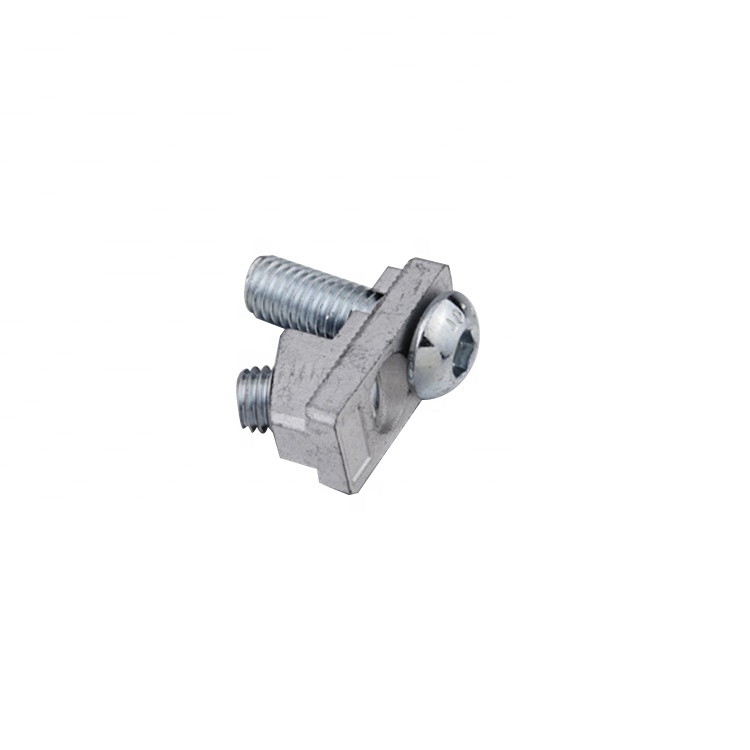
Inner connectors are critical components in modern industrial assembly systems, providing the mechanical foundation for profile-based structures. Understanding their load capacity is essential for engineers and designers who specify these components in manufacturing, automation, and construction applications. The load-bearing capability of inner connectors directly impacts system reliability, safety margins, and overall structural integrity. Selecting the right inner connectors for your profile connection systems requires careful evaluation of application forces, environmental conditions, and long-term performance requirements.
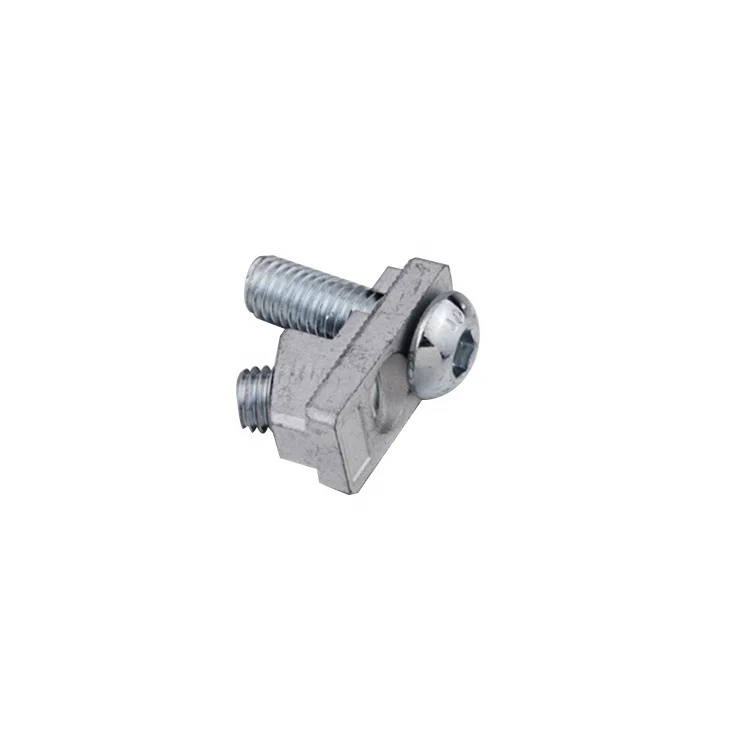
Load capacity specifications for internal fasteners vary significantly based on material composition, dimensional tolerances, connection geometry, and installation methods. Industrial standards establish baseline performance metrics, but real-world applications often demand deeper technical analysis to ensure safe, predictable operation under dynamic and static loading conditions.
The load capacity of slot mounting hardware depends primarily on material selection and metallurgical properties. Steel-based inner connectors typically deliver higher tensile strength and load ratings compared to aluminum or zinc-alloy alternatives. Profile connection systems engineered from high-grade steel can sustain axial, radial, and shear forces that exceed 10,000 pounds under normal operating conditions, depending on fastener diameter and grade specifications. Internal fasteners manufactured from stainless steel offer corrosion resistance alongside substantial load capacity, making them suitable for food processing, pharmaceutical manufacturing, and outdoor industrial environments.
Inner connectors load capacity scales proportionally with fastener diameter and cross-sectional area. A slot mounting hardware component with an M8 thread diameter typically supports different loads than an M12 variant, reflecting the increased material volume and stress distribution. Profile connection systems designed with larger inner connectors distribute applied forces across broader contact surfaces, reducing localized stress concentration and improving fatigue resistance over extended operational cycles. Thread pitch, head geometry, and engagement depth all contribute to the overall load capacity performance envelope.
Static load capacity represents the maximum sustained force that internal fasteners can withstand without permanent deformation or failure. Profile connection systems in fixed mounting applications typically encounter primarily static loads, allowing designers to select inner connectors based on straightforward calculation methods. Dynamic loading, by contrast, subjects slot mounting hardware to cyclic stress variations, thermal cycling, vibration, and impact forces that progressively degrade material integrity. Industrial machinery, transportation equipment, and robotics applications commonly present dynamic loading conditions requiring safety factors of 3 to 6 times the anticipated peak load for inner connectors used in profile connection systems.
Inner connectors experience various force vectors simultaneously in real-world assemblies. Tensile forces pull directly along the fastener axis, while shear forces act perpendicular to the fastener centerline. Profile connection systems must accommodate combined loading scenarios where internal fasteners face tensile, shear, and bending moments concurrently. High-performance slot mounting hardware engineered for heavy industrial applications incorporates material grades, geometric designs, and surface treatments that maximize resistance to all force types. Standards such as ISO, DIN, and ASTM establish reference values for inner connectors under specific loading combinations, providing engineers with validated performance benchmarks.
Determining appropriate inner connectors requires systematic engineering analysis beginning with application force mapping. Engineers calculate peak loads from equipment specifications, process parameters, and worst-case operational scenarios. Profile connection systems load capacity calculations incorporate the yielding strength, ultimate tensile strength, and fatigue endurance limits of candidate slot mounting hardware materials. Safety factors of 4.0 to 6.0 are typically applied to static loads, while dynamic applications demand increased margins reflecting uncertainty in vibration amplitude, frequency content, and stress concentration factors. Internal fasteners selection must account for temperature extremes, corrosive media exposure, and potential stress riser effects from sharp edges or geometric discontinuities in the assembled structure.
Proper installation of inner connectors directly affects realized load capacity in profile connection systems. Under-torqued slot mounting hardware creates excessive micro-motion and joint relaxation, reducing effective clamping force and load-carrying capability. Over-torqued fasteners introduce residual tensile stress that reduces fatigue life and increases failure probability under cyclic loading. Profile connection systems specifications typically include torque target values and preload requirements for internal fasteners, derived from material properties and engagement geometry. Installation procedures for inner connectors should specify wrench size, torque application speed, and calibrated tightening devices to achieve consistent, repeatable preload across all fasteners in the assembly.
International standards organizations publish comprehensive load capacity ratings for inner connectors across diameter, material grade, and application categories. Profile connection systems component manufacturers reference ISO 898, DIN 912, and ASTM F568 specifications to establish internal fastener performance boundaries. These standards define tensile strength classes, hardness requirements, and dimensional tolerances for slot mounting hardware. Certified inner connectors manufactured to recognized standards provide design confidence, supply chain reliability, and interchangeability across global procurement networks. Standards compliance documentation serves as critical validation evidence during engineering design reviews, particularly in safety-critical or regulated industries.
Load capacity specifications for inner connectors emerge from rigorous laboratory testing protocols. Profile connection systems manufacturers conduct tensile pull tests, shear tests, and combined loading experiments to validate slot mounting hardware performance against published ratings. Fatigue testing subjects internal fasteners to millions of cyclic load iterations under controlled conditions, establishing endurance limits and failure statistics. Environmental testing simulates temperature cycling, corrosion exposure, and vibration conditions to evaluate long-term reliability of inner connectors in harsh industrial settings. Test reports and certification documents provide quantitative evidence supporting selection decisions for profile connection systems components destined for demanding applications.
Material grade, fastener diameter, thread engagement depth, and surface finish conditions are the primary determinants of inner connector load capacity. Profile connection systems load-bearing performance improves with larger diameter slot mounting hardware and higher tensile strength materials. Installation torque, joint interface cleanliness, and geometric stress concentration also influence actual achieved load capacity in assembled internal fasteners.
Static applications allow selection based on yield strength considerations with moderate safety factors. Dynamic loading scenarios require fatigue analysis, higher safety margins, and consideration of cyclic stress limits for inner connectors. Profile connection systems engineers typically apply 1.5 to 2 times higher safety factors for slot mounting hardware in vibration-intensive environments compared to equivalent static load cases.
Proper torque application using calibrated tools, clean joint interfaces free of contamination, and aligned assembly procedures are essential for achieving rated capacity. Profile connection systems specifications include torque values derived from material properties and fastener dimensions. Periodic inspection of internal fasteners and retorquing protocols help maintain preload and load capacity throughout the service life of slot mounting hardware installations.
2026/09/30
Source aluminum profiles for versatile modular framing. Learn extrusion mechanics, strength benefits & corrosion resistance. Request details.
2026/09/30
Source aluminum profiles for construction projects. Learn structural framing, cladding & window benefits for maximum ROI. Download guide.
2026/09/30
Source optimal aluminum profile sizing techniques. Evaluate load, space, alloy, environment & cost factors to prevent deflection. Download guide.
2026/09/30
Struggling with fastener failures or rework? Master screw sizing by diameter, pitch, material, and load—plus industry-specific standards. Optimize reliability & compliance now.
2026/09/30
Source aluminum profiles for industrial engineering. Discover strength-to-weight ratios, corrosion resistance & 30% cost savings. Download guide.
2026/09/30
Source heat-resistant aluminum profile systems. Master thermal expansion science & stress management strategies for industrial builds. Download guide.