EN
EN
What is Aluminum Profile and How Does It Work?
2026/09/30
Source aluminum profiles for versatile modular framing. Learn extrusion mechanics, strength benefits & corrosion resistance. Request details.

2026/09/03
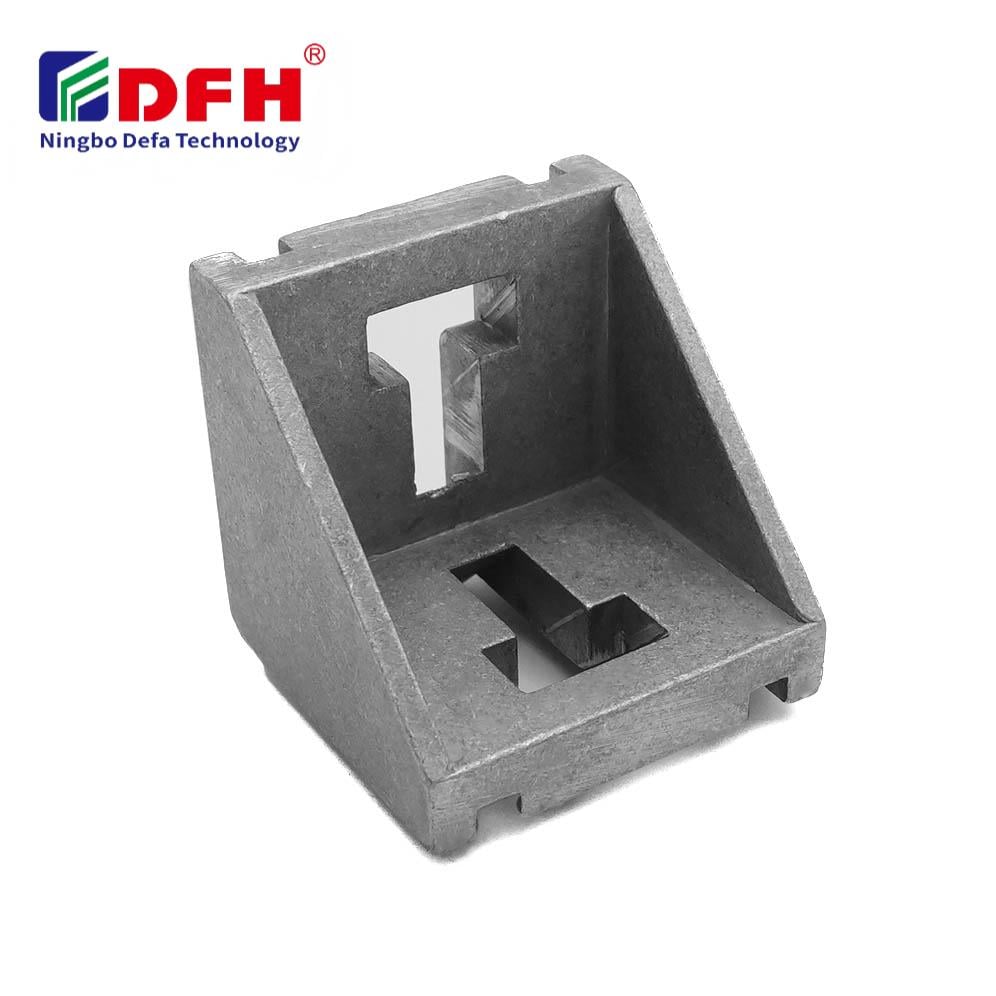
Installing leveling feet correctly is essential for ensuring stability, preventing wobbling, and protecting your equipment or furniture from damage. Whether you are working with adjustable leveling feet on industrial machinery, furniture leveling pads on kitchen appliances, or equipment stabilizer feet on machinery, understanding the proper installation technique makes the difference between a secure setup and ongoing frustration. This guide walks you through the complete process of installing leveling feet so that your equipment remains level, stable, and performs as intended.
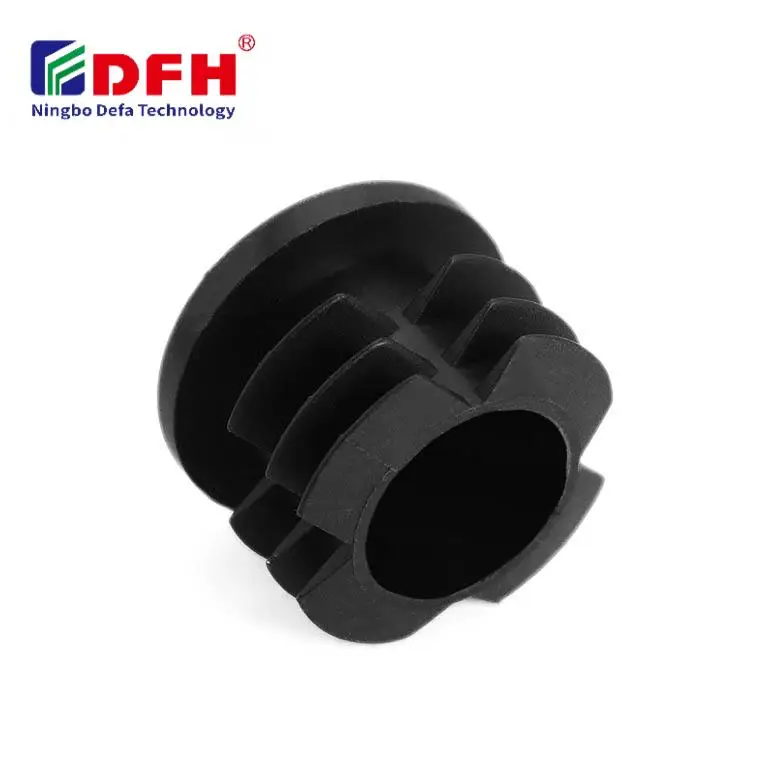
Before beginning installation, gather all necessary tools and components, including a level, wrench set, and the specific type of leveling feet or furniture leveling pads suited to your equipment. Proper preparation ensures a smooth installation process and reduces the risk of misalignment or instability that could compromise your setup.
Adjustable leveling feet are designed to provide flexible height adjustment on industrial equipment and machinery. These feet typically feature a threaded shaft that allows you to raise or lower the equipment by rotating the foot itself. When selecting adjustable leveling feet, verify that the thread pitch, diameter, and load capacity match your equipment specifications. Incorrect sizing can lead to inadequate support or damage to the equipment base.
The installation of adjustable leveling feet begins by removing any existing feet or pads from your equipment. Clean the mounting surface thoroughly to remove debris, dirt, or residue that could affect contact and stability. Insert the leveling feet into the threaded holes or mounting points on your equipment base, ensuring they are seated securely and hand-tightened initially.
Furniture leveling pads and equipment stabilizer feet serve a similar purpose but are typically used on lighter equipment, appliances, and furniture pieces. These feet often feature a fixed or semi-adjustable design with a rubber or plastic base that protects floors and provides grip. Furniture leveling pads come in various sizes and materials, so selecting the correct type ensures compatibility with your specific equipment and flooring surface.
Installation of furniture leveling pads or equipment stabilizer feet is straightforward and requires minimal tools. Most models attach via adhesive backing, screws, or by inserting into existing mounting holes. Ensure the base of your equipment is clean and dry before applying adhesive-backed furniture leveling pads to maximize adhesion. For screw-mounted models, position the feet at the four corners or according to the equipment manufacturer's recommendations.
Start by placing your equipment on a flat, hard surface where you can work comfortably. Use a level to check the current position of your equipment and identify which areas require adjustment. Position your adjustable leveling feet or equipment stabilizer feet at all mounting points, ensuring they are aligned parallel to the equipment base. Misaligned feet can cause tilting, uneven weight distribution, and accelerated wear on your equipment components.
Once all feet are positioned, begin tightening them gradually in a cross-pattern, similar to tightening vehicle wheel lug nuts. This cross-pattern distribution prevents uneven settling and maintains balanced contact with the floor. Tighten each foot only partially during the first pass, then return to each foot for the final tightening. This method ensures even pressure distribution and prevents the equipment from shifting during installation.
After securing all feet, place your level on top of the equipment in multiple directions to check for horizontal alignment. Most equipment requires level positioning within one degree of accuracy to function correctly and avoid operational issues. If your equipment is not level, adjust the adjustable leveling feet by turning them clockwise to raise or counterclockwise to lower the height at that point. Make small adjustments and recheck with your level frequently to achieve proper alignment without over-correcting.
Once the equipment is level, verify that all feet are making solid contact with the floor. Rock the equipment gently side to side to confirm there is no movement or wobbling. If wobbling occurs, one or more feet may not be making full contact with the floor. Adjust the nearby feet by turning them slightly until all movement stops and the equipment feels stable. Furniture leveling pads and equipment stabilizer feet should feel firm when you apply downward pressure on the equipment corners.
After installation, test the stability of your equipment by applying gentle downward pressure at various points along the base. Check that no area of the equipment rocks or flexes unexpectedly. For machinery or appliances, operate them briefly to ensure vibration does not cause any feet to loosen or shift. If you notice any movement, tighten the adjustable leveling feet slightly and retest until complete stability is achieved.
For equipment that will carry significant loads or experience vibration during operation, verify that the weight capacity of your adjustable leveling feet or equipment stabilizer feet exceeds the total equipment weight. Overloading leveling feet causes premature wear, failure, and potential equipment damage. Consult the manufacturer's specifications to confirm that your selected feet can safely support your equipment under normal operating conditions.
One of the most common errors is failing to clean the equipment base before installing adjustable leveling feet or furniture leveling pads. Dust, dirt, and debris prevent proper contact between the feet and the mounting surface, reducing stability and increasing the likelihood of slipping or shifting. Always clean the installation area thoroughly with a dry cloth and inspect for any damage or irregularities that could affect foot placement. For adhesive-backed furniture leveling pads, ensure the surface is completely dry and free of oils or residue for maximum adhesion strength.
Tightening all leveling feet in sequence rather than using a cross-pattern can cause uneven settling and poor load distribution. This mistake is particularly common with adjustable leveling feet on machinery. Uneven tightening can result in one side of the equipment being higher than the other, causing operational problems and reducing equipment lifespan. Always tighten in a cross-pattern and use a level to verify alignment as you proceed through the installation.
Selecting equipment stabilizer feet or furniture leveling pads without considering your equipment's weight is a critical mistake that leads to failure. If the feet cannot support the load, they compress unevenly, degrade quickly, or fail completely. Always verify the weight capacity specifications before purchase and ensure your feet can handle at least 25 percent more than the equipment's actual weight for a safety margin. This approach extends foot lifespan and maintains equipment stability over years of use.
Most adjustable leveling feet do not require extreme torque and should be tightened by hand until snug, then turned an additional quarter turn with a wrench. Over-tightening can strip threads, damage the equipment base, or break the feet entirely. Consult your equipment manufacturer's specifications for exact torque values, as requirements vary by foot design and material composition. A general rule is to tighten until you feel firm resistance, then stop.
After initial installation, check leveling feet within the first week of equipment operation, then every three to six months depending on usage intensity and environmental conditions. Equipment subjected to vibration, temperature fluctuations, or heavy loads may require more frequent checks. Furniture leveling pads and equipment stabilizer feet on less demanding applications may only need yearly verification. Regular inspection prevents problems from developing and ensures your equipment maintains optimal stability and performance.
Adhesive-backed furniture leveling pads are designed for single installation and generally should not be reused once removed, as the adhesive loses strength. Screw-mounted equipment stabilizer feet can typically be reused multiple times if they remain in good condition and the threads are not damaged. When relocating equipment, inspect all feet for wear or deformation and replace them if necessary to ensure optimal performance at the new location. New feet are an inexpensive investment compared to equipment damage from poor stability.
2026/09/30
Source aluminum profiles for versatile modular framing. Learn extrusion mechanics, strength benefits & corrosion resistance. Request details.
2026/09/30
Source aluminum profiles for construction projects. Learn structural framing, cladding & window benefits for maximum ROI. Download guide.
2026/09/30
Source optimal aluminum profile sizing techniques. Evaluate load, space, alloy, environment & cost factors to prevent deflection. Download guide.
2026/09/30
Struggling with fastener failures or rework? Master screw sizing by diameter, pitch, material, and load—plus industry-specific standards. Optimize reliability & compliance now.
2026/09/30
Source aluminum profiles for industrial engineering. Discover strength-to-weight ratios, corrosion resistance & 30% cost savings. Download guide.
2026/09/30
Source heat-resistant aluminum profile systems. Master thermal expansion science & stress management strategies for industrial builds. Download guide.