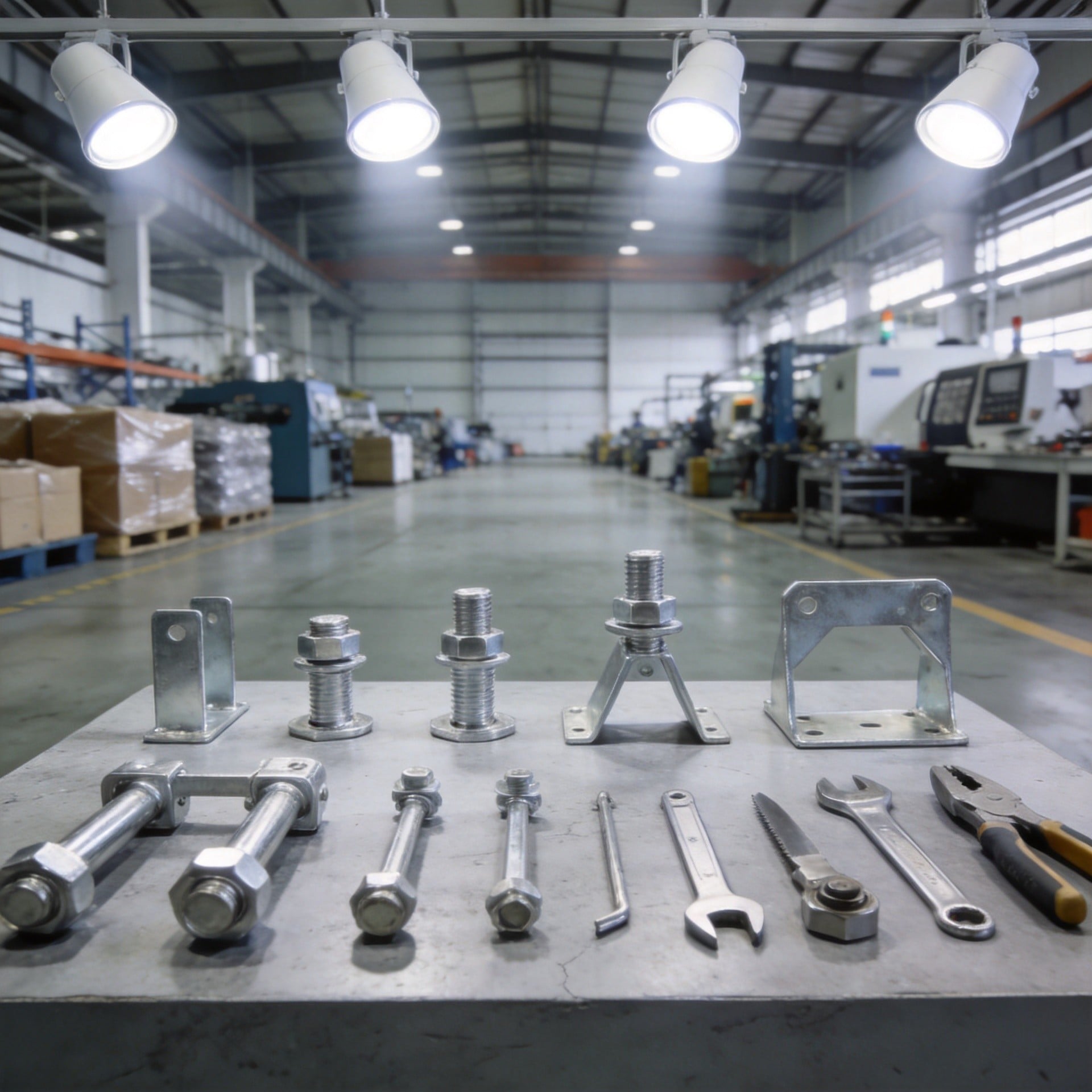
EN
EN
What is Aluminum Profile and How Does It Work?
2026/09/30
Source aluminum profiles for versatile modular framing. Learn extrusion mechanics, strength benefits & corrosion resistance. Request details.

2026/09/22
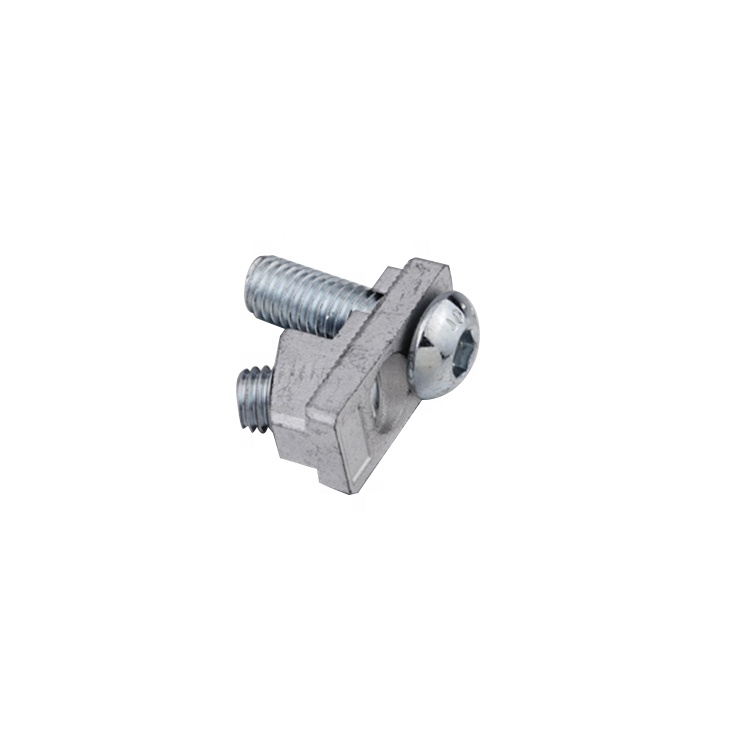
Installing End Connectors correctly is fundamental to achieving reliable, durable structural assemblies in industrial applications. Whether you are working with aluminum profiles, steel frameworks, or modular construction systems, proper end connector installation determines the integrity and longevity of your entire structure. Incorrect installation can lead to misalignment, weak joints, premature wear, and safety hazards that compromise both performance and operational costs.
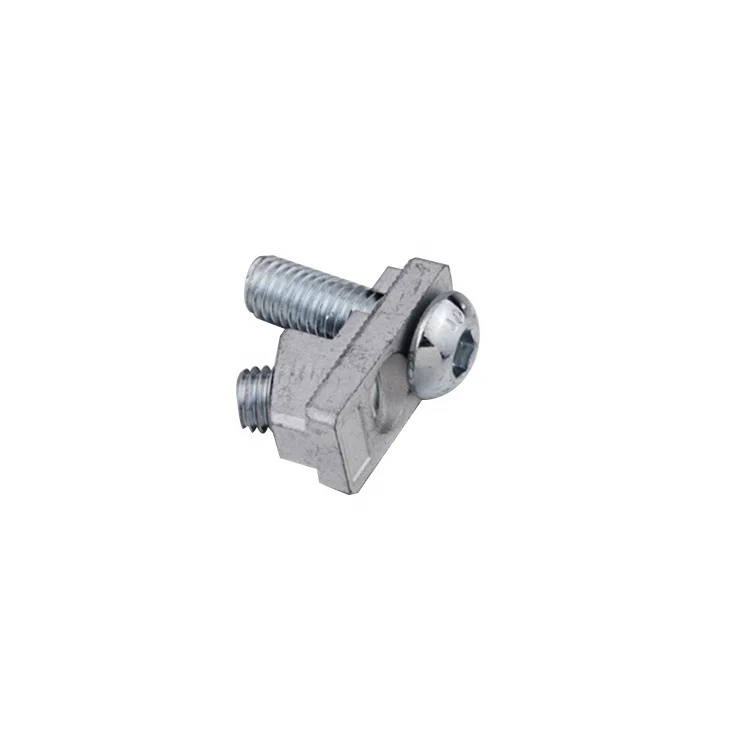
This guide walks you through the essential steps, techniques, and best practices for connector installation in structural frameworks. Understanding the mechanics of fastening systems and the proper assembly sequence ensures that your connectors function as designed, delivering maximum strength and reliability. By following these proven methods, you can avoid costly mistakes and ensure your projects meet performance specifications from the start.
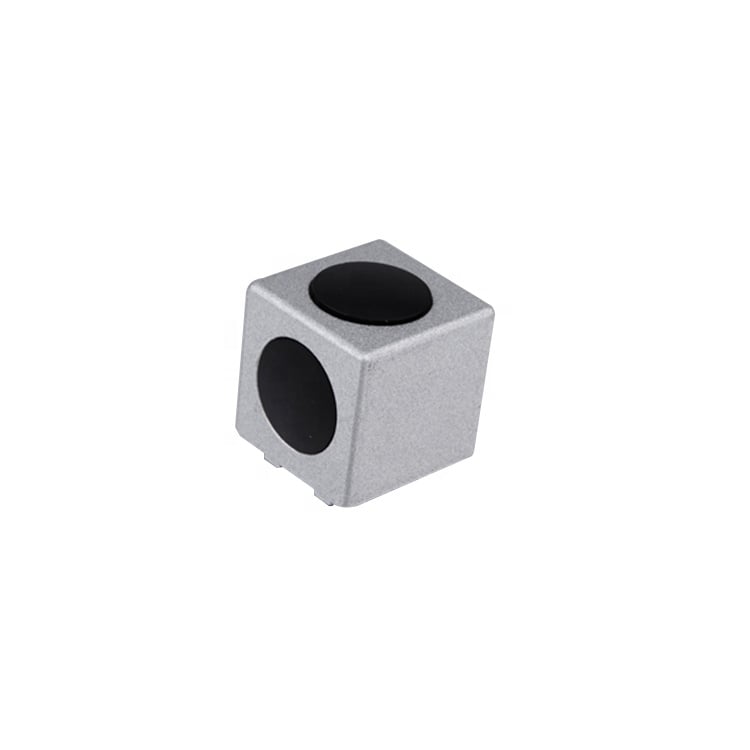
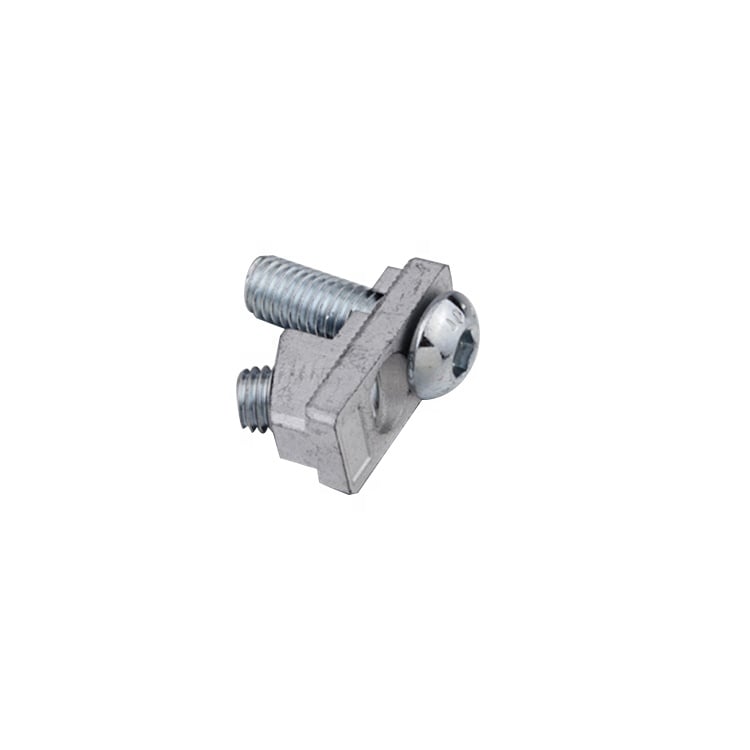
End connectors are mechanical components designed to join two or more structural elements securely. They serve as the critical interface between profile sections, framework members, or modular parts. These connectors must transfer loads, maintain alignment, and resist vibration and stress throughout the structure's operational life. The quality of your connector installation directly impacts how effectively these connectors perform under real-world conditions.
End connectors come in various designs, including slide-in connectors, threaded connectors, and precision-engineered fastening systems. Each type has specific installation requirements and optimal use cases. Understanding your particular connector type is the first step toward proper installation and long-term assembly reliability.
Proper connector installation goes beyond simply tightening bolts or pushing pieces together. Correct fastening systems require precise alignment, appropriate pressure application, and verification of secure connections. Many assembly failures occur because installers skip verification steps or apply inconsistent techniques. Structural assembly integrity depends on every connector being installed to specification, not just most of them.
When connector installation is done correctly, you gain consistent joint strength, predictable load distribution, reduced vibration and noise, and extended component lifespan. These benefits directly translate to lower maintenance costs and improved operational safety across your facility.
Begin by cleaning all connector surfaces and mating areas thoroughly. Remove any dust, debris, or protective coating that might prevent proper contact. Inspect the connector installation area for damage, rust, or manufacturing defects. Proper structural assembly starts with clean, undamaged components that can mate without gaps or misalignment.
Position your framework components so the connection points align perfectly. Use alignment guides, reference marks, or assembly fixtures to ensure precise positioning before applying any fastening systems. Misaligned connectors may appear functional initially but can develop stress concentrations that lead to premature failure. Take time to verify alignment using straightedges, calipers, or alignment tools appropriate to your assembly scale.
Insert end connectors into their designated positions with steady, controlled pressure. For threaded connector installation, hand-tighten first to ensure threads engage properly without cross-threading. Once hand-tight, use calibrated torque wrenches to apply fastening systems specifications exactly. Under-torquing leaves connections loose; over-torquing can strip threads or deform connector components and compromise structural assembly.
Apply torque in a controlled sequence rather than fully tightening one connector before moving to the next. This approach distributes load evenly and prevents uneven stress that can cause components to shift. For multi-bolt connections, use a star pattern or cross pattern to tighten fasteners progressively. Verify that all connector installation points achieve specified torque values before moving to the next assembly stage.
After completing connector installation, verify that all connections are secure by attempting slight movement with your hand. Check that no gaps exist between mating surfaces and that connectors sit fully seated against their receiving surfaces. Perform a final visual inspection from multiple angles to confirm proper alignment and symmetry across your structural assembly.
For critical applications, conduct load testing or stress verification according to your project specifications. Some installations benefit from vibration testing or pull tests to confirm the fastening systems can withstand operational forces. Document all connector installation results and torque values for quality assurance and future maintenance reference.
One of the most frequent errors in connector installation is forcing misaligned components together. This creates stress points, uneven load distribution, and accelerated wear. Always verify alignment before fully tightening any fastening systems. Use alignment tools or temporary guide pins to hold components in position while you apply initial fasteners.
Misalignment in structural assembly often results from inadequate preparation or skipped verification steps. Train your installation team to respect the importance of alignment verification as a non-negotiable part of the connector installation process. Small misalignments that seem insignificant during assembly can become major problems under operational loading.
Loose end connectors frequently occur when fastening systems specifications are ignored or approximated rather than followed precisely. Use properly calibrated torque tools and verify their accuracy regularly. Keep detailed records of torque values applied during connector installation to track consistency and identify potential issues.
Periodic inspection and re-verification of connections after initial installation helps catch loosening before it causes failures. Vibration and thermal cycling can gradually loosen even properly installed connectors. Schedule follow-up inspections at appropriate intervals based on your equipment's operational environment and duty cycle.
When installing end connectors in outdoor or chemically aggressive environments, pay close attention to material compatibility. Dissimilar metals can create galvanic corrosion that weakens your structural assembly over time. Select connectors and fastening systems materials that match your environment and component materials. Apply appropriate protective coatings or lubricants during connector installation to prevent corrosion and extend service life.
Document the materials used in your connector installation process, including connector type, fastener grade, and any protective treatments applied. This information becomes invaluable for maintenance and future modifications to your structural assembly.
The correct torque depends on your specific connector type, fastener size, and material grade. Always consult the manufacturer's documentation or engineering specifications for your fastening systems. Using a calibrated torque wrench and applying the specified value ensures proper connection strength. If specifications are unavailable, consult with your engineering team or connector supplier before proceeding with connector installation.
Properly installed end connectors show no visible gaps between mating surfaces, are fully seated against receiving areas, and resist hand-movement attempts. All fastening systems should be evenly tightened and show consistent torque values. After connector installation, perform a final visual inspection and document your findings. If you notice any looseness or misalignment, verify torque values and re-tighten as needed before operational use.
Reusing end connectors depends on their condition and the severity of their previous use. Inspect connectors for damage, deformation, or thread wear before reuse. High-stress applications may require new fastening systems and connectors for safety and reliability. Document whether connectors are new or reused during each structural assembly project for quality control and traceability purposes.
2026/09/30
Source aluminum profiles for versatile modular framing. Learn extrusion mechanics, strength benefits & corrosion resistance. Request details.
2026/09/30
Source aluminum profiles for construction projects. Learn structural framing, cladding & window benefits for maximum ROI. Download guide.
2026/09/30
Source optimal aluminum profile sizing techniques. Evaluate load, space, alloy, environment & cost factors to prevent deflection. Download guide.
2026/09/30
Struggling with fastener failures or rework? Master screw sizing by diameter, pitch, material, and load—plus industry-specific standards. Optimize reliability & compliance now.
2026/09/30
Source aluminum profiles for industrial engineering. Discover strength-to-weight ratios, corrosion resistance & 30% cost savings. Download guide.
2026/09/30
Source heat-resistant aluminum profile systems. Master thermal expansion science & stress management strategies for industrial builds. Download guide.