EN
EN
What is Aluminum Profile and How Does It Work?
2026/09/30
Source aluminum profiles for versatile modular framing. Learn extrusion mechanics, strength benefits & corrosion resistance. Request details.

2026/09/02
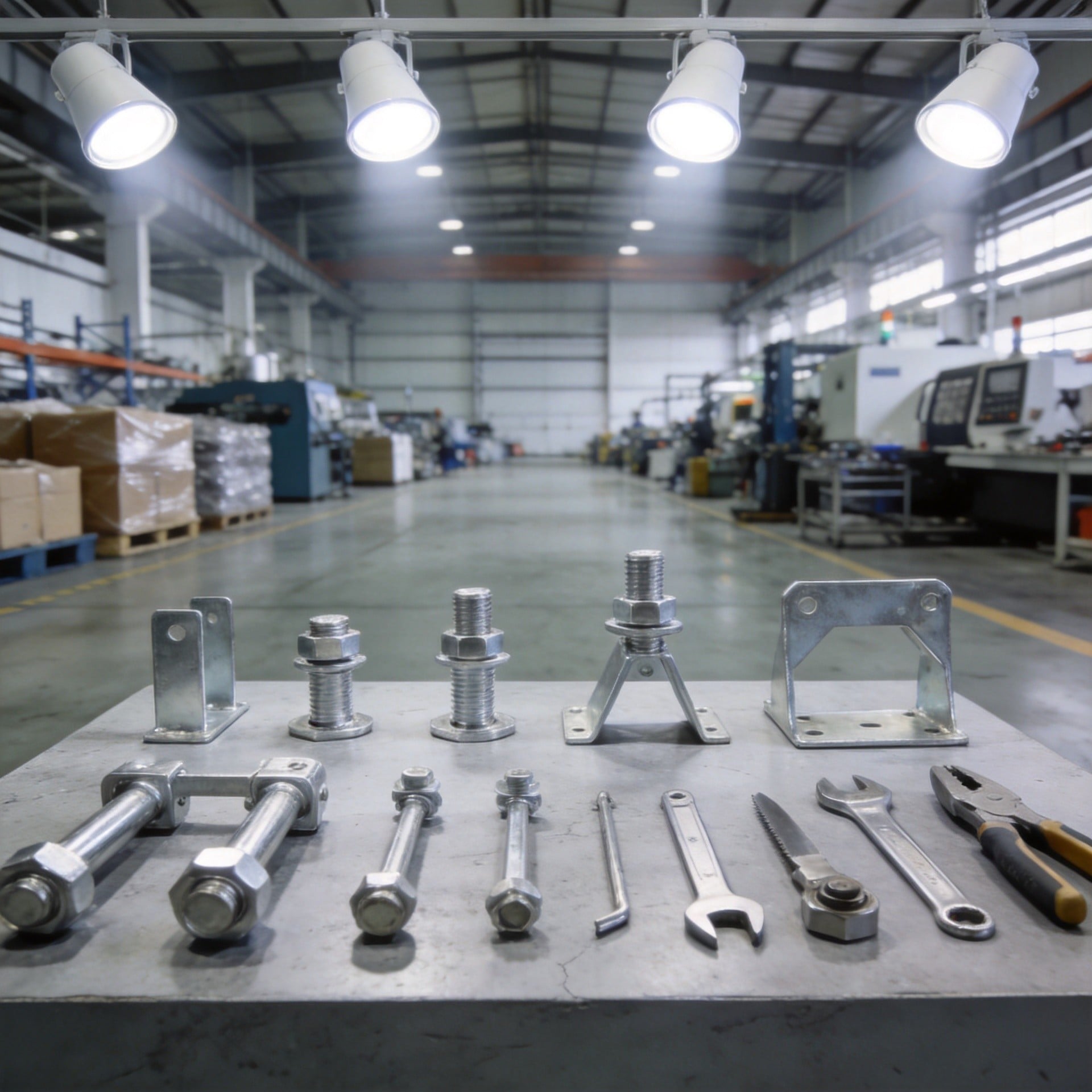
The load capacity of a pipe rack is one of the most critical engineering specifications for any industrial installation. Understanding what weight your Pipe Rack System can safely support determines whether your facility meets safety standards, maintains operational efficiency, and avoids catastrophic failures. Load capacity encompasses both the weight of the pipes themselves and the fluid or gas flowing through them, plus dynamic stresses from temperature fluctuations, vibration, and environmental forces.
Load capacity varies significantly depending on the pipe rack system design, materials used, support geometry, and installation quality. Industrial pipe support structures must be engineered to handle not just static loads but also transient forces that occur during startup, shutdown, and emergency conditions. Proper capacity assessment requires understanding the specifications of your framework, calculating realistic load scenarios, and ensuring that all mounting components meet or exceed design requirements.
An industrial pipe support structure carries two distinct types of loads: static and dynamic. Static loads include the permanent weight of empty piping, fittings, and valves, plus the weight of the fluid or gas contained within during normal operation. Dynamic loads arise from pressure surges, thermal expansion and contraction, vibration from rotating equipment, wind forces, and seismic activity. A properly engineered modular piping framework accounts for both categories when determining safe working load limits.
Static load calculations use straightforward weight measurements, often expressed in pounds per linear foot or kilograms per meter. Dynamic load factors typically require a safety multiplier applied to static values to account for sudden forces or repetitive stress cycles. The combined analysis determines the maximum allowable load capacity that a given pipe rack system can sustain without permanent deformation, fatigue failure, or safety compromise.
The material composition of your industrial pipe support structure directly influences its load-carrying capability. Carbon steel provides the standard baseline for most heavy-duty pipe mounting solutions, while stainless steel offers enhanced corrosion resistance in aggressive environments. The grade, thickness, and structural profile of beams, columns, and mounting brackets all contribute to overall capacity. A heavy-duty pipe mounting solution typically specifies material grades that meet ASTM or ISO standards, ensuring consistency and reliability.
Modular piping framework components are often rated for specific load ranges based on their cross-sectional dimensions and metallurgical properties. Larger diameter steel tubing and thicker wall sections support heavier loads over longer spans. Welded connections, bolt torque specifications, and bearing surface contact areas all factor into the final capacity rating of the complete assembly.
Calculating the true load capacity of a pipe rack system requires a systematic approach that identifies every source of weight and stress. Begin by determining the empty weight of all piping, valves, flanges, insulation, and instrumentation. Next, add the weight of the process fluid at design operating temperature and pressure. For steam or gas systems, use density values at expected service conditions. This sum represents the sustained static load that your pipe rack system must support continuously.
Dynamic load assessment involves identifying potential transient conditions, including water hammer events from rapid valve closure, thermal stress from temperature swings, and vibration from nearby rotating machinery. These forces are typically expressed as load multipliers ranging from 1.2 to 2.0 times the static load, depending on severity. A well-designed industrial pipe support structure applies appropriate safety factors to all calculated loads, ensuring margins that prevent failure under abnormal conditions.
The distance between adjacent supports dramatically affects load capacity. Longer unsupported spans experience greater deflection and bending stress, reducing the permissible load per unit length. Modular piping framework designs typically specify maximum span intervals based on pipe diameter, wall thickness, and acceptable deflection limits. Typical guidelines restrict unsupported spans to 8 to 12 feet for standard steel pipes, though smaller or thinner-walled pipes require closer support spacing.
Adding intermediate supports increases the load-carrying capacity of the system by reducing bending moments and stress concentrations. When upgrading an existing pipe rack system or expanding capacity, reducing span length often provides a more cost-effective solution than replacing structural components. Careful spacing of supports in a heavy-duty pipe mounting solution prevents excessive deflection that could misalign connections, stress flanges, or damage downstream equipment.
Achieving the full rated load capacity of your pipe rack system depends heavily on correct installation. All fasteners, whether bolts or welds, must be torqued to specification and inspected for proper engagement. Welded connections in modular piping framework must achieve full fusion penetration as verified by appropriate NDT methods like ultrasonic or radiographic inspection. Misaligned or under-torqued fasteners significantly reduce the effective load capacity and create failure risk points.
Bearing surfaces where pipes rest on the pipe rack system must be clean, free of paint, scale, or contamination that could reduce contact area. Proper use of wear pads or saddle supports distributes load over a larger surface area and prevents stress concentrations that lead to localized crushing or deformation. The industrial pipe support structure should be anchored securely to building structure or foundation according to design specifications, preventing lateral movement or instability.
After installation, verify that actual operating loads remain within design parameters. Measure deflection at midspan under full operating conditions using precision instruments or dial gauges. Compare measured deflection to design predictions; significant deviations indicate either calculation errors or installation problems requiring correction. Documentation of baseline measurements enables detection of degradation over time due to corrosion, vibration fatigue, or load increases from process modifications.
Periodic inspection protocols should include visual examination for cracking, permanent set, or corrosion that reduces effective material thickness. For critical systems, vibration monitoring can identify resonance conditions or support degradation before failure occurs. A heavy-duty pipe mounting solution often includes inspection ports or access points designed to facilitate measurement and assessment without disrupting operations.
The most critical factors are material grade and thickness of structural components, span length between supports, and the accuracy of load calculations. A pipe rack system's capacity depends on the cross-sectional area and yield strength of beams and columns, the geometry of connection details, and whether the industrial pipe support structure incorporates proper lateral bracing. Undersizing any of these elements creates a bottleneck that limits overall capacity.
Yes, load capacity can be upgraded through several methods. Reducing span length by adding intermediate supports is often the most economical approach. Retrofitting with thicker-walled pipes or reinforced brackets in the pipe rack system increases component strength. Lateral bracing and diagonal members can reduce deflection and improve stability. However, modifications should be engineered by qualified professionals to ensure all components work together and that the modified heavy-duty pipe mounting solution remains safe and effective.
Temperature fluctuations cause pipe expansion and contraction, creating cyclic stress that can lead to fatigue failure if not properly accommodated. An industrial pipe support structure must include expansion loops or flexible connections that allow thermal movement while restraining the pipe against lateral forces. Pressure transients from rapid valve closures create shock loads exceeding normal operating pressure by several times. A properly designed pipe rack system incorporates expansion provisions and shock dampers to protect against these dynamic events while maintaining load capacity over the system's operational life.
2026/09/30
Source aluminum profiles for versatile modular framing. Learn extrusion mechanics, strength benefits & corrosion resistance. Request details.
2026/09/30
Source aluminum profiles for construction projects. Learn structural framing, cladding & window benefits for maximum ROI. Download guide.
2026/09/30
Source optimal aluminum profile sizing techniques. Evaluate load, space, alloy, environment & cost factors to prevent deflection. Download guide.
2026/09/30
Struggling with fastener failures or rework? Master screw sizing by diameter, pitch, material, and load—plus industry-specific standards. Optimize reliability & compliance now.
2026/09/30
Source aluminum profiles for industrial engineering. Discover strength-to-weight ratios, corrosion resistance & 30% cost savings. Download guide.
2026/09/30
Source heat-resistant aluminum profile systems. Master thermal expansion science & stress management strategies for industrial builds. Download guide.