EN
EN
What is Aluminum Profile and How Does It Work?
2026/09/30
Source aluminum profiles for versatile modular framing. Learn extrusion mechanics, strength benefits & corrosion resistance. Request details.

2026/09/04
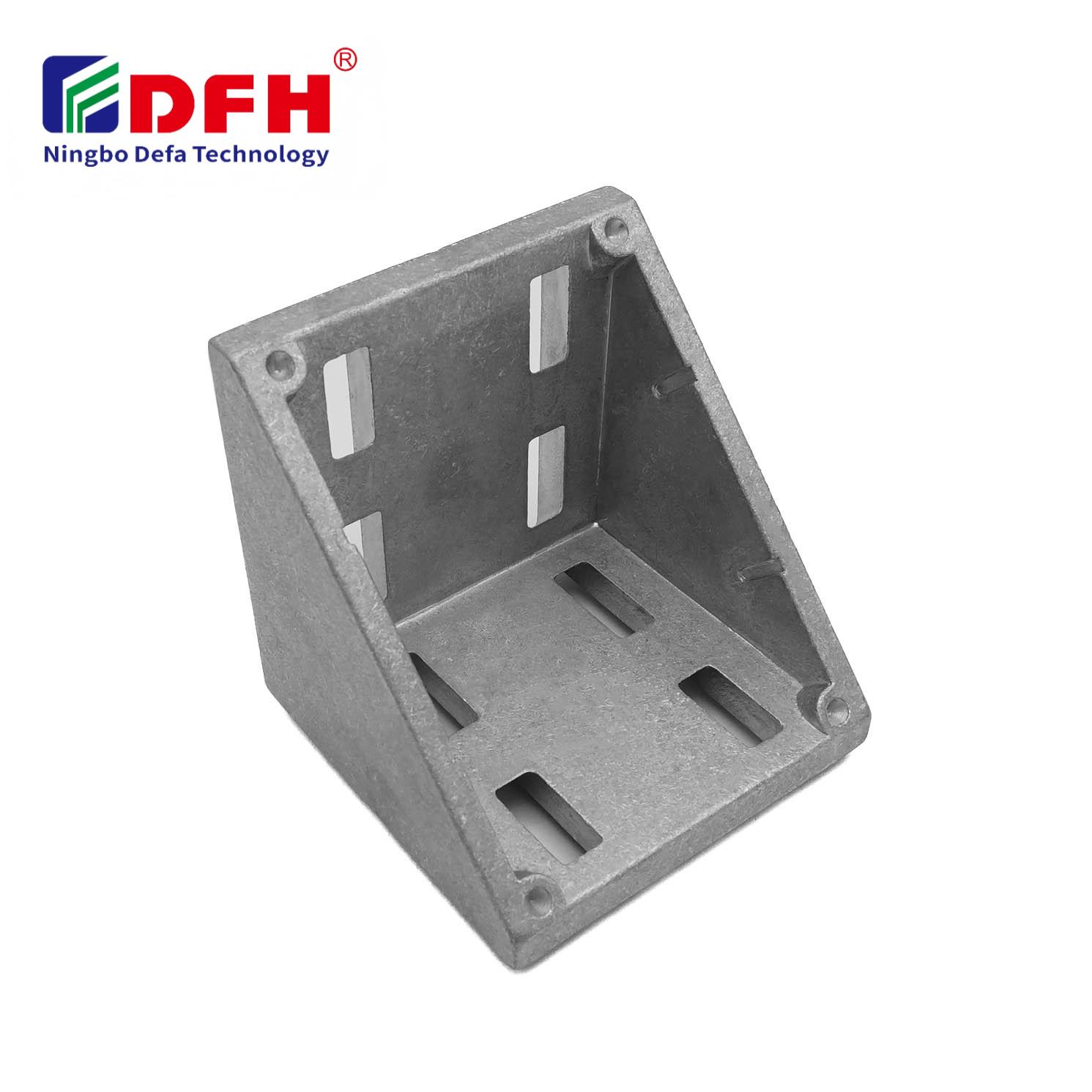
Inner connectors are fundamental components in modular assembly systems, serving as the mechanical bridge between aluminum profiles and structural frames. Understanding the materials used in their construction directly impacts durability, load capacity, corrosion resistance, and overall system performance. The choice of material for inner connectors determines not only how well they function under stress but also their longevity in various industrial environments, making material selection a critical decision for engineers and manufacturers.
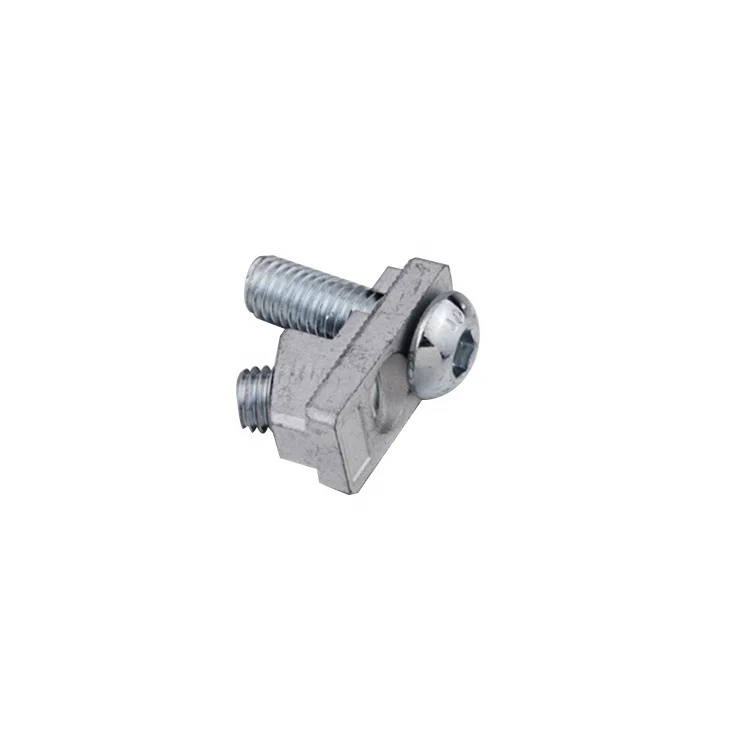
Profile joint systems require internal connection hardware that withstands mechanical stress, temperature fluctuations, and chemical exposure. The materials selected for inner connectors must balance strength with precision manufacturing capabilities. Different industrial applications demand different material compositions, and understanding these distinctions helps professionals specify the right components for their assembly needs.
Carbon steel represents one of the most common materials for inner connectors due to its exceptional strength-to-weight ratio and cost-effectiveness. The material typically contains iron and carbon in specific proportions, sometimes enhanced with additional elements like manganese and silicon. This composition makes carbon steel ideal for high-stress applications where modular assembly components must endure repeated loading cycles without permanent deformation.
Carbon steel inner connectors offer predictable mechanical properties and excellent machinability, allowing manufacturers to produce precise internal connection hardware with tight tolerances. The material's iron-carbon bond creates a crystalline structure that provides rigidity and impact resistance. However, uncoated carbon steel is susceptible to corrosion, which is why protective treatments like zinc plating or powder coating are frequently applied.
Stainless steel inner connectors provide superior corrosion resistance compared to carbon steel, making them ideal for environments with moisture, salt exposure, or aggressive chemicals. Stainless grades like 304 and 316 contain chromium and nickel, which form a passive oxide layer that protects against rust and oxidation. Profile joint systems used in coastal facilities, food processing plants, or pharmaceutical environments frequently specify stainless steel components.
While stainless steel internal connection hardware commands higher material costs, its extended service life and reduced maintenance requirements often justify the investment. The material maintains its mechanical properties across a wider temperature range than carbon steel, and its hygienic properties make it essential for food and medical applications. Modular assembly components manufactured from stainless steel resist discoloration and maintain appearance standards over decades of operation.
Powder metallurgy represents an advanced manufacturing approach for producing inner connectors with engineered material properties. This process involves compacting metal powder under high pressure and then heating the compact to fuse the particles into a solid component. The resulting sintered inner connectors possess density and strength characteristics that rival traditional forged parts while offering superior dimensional accuracy and reduced material waste.
Sintered materials for internal connection hardware can combine multiple metals to achieve specific property combinations impossible with single-element materials. Manufacturers can adjust porosity levels to optimize strength, weight, and damping characteristics for particular profile joint systems. This precision in material engineering enables modular assembly components that perform consistently across thousands of installation cycles without fatigue failure.
Modern industrial applications increasingly employ hybrid materials where steel or aluminum core components are combined with composite overlays or linings. These inner connectors leverage the structural strength of metal with the corrosion resistance and weight advantages of composite materials. This approach is particularly valuable in applications where both mechanical performance and lightweight construction are critical priorities.
Internal connection hardware utilizing composite materials can incorporate fiber-reinforced polymers that reduce vibration transmission and dampen noise in automated assembly environments. Profile joint systems with composite inner connectors demonstrate improved longevity in conditions involving temperature cycling or chemical exposure. Modular assembly components engineered from composite-metal hybrids represent the future of specialized industrial connector technology.
The material composition of inner connectors must align with the maximum loads anticipated during system operation. Steel-based internal connection hardware excels under compression and tensile stress, making it suitable for heavy-duty profile joint systems supporting large machinery or structural frameworks. Engineers calculate safety factors by considering material yield strength, applying them against expected operational loads to ensure modular assembly components resist permanent deformation.
Different material choices produce different stress-strain curves, influencing how inner connectors behave when subjected to impact or shock loading. High-carbon steel provides excellent rigidity but limited ductility, while lower-carbon compositions offer improved shock absorption. This performance distinction becomes critical in applications involving dynamic loads or sudden directional changes within profile joint systems.
Material selection for Inner Connectors must account for the specific environmental conditions where modular assembly components will operate. Interior controlled environments may permit carbon steel with standard coatings, while outdoor or corrosive settings require stainless steel or advanced powder metallurgy materials. Industrial facilities in humid climates must prioritize internal connection hardware with inherent corrosion resistance rather than relying on protective coatings that may degrade over time.
Maintenance accessibility and replacement protocols influence material choices significantly. Profile joint systems installed in difficult-access locations benefit from materials requiring minimal maintenance. Modular assembly components engineered from durable, corrosion-resistant materials reduce downtime and operational disruptions, ultimately lowering total cost of ownership.
Powder metallurgy inner connectors work exceptionally well in standardized, high-volume applications where consistent material properties matter. However, extreme environments involving severe corrosion, intense heat, or unusual loading patterns may require specialized stainless steel or engineered composite solutions. The decision depends on your specific profile joint systems requirements and operational constraints.
Material composition directly determines how long inner connectors resist fatigue, corrosion, and wear. Stainless steel and advanced powder metallurgy materials typically extend service life significantly compared to uncoated carbon steel. For modular assembly components operating in demanding environments, premium materials often provide superior long-term value despite higher initial costs.
Mixing different materials within modular assembly components requires careful consideration of galvanic compatibility and expansion coefficients. Steel and aluminum inner connectors can coexist, but direct contact may cause corrosion in certain conditions. Most profile joint systems maintain consistent material choices throughout to ensure predictable performance and simplified maintenance protocols.
2026/09/30
Source aluminum profiles for versatile modular framing. Learn extrusion mechanics, strength benefits & corrosion resistance. Request details.
2026/09/30
Source aluminum profiles for construction projects. Learn structural framing, cladding & window benefits for maximum ROI. Download guide.
2026/09/30
Source optimal aluminum profile sizing techniques. Evaluate load, space, alloy, environment & cost factors to prevent deflection. Download guide.
2026/09/30
Struggling with fastener failures or rework? Master screw sizing by diameter, pitch, material, and load—plus industry-specific standards. Optimize reliability & compliance now.
2026/09/30
Source aluminum profiles for industrial engineering. Discover strength-to-weight ratios, corrosion resistance & 30% cost savings. Download guide.
2026/09/30
Source heat-resistant aluminum profile systems. Master thermal expansion science & stress management strategies for industrial builds. Download guide.