EN
EN
What is Aluminum Profile and How Does It Work?
2026/09/30
Source aluminum profiles for versatile modular framing. Learn extrusion mechanics, strength benefits & corrosion resistance. Request details.

2026/09/16
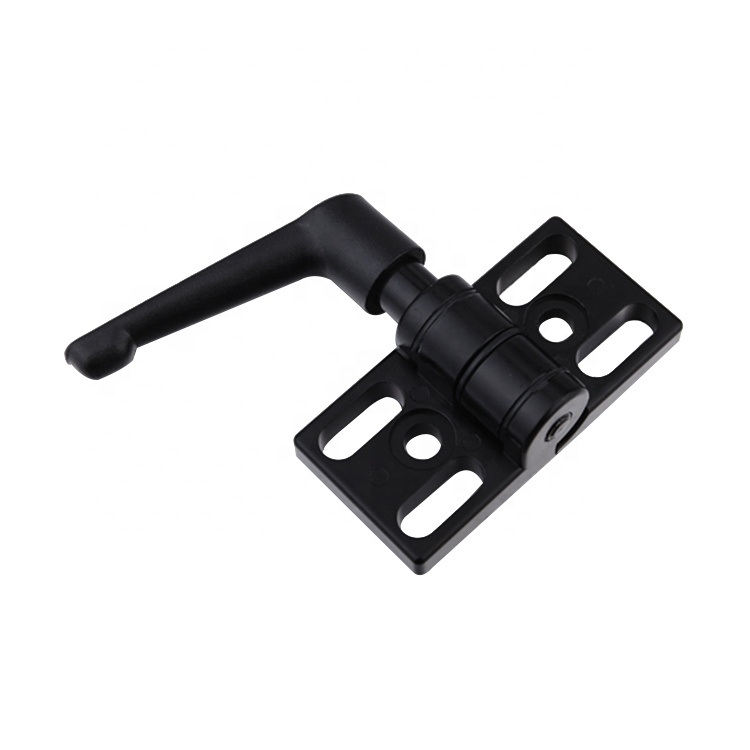
A worn hinge is one of the most overlooked maintenance issues in both residential and commercial settings. Whether on doors, cabinets, or industrial equipment, hinges carry the structural responsibility of supporting weight and enabling smooth operation day after day. Knowing when to replace a worn hinge can prevent accidents, improve functionality, and extend the lifespan of your fixtures. The timing of replacement depends on several factors including visible wear patterns, operational performance, and the specific hinge load capacity your application demands.
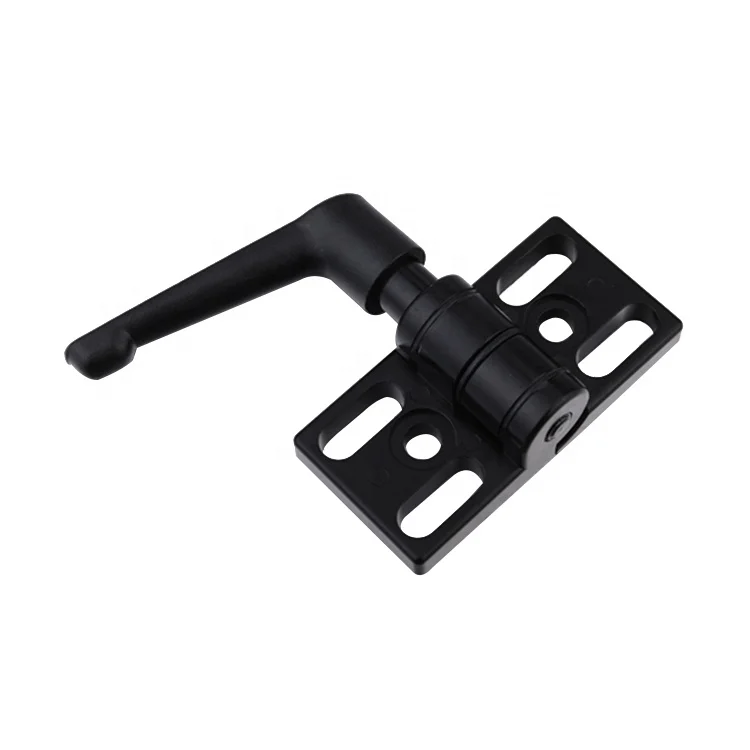
Hinges fail gradually, often without obvious warning until the problem becomes severe. A sagging door, a cabinet that no longer closes smoothly, or visible corrosion are all signals that your hinge may be approaching the end of its serviceable life. Understanding these warning signs helps you make timely replacement decisions before structural issues develop. This guide walks through the key indicators that signal when a hinge replacement is necessary and how to assess whether your current hinge setup matches your actual load and usage requirements.
The most obvious indicator that a hinge requires replacement is visible damage such as rust, discoloration, or surface corrosion. Metal hinges exposed to moisture, temperature fluctuations, or outdoor conditions will develop oxidation that weakens the material structure. Cabinet hinge types made from plain steel without protective coating are particularly vulnerable in humid environments. Rust penetrates the metal grain and compromises both the structural integrity and the smooth movement that hinges need to function properly. If corrosion has created visible pitting or flaking on the hinge surface, replacement should be prioritized immediately.
In addition to rust, look for cracks, bending, or deformation of the hinge plate or knuckle. These physical deformations indicate stress beyond the hinge load capacity or impact damage that permanent damage. Once a hinge is bent or cracked, it cannot be restored to full strength through tightening or lubrication alone. Replacing the damaged hinge restores both safety and aesthetic appearance to your installation.
Hinges can become loose as fasteners work free from vibration, temperature cycling, or improper installation. When bolts or screws connecting the hinge to the frame or door begin to loosen, the hinge loses its ability to support weight evenly. A loose hinge creates gaps between the door and frame, causing misalignment and increased stress on remaining fasteners. Over time, this cascading stress can cause the other fasteners to fail or the mounting surface to strip. Door hinge installation requires careful attention to fastener tightness and periodic inspection to catch loosening before structural damage occurs.
Hinges that no longer operate smoothly are signaling end-of-life conditions. A door that requires extra force to open, a cabinet that binds mid-swing, or a hinge that makes grinding or squeaking sounds indicates internal wear in the pivot points. Lubrication may resolve minor squeaking, but grinding or binding suggests wear to the knuckle or pin that lubrication cannot restore. Cabinet hinge types with ball bearings or sealed mechanisms are more resistant to wear but still degrade under continuous use. Once grinding or resistance to movement begins, replacement timing has arrived.
Sagging is another critical functional indicator. When a door or lid sags noticeably lower on one side, the hinges have lost their ability to support the load properly. Sagging accelerates wear on all remaining hinges and creates misalignment stress throughout the entire assembly. A hinge that cannot maintain level alignment should be replaced before it fails completely.
Understanding your application's actual hinge load capacity requirement is essential for determining replacement timing. A hinge rated for 50 pounds that supports a 100-pound cabinet will fail prematurely. As weight distribution stresses the hinge beyond its design specification, accelerated wear occurs in the pivot mechanism and fastener connection points. Replacing an undersized hinge with one that matches the actual load capacity prevents premature failure and extends the service life of your entire door or cabinet system.
Heavy-use applications such as industrial equipment or commercial kitchen cabinets require regular assessment of hinge load capacity against actual usage patterns. If you have added weight to a door or cabinet since the original installation, the existing hinges may now be operating beyond their design limits. In these cases, replacement with higher-capacity hinges is necessary to maintain safety and performance standards.
Hinges in harsh environments face accelerated degradation compared to indoor, climate-controlled applications. Outdoor hinges exposed to rain, salt spray, UV radiation, and temperature extremes deteriorate much faster than hinges in protected settings. Cabinet hinge types designed for interior use will fail quickly if relocated to outdoor or high-moisture environments. The coating that protects the metal corrodes, and rust begins penetrating the base material within months under severe conditions. When relocating doors or cabinets to different environmental conditions, reassess whether the existing hinges can withstand the new exposure level.
Temperature cycling in unheated spaces or extreme heat environments also stresses hinges. Metal expands and contracts with temperature changes, creating micro-movements that eventually loosen fasteners and wear internal components. If your hinges are operating in environments that experience wide temperature swings, plan for more frequent replacement cycles than you would in stable indoor conditions. Upgrading to stainless steel or coated hinges designed for environmental resistance will reduce replacement frequency in these applications.
High-frequency usage dramatically shortens hinge lifespan compared to occasional-use applications. A cabinet in a busy commercial kitchen opens dozens of times per day, while a residential linen closet might open a few times per week. The cumulative stress of repeated pivoting movement, fastener cycling, and alignment tolerance drift accumulates much faster in high-use scenarios. Door hinge installation in commercial applications should include preventive replacement schedules that anticipate failure before it occurs rather than reacting to breakage.
Routine replacement intervals depend on usage frequency and environmental conditions. Light-use interior hinges in stable climates may last 5-10 years, while heavy-use commercial hinges should be inspected annually and replaced every 2-3 years. Outdoor hinges or those in humid environments should be checked every 6-12 months. Rather than following a fixed timeline, establish an inspection schedule that monitors for the warning signs discussed above. When multiple warning signs appear simultaneously, replacement timing has definitely arrived.
Minor hinge issues such as looseness, squeaking, or slight misalignment can often be corrected through tightening, lubrication, or shimming. However, hinges with visible corrosion, cracks, bent components, or grinding sounds cannot be effectively repaired. Door hinge installation requires structural integrity that damaged components cannot provide. Attempting to repair seriously worn hinges risks failure at critical moments and potential safety hazards. When structural damage exists, replacement is the only reliable solution.
The replacement hinge load capacity should exceed your actual application load by at least 25-50 percent as a safety margin. If a cabinet weighs 80 pounds, select a hinge rated for at least 100-120 pounds total capacity. Cabinet hinge types should be matched not only to current weight but also to anticipated future load additions. For doubt about load calculations, consult with the cabinet or door manufacturer or an installation specialist who can assess your specific application requirements and recommend appropriate hinge specifications.
2026/09/30
Source aluminum profiles for versatile modular framing. Learn extrusion mechanics, strength benefits & corrosion resistance. Request details.
2026/09/30
Source aluminum profiles for construction projects. Learn structural framing, cladding & window benefits for maximum ROI. Download guide.
2026/09/30
Source optimal aluminum profile sizing techniques. Evaluate load, space, alloy, environment & cost factors to prevent deflection. Download guide.
2026/09/30
Struggling with fastener failures or rework? Master screw sizing by diameter, pitch, material, and load—plus industry-specific standards. Optimize reliability & compliance now.
2026/09/30
Source aluminum profiles for industrial engineering. Discover strength-to-weight ratios, corrosion resistance & 30% cost savings. Download guide.
2026/09/30
Source heat-resistant aluminum profile systems. Master thermal expansion science & stress management strategies for industrial builds. Download guide.