EN
EN
What is Aluminum Profile and How Does It Work?
2026/09/30
Source aluminum profiles for versatile modular framing. Learn extrusion mechanics, strength benefits & corrosion resistance. Request details.
2026/09/18
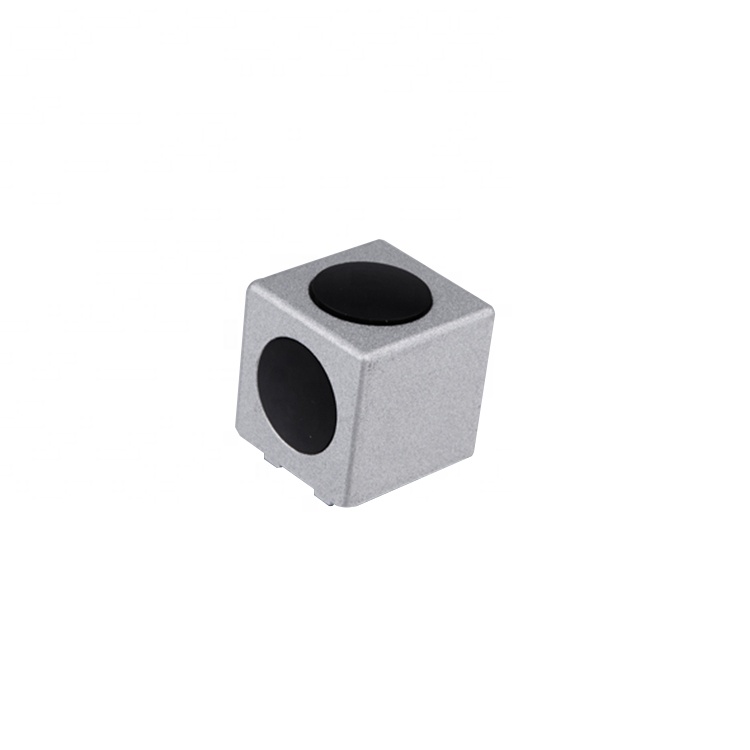
Construction projects rely on precise assembly methods that ensure structural integrity and durability. Inner Connectors have become essential components in modern construction, particularly when working with modular aluminum profiles and structural frameworks. These fastening solutions provide reliable connections that withstand heavy loads, vibration, and environmental stress. Understanding where inner connectors are deployed across construction applications helps builders, engineers, and contractors select the right connection hardware for their specific projects.
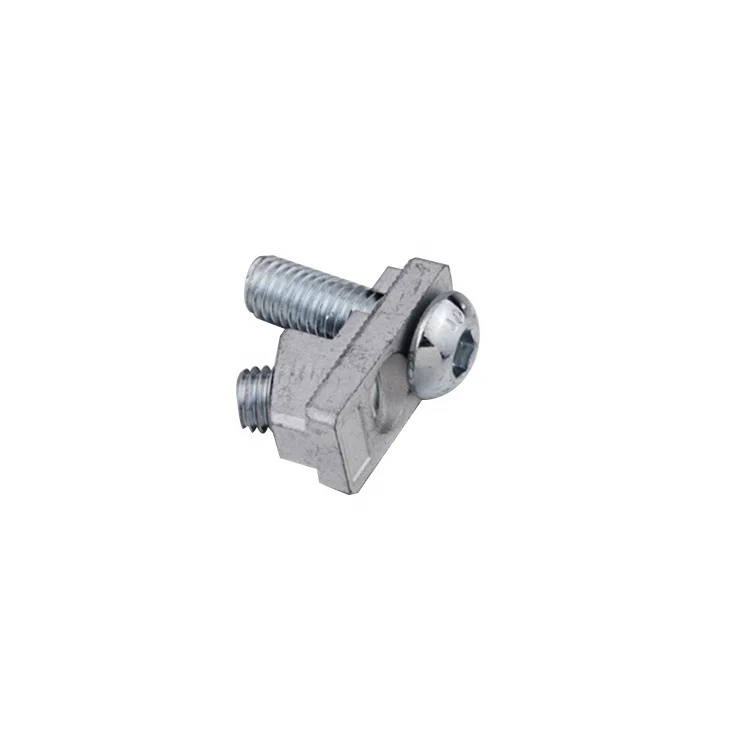
The versatility of internal fasteners and profile connection systems has transformed how construction projects approach modular assembly. From commercial buildings to industrial facilities, slot mounting hardware and connection mechanisms are integrated into framework designs that demand flexibility without compromising strength. This guide explores the practical applications of inner connectors across construction environments and explains why these components have become standard in modern building systems.
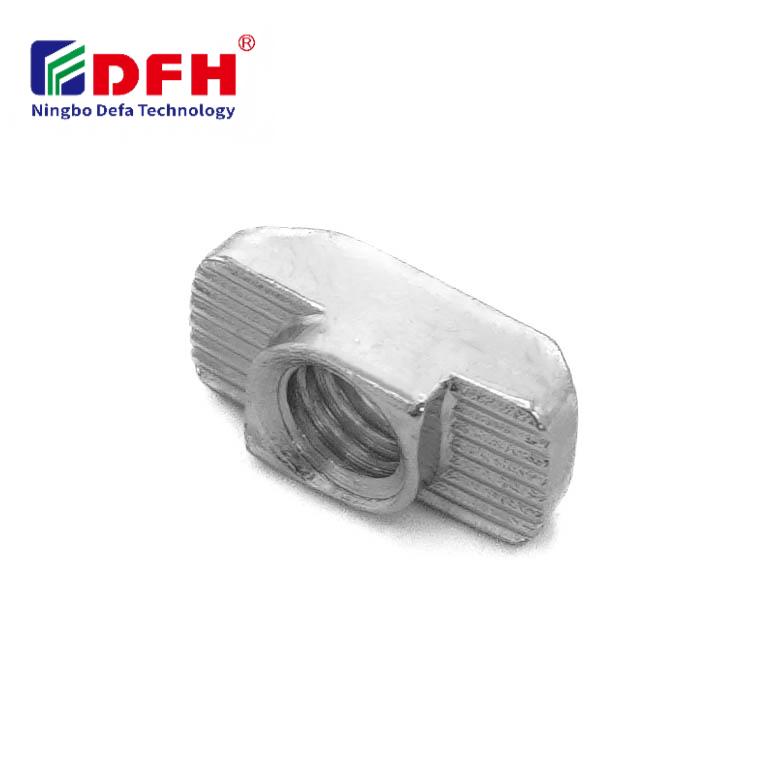
Commercial construction extensively uses inner connectors to assemble aluminum extrusion frameworks that form the structural backbone of building systems. Profile connection systems enable rapid assembly of support beams, partition walls, and overhead structures without requiring permanent welding or bolting that damages materials. Internal fasteners work within the profile slots, keeping the framework clean while distributing loads evenly across connection points. This approach reduces construction time and allows architects to modify designs during installation without compromising structural performance.
Slot mounting hardware plays a critical role in constructing modular partition systems found in offices and commercial spaces. Inner connectors allow partition panels to be attached to aluminum frames at adjustable positions, enabling flexible office layouts that can be reconfigured as business needs evolve. The profile connection systems maintain rigid connections while allowing panels to be repositioned or replaced without dismantling the entire framework. This flexibility makes inner connectors indispensable in commercial environments where adaptability and quick reconfiguration are valued.
Industrial facilities deploy inner connectors extensively for installing protective barriers, safety rails, and machine guards around manufacturing equipment. Internal fasteners enable these safety structures to be installed quickly and adjusted for proper alignment without requiring specialized welding equipment on the factory floor. Slot mounting hardware provides secure attachment points that can withstand vibration from operating machinery and impact from daily facility operations. The ability to tighten connections without external fasteners visible on the frame surface keeps the installation clean and professional.
Manufacturing workstations and assembly lines utilize profile connection systems to create modular frameworks that support work surfaces, tool holders, and equipment mounts. Inner connectors allow manufacturers to design workstations that can be quickly assembled or reconfigured as production requirements change. The internal fasteners eliminate protruding bolts or screws that could catch clothing or create safety hazards in busy manufacturing environments. This configuration makes inner connectors the preferred choice for dynamic industrial settings where safety and reconfigurability are equally important.
Outdoor construction projects frequently employ inner connectors for building support structures that hold signage, display panels, and directional markers. Profile connection systems withstand environmental exposure including wind loads, temperature fluctuations, and moisture without degrading performance. The slot mounting hardware keeps fastening elements protected inside the aluminum profile, preventing rust and corrosion that would compromise connection integrity over time. Maintenance requirements decrease significantly because internal fasteners are shielded from weather elements and direct sunlight.
Bus shelters, parking canopies, and covered walkways rely on inner connectors to assemble aluminum frameworks that provide years of reliable service in outdoor environments. Internal fasteners create joints that can flex slightly under wind pressure without loosening or failing, which is essential for structures exposed to weather stress. The profile connection systems are engineered to handle environmental loading while maintaining aesthetic appeal with minimal visible hardware. Slot mounting hardware enables efficient on-site assembly, reducing labor costs and project timelines for outdoor infrastructure installations.
Inner connectors offer several advantages over traditional bolted connections. They create cleaner aesthetics by hiding fasteners inside profile slots, reduce assembly time through simplified installation, enable flexible reconfiguration without dismantling frameworks, and eliminate protruding hardware that could create safety hazards or catch surfaces. Internal fasteners also maintain structural integrity in high-vibration environments where external bolts might loosen over time, making them ideal for industrial applications where maintenance is challenging.
Yes, inner connectors are highly effective for outdoor construction applications. The slot mounting hardware keeps fastening elements protected inside aluminum profiles, preventing corrosion and rust that would compromise structural integrity. Profile connection systems manufactured from stainless steel or corrosion-resistant materials can withstand years of weather exposure without degrading. The internal positioning of fasteners makes them ideal for outdoor infrastructure including shelters, signage supports, and protective barriers where weather protection is essential for long-term reliability.
Inner connectors provide exceptional flexibility for mid-project design changes. Because internal fasteners secure components through profile slots without permanent attachment, components can be repositioned, removed, or replaced without damaging the underlying framework. This allows contractors to adapt to changing requirements, correct alignment issues, or modify layouts discovered during installation. The ability to make adjustments without specialized equipment or extensive rework makes inner connectors economical for projects where design refinement occurs during active construction phases.
2026/09/30
Source aluminum profiles for versatile modular framing. Learn extrusion mechanics, strength benefits & corrosion resistance. Request details.
2026/09/30
Source aluminum profiles for construction projects. Learn structural framing, cladding & window benefits for maximum ROI. Download guide.
2026/09/30
Source optimal aluminum profile sizing techniques. Evaluate load, space, alloy, environment & cost factors to prevent deflection. Download guide.
2026/09/30
Struggling with fastener failures or rework? Master screw sizing by diameter, pitch, material, and load—plus industry-specific standards. Optimize reliability & compliance now.
2026/09/30
Source aluminum profiles for industrial engineering. Discover strength-to-weight ratios, corrosion resistance & 30% cost savings. Download guide.
2026/09/30
Source heat-resistant aluminum profile systems. Master thermal expansion science & stress management strategies for industrial builds. Download guide.