EN
EN
What is Aluminum Profile and How Does It Work?
2026/09/30
Source aluminum profiles for versatile modular framing. Learn extrusion mechanics, strength benefits & corrosion resistance. Request details.

2026/09/09
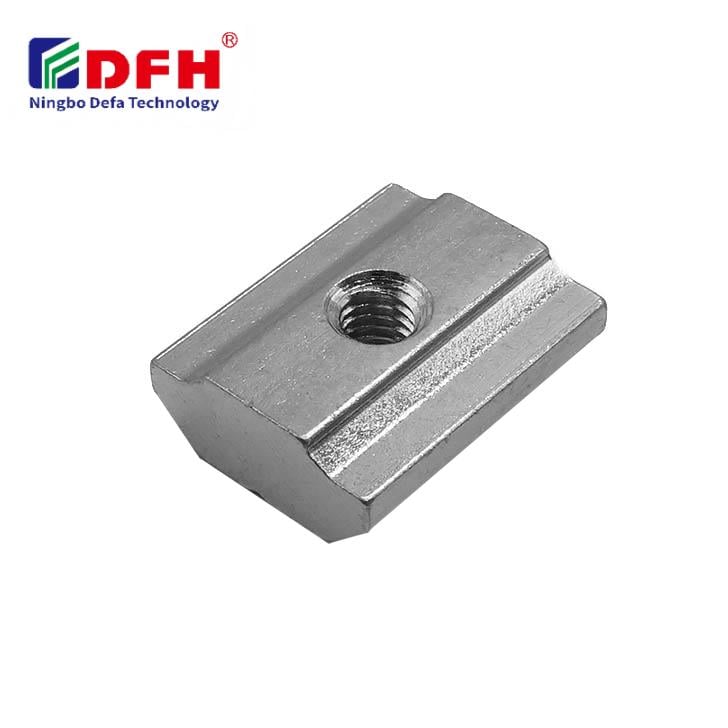
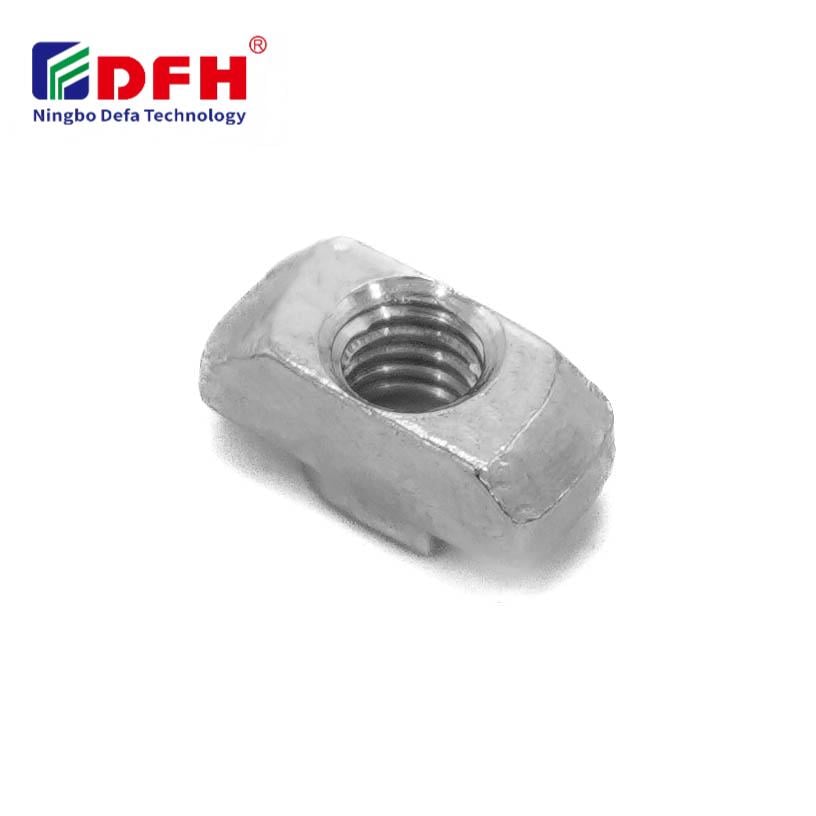
A T Nut is a specialized fastening hardware component designed to secure components into aluminum profiles and modular framing systems. The T-slot nut functions as a threaded insert that engages with the T-shaped channels found in standard aluminum extrusions. This ingenious design allows engineers and fabricators to create flexible, reconfigurable assemblies without welding or drilling permanent holes. The versatility of T nuts across different slot profiles makes them indispensable in industrial automation, workstation design, and custom machinery applications.
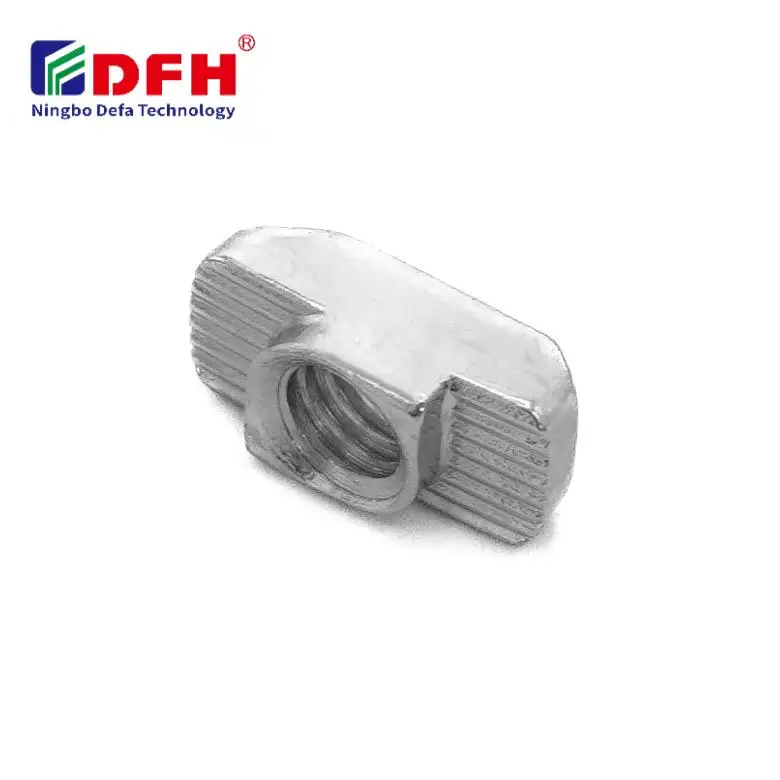
Understanding how T-slot nuts interact with various slot profiles is critical for ensuring proper load distribution, repeatability, and system reliability. Different aluminum profile manufacturers and standards specify distinct T-slot dimensions, and selecting the correct T-slot nut type directly impacts assembly speed, component alignment, and structural integrity. This guide explores the mechanical principles behind T nut operation, compatibility considerations across slot profiles, and practical selection criteria for fastening hardware applications.
T-slot profiles vary significantly across manufacturers and regional standards. The most common dimensions include 4040, 4545, 2020, and 3030 designation schemes, where numbers indicate the profile width and height in millimeters. Each profile type features a unique T-shaped channel with specific depth and width characteristics. A T nut must fit precisely into these channels to function as an effective threaded insert. Mismatched dimensions result in loose connections, excessive play, or complete fastening failure. Aluminum profile slot widths typically range from 5 to 10 millimeters, and the depth of the T-channel directly determines which T-slot nut designs will perform effectively.
The aluminum alloy composition and surface treatment of profiles influence T nut engagement and longevity. Anodized, powder-coated, or bare aluminum surfaces affect friction and wear characteristics during nut insertion and tightening. Premium aluminum extrusions maintain tighter tolerances, allowing T-slot nuts to seat more securely with minimal wobbling. Industrial-grade fastening hardware performs better in vibration-prone environments when paired with quality profiles. Understanding the relationship between profile surface finish and T nut compatibility helps engineers specify appropriate fastening solutions for demanding applications.
When a T nut slides into a T-slot channel, the wings or shoulders of the nut must engage the sides of the T-shaped cavity. This engagement creates a mechanical lock that prevents the T-slot nut from rotating during bolt tightening. As torque is applied, the threaded insert converts rotational force into axial clamping pressure. Load distribution depends on consistent contact between the nut wings and the slot walls. Uneven engagement results in stress concentration, potential nut slippage, and premature failure. Different slot profiles demand different wing geometries and clearances to achieve optimal load distribution across the fastening hardware assembly.
The mechanical resistance to rotation is what distinguishes a quality T nut from inadequate fastening hardware. Hammer-head designs and pronged variants increase contact surface area, creating stronger rotational friction. When the T-slot nut wings fit snugly into the slot profile, they remain stationary while the bolt tightens. Profile depth and width directly influence this resistance. Shallow slots provide less friction and may allow the threaded insert to spin during assembly. Deep T-channels with tight tolerances ensure the T nut stays fixed, enabling reliable tightening and repeatability. This mechanical principle is essential for applications requiring frequent assembly and disassembly.
Successful T-slot nut application begins with precise dimensional matching. A T nut designed for a 4040 profile will not fit properly into a 2020 slot; attempting forced installation damages both the nut and profile. Manufacturers specify compatibility through part numbers and dimension charts. Engineers must cross-reference profile slot dimensions, nut wing geometry, and screw thread sizes before ordering fastening hardware. Common thread sizes for T nuts include M4, M5, M6, and M8, each suited to different load ratings and profile sizes. Material selection—zinc-plated steel, stainless steel, or aluminum—also affects compatibility and performance in specific industrial environments.
Each T-slot nut design carries a maximum working load capacity determined by material strength, threaded insert diameter, and profile engagement quality. Light-duty automation fixtures use smaller M4 and M5 T nuts, while heavy machinery and structural frameworks require M8 or larger threaded inserts. Fastening hardware selection must account for both static load and dynamic or vibration-induced stresses. Over-specifying provides safety margin but increases cost and assembly time. Under-specifying risks equipment failure and safety hazards. Profile type, material, and application environment collectively inform the correct load-rated T nut choice. Consultation with design guidelines ensures optimal fastening hardware performance and system reliability.
No, T-slot nuts are profile-specific. A T nut designed for one slot dimension will not function properly in a different profile. However, some universal or adjustable fastening hardware designs claim broad compatibility, though performance often suffers. For critical applications, always verify the T nut part number matches your aluminum profile specification exactly to ensure the threaded insert seats correctly and provides reliable load distribution.
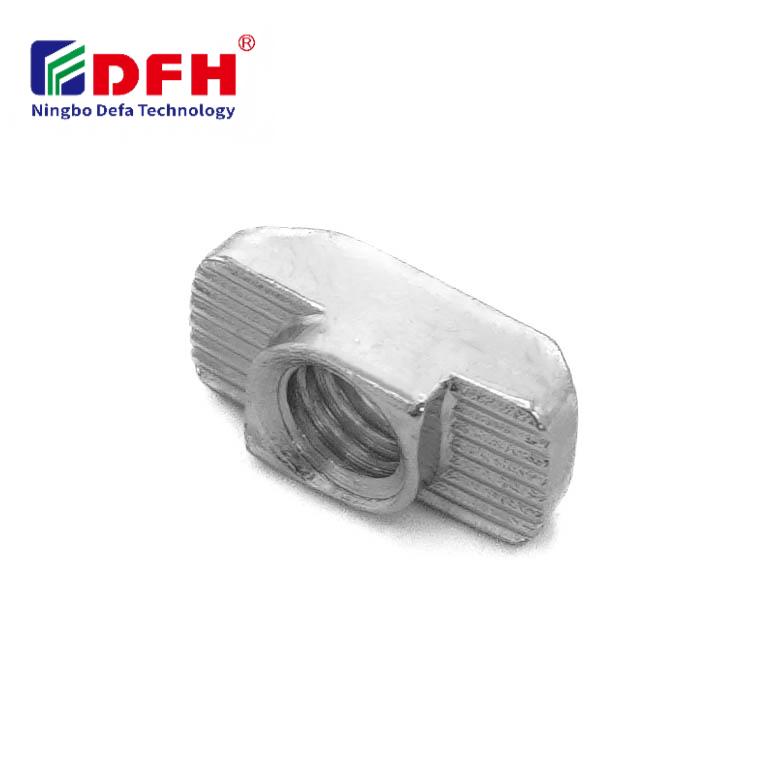
Hammer-head designs feature a rounded head that prevents the T nut from rotating once inserted into the slot, providing excellent rotational resistance. Pronged or standard T-slot nut variants use multiple sharp edges or wings to engage the slot profile. Hammer-head fastening hardware typically offers superior retention and is preferred in high-vibration industrial environments. Pronged threaded inserts are more economical and work well in stable, low-vibration applications. Both types are classified as T nuts, but performance characteristics differ significantly.
Proper alignment begins with inserting the T nut squarely into the channel before tightening. The slot profile must be clean and free of debris. Slide the T-slot nut along the channel to the desired position, ensuring the wings remain fully engaged with the slot walls. Apply torque gradually and evenly to the bolt to draw the clamping force. Misalignment causes binding, cross-threading, and damage to both fastening hardware and the threaded insert cavity. Take time during assembly to verify the T nut sits flush and centered within the profile.
2026/09/30
Source aluminum profiles for versatile modular framing. Learn extrusion mechanics, strength benefits & corrosion resistance. Request details.
2026/09/30
Source aluminum profiles for construction projects. Learn structural framing, cladding & window benefits for maximum ROI. Download guide.
2026/09/30
Source optimal aluminum profile sizing techniques. Evaluate load, space, alloy, environment & cost factors to prevent deflection. Download guide.
2026/09/30
Struggling with fastener failures or rework? Master screw sizing by diameter, pitch, material, and load—plus industry-specific standards. Optimize reliability & compliance now.
2026/09/30
Source aluminum profiles for industrial engineering. Discover strength-to-weight ratios, corrosion resistance & 30% cost savings. Download guide.
2026/09/30
Source heat-resistant aluminum profile systems. Master thermal expansion science & stress management strategies for industrial builds. Download guide.