Aluminum Profile: Lightweight Structural Solutions

application/aluminum-profile, application/aluminum-profile, 
Inquiry
Inquiry

aluminum profile

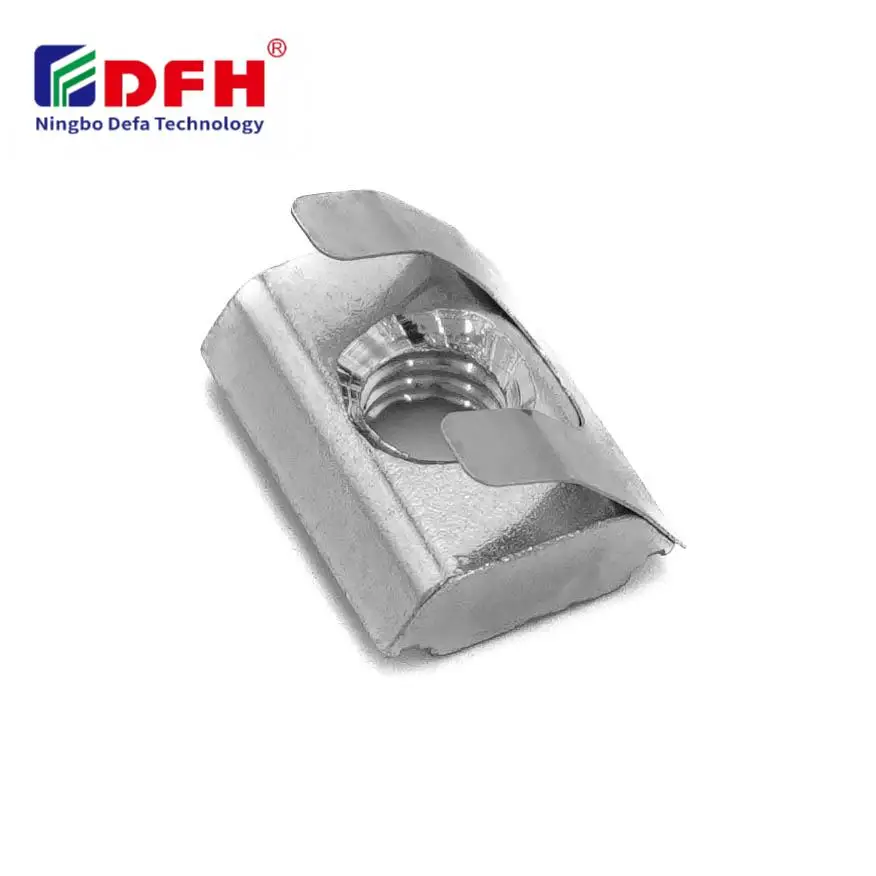
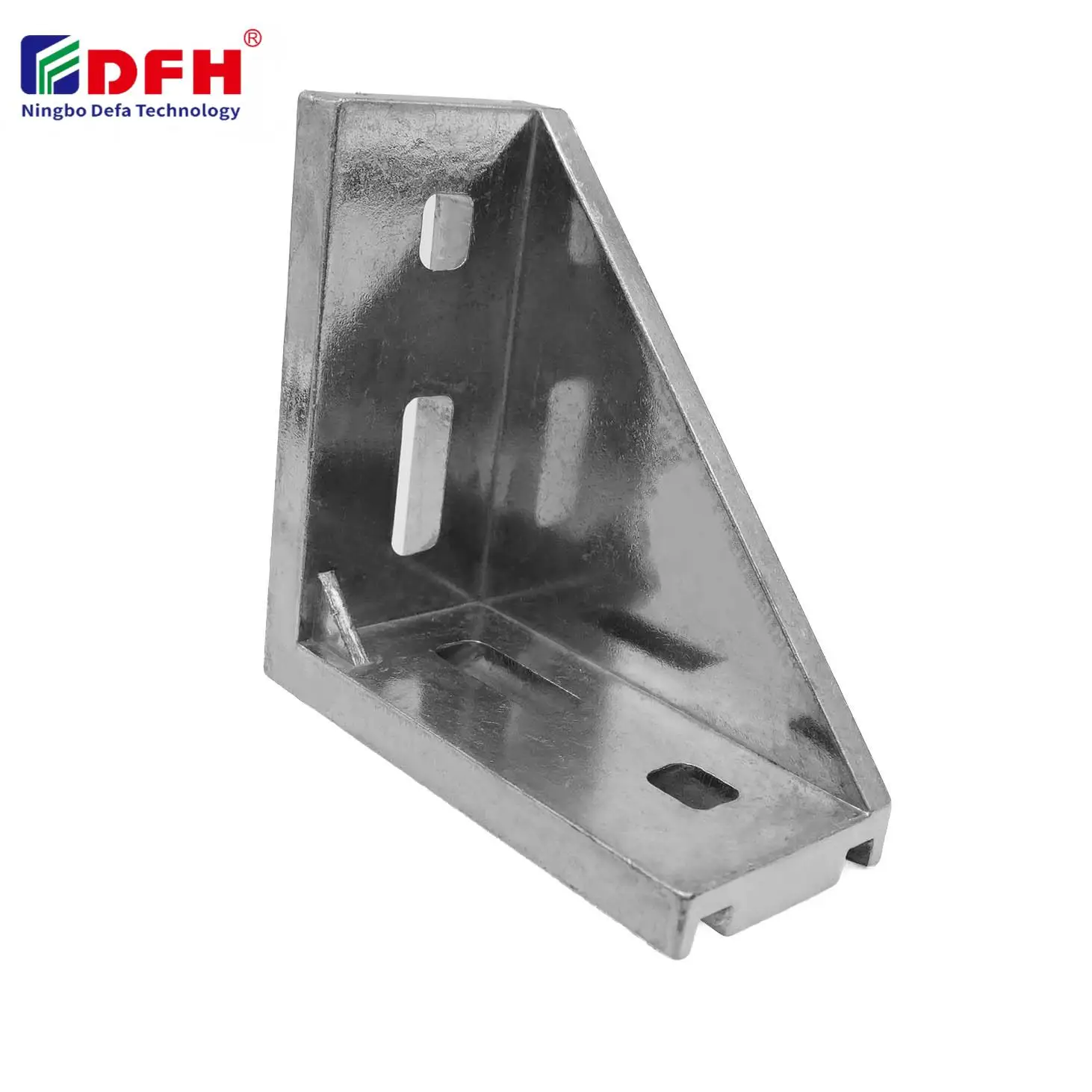
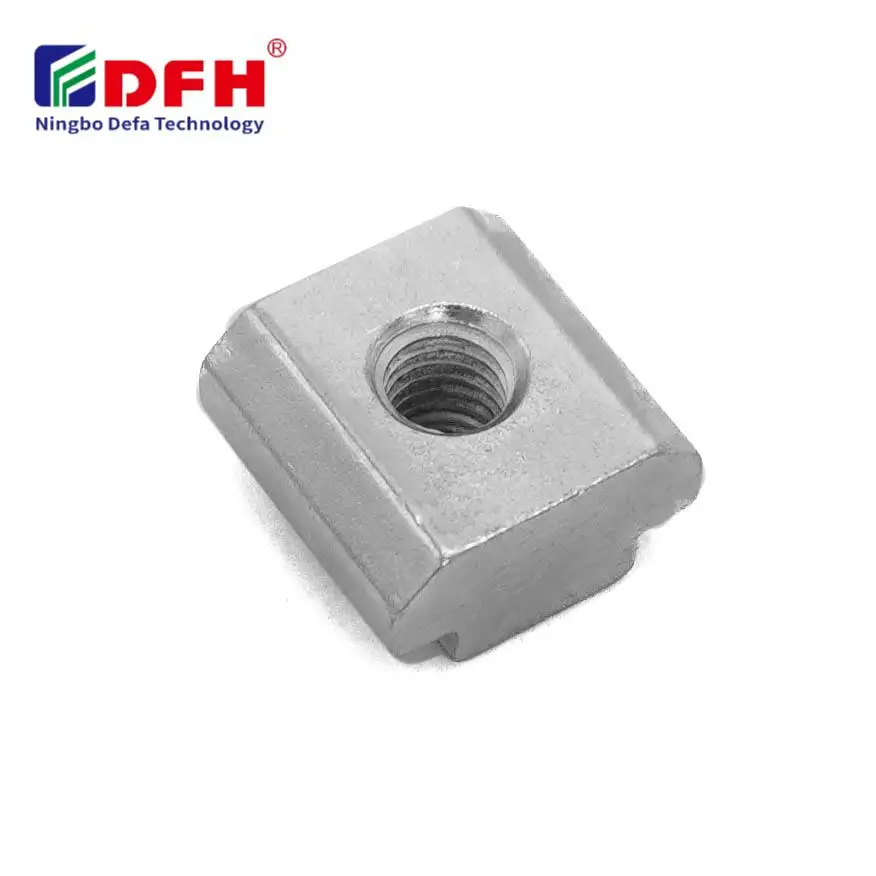
An aluminum profile represents a specialized structural component manufactured through extrusion processes, designed to serve as a foundational building block across numerous industries. This aluminum profile combines lightweight properties with exceptional strength, making it an ideal choice for constructing frameworks, enclosures, and support systems. The aluminum profile features a hollow or semi-solid cross-section that optimizes material usage while maintaining structural integrity. Technologically, the aluminum profile undergoes precision extrusion, allowing manufacturers to create complex geometries tailored to specific application requirements. The aluminum profile incorporates anodized or powder-coated finishes that enhance corrosion resistance and aesthetic appeal. Modern aluminum profile designs incorporate modular connection systems, enabling rapid assembly and reconfiguration without specialized tools. The aluminum profile serves diverse applications including industrial automation equipment, construction frameworks, transportation components, and architectural installations. Its versatility stems from the ability to customize dimensions, wall thickness, and surface treatments. The aluminum profile delivers superior performance in temperature-resistant applications, maintaining structural stability across varying environmental conditions. Industries increasingly adopt aluminum profile solutions for their reliability, cost-effectiveness, and sustainability benefits. The aluminum profile manufacturing process adheres to international standards, ensuring consistent quality and dimensional accuracy. This aluminum profile type continues evolving with advanced coating technologies and reinforced alloy compositions. Whether for commercial, industrial, or residential purposes, the aluminum profile provides dependable structural support and design flexibility that traditional materials cannot match.
Aluminum profile solutions deliver substantial practical benefits that directly address customer needs and operational requirements. The primary advantage of choosing an aluminum profile is its remarkable lightweight nature, reducing installation burden and transportation expenses while maintaining robust structural capacity. Users experience significant cost savings when implementing an aluminum profile system, as these components require minimal maintenance compared to steel or iron alternatives. The aluminum profile offers exceptional versatility, accommodating custom modifications and extensions to match evolving business demands without complete system replacement. Operational benefits include straightforward assembly procedures; the aluminum profile connects using standardized hardware, eliminating complex welding or specialized installation expertise. The aluminum profile resists corrosion naturally, protecting your investment in challenging environments without requiring expensive protective coatings or regular maintenance routines. Decision-useful context shows that an aluminum profile adapts seamlessly to industrial automation, architectural frameworks, and equipment housing applications. The aluminum profile provides superior thermal and electrical conductivity properties, making it suitable for applications requiring heat dissipation or electromagnetic shielding. Environmental consciousness drives many purchasing decisions, and the aluminum profile excels here—its recyclability and energy-efficient production processes reduce your organizational carbon footprint. The aluminum profile delivers consistent performance across temperature fluctuations, preventing material degradation that compromises structural reliability. Installation flexibility represents another key advantage; the aluminum profile's modular design enables rapid deployment and reconfiguration without production downtime. Long-term financial planning benefits significantly from aluminum profile investment, as durability ensures extended service life and minimal replacement frequency. This aluminum profile approach ultimately transforms operational expenses, reduces downtime, and enhances system reliability across diverse industrial sectors.

Latest News

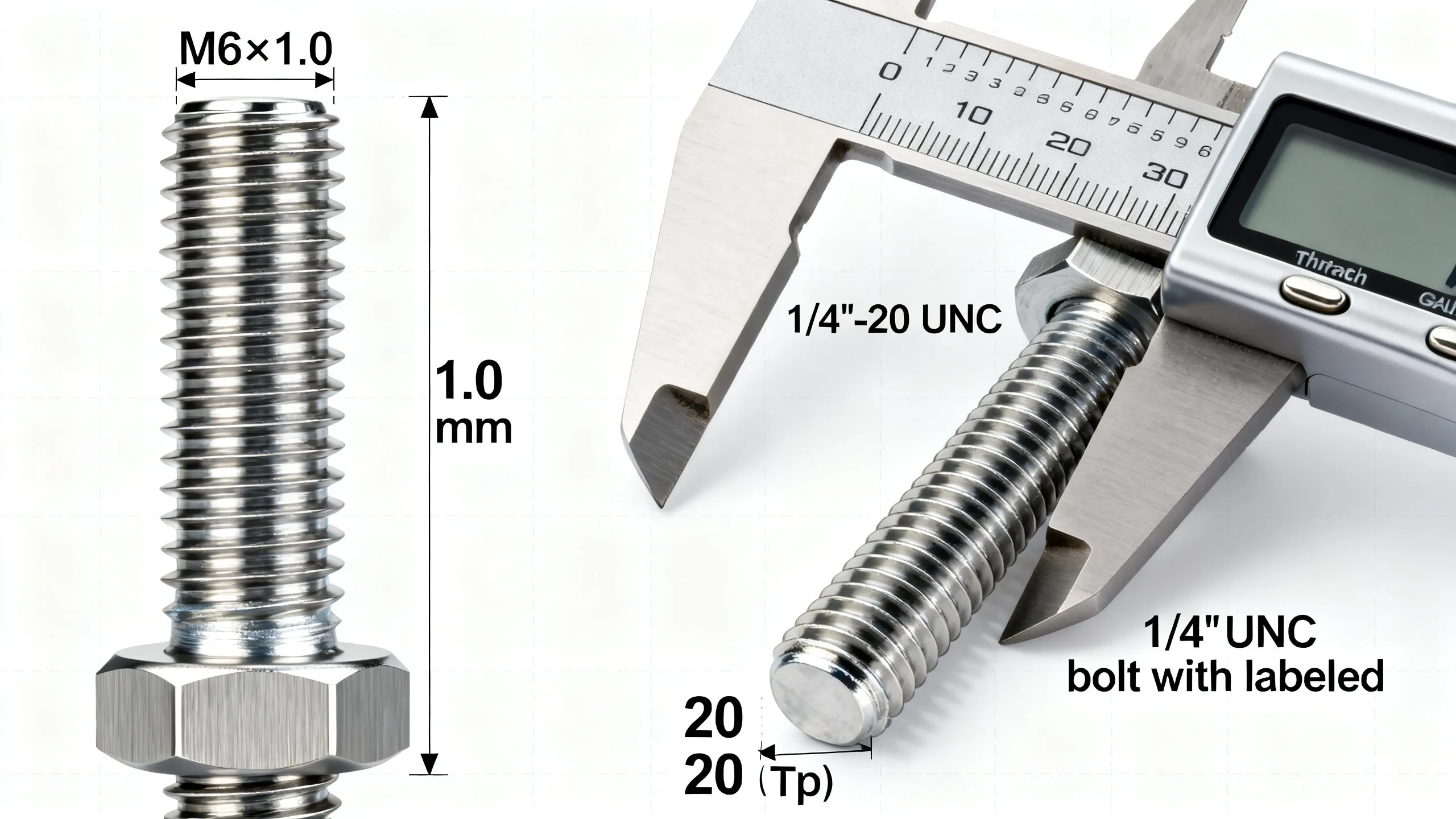
What Is Thread Pitch? A Beginner’s Guide to Fastener Thread Standards

21

Aug

What Is Thread Pitch? A Beginner’s Guide to Fastener Thread Standards

Explains thread pitch fundamentals, measurement methods, and ISO/UNC/UNF standard differences for global buyers.
View More
How Do Pipe Rack Systems Streamline Installation?

20

Sep

How Do Pipe Rack Systems Streamline Installation?

Streamline industrial piping installation via prefabrication & standardization. Cut labor costs across petrochemical, oil, gas & power plants. Get guide.
View More
How Long Do Aluminum Profiles Typically Last?

20

Sep

How Long Do Aluminum Profiles Typically Last?

How long do aluminum profiles really last? Discover how alloy grade, coatings, environment & maintenance impact 30–50-year durability. Get expert guidance now.
View More
What Materials Are Used in Pipe Rack Systems?

20

Sep

What Materials Are Used in Pipe Rack Systems?

Discover why carbon steel, stainless steel, elastomers & protective coatings drive pipe rack durability, safety & ROI. Get expert guide.
View More

Get a Free Quote

Our representative will contact you soon.
0/1000
Superior Strength-to-Weight Ratio

Superior Strength-to-Weight Ratio

The aluminum profile achieves an exceptional strength-to-weight ratio that distinguishes it from conventional materials, providing engineers and designers with unprecedented structural possibilities. This particular advantage means your aluminum profile installation supports substantial loads while remaining significantly lighter than steel equivalents, reducing foundation requirements and installation complexity. The aluminum profile's dimensional stability ensures consistent performance under stress conditions, preventing deformation that compromises system integrity. Industries leveraging this aluminum profile benefit realize immediate advantages in transportation efficiency and installation speed. The aluminum profile composition combines high-strength aluminum alloys with optimized cross-sectional geometry, creating components that maximize load capacity while minimizing material volume. Applications ranging from aerospace components to manufacturing equipment depend critically on this aluminum profile characteristic. The structural reliability of an aluminum profile remains constant throughout its operational lifespan, eliminating unexpected failures that disrupt production schedules. Your team experiences reduced labor requirements when deploying an aluminum profile system, as lighter components require fewer personnel and less sophisticated handling equipment. This aluminum profile advantage translates directly into accelerated project timelines and reduced labor costs.
Corrosion Resistance and Durability

Corrosion Resistance and Durability

An aluminum profile naturally exhibits superior corrosion resistance properties, making it ideal for harsh environmental applications where material longevity determines overall system success. The aluminum profile develops a protective oxide layer that shields underlying material from moisture, salt spray, and chemical exposure, ensuring extended operational life without protective coatings. This aluminum profile characteristic becomes invaluable in coastal installations, chemical processing facilities, and outdoor architectural applications. The aluminum profile maintains structural integrity across decades, delivering exceptional return on investment and eliminating premature replacement costs. Environmental exposure testing confirms that your aluminum profile installation resists degradation mechanisms that quickly compromise steel or iron components. The durability advantage of an aluminum profile means predictable maintenance schedules and reduced emergency repair expenses. Industries including marine equipment manufacturing, food processing, and pharmaceutical production increasingly specify aluminum profile components for their proven corrosion resistance. The aluminum profile's performance consistency eliminates surprise failures and associated production interruptions. Regular maintenance of an aluminum profile system requires minimal intervention, reducing operational overhead and extending service intervals. This aluminum profile advantage ensures your infrastructure investments provide reliable performance regardless of challenging environmental conditions.
Customization and Modular Design Flexibility

Customization and Modular Design Flexibility

The aluminum profile emerges as the preferred choice for applications requiring customizable solutions and modular system architectures that adapt to changing specifications. Modern aluminum profile manufacturing enables complex cross-sectional designs, allowing engineers to create specialized components matching precise dimensional requirements. Your aluminum profile system expands easily; standard connection interfaces accommodate future additions without redesigning core infrastructure. The aluminum profile's modular approach means rapid reconfiguration when production requirements shift or application demands evolve. Manufacturers appreciate how an aluminum profile simplifies assembly, as standardized grooves and connection points eliminate custom fabrication needs. The aluminum profile supports various mounting options, accessory attachments, and functional enhancements without compromising structural performance. Industries utilizing aluminum profile systems experience faster time-to-market for new products, as designers leverage existing component libraries and proven assembly methodologies. The aluminum profile's design flexibility encourages innovation, enabling creative solutions that wouldn't be feasible with rigid conventional materials. Scalability represents a critical advantage; your aluminum profile investment grows with your business without expensive system replacement. The aluminum profile ecosystem includes extensive accessory catalogs, fastening solutions, and specialized components that integrate seamlessly into existing installations.