EN
EN
What is Aluminum Profile and How Does It Work?
2026/09/30
Source aluminum profiles for versatile modular framing. Learn extrusion mechanics, strength benefits & corrosion resistance. Request details.

2026/09/21
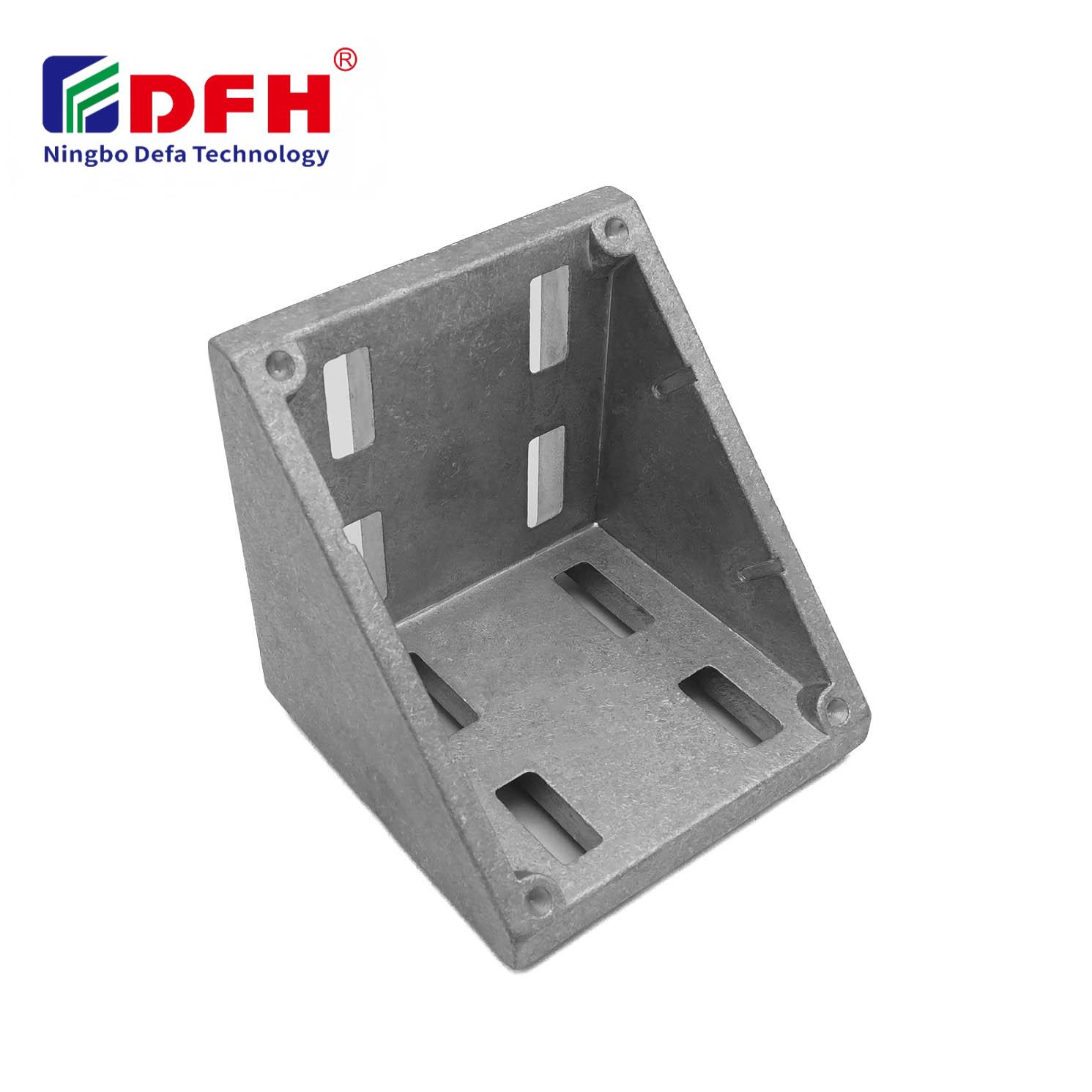
End connectors are critical components in mechanical assemblies that must withstand dynamic stress and vibration exposure. Many industrial applications demand components capable of maintaining structural integrity while experiencing continuous oscillation, shock loads, and variable environmental conditions. Understanding whether end connectors can reliably function in vibration applications is essential for engineers and manufacturers designing robust systems that require long-term durability and minimal maintenance.
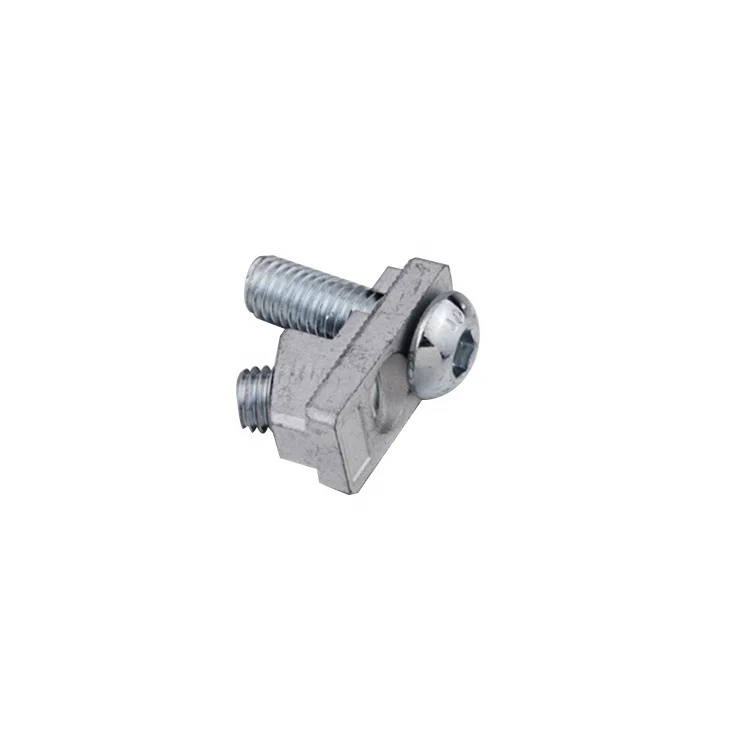
The answer is yes—end connectors can work effectively in vibration applications when properly designed, selected, and installed. However, success depends on several critical factors including material composition, design geometry, connector installation methods, and the fastening systems that secure them. This guide explores how end connectors perform under vibration, what design considerations matter most, and how to optimize connector installation for maximum reliability in dynamic environments.
Vibration creates cyclical loading patterns that test connector durability in ways static applications never do. Repeated stress cycles cause micro-movements at connection points, leading to potential fretting, wear, and eventual failure if components aren't properly engineered. End connectors experience lateral forces, torsional stress, and compressive loads simultaneously, requiring materials and geometries that absorb and distribute these forces evenly. The frequency and amplitude of vibration directly influence which connector installation approaches will succeed long-term.
Temperature fluctuations accompanying vibration further stress connection integrity. Thermal cycling causes material expansion and contraction, which loosens fasteners and opens micro-gaps between mating surfaces. End connectors must accommodate these dimensional changes without sacrificing load-bearing capacity. Engineers working with vibration-prone assemblies prioritize connector designs that maintain consistent contact pressure and electrical continuity despite thermal and mechanical cycling.
The material composition of end connectors directly determines vibration performance. Steel and aluminum alloys offer excellent strength-to-weight ratios and fatigue resistance when properly heat-treated and surface-finished. Powder metallurgy connectors provide superior density and eliminate voids that stress concentrations exploit. Material selection also influences connector installation procedures—softer materials may require different torque specifications and handling protocols than harder alternatives.
Surface treatments play an equally important role in vibration applications. Nickel plating, zinc coating, and oxide finishes enhance corrosion resistance and reduce fretting wear at connection interfaces. These treatments create protective barriers that prevent galling and micro-welding between connector surfaces during vibration events. When specifying fastening systems for vibration environments, material compatibility between the connector and fastener ensures consistent performance throughout the assembly lifecycle.
Connector installation quality directly impacts vibration performance. Under-tightened fasteners allow movement at connection points, accelerating wear and eventual failure. Over-tightened fasteners risk material deformation, cross-threading, and reduced fatigue life. Achieving the correct preload requires calibrated torque tools, detailed installation procedures, and worker training. Many vibration-related connector failures trace back to inconsistent connector installation methods rather than design defects.
Modern connector installation protocols include specific torque sequences, marked verification points, and lock-washer or thread-locking compound specifications. These controls prevent self-loosening—the most common failure mode in vibration applications. Secondary lock features integrated into the connector design, such as serrations or integral locking elements, provide additional assurance that fastening systems maintain preload despite repeated vibration cycles. Documentation of connector installation parameters creates traceability and enables rapid troubleshooting if field failures occur.
End connectors function optimally when integrated into broader structural assembly strategies that consider load paths, stress concentration zones, and vibration transmission routes. Rigid mounting platforms minimize connector deflection and reduce dynamic stress magnitudes. Damping materials or isolation mounts positioned strategically throughout the structural assembly reduce vibration amplitude before it reaches connector interfaces. The effectiveness of fastening systems depends partly on how well the overall structural assembly distributes loads and dissipates energy.
Connector placement within the structural assembly influences performance significantly. End connectors positioned at structural nodes experience lower stress than those placed in cantilever or high-moment regions. Engineers designing vibration-resistant assemblies often relocate connections toward structural cores or add reinforcing gussets that increase stiffness around connector zones. These structural assembly decisions frequently provide greater vibration improvement than changing connector materials or fastening systems alone.
Validating end connector performance in vibration requires standardized testing protocols. Accelerated vibration testing simulates thousands of operating hours within days or weeks, allowing rapid identification of failure modes and design weaknesses. Swept-frequency testing covers the resonant frequencies most likely to cause connector failure, while random-vibration testing evaluates performance against real-world, broadband vibration spectra. Load-life curves generated from these tests reveal the relationship between vibration amplitude, frequency, and connector service life.
Post-test examination reveals failure mechanisms that inform design improvements and connector installation refinements. Metallographic analysis identifies fatigue crack origins, material defects, and stress concentration effects. Surface wear patterns indicate fretting severity and guide fastening systems optimization. Documentation of test results provides engineers with quantitative data supporting connector selection decisions for specific vibration duty levels.
Long-term reliability in vibration applications demands periodic inspection and maintenance protocols. Regular torque verification ensures fastening systems remain tight despite ongoing vibration exposure. Thermal imaging identifies hot spots indicating connector stress concentration or impending failure. Vibration analysis measures acceleration amplitudes at connection points, revealing changes that signal connector degradation. Proactive monitoring and preventive connector installation maintenance extend service life and prevent unexpected downtime.
Replacement schedules based on accumulated vibration cycles or operating hours provide additional reliability assurance. Even high-quality end connectors eventually fatigue and require replacement. Establishing conservative service intervals prevents field failures while managing maintenance costs. Documentation of replacement history supports predictive maintenance algorithms that optimize timing and reduce total ownership costs across the installed base.
Fatigue strength and ductility are the most critical material properties for vibration duty. Materials must withstand millions of stress cycles without crack initiation while maintaining sufficient ductility to prevent brittle fracture. Yield strength and tensile strength establish safe stress limits, while surface finish and hardness influence fretting resistance and wear characteristics. Steel and aluminum alloys with appropriate heat treatment provide optimal combinations of strength, fatigue resistance, and cost-effectiveness.
Connector installation quality often determines success or failure more than material selection because inconsistent preload remains the leading cause of vibration-related connector failures. Proper fastening systems and installation discipline maintain constant contact pressure between mating surfaces, preventing micro-motion that accelerates wear. Even premium end connectors fail prematurely if installed incorrectly, while properly installed standard-grade connectors often exceed performance expectations. This is why connector installation procedures are documented in detailed work instructions and verified through quality checkpoints.
Yes, every connector design has vibration amplitude and frequency limits beyond which reliable performance becomes impossible. Extreme vibration environments—such as those in aerospace or heavy machinery under maximum load—may require specialized fastening systems, exotic materials, or alternative connection methods like welding or bonded assemblies. These limits are determined through qualification testing and documented in connector specifications. Engineers must verify that actual vibration duty falls within connector design limits before finalizing structural assembly designs.
2026/09/30
Source aluminum profiles for versatile modular framing. Learn extrusion mechanics, strength benefits & corrosion resistance. Request details.
2026/09/30
Source aluminum profiles for construction projects. Learn structural framing, cladding & window benefits for maximum ROI. Download guide.
2026/09/30
Source optimal aluminum profile sizing techniques. Evaluate load, space, alloy, environment & cost factors to prevent deflection. Download guide.
2026/09/30
Struggling with fastener failures or rework? Master screw sizing by diameter, pitch, material, and load—plus industry-specific standards. Optimize reliability & compliance now.
2026/09/30
Source aluminum profiles for industrial engineering. Discover strength-to-weight ratios, corrosion resistance & 30% cost savings. Download guide.
2026/09/30
Source heat-resistant aluminum profile systems. Master thermal expansion science & stress management strategies for industrial builds. Download guide.