EN
EN
What is Aluminum Profile and How Does It Work?
2026/09/30
Source aluminum profiles for versatile modular framing. Learn extrusion mechanics, strength benefits & corrosion resistance. Request details.

2026/09/10
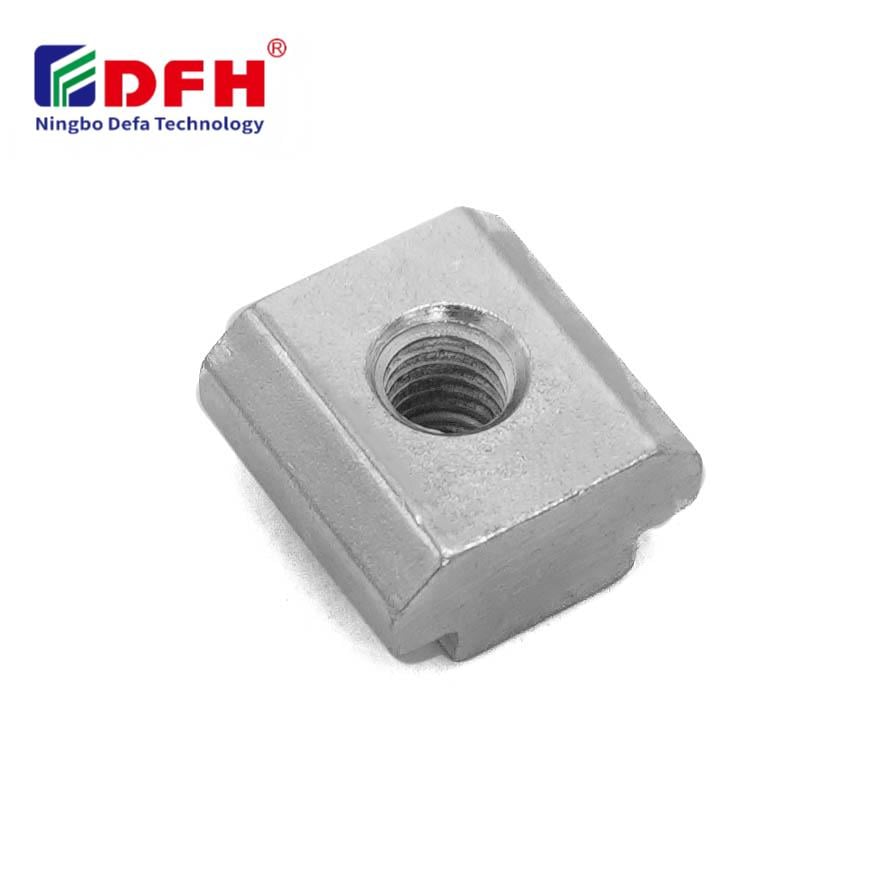
A T Nut is a critical fastening hardware component found in aluminum profile systems, CNC machinery, assembly tables, and modular workstations. These threaded insert components slide into T-slot channels and lock bolts in place, enabling quick reconfiguration without drilling new holes. Proper maintenance of T nuts directly impacts equipment reliability, operational safety, and the longevity of your industrial infrastructure. Without consistent care, T nuts can corrode, seize, accumulate debris, or lose their holding strength, leading to costly downtime and potential safety hazards.
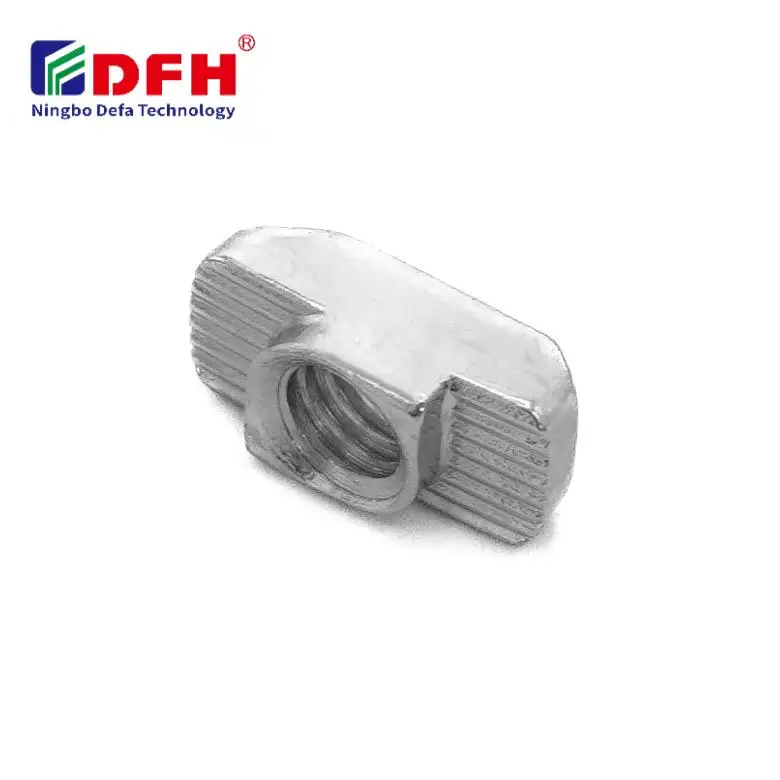
Maintaining T-slot nut assemblies requires a systematic approach that includes regular inspection, preventive cleaning, lubrication management, and timely replacement of worn components. Equipment operators and maintenance teams must understand how environmental factors, usage intensity, and material compatibility affect T nut performance over time. This guide covers practical maintenance strategies, troubleshooting common issues, and best practices for extending the service life of your fastening hardware investments across manufacturing, assembly, and fabrication environments.
Regular visual inspection is the foundation of effective T nut maintenance. Every 1–3 months, depending on operational intensity, examine each threaded insert for signs of corrosion, rust staining, or accumulated debris. T-slot channels and surrounding areas attract dust, metal particles, coolant residue, and environmental contaminants that can interfere with fastening hardware performance. Use a soft brush or compressed air to clear debris from the T nut surface and the entire T-slot groove, ensuring no particles remain lodged around the threading or locking mechanism.
Pay special attention to the underside and internal threading of each T-slot nut, where moisture and grit accumulate most frequently. If you notice discoloration, pitting, or white corrosion deposits, this indicates moisture exposure or chemical attack. Gently clean these areas with a lint-free cloth dampened with appropriate solvent. For stubborn corrosion on the fastening hardware, use a soft wire brush or nylon brush—never steel wool, which can scratch the nut surface and create new corrosion initiation points.
Proper lubrication of T nuts and threaded insert components prevents seizing and reduces friction during bolt tightening and loosening cycles. Apply a light machine oil or silicone-based lubricant to the external threading and sliding surfaces of each T-slot nut quarterly or after exposure to moisture. Use a precision applicator to ensure lubrication reaches the critical contact areas without over-applying, which can attract dirt and create sticky buildup. Avoid heavy greases that trap particles; instead, select lubricants formulated for precision fastening hardware applications.
For equipment operating in high-temperature or high-humidity environments, consider lithium-based anti-seize compound on the T nut threads prior to assembly. This additional layer of protection reduces the risk of galling and permanent seizing, particularly when bolts must be removed frequently for reconfiguration or maintenance access. Always verify lubricant compatibility with the T nut material—aluminum-profile T nuts may require different lubricants than steel fastening hardware to prevent galvanic corrosion or surface degradation.
T nuts experience predictable wear patterns that signal the need for replacement or corrective action. If bolts no longer tighten securely or repeatedly loosen under vibration, the internal threading of the threaded insert has likely stripped or worn smooth. Slippage, rattling, or inconsistent holding pressure during normal operation indicates the T nut's clamping force has diminished below acceptable levels. These functional failures create cascading problems—misaligned equipment, compromised precision, tool chatter, and potential safety incidents.
Monitor the effort required to tighten and loosen bolts in T-slot channels. Increasing resistance or grinding sensations suggest internal damage, corrosion buildup, or material deformation within the fastening hardware. When these symptoms appear, isolate the affected T nut and either carefully clean the internal threading or replace the component immediately. Ignoring these warning signs risks sudden failure during critical operations and can damage the expensive machinery or workpieces depending on the T-slot system for stability.
Surface rust and oxidation on T-slot nuts accelerate functional decline if left untreated. Early-stage light rust can often be remedied through gentle abrasive polishing with steel wool followed by thorough degreasing and lubrication. However, deep pitting or flaking indicates that the T nut material has experienced significant chemical attack, potentially compromising its structural integrity. Once corrosion penetrates below the surface, replacement becomes the only reliable solution to restore equipment performance and prevent contamination of the fastening hardware assembly.
For equipment exposed to saltwater, chemicals, or corrosive atmospheres, upgrade to stainless steel or epoxy-coated T nuts rated for harsh environments. Standard zinc-plated fastening hardware deteriorates rapidly in aggressive conditions, leading to frequent maintenance cycles and premature component failure. Investing in corrosion-resistant threaded insert options reduces long-term maintenance burden and extends the interval between replacement cycles in challenging industrial settings.
Develop a preventive maintenance schedule that documents inspection dates, cleaning cycles, lubrication applications, and any observed defects for each T nut or T-slot system in your facility. Heavy-use workstations with frequent bolt adjustments may require quarterly attention, while lightly-loaded equipment can operate with annual maintenance cycles. Tracking this information allows your maintenance team to identify patterns—certain T-slot nuts that fail prematurely, specific environmental conditions that accelerate corrosion, or design weaknesses in particular fastening hardware batches.
Implement a simple visual coding system—colored dots or markings—to indicate when each threaded insert was last serviced. This prevents accidental oversight and ensures consistent care across large equipment portfolios. Store replacement T nuts in a controlled environment protected from moisture and temperature extremes, maintaining inventory of commonly used sizes and materials to enable rapid swaps when functional degradation is detected.
Rather than waiting for a T nut to fail completely, adopt a proactive replacement policy based on age, usage history, and environmental exposure. T-slot nuts with more than five years of continuous service, particularly in demanding applications or humid environments, should be replaced preventively during planned downtime. This approach eliminates emergency maintenance windows, reduces unplanned equipment shutdown costs, and ensures consistent clamping performance throughout your machinery infrastructure. The modest cost of replacement T nuts is negligible compared to lost production time or safety incidents resulting from fastening hardware failure.
Inspect T nuts every 1–3 months depending on operational intensity and environmental conditions. Heavy-use workstations with frequent reconfigurations should be checked monthly, while lightly-loaded systems can operate on quarterly schedules. Equipment exposed to moisture, dust, or chemical environments requires more frequent attention than clean, climate-controlled facilities. Establish a maintenance log to document inspection dates and observed conditions, ensuring no T-slot nuts are accidentally overlooked during busy operational periods.
Light machine oil or silicone-based lubricants are ideal for T nut maintenance, applied quarterly or after moisture exposure. For high-vibration or high-temperature applications, lithium-based anti-seize compound provides superior protection against galling and permanent seizing of the fastening hardware. Always verify lubricant compatibility with your T nut material—aluminum-profile nuts may require different products than steel components to prevent galvanic corrosion or surface degradation issues.
Replace a T-slot nut immediately if bolts no longer hold securely, internal threading is visibly stripped, or deep corrosion pitting is present. Light surface rust can sometimes be cleaned and treated, but once structural damage is evident, replacement is the only reliable solution. T nuts approaching five years of continuous service should be replaced proactively during planned maintenance to prevent unexpected failures and ensure consistent equipment performance across your industrial operations.
2026/09/30
Source aluminum profiles for versatile modular framing. Learn extrusion mechanics, strength benefits & corrosion resistance. Request details.
2026/09/30
Source aluminum profiles for construction projects. Learn structural framing, cladding & window benefits for maximum ROI. Download guide.
2026/09/30
Source optimal aluminum profile sizing techniques. Evaluate load, space, alloy, environment & cost factors to prevent deflection. Download guide.
2026/09/30
Struggling with fastener failures or rework? Master screw sizing by diameter, pitch, material, and load—plus industry-specific standards. Optimize reliability & compliance now.
2026/09/30
Source aluminum profiles for industrial engineering. Discover strength-to-weight ratios, corrosion resistance & 30% cost savings. Download guide.
2026/09/30
Source heat-resistant aluminum profile systems. Master thermal expansion science & stress management strategies for industrial builds. Download guide.