EN
EN
What is Aluminum Profile and How Does It Work?
2026/09/30
Source aluminum profiles for versatile modular framing. Learn extrusion mechanics, strength benefits & corrosion resistance. Request details.

2026/09/09
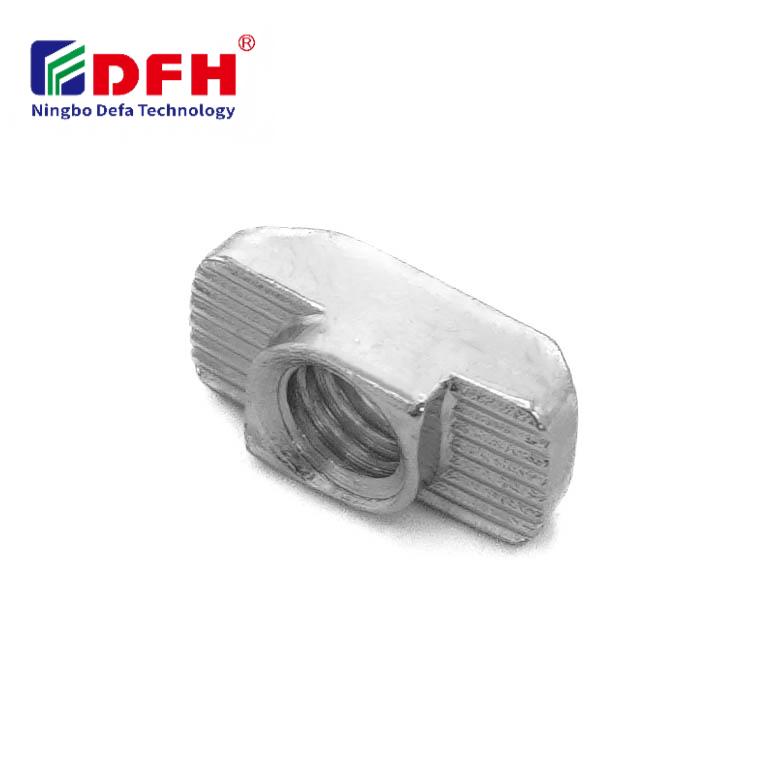
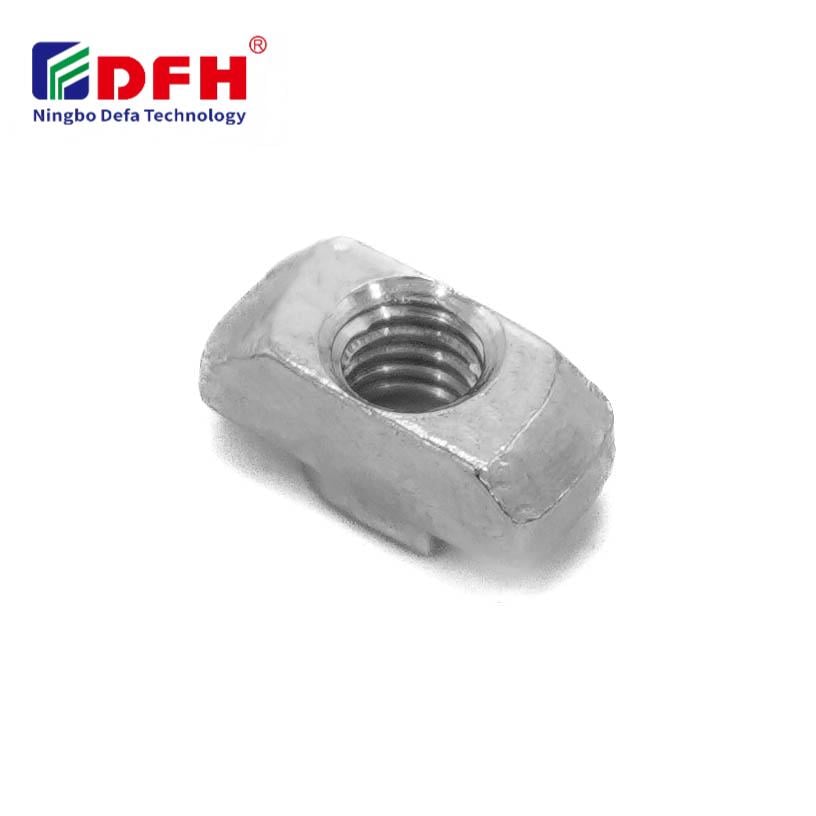
Understanding the precise tolerance requirements for a T nut is essential for engineers and manufacturers working with modular assembly systems. A T nut serves as a critical fastening component in aluminum profile frameworks and slot-based mounting applications, where dimensional accuracy directly impacts assembly reliability, alignment, and structural integrity. The tolerance specifications governing T nut design determine how these components fit within T-slot channels and interact with fastening hardware, making them foundational to successful industrial assembly operations.
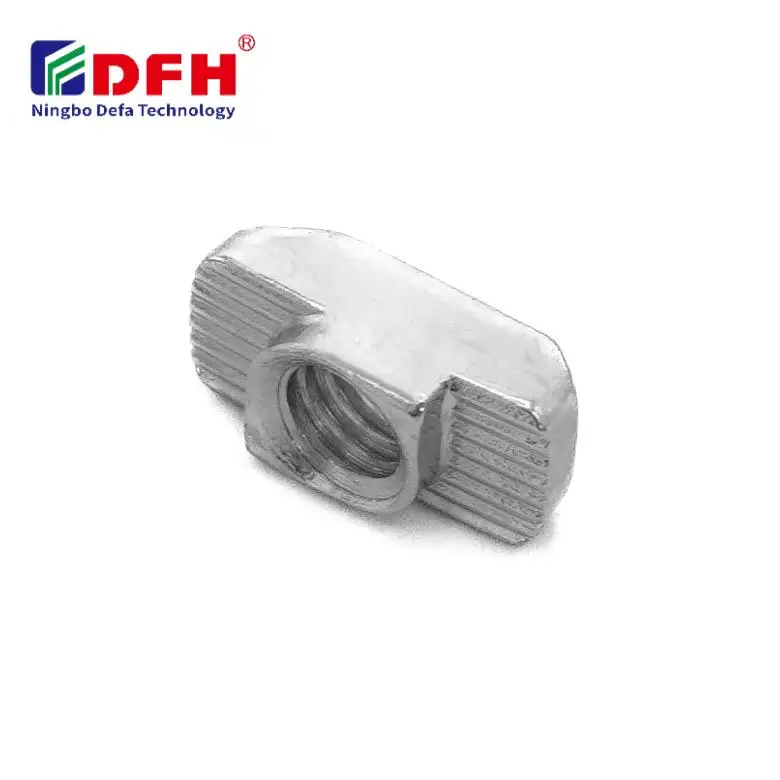
The dimensional precision of a T nut is governed by industry standards and application-specific requirements that ensure consistent performance across different mounting configurations. Tolerance control encompasses multiple geometric features including the threaded insert diameter, slot engagement dimensions, head thickness, and overall length specifications. Manufacturers must balance tight tolerances for precision applications with practical production constraints, ensuring that fastening hardware performs reliably throughout the intended service life while maintaining cost-effectiveness in manufacturing processes.
The threaded insert bore diameter represents one of the most critical tolerance dimensions in T nut design. This diameter must accommodate metric threads such as M4, M5, M6, or M8 with appropriate clearance and engagement depth to ensure secure fastening while preventing thread stripping or loosening during vibration. Standard tolerance classes for threaded inserts typically follow ISO 262 specifications, requiring the bore diameter to maintain tight tolerances within plus or minus 0.05 to 0.1 millimeters depending on the thread size and material composition.
Thread pitch accuracy directly influences the fastening hardware performance and reliability of connections within modular assembly systems. The depth of thread engagement must be sufficient to provide adequate load-bearing capacity while the tolerance must account for potential slight variations in bolt diameter across different production batches. Engineers specify threaded insert tolerances based on expected clamp loads, vibration resistance requirements, and the specific aluminum profile specifications where the T nut installation occurs.
The width of the T nut head that engages within the T-slot channel must be precisely controlled to ensure smooth insertion and positive positioning without binding or excessive play. Typical tolerance specifications for slot engagement width range from minus 0.1 to zero millimeters relative to the nominal slot width, ensuring a snug fit that prevents lateral movement while allowing hand-insertion ease. This tolerance class guarantees that the fastening hardware maintains proper alignment within the aluminum profile framework throughout assembly and operational phases.
Depth tolerance specifications control how far the T nut extends below the slot opening surface, which determines the maximum fastening hardware head clearance and overall assembly height. Standard depth tolerances typically maintain plus or minus 0.05 millimeters to ensure consistent seating and prevent misalignment issues during tightening operations. The threaded insert positioning within this depth tolerance ensures that bolt threads engage correctly and maintain full engagement within the bore for maximum holding capacity.
Industrial fastening hardware including T nuts must comply with international standards such as ISO 1891, DIN 6323, and other metric specifications that define acceptable tolerance ranges for precision components. These standards establish tolerance classes that range from loose to extremely tight, allowing manufacturers to select appropriate specifications based on application requirements and cost considerations. The fastening hardware tolerance class selected influences dimensional consistency, assembly fit characteristics, and long-term reliability performance in production environments.
Tolerance class selection for threaded insert components typically follows established industrial practices where medium tolerance classes provide optimal balance between precision requirements and manufacturing cost efficiency. The T-slot nut specifications within these standards ensure that components manufactured by different suppliers remain interchangeable, supporting global supply chain flexibility and inventory standardization. Material composition specifications, surface finish requirements, and hardness standards work in conjunction with dimensional tolerances to ensure complete fastening hardware performance compliance.
Complex assembly systems require careful analysis of how individual component tolerances combine through the complete assembly process, known as tolerance stack-up analysis. Engineers must account for cumulative variations in the aluminum profile slot dimensions, the T nut width and depth tolerances, and fastening hardware bore diameter specifications when designing robust assembly solutions. This analysis ensures that worst-case tolerance combinations still yield acceptable assembly functionality, proper thread engagement, and reliable load distribution throughout the structural frame.
Tolerance stack-up calculations become particularly critical when multiple T nuts must align on the same aluminum profile or when the fastening hardware must support high-load applications requiring maximum clamping force. Manufacturers use statistical tolerance analysis methods to predict assembly success rates and identify which component tolerances most significantly impact overall system performance. This engineering approach enables cost optimization by relaxing non-critical tolerances while maintaining tight control on dimensions that directly affect assembly reliability.
Precision alignment applications such as robotics mounting, optical equipment assembly, and coordinate measurement fixtures demand extremely tight tolerances for T nut components. These applications require tolerance specifications where the threaded insert positioning and T-slot nut engagement dimensions maintain plus or minus 0.03 millimeters or tighter to ensure repeatable positioning accuracy. The fastening hardware must support precise load control and vibration damping, requiring consistent thread engagement and bore diameter uniformity across all production units.
In these demanding applications, manufacturers often implement additional quality control measures including 100 percent dimensional verification, thread engagement testing, and stress-relief heat treatment to ensure tolerance compliance throughout the production process. The threaded insert material specification must resist creep and maintain dimensional stability under temperature cycling and mechanical stress. These precision tolerance requirements justify increased manufacturing costs due to the critical importance of assembly accuracy in high-value equipment applications.
Standard industrial automation frames, workbench structures, and modular factory fixtures typically employ broader tolerance specifications that reduce manufacturing costs while maintaining adequate assembly functionality. These applications allow T nut tolerances in the range of plus or minus 0.1 to 0.15 millimeters for non-critical dimensions, enabling fastening hardware production using standard machining equipment without requiring specialized precision tooling. The fastening hardware performance remains fully satisfactory as long as the threaded insert bore engages properly and the T-slot nut seats consistently within the aluminum profile channel.
General industrial tolerance classes provide good cost efficiency and remain the most common specification for the vast majority of manufacturing applications. These tolerance specifications accommodate normal manufacturing variations from standard production equipment while ensuring that threaded insert components perform reliably throughout typical machine duty cycles. Manufacturers commonly stock these standard T nut tolerance classes to support rapid delivery and inventory management across multiple customer applications and product lines.
For automated assembly operations, specify medium to tight tolerance classes such as ISO tolerance grades IT7 or IT6 for the T-slot nut and threaded insert dimensions. These tolerance specifications ensure consistent fastening hardware performance across high-volume production environments where robots handle component placement and bolt tightening. Automated systems require tight tolerance compliance to maintain reliable repeatability, reduce assembly errors, and minimize rework costs associated with misalignment or thread engagement failures.
Material composition and heat treatment directly influence dimensional stability and tolerance capability for threaded insert components throughout production and service life. High-strength steel compositions and stress-relief heat treatment improve dimensional consistency and reduce creep-related tolerance degradation over time. The fastening hardware material specification determines whether components can maintain tight tolerances during machining operations, shipping, and installation in the aluminum profile framework without requiring costly post-production dimensional corrections.
Yes, T nut tolerances can be customized through tailored manufacturing specifications, material selection, and process engineering to meet specialized application requirements. Custom tolerance specifications for threaded insert bore diameter, T-slot nut engagement width, and depth dimensions enable optimization for unique fastening hardware applications. However, custom tolerance specifications typically require minimum order quantities, extended lead times, and increased unit costs due to process setup requirements and specialized quality control measures needed to maintain non-standard tolerance compliance throughout production.
2026/09/30
Source aluminum profiles for versatile modular framing. Learn extrusion mechanics, strength benefits & corrosion resistance. Request details.
2026/09/30
Source aluminum profiles for construction projects. Learn structural framing, cladding & window benefits for maximum ROI. Download guide.
2026/09/30
Source optimal aluminum profile sizing techniques. Evaluate load, space, alloy, environment & cost factors to prevent deflection. Download guide.
2026/09/30
Struggling with fastener failures or rework? Master screw sizing by diameter, pitch, material, and load—plus industry-specific standards. Optimize reliability & compliance now.
2026/09/30
Source aluminum profiles for industrial engineering. Discover strength-to-weight ratios, corrosion resistance & 30% cost savings. Download guide.
2026/09/30
Source heat-resistant aluminum profile systems. Master thermal expansion science & stress management strategies for industrial builds. Download guide.