EN
EN
What is Aluminum Profile and How Does It Work?
2026/09/30
Source aluminum profiles for versatile modular framing. Learn extrusion mechanics, strength benefits & corrosion resistance. Request details.

2026/09/08
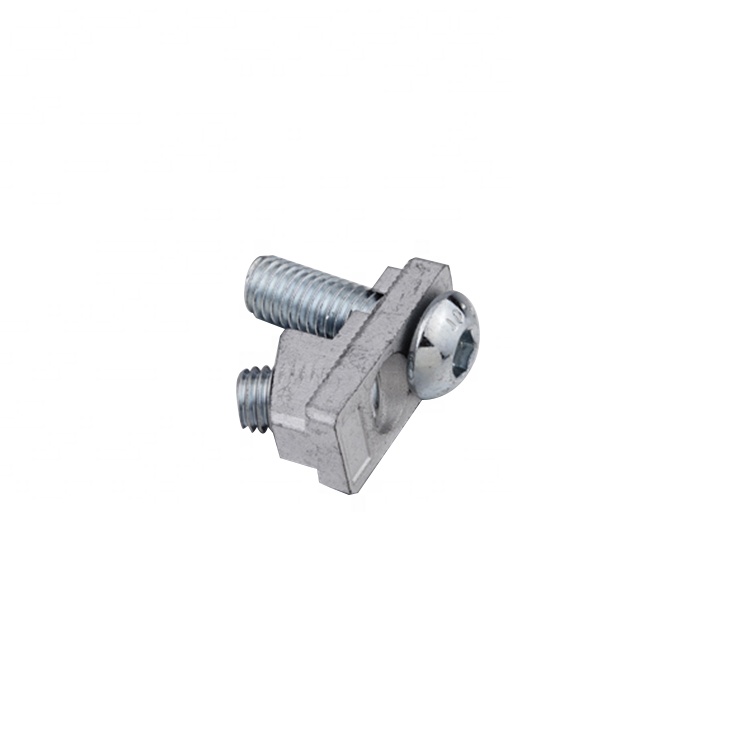
Installing Bolt Connectors correctly is essential for ensuring structural integrity, operational safety, and long-term reliability in industrial applications. Whether you are assembling machinery, building frameworks, or connecting components in manufacturing environments, the installation process demands precision, proper technique, and attention to critical details. A poorly installed bolt connector can lead to joint failure, equipment downtime, and potential safety hazards. Understanding the fundamentals of proper installation protects your investment and ensures that your connection hardware solutions perform as intended.
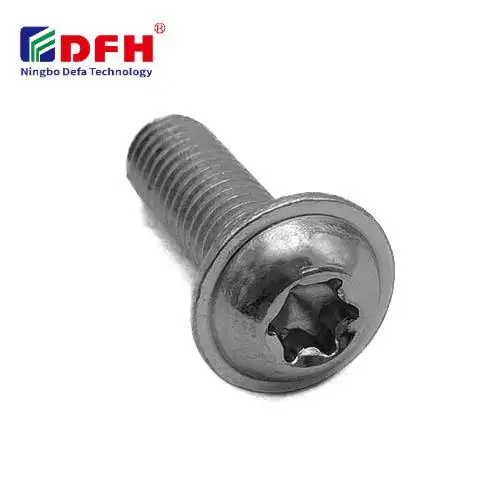
This guide walks you through the complete process of installing bolt connectors with accuracy and confidence. From selecting the right tools and preparing your materials to tightening sequences and torque specifications, each step contributes to a robust assembly. The installation of connection hardware solutions requires methodical planning and controlled execution to prevent common pitfalls such as over-tightening, cross-threading, or misalignment. By following industry best practices and understanding the mechanical principles behind threaded fastening systems, you can achieve professional-grade results that meet or exceed performance requirements.
Before you begin installing bolt connectors, assemble all necessary tools and materials at your work station. You will need a socket wrench or open-end wrench sized appropriately for your bolt head, a torque wrench for precise tightening, washers and nuts compatible with your industrial bolt assemblies, and a wire brush or cloth for cleaning bolt surfaces. Having a torque specification chart specific to your application prevents guesswork and ensures consistent results across all connection hardware solutions. Cleanliness is critical—even small debris or corrosion on bolt threads can compromise joint quality and affect the performance of your threaded fastening systems.
Examine each bolt connector for visible damage, corrosion, or defects before installation. Check that all industrial bolt assemblies match the engineering specifications required by your project. Verify that threaded fastening systems components are free from bent threads, stripped surfaces, or contamination. Matching bolt diameter, material grade, and length to the design requirements prevents weak joints and potential assembly failures. Inspect the receiving surfaces where the bolt will be installed—they must be clean, flat, and aligned to support proper load distribution through your connection hardware solutions.
Begin by hand-threading the bolt connector into its receiving hole to establish the thread engagement without forcing the fastener. Gentle, consistent hand pressure ensures that threads engage properly and reduces the risk of cross-threading. Once hand-threading feels smooth and aligned, place a washer under the bolt head to distribute load evenly, then position the nut and washer on the opposite side of the connection. This layering in your industrial bolt assemblies creates a larger bearing surface and protects the connected material from crushing or deforming. Proper thread engagement in threaded fastening systems is the foundation of a reliable joint.
For bolt connectors in multi-bolt configurations, tighten in a star or diagonal pattern rather than sequentially around the perimeter. This approach distributes stress evenly and prevents warping or misalignment in your connection hardware solutions. Begin with a moderate snug—enough to draw the parts together without excessive force. Then complete one full pass tightening to approximately 50% of final torque, followed by a second pass bringing all bolts to the specified final torque. Using a calibrated torque wrench ensures that each bolt connector reaches the target tension without over-tightening. Reference your engineering documentation or bolt manufacturer specifications to identify the correct torque value for your specific industrial bolt assemblies and material combinations.
After completing the installation of all bolt connectors, perform a visual and tactile inspection of each joint. Check that nuts are seated fully, washers are in contact with the connected surfaces, and no threads are exposed beyond the nut. Verify that no gaps exist between joined components and that connection hardware solutions remain aligned with design intent. For critical applications, perform a second torque verification after 24 hours of assembly to account for any settling or relaxation in the threaded fastening systems. Photographic documentation of completed assemblies provides a quality record and simplifies future maintenance or reassembly procedures.
Industrial bolt assemblies experience vibration, thermal cycling, and dynamic loads that can gradually loosen fasteners over time. Establish a routine inspection schedule to check bolt connector tightness at intervals appropriate to your application severity. Periodic torque verification using a calibrated wrench ensures that connection hardware solutions maintain their initial tension and load-bearing capability. Consider applying medium-strength thread-locking compound to prevent unintended loosening in high-vibration environments. Proper maintenance of bolt connectors and threaded fastening systems extends equipment life, prevents unexpected failures, and protects worker safety in industrial settings.
Over-tightening is the leading cause of bolt connector failure. Excessive torque stretches the bolt beyond its design limits, reduces clamping force, and can result in thread stripping or fastener fracture. Using a calibrated torque wrench and adhering to specified values prevents this critical error in industrial bolt assemblies and threaded fastening systems.
Torque specifications depend on bolt diameter, material grade, thread type, and application requirements. Consult your engineering drawings, bolt manufacturer datasheets, or industry standards such as ISO or SAE specifications. Different connection hardware solutions may require different torque values even if bolt sizes appear similar, so always verify specifications before installation.
Reusing industrial bolt assemblies depends on their condition and the application criticality. If bolts show no visible damage, corrosion, or thread wear, they may be reusable in non-critical applications. However, critical structural or safety applications typically require new bolt connectors to ensure reliability. Inspect carefully and reference your engineering requirements before deciding whether existing fasteners meet acceptance criteria.
2026/09/30
Source aluminum profiles for versatile modular framing. Learn extrusion mechanics, strength benefits & corrosion resistance. Request details.
2026/09/30
Source aluminum profiles for construction projects. Learn structural framing, cladding & window benefits for maximum ROI. Download guide.
2026/09/30
Source optimal aluminum profile sizing techniques. Evaluate load, space, alloy, environment & cost factors to prevent deflection. Download guide.
2026/09/30
Struggling with fastener failures or rework? Master screw sizing by diameter, pitch, material, and load—plus industry-specific standards. Optimize reliability & compliance now.
2026/09/30
Source aluminum profiles for industrial engineering. Discover strength-to-weight ratios, corrosion resistance & 30% cost savings. Download guide.
2026/09/30
Source heat-resistant aluminum profile systems. Master thermal expansion science & stress management strategies for industrial builds. Download guide.