EN
EN
What is Aluminum Profile and How Does It Work?
2026/09/30
Source aluminum profiles for versatile modular framing. Learn extrusion mechanics, strength benefits & corrosion resistance. Request details.

2026/09/09
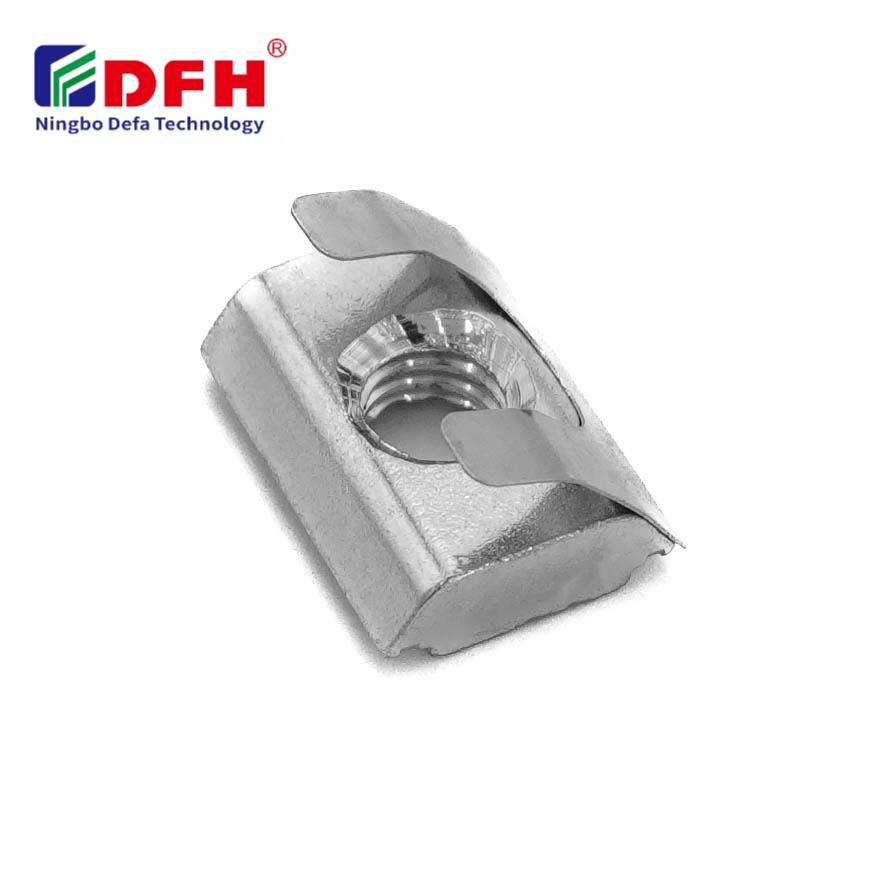
Proper torque specifications are essential when working with industrial fastening hardware, particularly when installing a T Nut into aluminum profiles and structural systems. Applying the correct torque ensures secure assembly, prevents component damage, and maintains the integrity of your entire structural framework. Understanding the relationship between bolt size, material properties, and tightening force is critical for technicians, engineers, and manufacturing professionals who rely on precision fastening solutions.
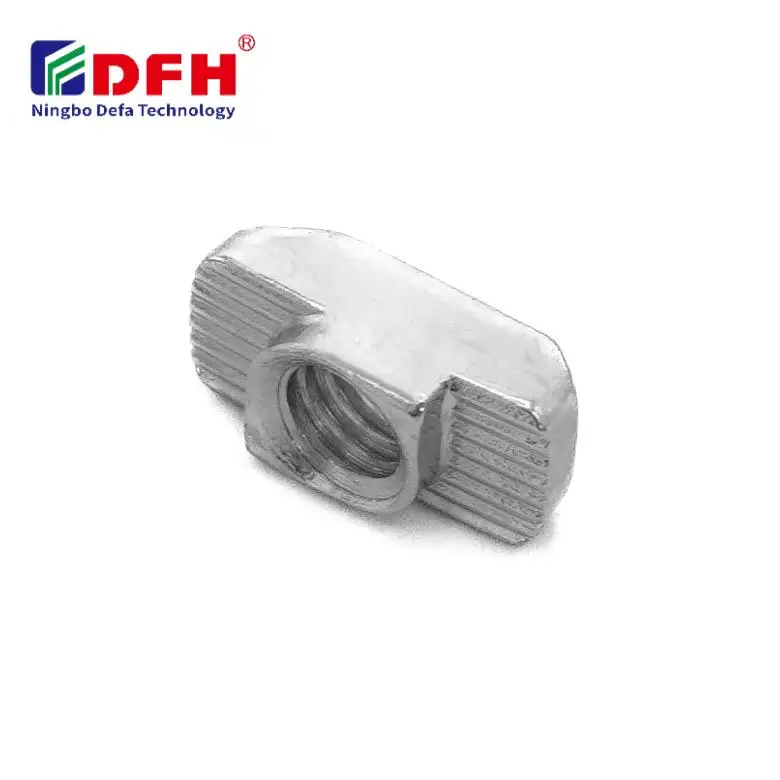
The T Nut operates within a specialized fastening ecosystem where thread engagement depth, material composition, and geometric design directly influence optimal torque values. Different industrial applications demand different tightening specifications based on load requirements, environmental conditions, and the specific threaded insert configuration being used. This guide explores the key factors that determine proper T-slot nut torque, helping you avoid under-tightening that causes loosening and over-tightening that damages threads or components.
Torque represents the rotational force applied to tighten a fastener, measured in Newton-meters or foot-pounds depending on regional standards and industry convention. For threaded insert applications, torque must achieve a delicate balance: sufficient tension to prevent self-loosening under vibration, yet not so excessive that it plastically deforms threads or the receiving component. The relationship between torque and bolt preload is nonlinear, meaning small torque changes can create significant tension fluctuations.
When installing fastening hardware into aluminum profiles, engineers must account for aluminum's lower modulus of elasticity compared to steel. This means aluminum threads are more susceptible to galling, thread stripping, and relaxation over time if torque specifications exceed safe limits. Precise torque application ensures the threaded insert maintains consistent clamping force without permanent deformation of the aluminum base material.
The composition of your T-slot nut directly influences recommended torque values. Steel T nuts with zinc plating or blue finish offer different friction coefficients than stainless variants, affecting torque-to-tension conversion accuracy. Thread pitch, minor diameter, and the pitch diameter all play roles in determining safe tightening forces. Coarser pitches typically tolerate higher absolute torque values, while fine-pitch threaded inserts require more careful torque control to prevent thread damage.
Aluminum profile grades vary in hardness and strength, which impacts how much torque the base material can safely support without thread stripping or pull-out failure. Standard 6061-T6 and 7075-T73 aluminum profiles have documented torque recommendations based on extensive testing. The interaction between fastening hardware, threaded insert design, and base material properties creates the foundation for establishing safe torque specifications in your assembly process.
Industry standards provide reference torque values for common metric bolt sizes used with T-slot nuts in aluminum extrusion systems. M4 fasteners typically require torque ranges between 1.2 to 2.0 Newton-meters when installing into standard aluminum profiles. M5 bolts generally tolerate 2.5 to 3.5 Newton-meters, while M6 fasteners typically range from 4.5 to 6.0 Newton-meters under normal assembly conditions. M8 threaded insert applications commonly specify 10 to 14 Newton-meters of torque for secure attachment.
These baseline values assume standard zinc-plated steel fastening hardware installed into T-slots cut into 6061-T6 aluminum profiles operating at room temperature under static loads. Dynamic loading, elevated temperatures, corrosive environments, or specialty materials require deviation from these baseline specifications. Always verify torque recommendations from your specific fastening hardware manufacturer, as proprietary designs or material combinations may have unique requirements.
When standard reference values do not apply to your specific T-slot nut configuration, engineers can calculate approximate torque using the formula: Torque (N·m) = K × D × P, where K represents the torque coefficient, D is the nominal bolt diameter in millimeters, and P is the desired preload in kilonewtons. The torque coefficient K typically ranges from 0.15 to 0.25 depending on surface finish and lubrication conditions of your fastening hardware.
This calculation method provides a starting point for bench testing and validation before deploying torque specifications in production environments. Careful measurement of actual preload using load washers or ultrasonic bolt tension methods allows you to verify that your calculated torque produces the intended clamping force. This empirical validation step is particularly important when working with specialized aluminum alloys or threaded insert configurations that lack published reference data.
Industrial machinery, modular workbenches, and CNC fixtures rely heavily on T-slot nut assemblies to position components precisely and maintain positional accuracy throughout production cycles. In these manufacturing contexts, consistent torque application becomes critical because under-tightening allows component drift and reduces dimensional repeatability, while over-tightening can distort the aluminum profile and compromise fixture alignment. Technicians typically use calibrated torque wrenches set to mid-range specifications to ensure reliable fastening performance.
Production facilities often establish torque standards for each specific fastening hardware size and aluminum profile grade used in their standard assembly kits. Documentation of these standards, combined with worker training on proper torque wrench usage and visual inspection protocols, ensures consistent quality across all assemblies. The threaded insert quality directly impacts torque reliability, so sourcing fastening hardware from manufacturers with documented quality control processes minimizes assembly variability.
Applications experiencing significant vibration or cyclic loading may require torque specifications 10 to 20 percent higher than static-load reference values to maintain preload over extended service intervals. Outdoor installations exposed to temperature cycling require consideration of thermal expansion differences between steel fasteners and aluminum profiles. High-temperature applications may require periodic retorquing as thermal relaxation gradually reduces preload in aluminum components.
Corrosive environments, such as marine or chemical processing installations, introduce additional complexity because corrosion at the fastening hardware interface alters friction coefficients and torque-to-tension relationships over time. Stainless or specialty-coated T nuts offer improved corrosion resistance but may exhibit different torque characteristics than standard zinc-plated fastening hardware. Always validate torque specifications through actual installation testing when deploying T-slot nuts in novel environmental conditions or with unfamiliar material combinations.
Excessive torque can strip the threads in the aluminum profile, damage the threaded insert geometry, or cause permanent plastic deformation of the aluminum base material. This damage may not be immediately visible but compromises the long-term integrity of the connection. In severe cases, the fastener cannot be removed without breaking, requiring replacement of expensive aluminum profile sections.
Build test assemblies using your specific T-slot nut, bolt size, and aluminum profile combination, then apply torque using a calibrated wrench and measure resulting preload with load washers or ultrasonic tension measurement tools. Document the relationship between torque applied and resulting preload, then adjust your specification upward or downward to achieve your target clamping force. Repeat testing across multiple samples to ensure consistency and account for material variation in threaded insert products.
Yes, aluminum alloy composition significantly affects thread strength and optimal torque values. Higher-strength alloys like 7075-T73 can typically tolerate greater torque than softer 6061-T6 material. Always cross-reference your aluminum profile specification sheet with torque recommendation data for your specific T-slot nut fastening hardware and material combination to ensure compatibility and safe operation.
2026/09/30
Source aluminum profiles for versatile modular framing. Learn extrusion mechanics, strength benefits & corrosion resistance. Request details.
2026/09/30
Source aluminum profiles for construction projects. Learn structural framing, cladding & window benefits for maximum ROI. Download guide.
2026/09/30
Source optimal aluminum profile sizing techniques. Evaluate load, space, alloy, environment & cost factors to prevent deflection. Download guide.
2026/09/30
Struggling with fastener failures or rework? Master screw sizing by diameter, pitch, material, and load—plus industry-specific standards. Optimize reliability & compliance now.
2026/09/30
Source aluminum profiles for industrial engineering. Discover strength-to-weight ratios, corrosion resistance & 30% cost savings. Download guide.
2026/09/30
Source heat-resistant aluminum profile systems. Master thermal expansion science & stress management strategies for industrial builds. Download guide.