EN
EN
What is Aluminum Profile and How Does It Work?
2026/09/30
Source aluminum profiles for versatile modular framing. Learn extrusion mechanics, strength benefits & corrosion resistance. Request details.

2026/09/28
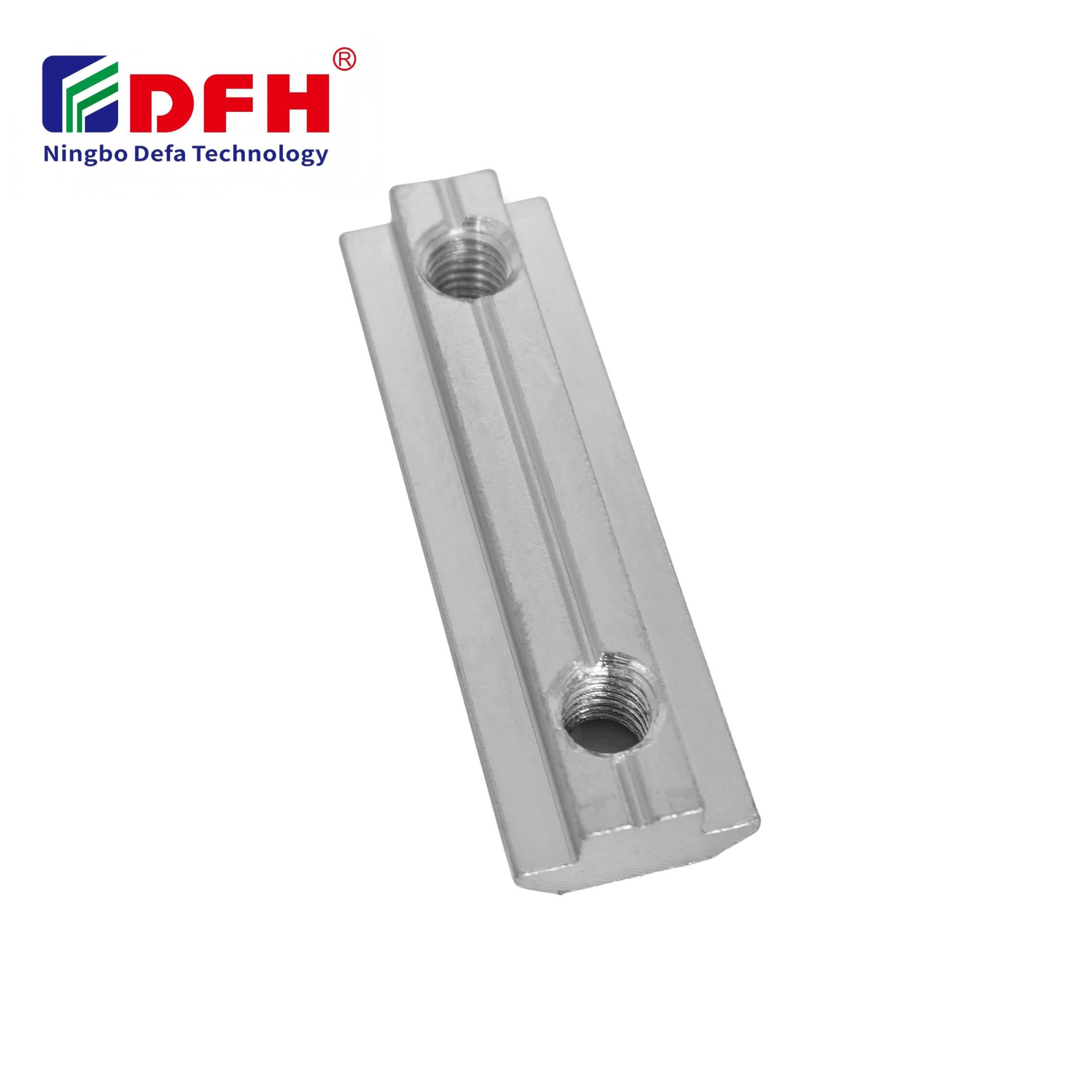
Proper torque settings for T Nut fastening are critical to ensuring secure, reliable connections in industrial applications. Whether you're working with aluminum profile systems, modular machinery frames, or precision assembly work, understanding the correct torque specifications directly impacts joint integrity, prevents over-tightening damage, and eliminates premature fastener failure. The T Nut serves as a fundamental fastening hardware component that anchors bolts into slot channels, and applying the right torque pressure transforms a simple connection into a durable assembly foundation.
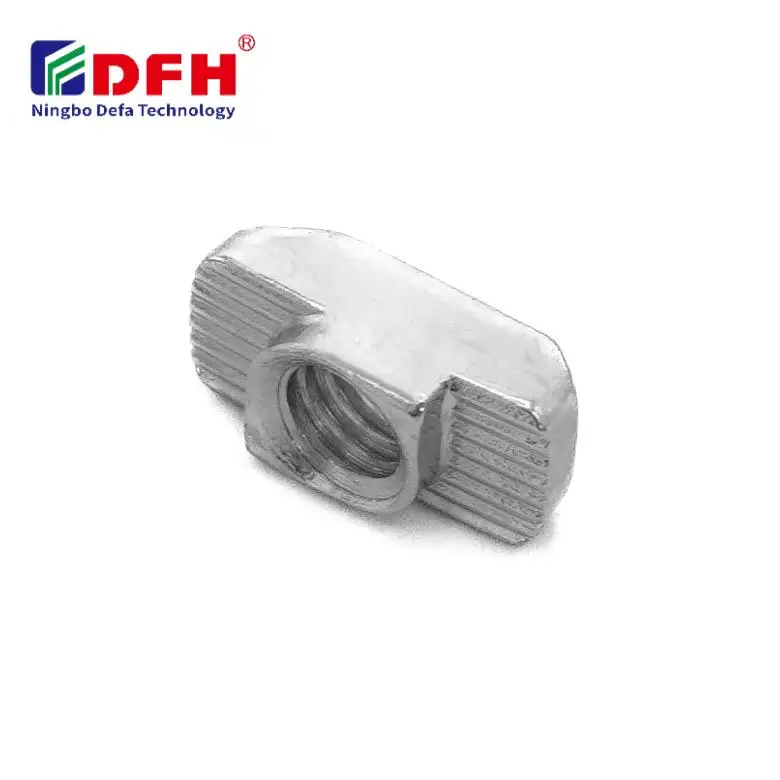
The challenge many technicians face is that torque specifications vary significantly based on material composition, bolt diameter, threaded insert type, and application environment. A single universal torque value does not exist; instead, proper fastening hardware selection requires matching the torque range to specific system parameters. This guide walks through the practical torque considerations that ensure your slot nut assembly remains secure throughout the equipment lifecycle.
The material composition of your T Nut directly influences recommended torque values. Zinc-plated steel nuts tolerate higher torque than aluminum or plastic variants due to superior tensile strength. For M4 threaded inserts, typical torque ranges between 2.5 to 4 Newton-meters, while M6 fastening hardware demands 6 to 9 Newton-meters, and M8 specifications climb toward 12 to 18 Newton-meters. These ranges represent general guidelines for standard industrial conditions; your specific application may require adjustment based on material hardness, bolt grade, and clamping load requirements.
The geometry of your slot nut assembly affects torque distribution and holding capacity. T-slot profiles typically feature standardized channel widths (15mm, 20mm, 30mm, 40mm, 45mm), and the threaded insert must sit flush within that channel to achieve proper load distribution. When a threaded insert sits too loose in the slot, clamping forces concentrate at stress points rather than distributing evenly, potentially causing the nut to shift under load. Conversely, overtightening a snug-fitting nut risks stripping threads or cracking the nut itself. The optimal torque balances secure engagement with material durability.
Calibrated torque wrenches remain the gold standard for fastening hardware assembly precision. A click-type torque wrench provides tactile feedback when reaching the target torque, preventing both under-tightening and over-tightening errors. Beam-type and digital torque wrenches offer alternatives, though click-type models remain most popular in production environments. Regardless of tool selection, your wrench must be certified within the past 12 months to ensure measurement accuracy. For M4 and M5 fasteners, a quarter-inch drive torque wrench works well, while M6 and larger bolt sizes benefit from three-eighths-inch drive tools that provide better mechanical advantage and sensitivity.
When assembling multi-point fastening hardware configurations, progressive tightening distributes clamping loads evenly across the assembly. Rather than fully tightening one bolt before moving to the next, first pass through all bolts at 50 percent of target torque, then complete a second pass at 100 percent specification. This two-stage approach minimizes warping, distributes stress uniformly, and prevents one over-tight bolt from distorting the assembly. For complex slot nut assemblies with numerous connection points, this method proves especially valuable in maintaining assembly alignment and structural integrity throughout the tightening sequence.
Environmental conditions directly influence torque recommendations for threaded insert fastening. In high-temperature applications, materials expand, potentially increasing preload tension beyond design limits if standard torque values are applied. Conversely, cold environments may cause material contraction, reducing clamping force effectiveness. Stainless steel fastening hardware exhibits different thermal expansion rates compared to steel or aluminum, requiring compensated torque values. When combining dissimilar materials, such as aluminum profile frames with steel bolts and zinc-plated nuts, account for differential expansion through reduced torque specifications—typically 10 to 15 percent below standard values—to prevent stress concentration at material interfaces.
Applications subject to vibration or cyclic loading demand torque specifications that maintain preload stability over extended operation cycles. Standard torque values may prove insufficient in high-vibration environments where fasteners gradually loosen through micro-slip mechanisms. For such applications, consider applying torque to 85 percent of static specifications, then verifying tightness after initial operation hours using an audible or tactile check method. Thread-locking compounds on fasteners entering slot nut assemblies add redundant security without requiring excessive torque, effectively preventing vibration-induced loosening while protecting against over-tightening failures.
For M6 T Nut fastening in standard industrial applications, apply torque between 6 and 9 Newton-meters using a calibrated wrench. This range assumes zinc-plated steel construction in normal ambient conditions. If your specific fastening hardware features stainless steel construction or operates in temperature extremes, adjust within this range or consult material-specific documentation from your supplier. Always verify that the bolt grade matches the nut material to ensure compatible torque specifications.
Temperature changes alter material expansion rates, affecting preload tension in threaded insert applications. At elevated temperatures, materials expand and internal stresses increase; therefore, reduce standard torque values by 10 to 15 percent in high-heat environments. In cold conditions, material contraction reduces clamping force, potentially requiring slightly increased torque to maintain preload—though increases should remain modest to avoid over-tightening. Always apply temperature-adjusted torque values conservatively and verify assembly security through inspection after thermal cycling.
Torque specifications must align with your specific slot nut assembly geometry, bolt diameter, and material composition rather than applying universal values across all configurations. An M4 fastening hardware connection requires substantially different torque than an M8 assembly, even within the same application domain. Channel width, material hardness, and bolt grade all influence proper torque ranges. Always reference technical documentation from your fastening hardware manufacturer that corresponds to your exact slot nut assembly specifications rather than assuming prior experience transfers directly to new configurations.
2026/09/30
Source aluminum profiles for versatile modular framing. Learn extrusion mechanics, strength benefits & corrosion resistance. Request details.
2026/09/30
Source aluminum profiles for construction projects. Learn structural framing, cladding & window benefits for maximum ROI. Download guide.
2026/09/30
Source optimal aluminum profile sizing techniques. Evaluate load, space, alloy, environment & cost factors to prevent deflection. Download guide.
2026/09/30
Struggling with fastener failures or rework? Master screw sizing by diameter, pitch, material, and load—plus industry-specific standards. Optimize reliability & compliance now.
2026/09/30
Source aluminum profiles for industrial engineering. Discover strength-to-weight ratios, corrosion resistance & 30% cost savings. Download guide.
2026/09/30
Source heat-resistant aluminum profile systems. Master thermal expansion science & stress management strategies for industrial builds. Download guide.